Suspension Maintenance Guide for Off-Road Vehicles
Essential tips for maintaining your 4x4 suspension system to ensure optimal performance and longevity.
Direct takeaway
- Suspension guides should help buyers identify failure symptoms, replacement logic, and what to quote next.
- For B2B pages, maintenance advice works best when it links directly to the relevant OE-driven replacement parts.
- The most useful content explains when a symptom becomes a sourcing decision.
Your 4x4's suspension system takes a beating on rough terrain. Proper maintenance is crucial for both performance and safety. Here's our comprehensive guide to keeping your suspension in top condition.
Regular Inspection Schedule
We recommend inspecting your suspension components every 10,000 kilometers or after any serious off-road excursion. Look for:
- Signs of wear on bushings and joints
- Leaking shock absorbers
- Corroded or damaged springs
- Loose or missing fasteners
Cleaning and Protection
After off-road use, thoroughly clean your suspension components to remove mud, sand, and debris. Apply a protective coating to prevent corrosion, especially if you frequently drive in wet conditions.
When to Replace Components
Don't wait for complete failure. Replace suspension components when you notice:
- Excessive bouncing or poor handling
- Uneven tire wear
- Knocking or clunking sounds
- Visible damage or deformation
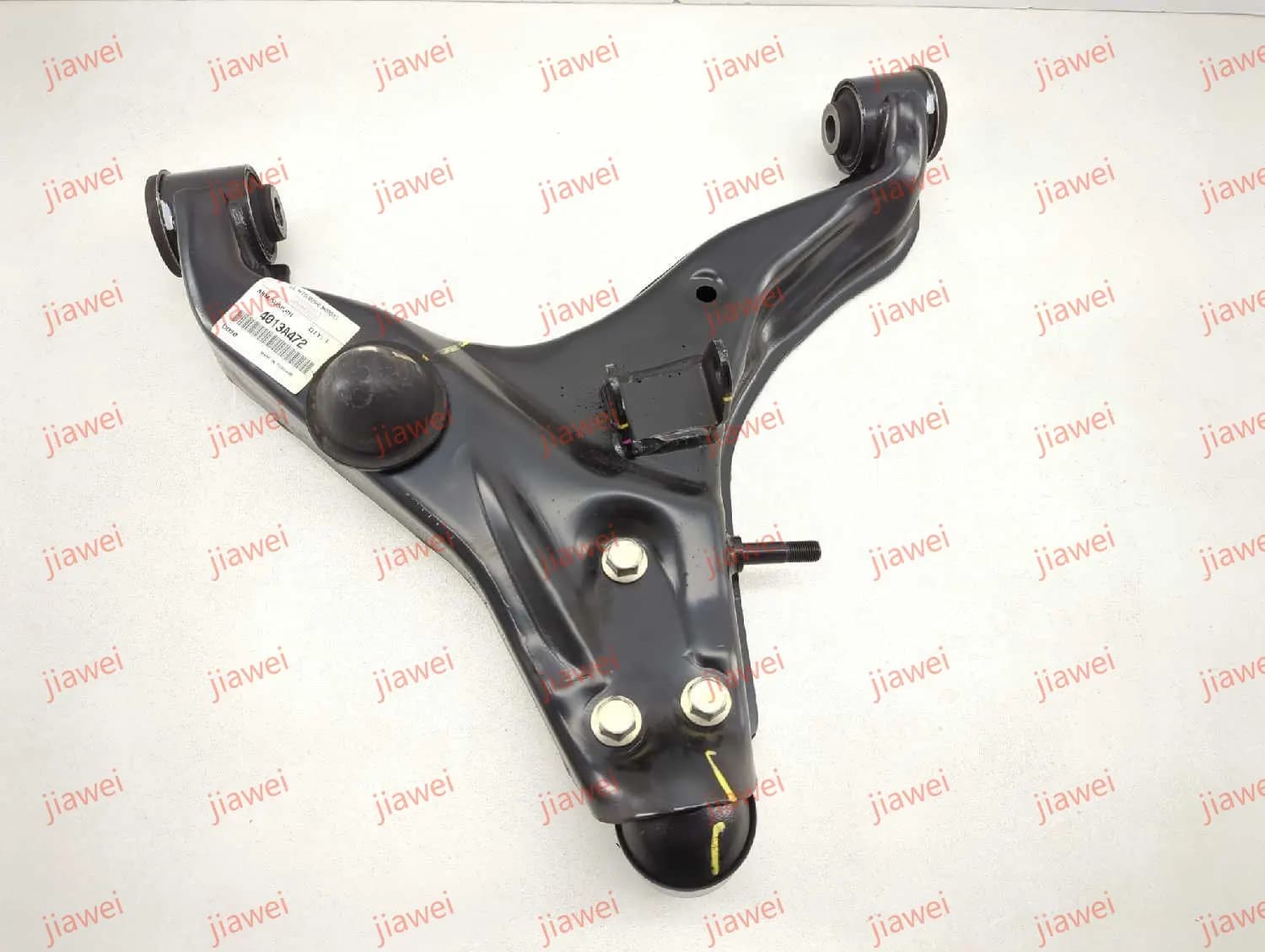
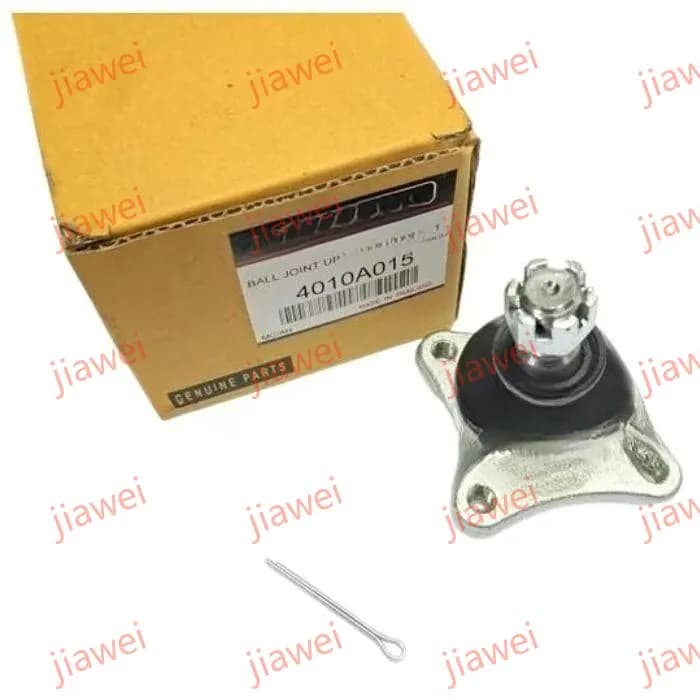
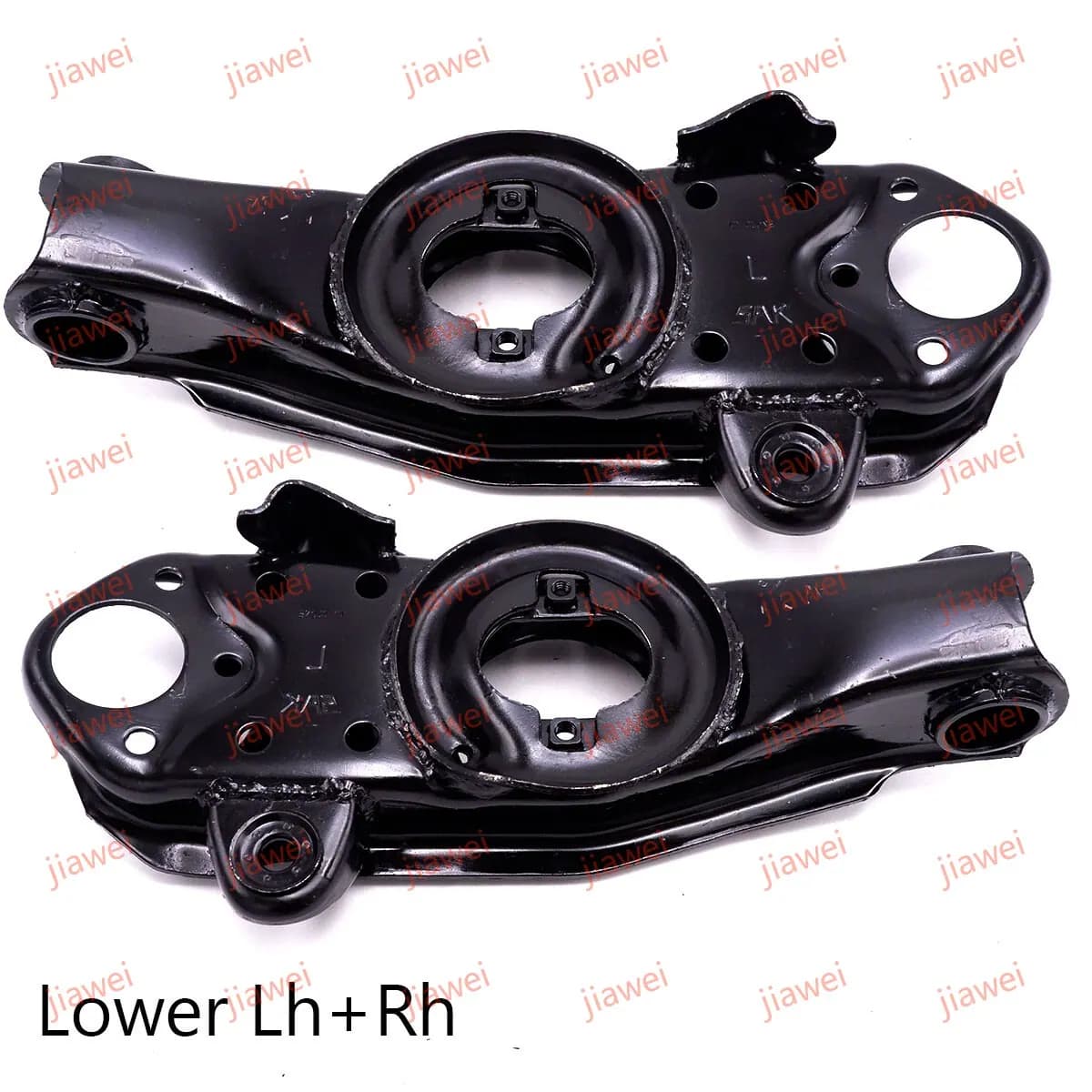
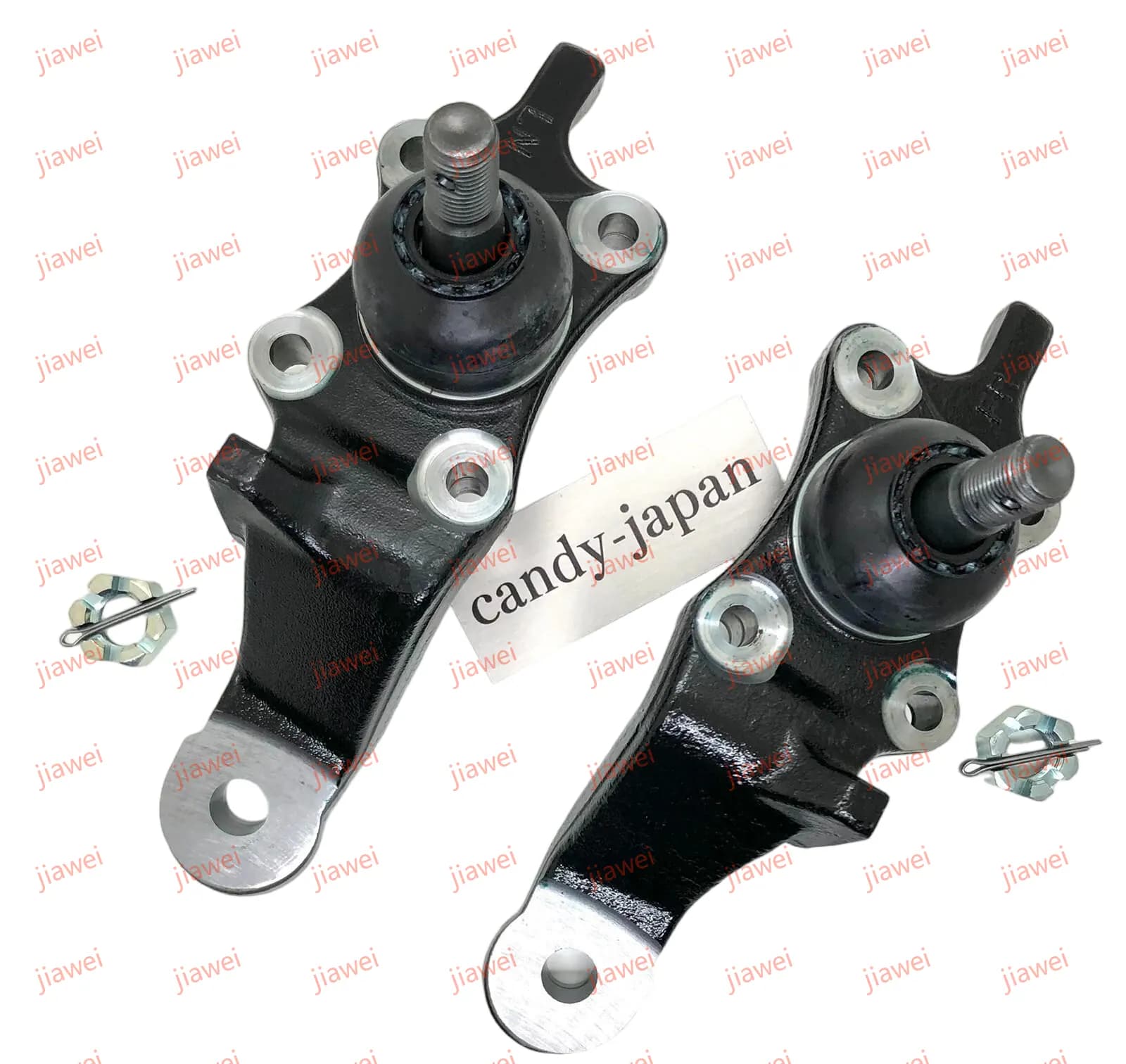
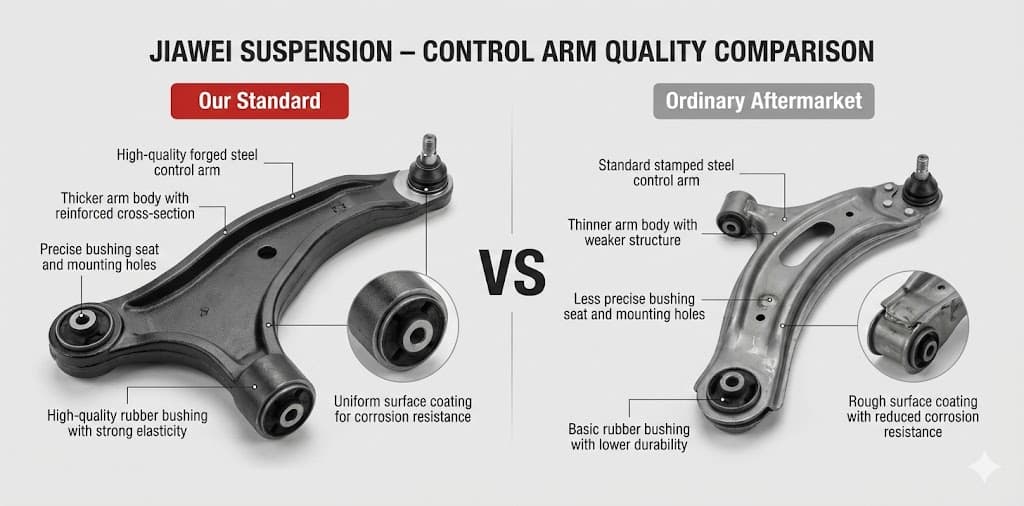
Using quality replacement parts is essential for maintaining your vehicle's performance and safety. Our suspension components are developed for dependable fitment and long service life in demanding conditions.
FAQ
When should a workshop move from diagnosis to RFQ on suspension parts?
Once the part family, model application, and failure point are clear, the workshop can quote by OE number or target replacement set.
Why connect maintenance content with replacement pages?
It shortens the path from diagnosis to RFQ and helps buyers compare the exact parts needed for the repair.