The Hilux is tough — but "tough" doesn't mean maintenance-free. It's reliable because it's built with serviceable components designed to wear out and be replaced, protecting the more expensive systems underneath. Knowing which parts wear first is what separates a Hilux that runs forever from one that ends up stranded on a job site.
This guide covers the 7 components that see the most wear on Toyota Hilux trucks, with practical guidance on symptoms, replacement intervals, OE part numbers, and what to look for when sourcing at scale.
The 7 Wear Components
⏱ 80,000–120,000 km
OE: 48655-0K020 / 48725-0K050
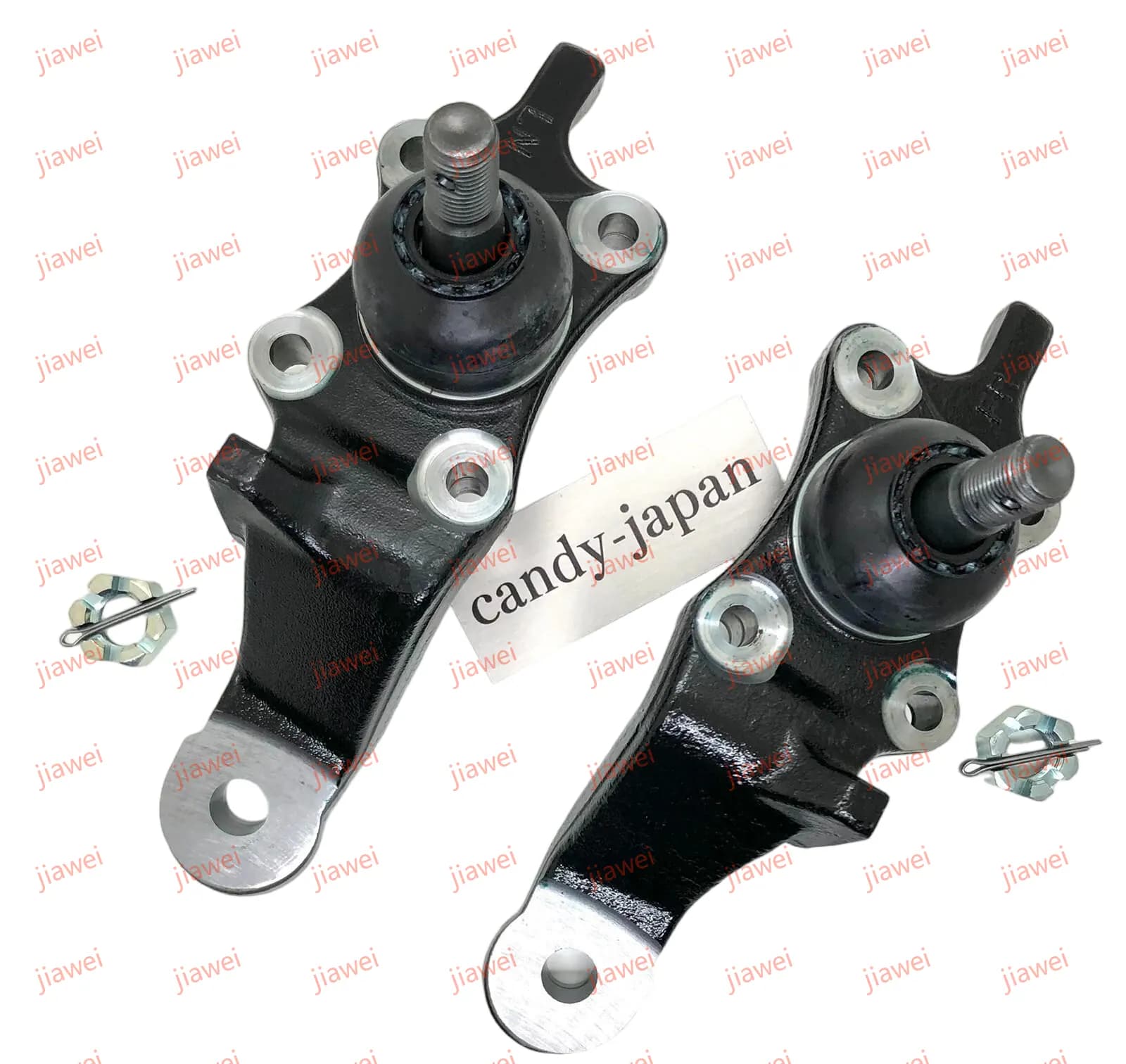
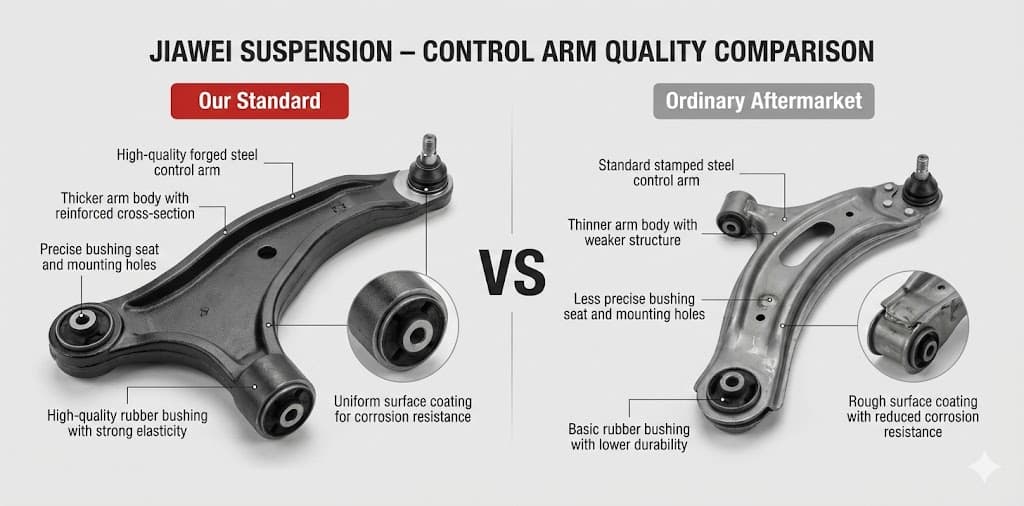
Rubber or polyurethane components that cushion the joints between suspension arms and the chassis. They absorb constant stress from road impacts, heat, UV exposure, and load cycles — degrading over time regardless of how carefully the truck is driven.
Clunking or knocking sounds over bumps
Vague or wandering steering feel
Uneven or accelerated tire wear
Vehicle pulling to one side
Sourcing note: Bushing material matters more than price. OE-spec rubber maintains flexibility across temperature ranges. Cheap bushings harden quickly in hot climates — a real problem across Southeast Asia, the Middle East, and Africa. Polyurethane offers longer life but a firmer ride, which is a worthwhile trade-off for fleet vehicles.
⏱ 60,000–80,000 km
OE: 48510-09W70 / 48530-09W70
Shock absorbers control how the suspension moves. On a Hilux used for load carrying or off-road driving, they work significantly harder than on a passenger car. Internal seals and valving degrade gradually — which is why drivers often don't notice until handling has deteriorated significantly.
Excessive body roll in corners
Nose-diving under braking
Bouncing after bumps (more than 1–2 oscillations)
Reduced stability when loaded
Sourcing note: For standard use, OE-equivalent gas-charged shocks are the right choice. For heavy loads or off-road use, consider heavy-duty units. Always replace in pairs — both fronts or both rears — to maintain balanced handling.
⏱ Inspect at 100,000 km
OE: 16400-0L090 (2.4L) / 16400-0L100 (2.8L)
The Hilux's diesel engines run hot under load in warm climates. The aluminum radiator is subject to corrosion, scale buildup from hard water, and physical damage from road debris. A failing radiator is serious — overheating can cause head gasket failure, which is an expensive repair.
Coolant leaks or consistently low coolant level
Engine running hotter than normal
Rust-colored or oily coolant
White smoke from exhaust
Sourcing note: Full aluminum construction is the standard for replacement radiators. Check that core dimensions match exactly — a slightly undersized radiator will cause overheating under load. Confirm inlet/outlet positions and transmission cooler port match your specific Hilux variant.
⏱ Pads: 30,000–60,000 km
OE: 04465-0K260
Brakes are a consumable. On a Hilux used for load carrying — which is most of them — brake wear accelerates significantly. A truck regularly loaded to GVM will go through brake pads in half the time of an unladen vehicle.
Squealing or grinding noise when braking
Increased stopping distance
Brake pedal vibration (warped rotors)
Vehicle pulling to one side under braking
Sourcing note: For heavy-duty or off-road use, look for pads with higher heat tolerance. Always replace rotors and pads together if the rotors are worn — new pads on worn rotors reduces braking performance and accelerates pad wear.
⏱ As needed / upgrade opportunity
OE: 81150-0K350 / 81110-0K350
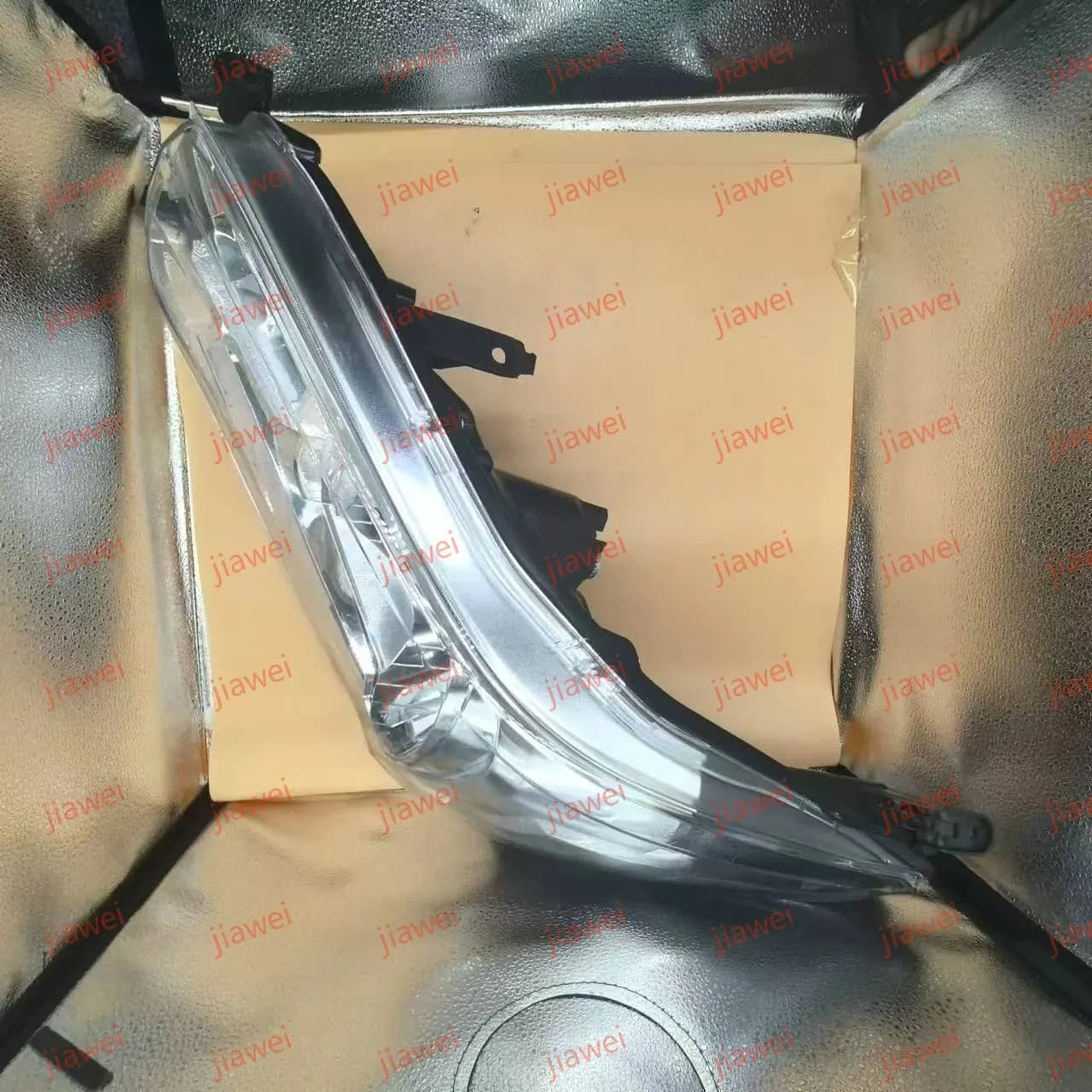
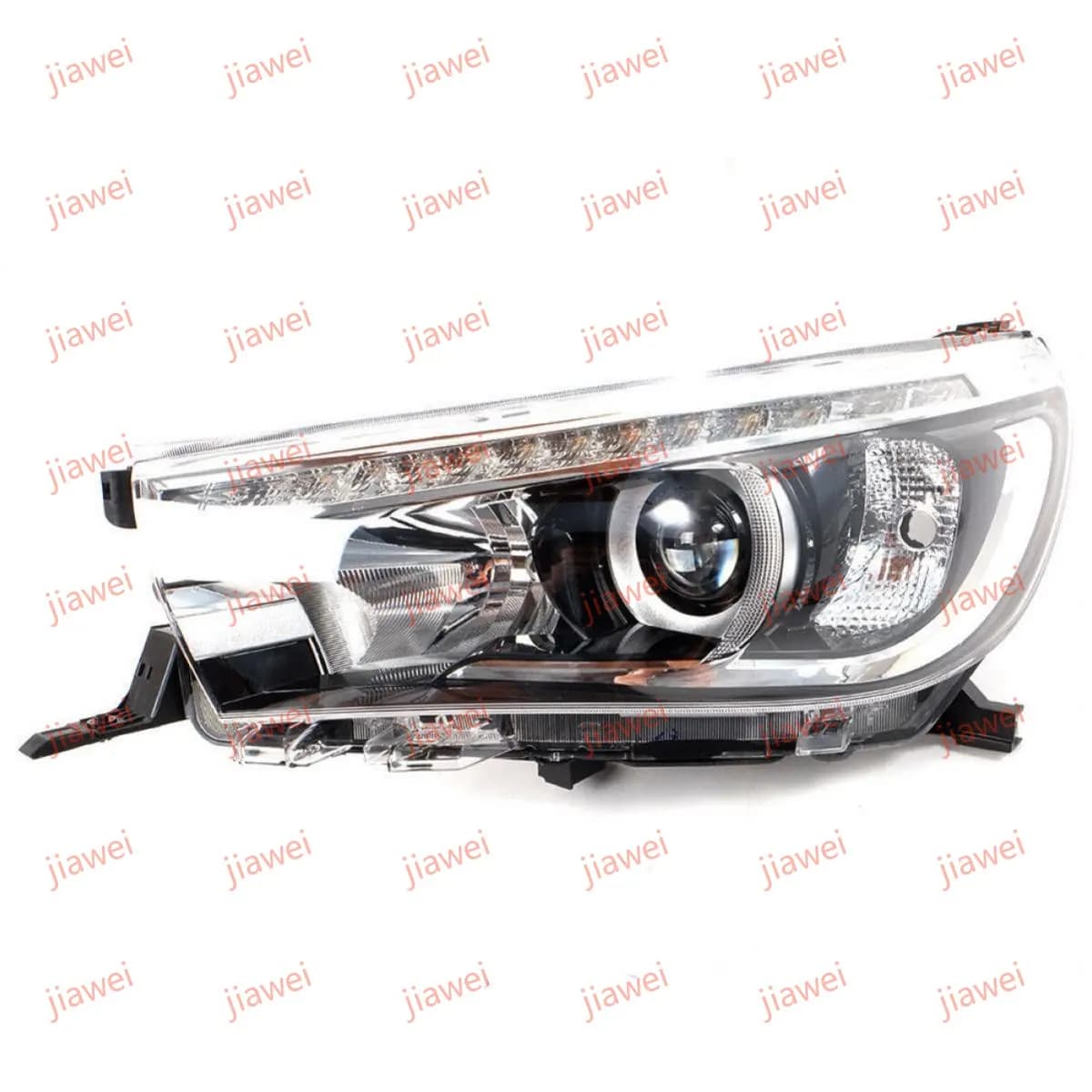
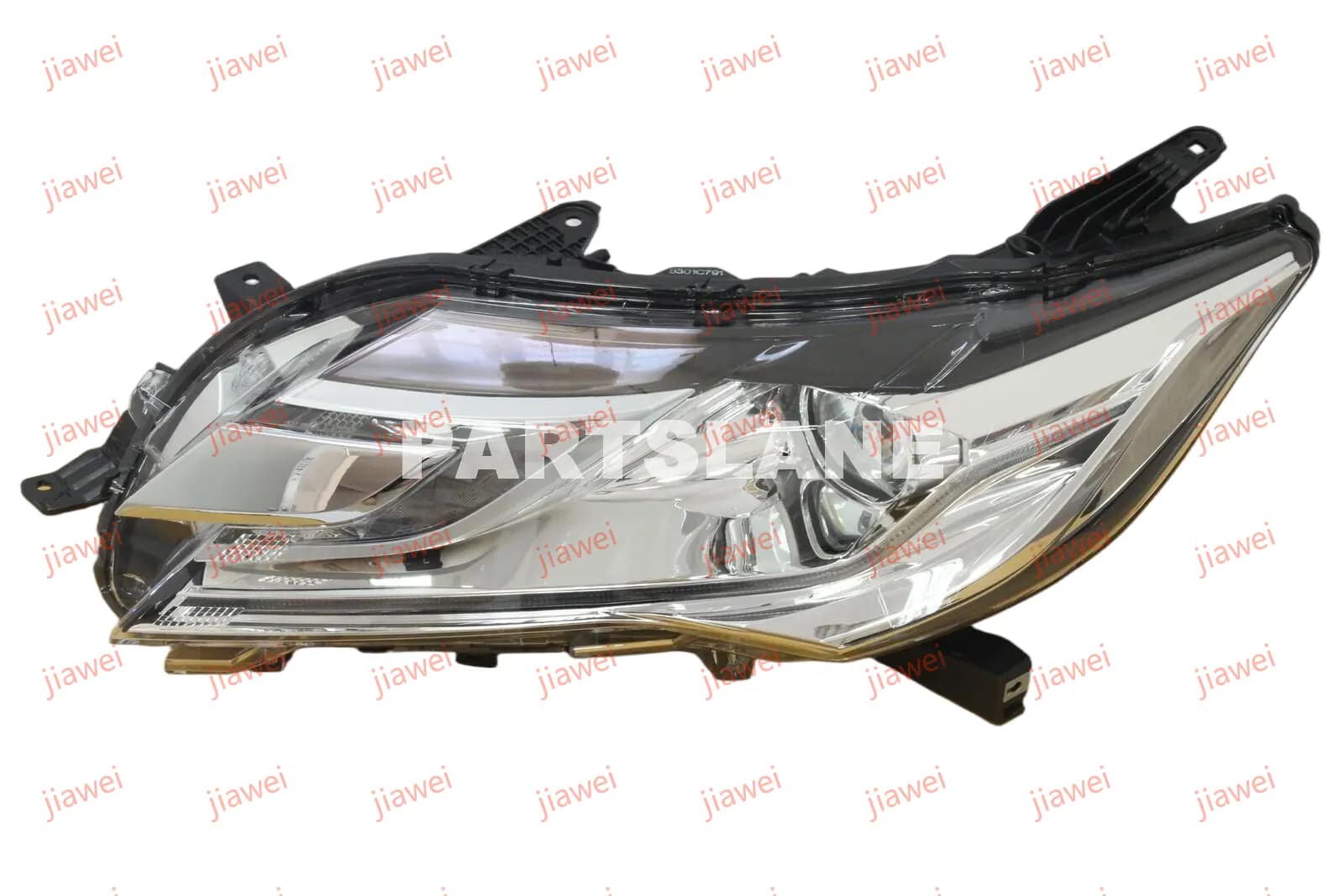
Factory halogen headlights on the Hilux are a common complaint, particularly for owners driving on unlit roads at night. Beyond performance, headlight lenses yellow and crack with UV exposure over time, reducing output and creating a safety issue.
Yellowed or cracked lens housing
Reduced light output at night
Moisture ingress inside the assembly
DRL or turn signal failure
Sourcing note: LED headlight assemblies are a direct upgrade over factory halogen units. Confirm fitment by generation — Vigo, Revo, and Revo facelift all have different headlight configurations. IP67 rating minimum for dust and water resistance.
⏱ As needed
OE: 52119-0K907
Working trucks get damaged. Front bumpers, fenders, and body panels on fleet and work vehicles accumulate dents, rust, and impact damage over time. For distributors, body parts are a consistent, high-volume category — every damaged truck needs them.
Impact damage from collisions or debris
Rust at panel edges and weld points
Paint delamination from UV exposure
Cracked or broken mounting points
Sourcing note: Steel gauge is the critical variable for bumpers. 2mm looks the same as 3mm in photos but performs very differently in an impact. Confirm fitment by year — the Revo facelift (2020+) has a different front fascia than the 2015–2020 model.
⏱ Inspect every major service
OE: 17880-0L040
The rubber hoses connecting the intercooler to the intake system are subject to heat cycling, boost pressure, and oil contamination from the crankcase ventilation system. They crack and soften over time — a failed intercooler hose causes a sudden loss of boost pressure and power.
Visible cracks or softening in hose walls
Sudden loss of power under load
Boost pressure dropping at high RPM
Oil residue around hose connections
Sourcing note: Silicone hose kits offer significantly better heat and pressure resistance than OE rubber. A full silicone intercooler hose kit is worthwhile insurance for any Hilux used in demanding conditions. Specify 4-ply or 6-ply construction.
Parts Reference Summary
| Component |
OE Reference (Revo 2.4L) |
Replacement Interval |
| Front lower arm bushing |
48655-0K020 |
80,000–120,000 km |
| Front shock absorber |
48510-09W70 |
60,000–80,000 km |
| Radiator (2.4L diesel) |
16400-0L090 |
Inspect at 100,000 km |
| Front brake pads |
04465-0K260 |
30,000–60,000 km |
| Headlight assembly (LH) |
81150-0K350 |
As needed / upgrade |
| Front bumper |
52119-0K907 |
As needed |
| Intercooler hose kit |
17880-0L040 |
Inspect every service |
For workshops, fleet operators, and distributors managing multiple Hilux vehicles, sourcing parts in bulk from a verified supplier makes more sense than buying retail. The cost difference is significant, and having stock on hand reduces vehicle downtime.
JIAWEI 4x4 carries a comprehensive range of Toyota Hilux parts — covering Vigo (2005–2015), Revo (2015–2022), and GR Sport variants — with OE numbers verified for every SKU.
Need a Quote on Hilux Parts?
Send us your vehicle year and the parts you need — we'll confirm fitment and get you a price within 24 hours.