How to Prevent 4x4 Cooling Failures in Heavy-Duty Use
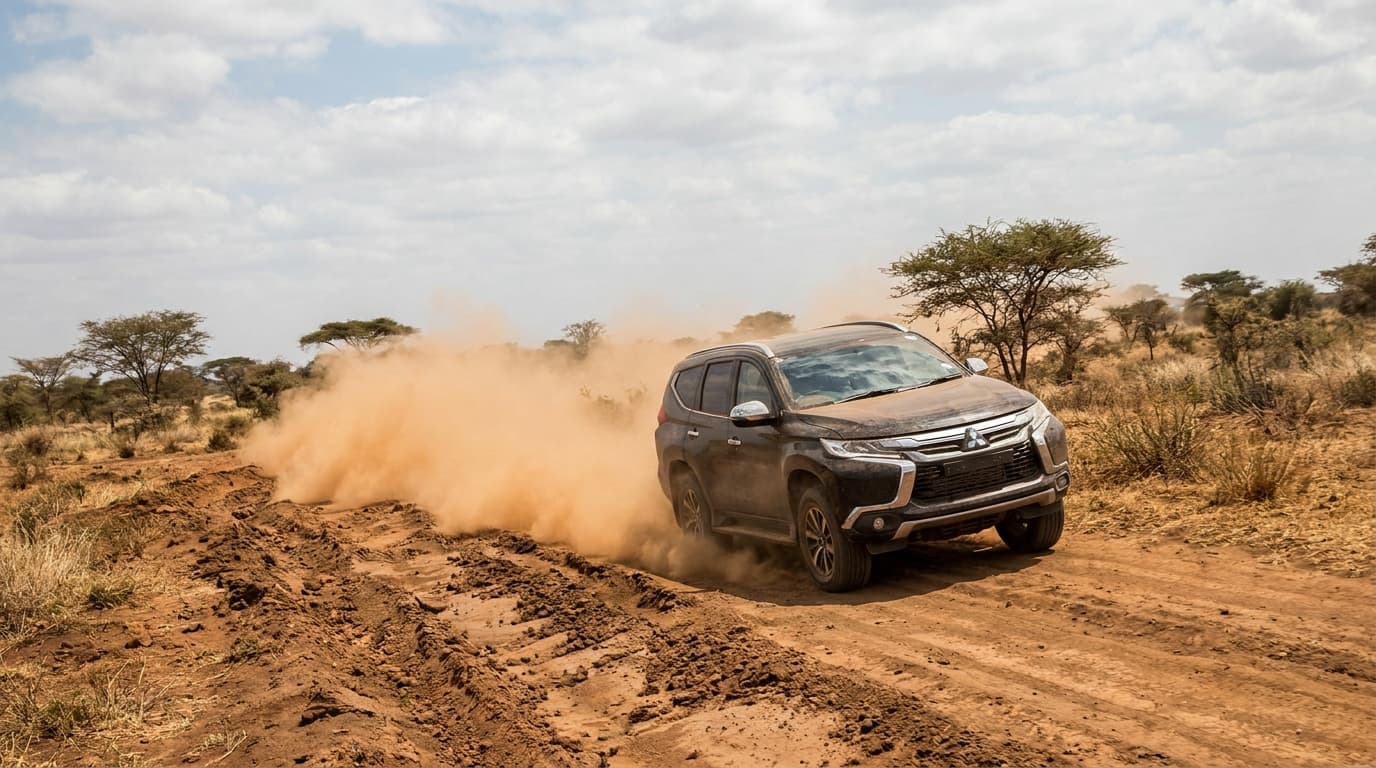
A practical checklist to reduce overheating risk on Mitsubishi and Toyota 4x4 fleets working in heat, dust, and load-heavy conditions.
Direct takeaway
- Cooling-system guides work best when they connect failure prevention with the exact replacement part families buyers need to quote next.
- Radiator, intercooler, fan, and hose RFQs should include model year, engine note when relevant, and export packing expectations.
- For B2B buyers, cooling content becomes more useful when it explains both maintenance risk and replenishment logic.
Why this matters
Overheating is one of the fastest ways to turn a working vehicle into downtime. For fleets and workshops, cooling reliability is not just a technical issue, it is a delivery and cashflow issue.
1) Use the right coolant mix, not only water
Coolant does more than lower freezing point. It also helps heat transfer and corrosion control. If your team repeatedly tops up with plain water, radiator and water-pump life will drop.
- Keep one approved coolant spec per vehicle family.
- Record top-up frequency. Frequent top-up usually means a leak.
- Check coolant color and contamination during routine checks.
2) Inspect hoses, clamps, and fins as a monthly routine
In high-dust or off-road use, blocked fins and weak clamps are common. A simple visual inspection catches many failures before they happen.
- Look for swelling or soft hoses near clamp points.
- Check external fin blockage from mud, dust, and insects.
- Pressure-test suspicious systems before long-distance dispatch.
3) Match parts by OE dimensions, not appearance only
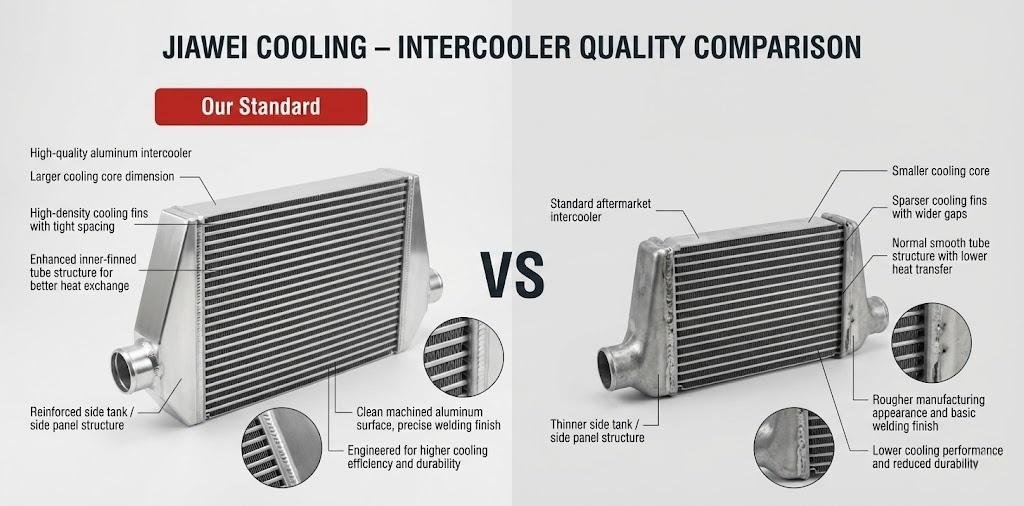
Cooling parts that look similar may still have different core thickness, mounting points, or flow behavior. For B2B buyers, OE-matched dimensions reduce fitment disputes and repeat labor.
Quick fleet checklist
- Daily: coolant level and obvious leaks
- Weekly: hose and clamp visual check
- Monthly: fin cleaning plus cap test plus pressure test if needed
- Quarterly: trend review for recurring failures by model
Sources
Cooling RFQ checklist
| Input | Why the supplier needs it |
|---|---|
| Model year and engine note | Separates similar-looking cooling variants |
| OE number or target assembly | Speeds cross-reference and pricing |
| Urgent repair or replenishment | Changes MOQ, packing, and shipment planning |
FAQ
What details make cooling-system RFQs easier to quote correctly?
Send model year, engine note if relevant, OE number, quantity plan, and whether the order is for urgent repair or stock replenishment.
Why should cooling guides link directly to product pages?
Because cooling failures often become immediate sourcing decisions, so buyers need the shortest path from diagnosis to the matching replacement page.