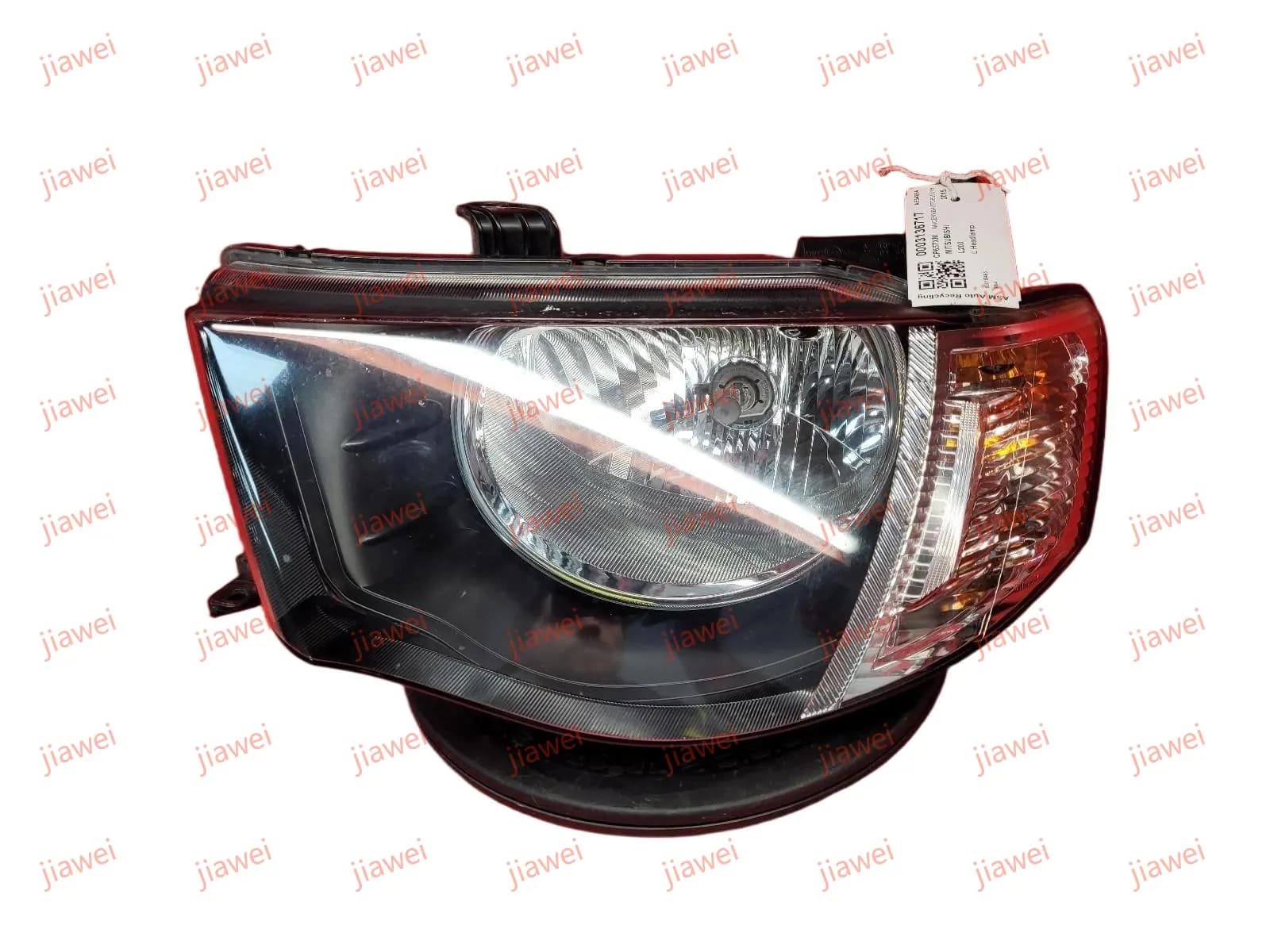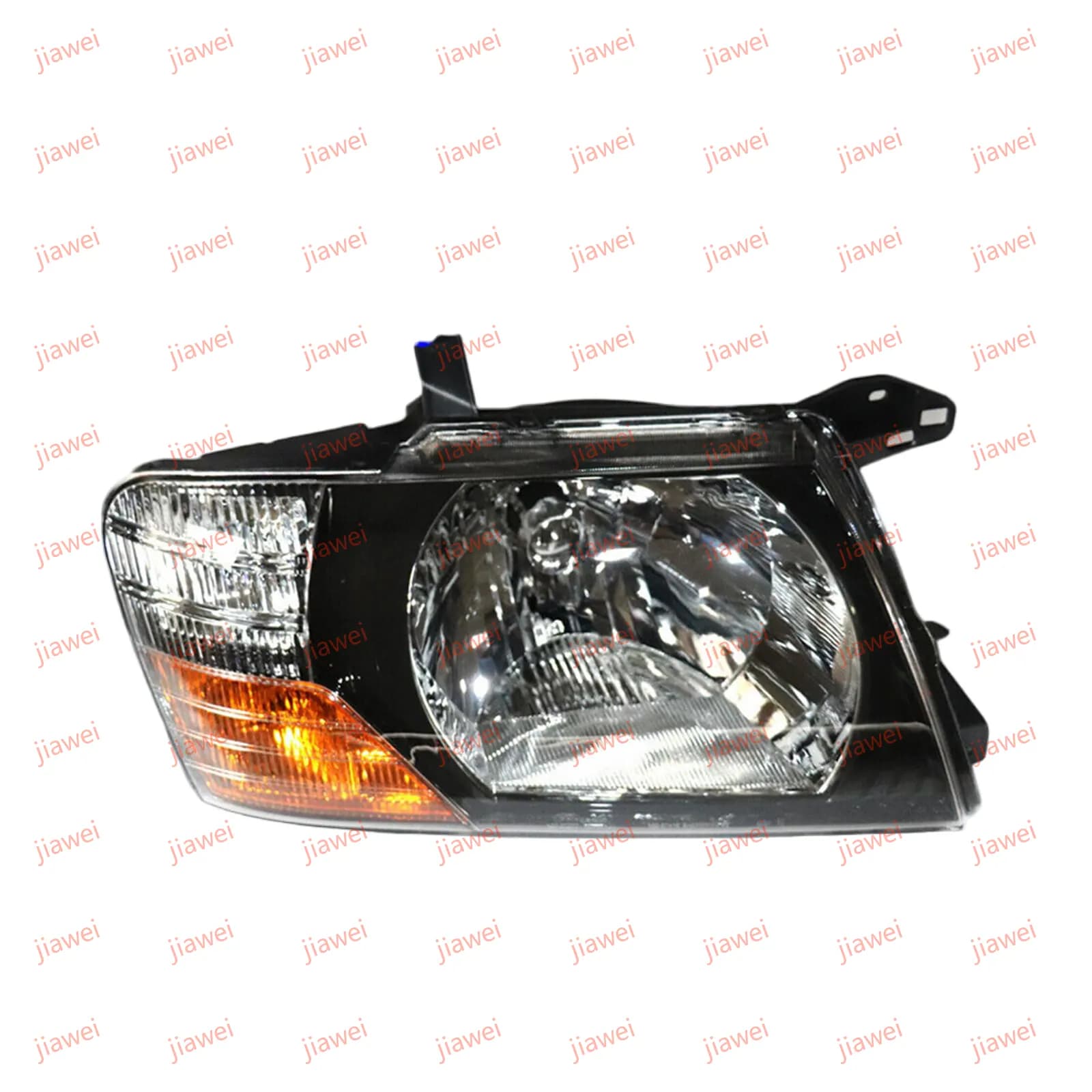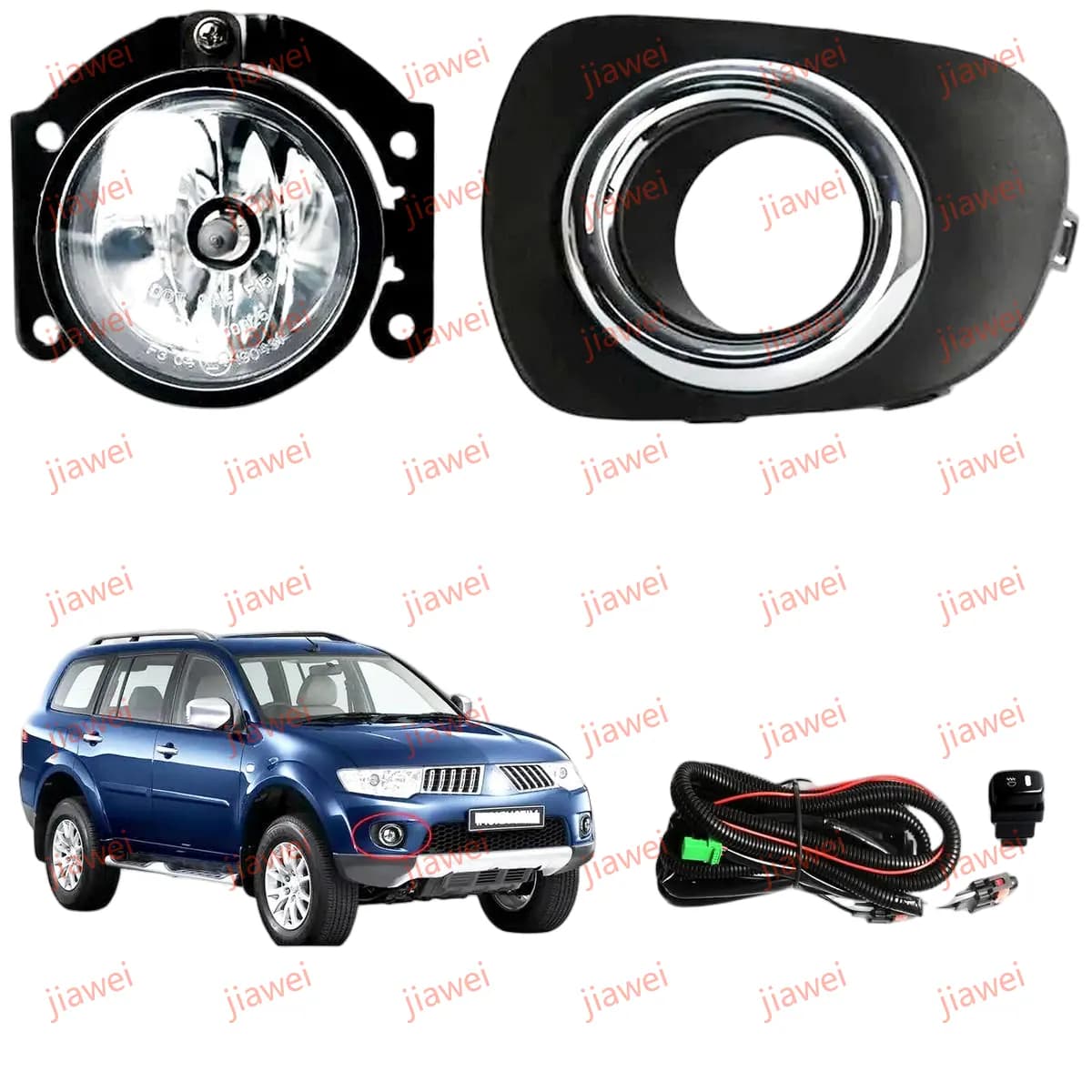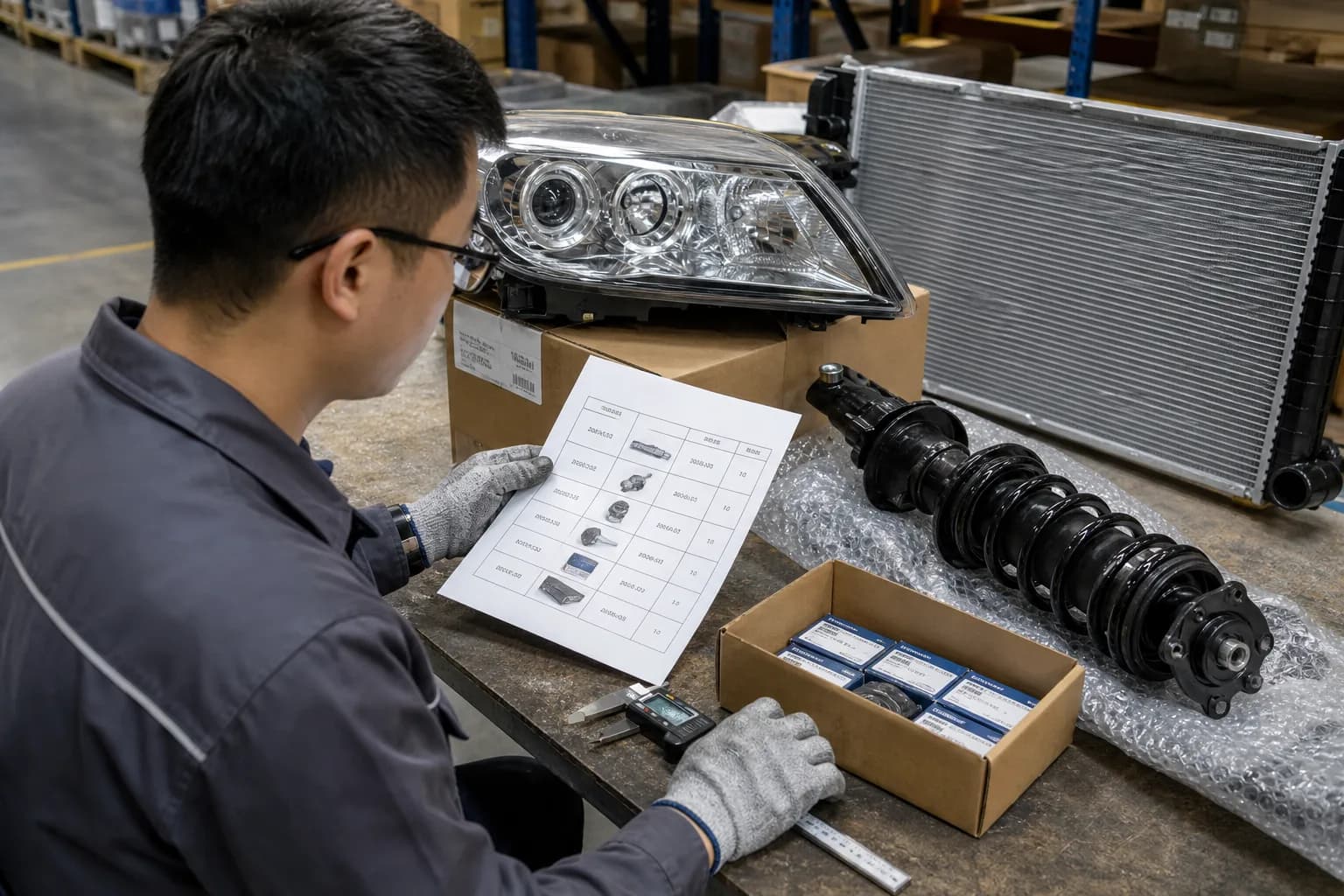
Number review before quoting
The useful first step is matching the part number against model year, side, and line family before any mixed list is priced as one group.
Buyer intent hub
Use OE numbers to source 4x4 aftermarket parts faster, reduce fitment mistakes, and build cleaner RFQs with JIAWEI 4x4.
Created for importers and workshops that already have OE references and want a cleaner supplier conversation.
Quick overview
Use this page when you already have OE references and want a faster path from cross-checking to a supplier-ready RFQ.
Shortlists parts with OE references before comparing price and lead time.
Uses model, year, market, and side information to validate cross references.
Ideal for buyers building RFQs around real workshop demand instead of broad browsing.
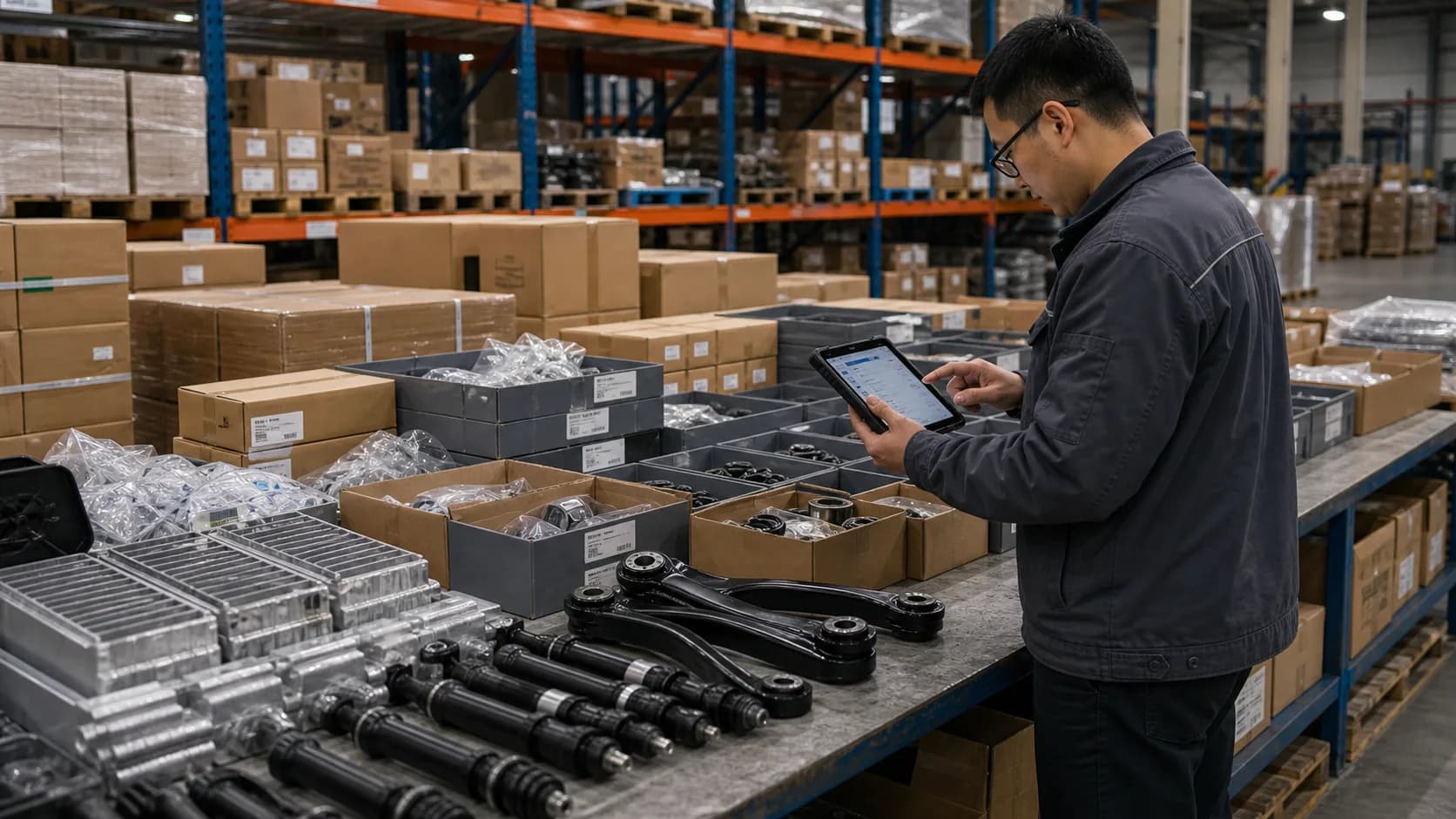
Built for buyers who start with part numbers and need a faster path to a usable mixed-order quote.
Best use
Cross-checking lists, reducing ambiguity, preparing mixed RFQs
Typical lines
Lighting, cooling, suspension, front-end body
Required inputs
OE, model year, side, market note, quantity
Buyer notes
When a buyer starts with part numbers, most of the preventable confusion disappears early. Model-name-only RFQs are where wrong-side parts, mixed generations, and vague front-end requests usually begin. A numbered list gives the supplier something concrete to cross-check before price, packing, and lead time are discussed.
This page is for buyers who already have workshop lists and want a cleaner path to quotation. Use it to group references by system, add model-year and market notes, and build a mixed-order RFQ that is easier to quote and easier to ship without fitment claims.
Related guides
Proof assets
Reference-first buying works best when the supplier can show cross-check discipline, QC proof, and a clear grouping logic for mixed references.
The useful first step is matching the part number against model year, side, and line family before any mixed list is priced as one group.
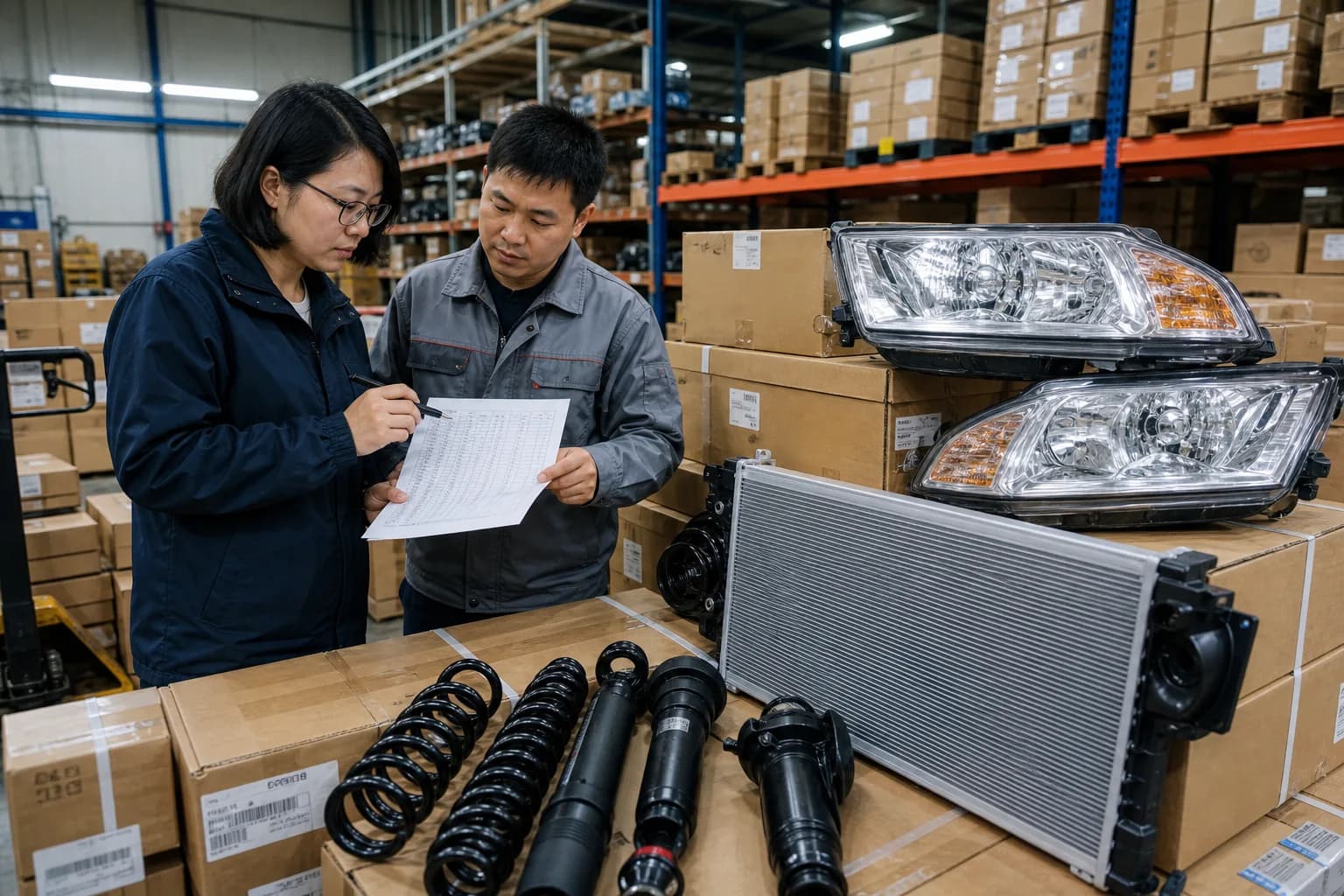
Buyers usually want proof that lighting, cooling, and suspension references are not being flattened into one generic assumption during checking.
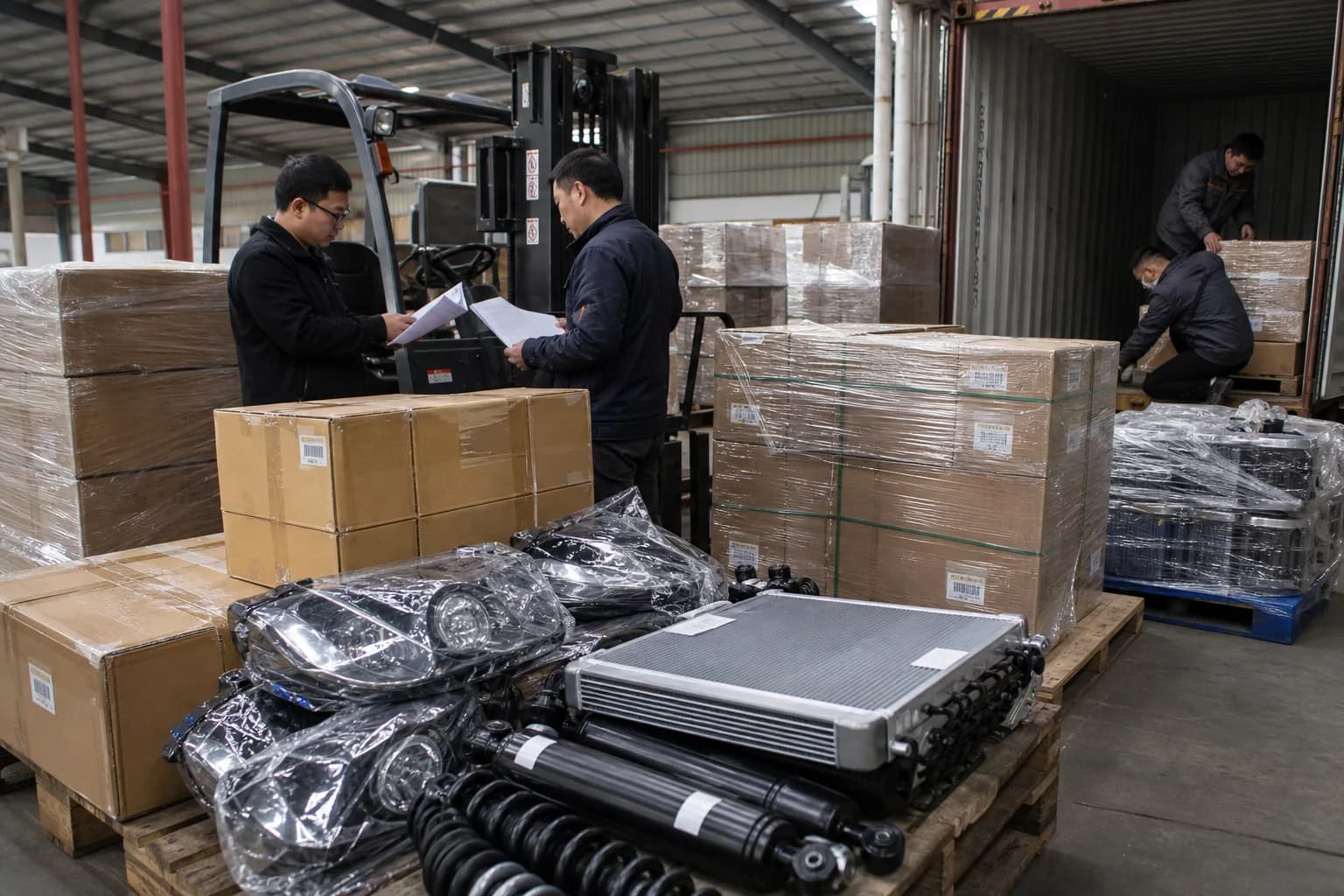
Once the references are clean, the order still has to be grouped by risk, fragility, and carton profile before freight assumptions become useful.
Planning table
These are not prices for individual part numbers. They are order-pattern bands buyers usually use while preparing a cross-checked mixed RFQ.
| Order pattern | Typical band | Planning note |
|---|---|---|
| Short pilot list | USD 800-2,500 | Useful for validating 5-12 OE references before scaling. |
| Mixed workshop replenishment | USD 2,000-6,000 | Works best when grouped by system and side-sensitive risk. |
| Distributor trial order | USD 3,500-9,000 | Usually combines lighting, cooling, and front-end lines. |
| Repeat replenishment cycle | USD 6,000+ | Label discipline and route stability matter more than single-line price. |
Lead-time planning
Cross-checking improves quote quality, but timing still depends on SKU mix, packing, and route choice.
| Scenario | Air sample | Sea replenishment |
|---|---|---|
| Short validated pilot | 4-7 days | 18-28 days |
| Mixed RFQ after cross-check | 5-8 days | 22-34 days |
| Repeat workshop program | 4-6 days | 16-28 days |
| Dense distributor replenishment | 6-9 days | 24-38 days |
Workflow
Start by grouping references by system, model year, and side sensitivity instead of sending one flat list.
Add market notes, quantity intent, and any fitment signals that are not visible from the number alone.
Fragile lighting parts, dense maintenance SKUs, and bulky body lines should not share one flat packing assumption.
Once the references are clean and grouped, the supplier can quote with fewer revisions and clearer shipment logic.
Buyer cases
The buyer had valid part numbers but sent them as one long sheet. The quote improved only after the list was regrouped into lighting, cooling, and suspension lines.
The pilot list contained only ten references, but side and market notes were missing. Once those were added, the buyer avoided two potential fitment mistakes before quoting.
The first order was fine, but the repeat cycle needed cleaner grouping and carton planning. The supplier response became more stable once the list was organized by shipping profile.
Featured OE links
Priority systems
OE-number sourcing eliminates the ambiguity in 4x4 parts procurement by providing a single verifiable reference that confirms part identity, fitment application, and compatibility with specific vehicle generations — removing the interpretation errors that occur when parts are ordered by description, photograph, or local market name alone. At JIAWEI, OE-based quoting reduces the average fitment dispute rate by confirming that the aftermarket replacement matches the original equipment specification before the order is placed, rather than after the part arrives at the buyer's warehouse. Buyers who transition to OE-number RFQs consistently report fewer returns, faster reorder cycles, and more accurate stock planning across mixed model programs.
A complete OE-number RFQ to JIAWEI should include OE number, application model and year, quantity plan per line item, and destination market — these four elements allow JIAWEI to cross-reference fitment, check stock availability, and return itemized pricing within 24 hours without a clarification round-trip. For parts with side-specific fitment — such as headlights, control arms, and shock absorbers — including left or right side in the RFQ prevents the most common single source of quoting errors on mixed model orders. Buyers who submit structured OE RFQs with all five inputs consistently receive accurate first-round quotes and spend less total time per order cycle than those submitting generic part requests.