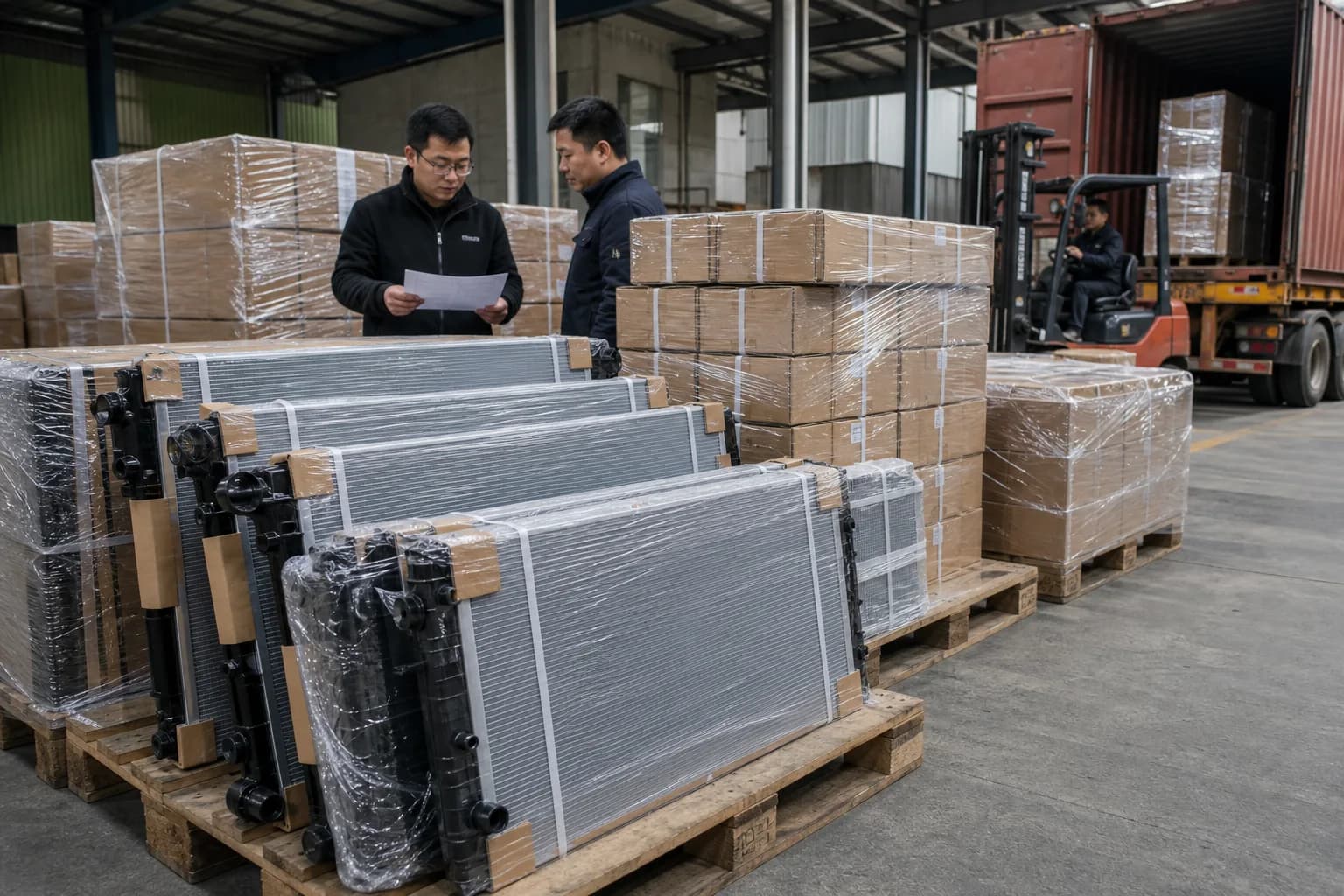
Application and side review
The useful first step is confirming application and side risk before a suspension list is priced as one flat order.
System hub
Source control arms, shocks, bushings, links, and other 4x4 suspension parts with OE cross-checks, side control, and export planning for mixed orders.
A focused supplier page for buyers who need repeat suspension demand handled cleanly instead of broad generic catalog browsing.
Quick overview
Use this hub when your RFQ depends on side-sensitive suspension parts, 2WD or 4WD distinction, and a cleaner route from OE checking to heavy-carton shipment planning.
Useful for control arms, shocks, links, bushings, and steering-adjacent suspension demand.
Pairs OE checking with side control, drivetrain notes, and heavy-carton planning.
Built for importers, workshop chains, and distributors screening repeat-buying stability.
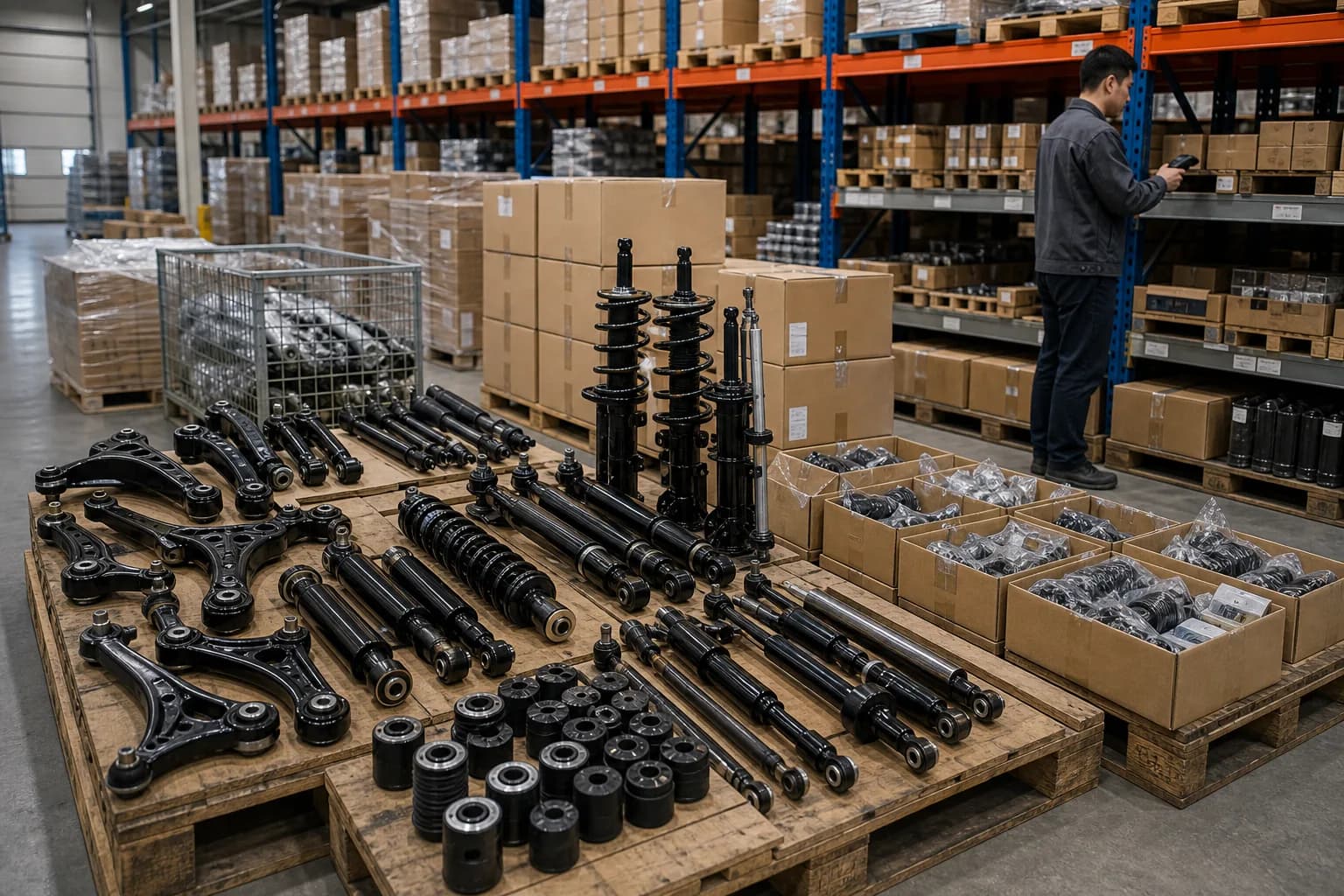
Built for buyers checking side-sensitive suspension parts before they scale the replenishment order.
Core demand
Control arms, shocks, bushings, links, steering-adjacent parts
Risk points
LH/RH, 2WD or 4WD, weight mix, rubber and metal packing
RFQ inputs
OE, exact application, side detail, drivetrain, quantity plan
Suspension notes
Suspension demand usually repeats well, but it also creates easy mistakes when OE, side, and drivetrain notes are incomplete. Control arms, links, shocks, and bushings may look interchangeable in a flat spreadsheet even when they are not interchangeable in the workshop.
The cleaner route is to separate 2WD from 4WD, lock left-right detail early, and keep heavy metal parts away from rubber-heavy or smaller add-on cartons when the shipment plan is drafted. That reduces avoidable quote revisions and makes repeat replenishment much easier to manage.
Related guides
Proof assets
Suspension RFQs move faster when the supplier can show side control, QC evidence, and a realistic carton plan for heavy mixed orders.
The useful first step is confirming application and side risk before a suspension list is priced as one flat order.
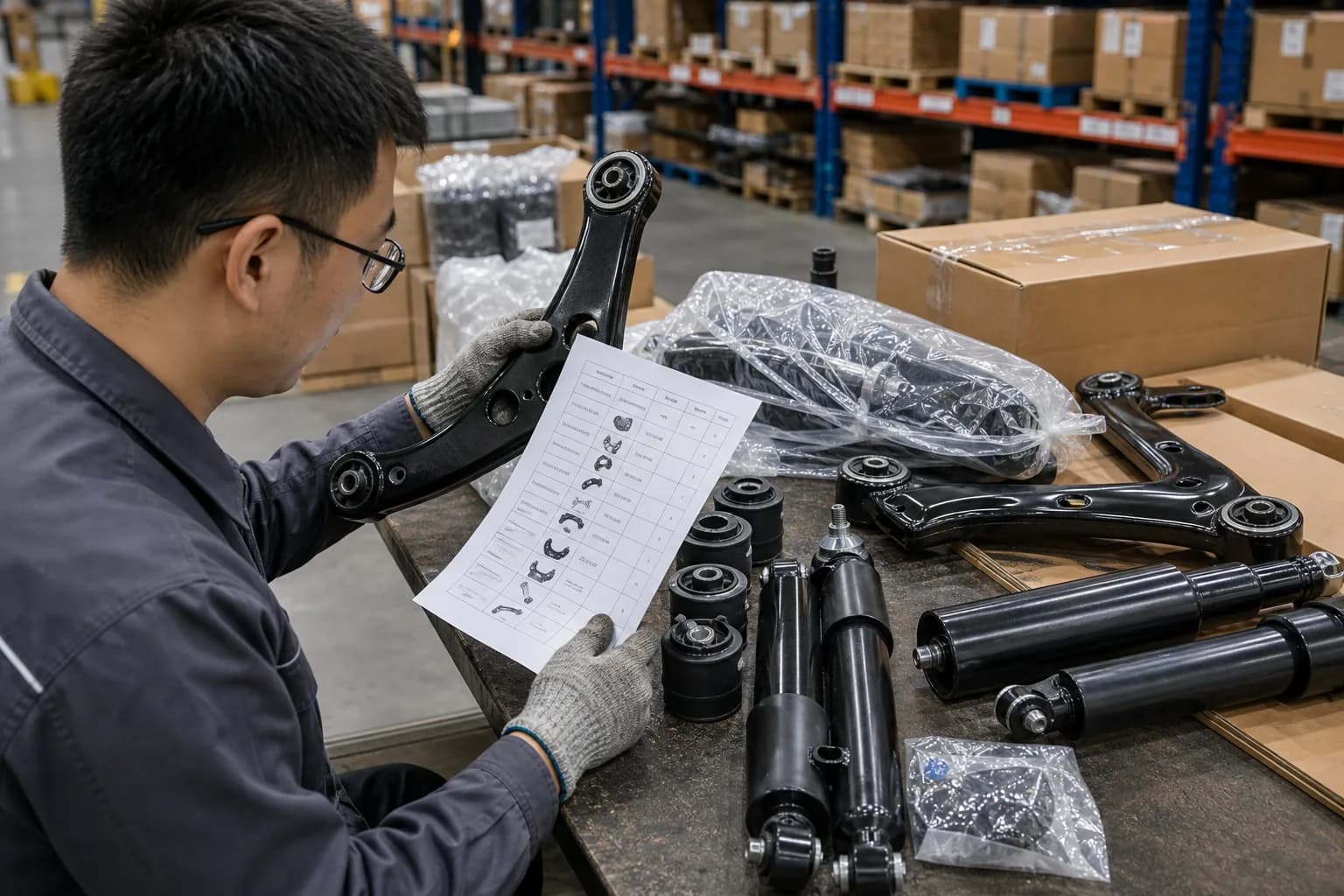
Buyers usually want QC evidence on weld finish, bushing condition, and label discipline before the replenishment line is approved.
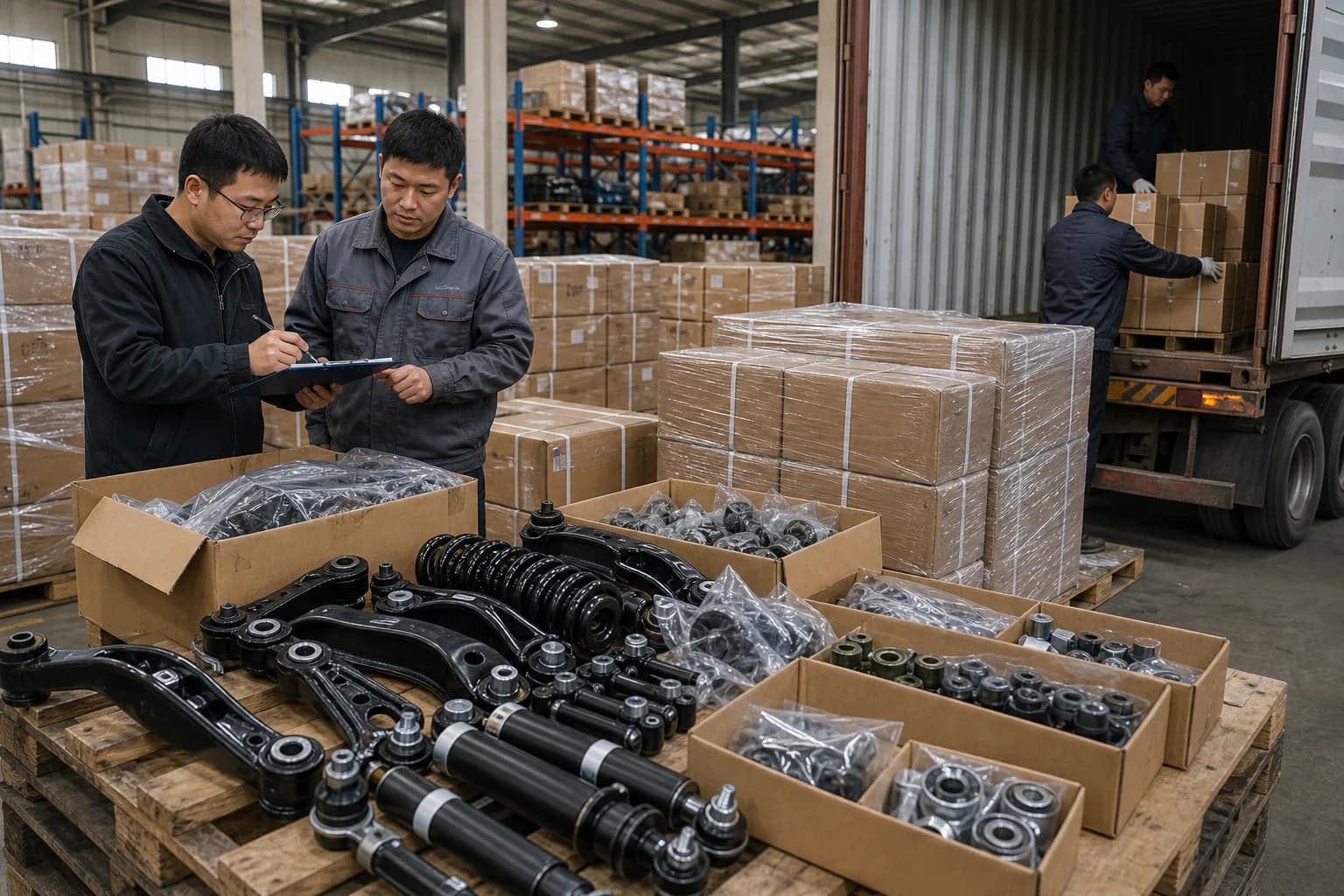
Heavy arms, shocks, and smaller rubber parts should not share one flat packing assumption if the shipment is meant to stay stable.
Suspension planning
These are planning bands for mixed suspension RFQs, not public list prices.
| Suspension family | Typical range | Planning note |
|---|---|---|
| Control arms and ball joints | USD 9-52 / pc | Lock side detail and application first. |
| Shocks and struts | USD 18-88 / pc | Carton weight changes pallet logic quickly. |
| Bushings and stabilizer links | USD 3-22 / pc | Works best as grouped repeat-demand lines. |
| Mixed steering-adjacent parts | USD 7-36 / pc | Do not mix 2WD and 4WD in one flat row. |
Shipment planning
Suspension timing depends on carton weight, mixed-part density, and whether the order is a pilot run or a repeat replenishment cycle.
| Scenario | Air sample | Sea replenishment |
|---|---|---|
| Pilot control-arm order | 4-7 days | 18-28 days |
| Mixed links and bushings RFQ | 4-6 days | 16-26 days |
| Shock-heavy replenishment | 5-8 days | 22-34 days |
| Mixed suspension cartons | 6-9 days | 24-36 days |
Workflow
Suspension RFQs should begin with OE, exact application, and whether the line belongs to 2WD or 4WD fitment.
Confirm left-right risk early on arms, links, and other steering-adjacent parts before the quote is flattened.
Keep heavy arms and shocks separate from smaller rubber or metal add-ons when the carton plan is built.
Before shipment, verify bushing condition, label control, carton weight, and pallet stability for the final mix.
Buyer cases
The RFQ looked simple until left-right detail was added. The quote cleaned up only after the list was regrouped by side-sensitive risk.
The buyer wanted a mixed trial order, but the useful change was separating heavy shock cartons from smaller add-on parts before freight planning.
The first pilot shipment passed, but the follow-up order depended on repeatable labeling and stable pallet logic before volume increased.
Featured OE links
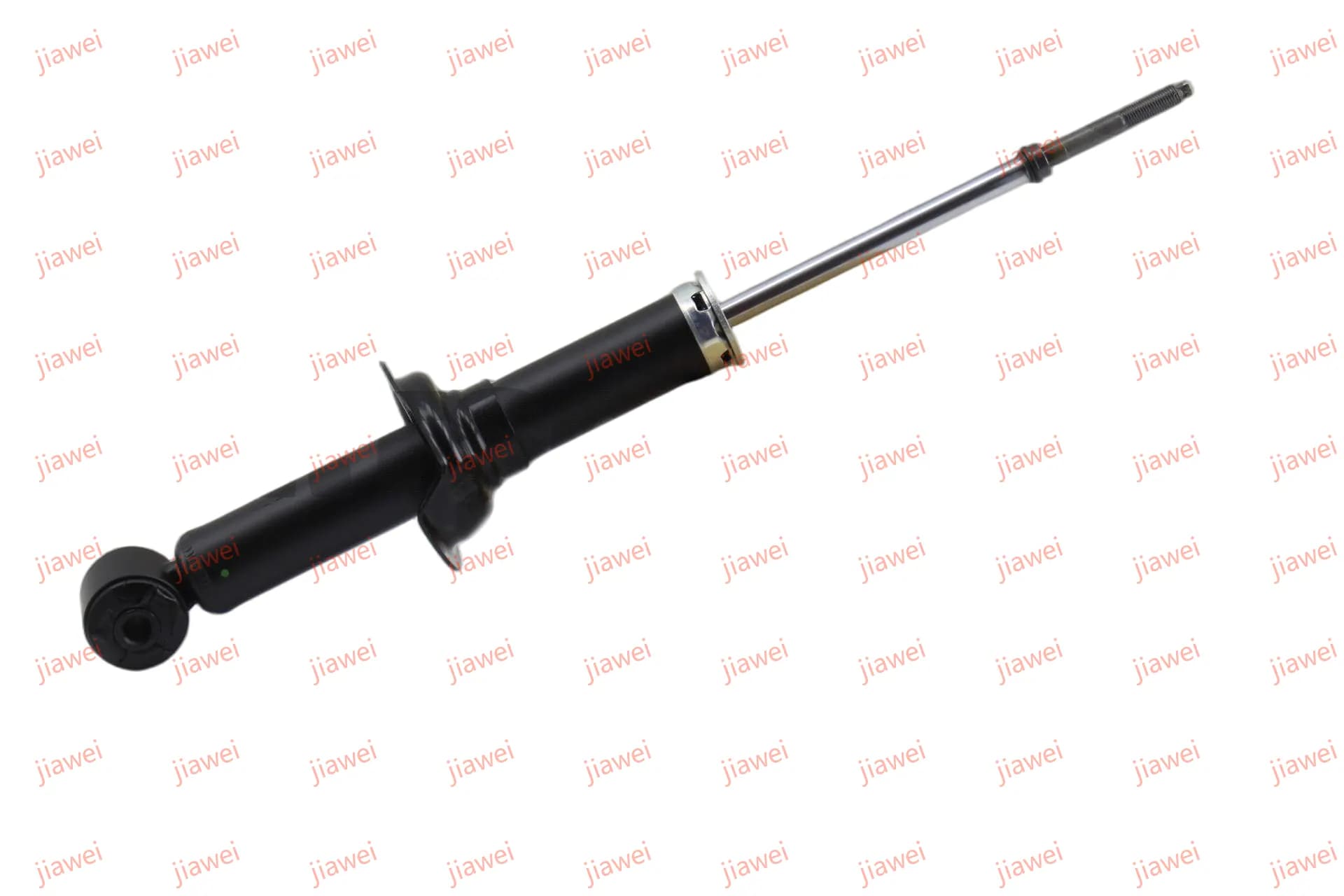
Mitsubishi L200 2015+ 路 Mitsubishi L200
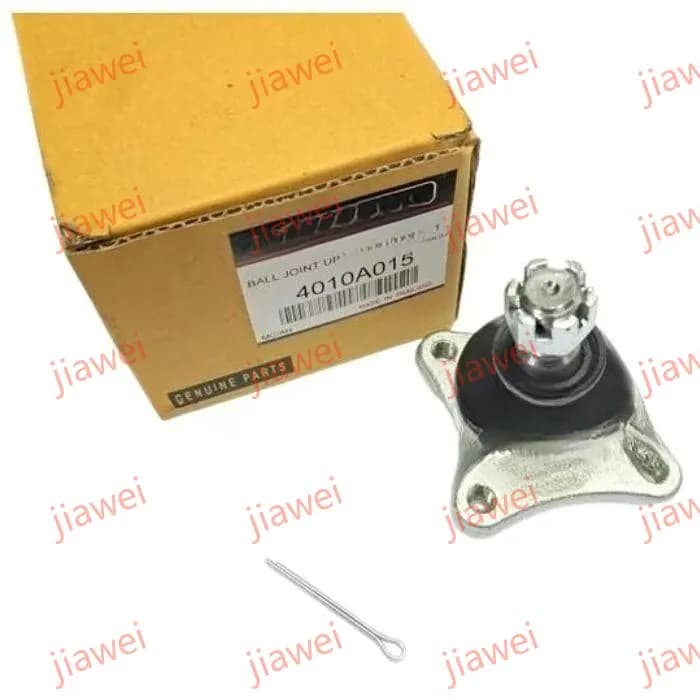
Mitsubishi L200
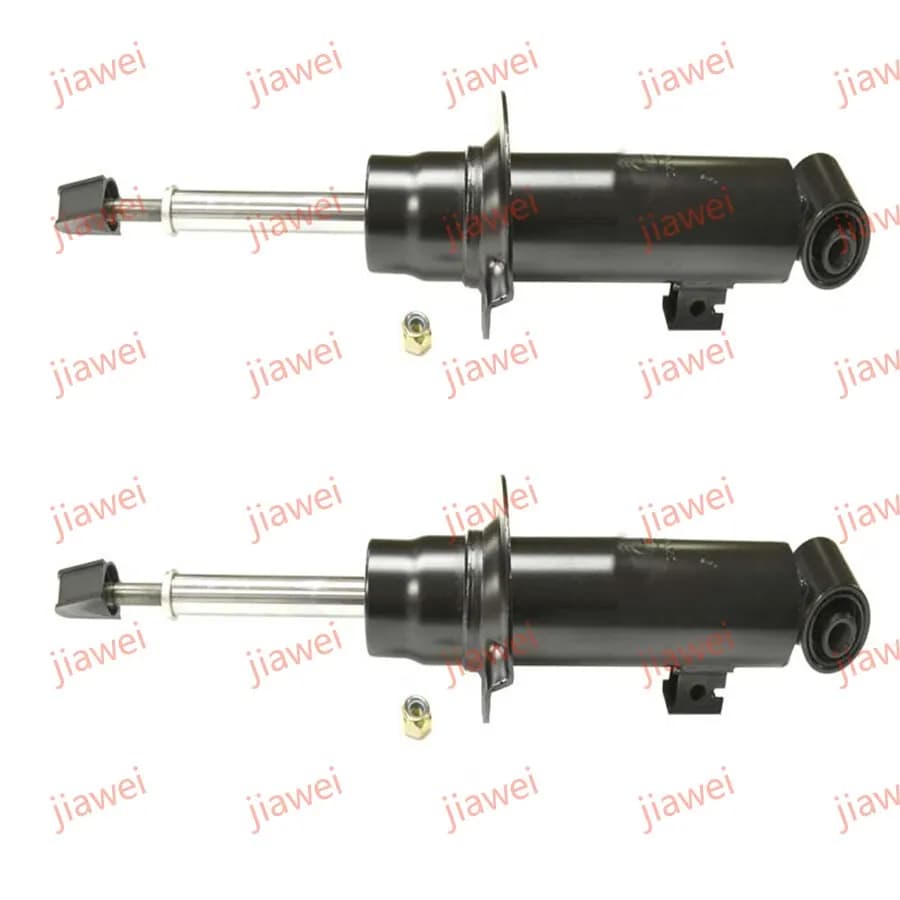
Mitsubishi L200 2015+ 路 Mitsubishi L200
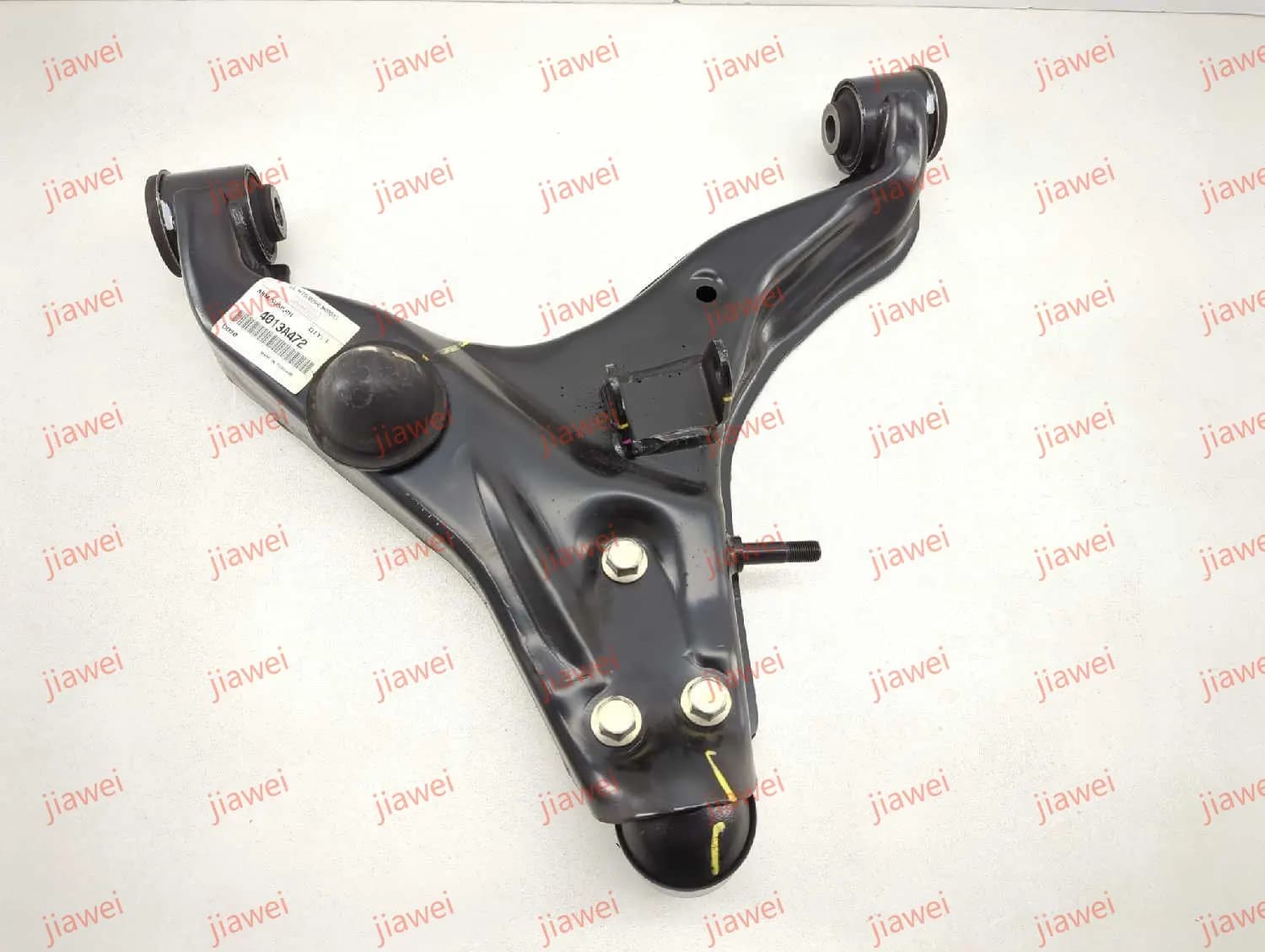
Mitsubishi Pajero Sport
Priority systems
Accurate 4x4 suspension quoting at JIAWEI depends on four inputs: OE number, exact application (including model year and variant), left or right side specification for asymmetric parts such as control arms and shock absorbers, and 2WD or 4WD drivetrain confirmation where fitment differs between drivetrains. Suspension is the most technically specific category in the 4x4 aftermarket — the same model year L200 or Hilux can have different upper control arm geometry depending on 2WD versus 4WD configuration, and missing this detail is the most common cause of suspension return events. Providing all four inputs at the RFQ stage allows JIAWEI to return accurate, fitment-confirmed pricing within 24 hours.
Yes — JIAWEI supports mixed 4x4 suspension orders combining control arms, shock absorbers, ball joints, and leaf spring components in a single export shipment, with carton weight and packing stability reviewed before the order is confirmed. Heavy suspension cartons — particularly leaf spring sets and shock absorber pairs — are packed and palletized separately from smaller components to reduce the risk of freight damage during container transit; each carton is labeled by OE reference and side specification for accurate stock allocation at destination. Mixed suspension orders are a common format for distributors serving multiple 4x4 workshop clients from a single import shipment.