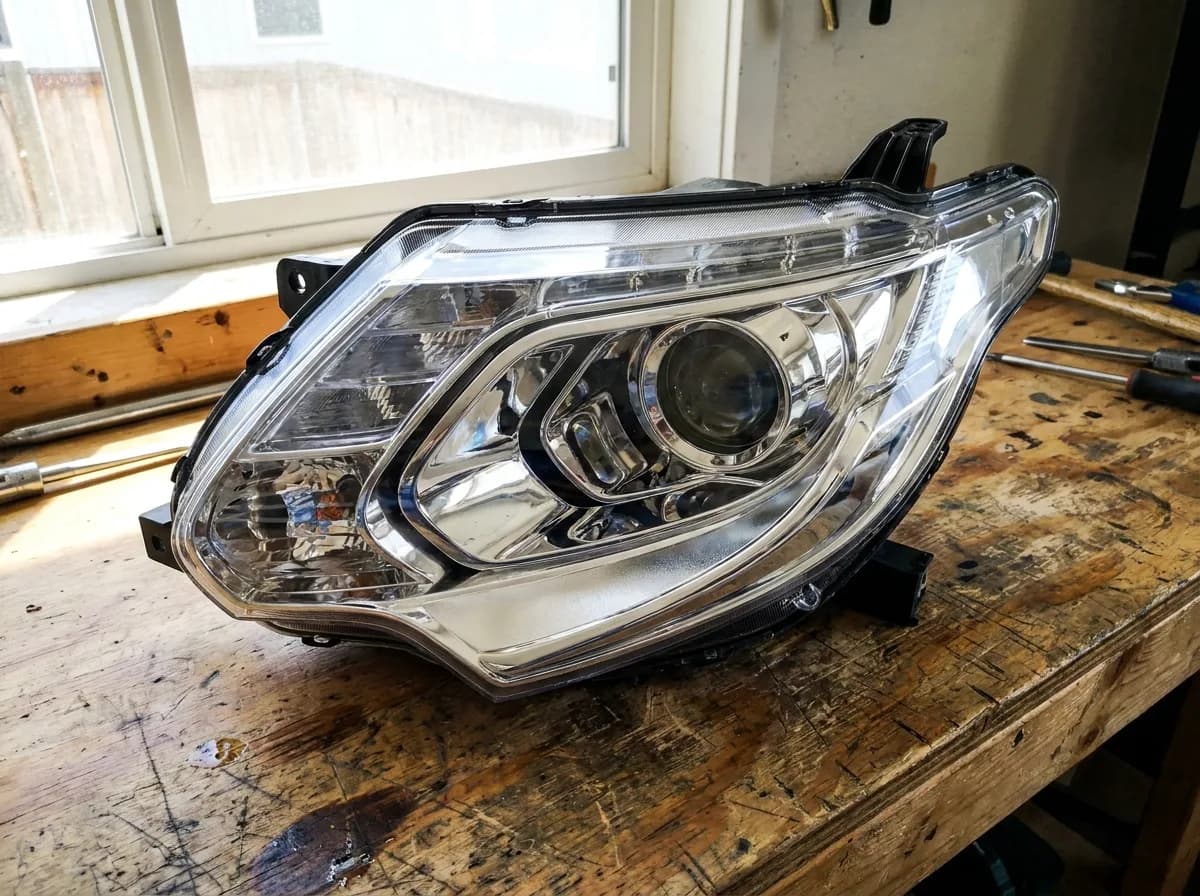
Front-end visual confirmation
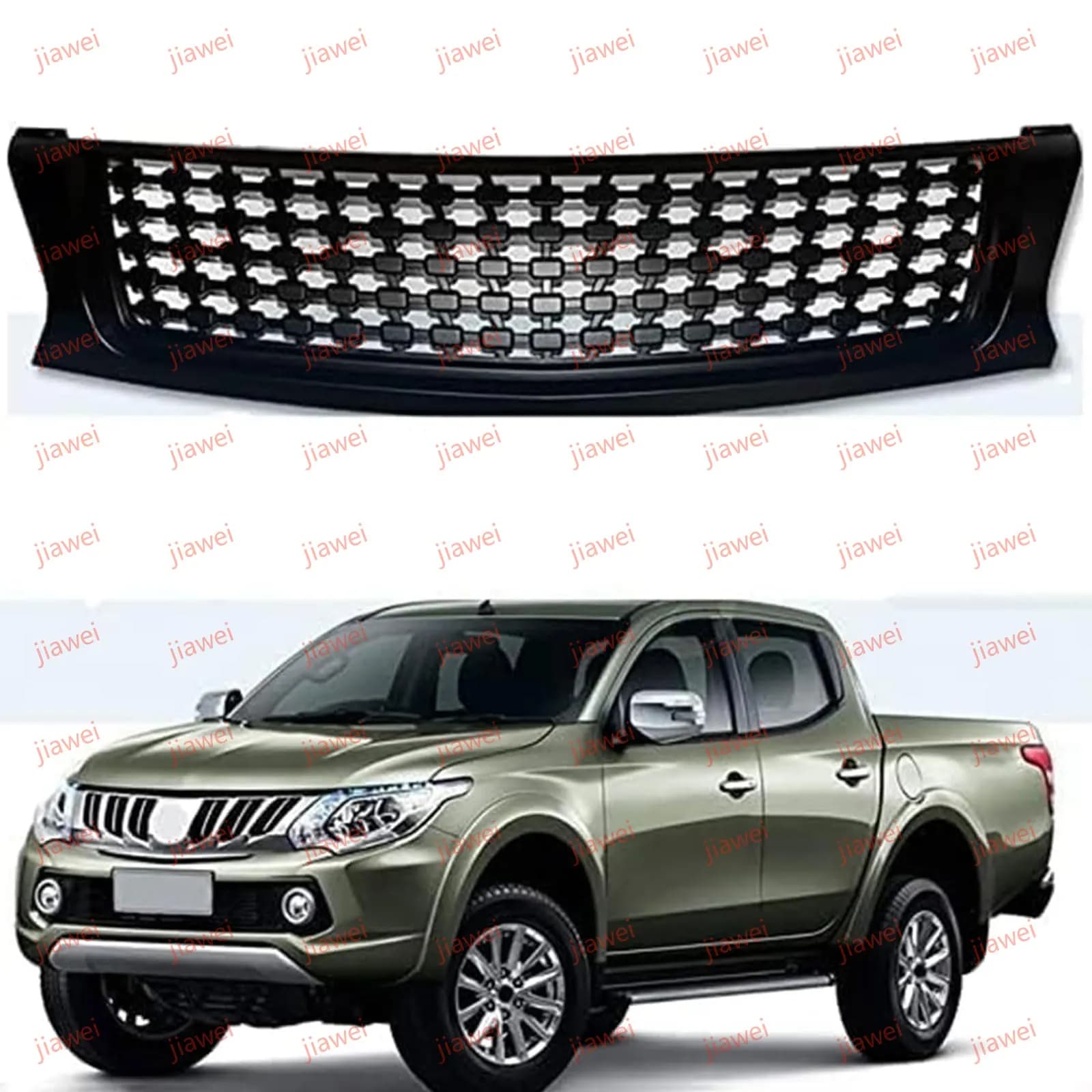
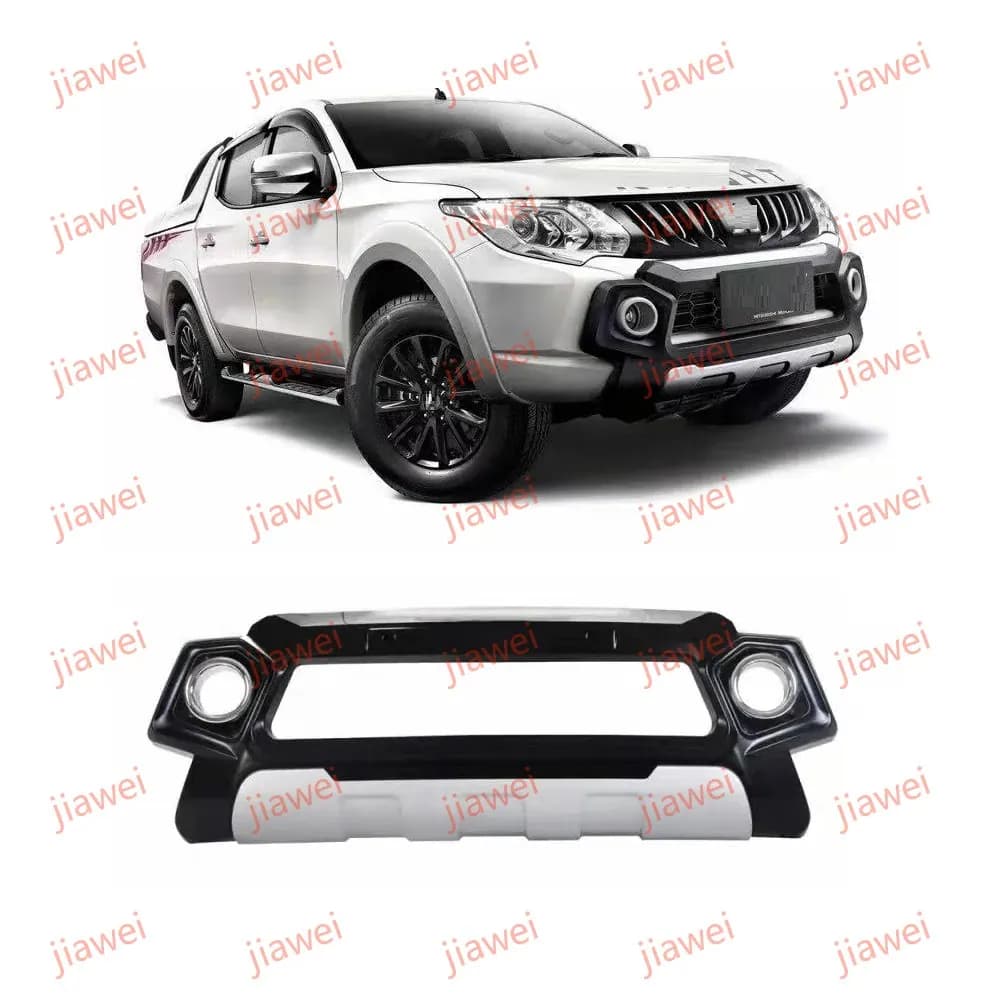
For L200 and Triton collision parts, buyers usually want a clean visual check on lens shape, grille lines, bumper edges, and left-right orientation before price comparison means anything.
Buyer guide
Source Mitsubishi L200 and Triton aftermarket parts with OE matching, fitment checks, and export-ready packing from JIAWEI 4x4.
Built for buyers who need repeatable L200 fitment, not generic catalog traffic.
Quick overview
This hub helps buyers quote L200 and Triton parts by OE number, model application, and fast-moving systems such as lighting, cooling, suspension, and body parts.
Focuses on lighting, suspension, cooling, and body parts with repeat demand.
Useful for OE-driven RFQs that need fewer fitment disputes.
Supports pilot orders and mixed cartons for distributor testing.
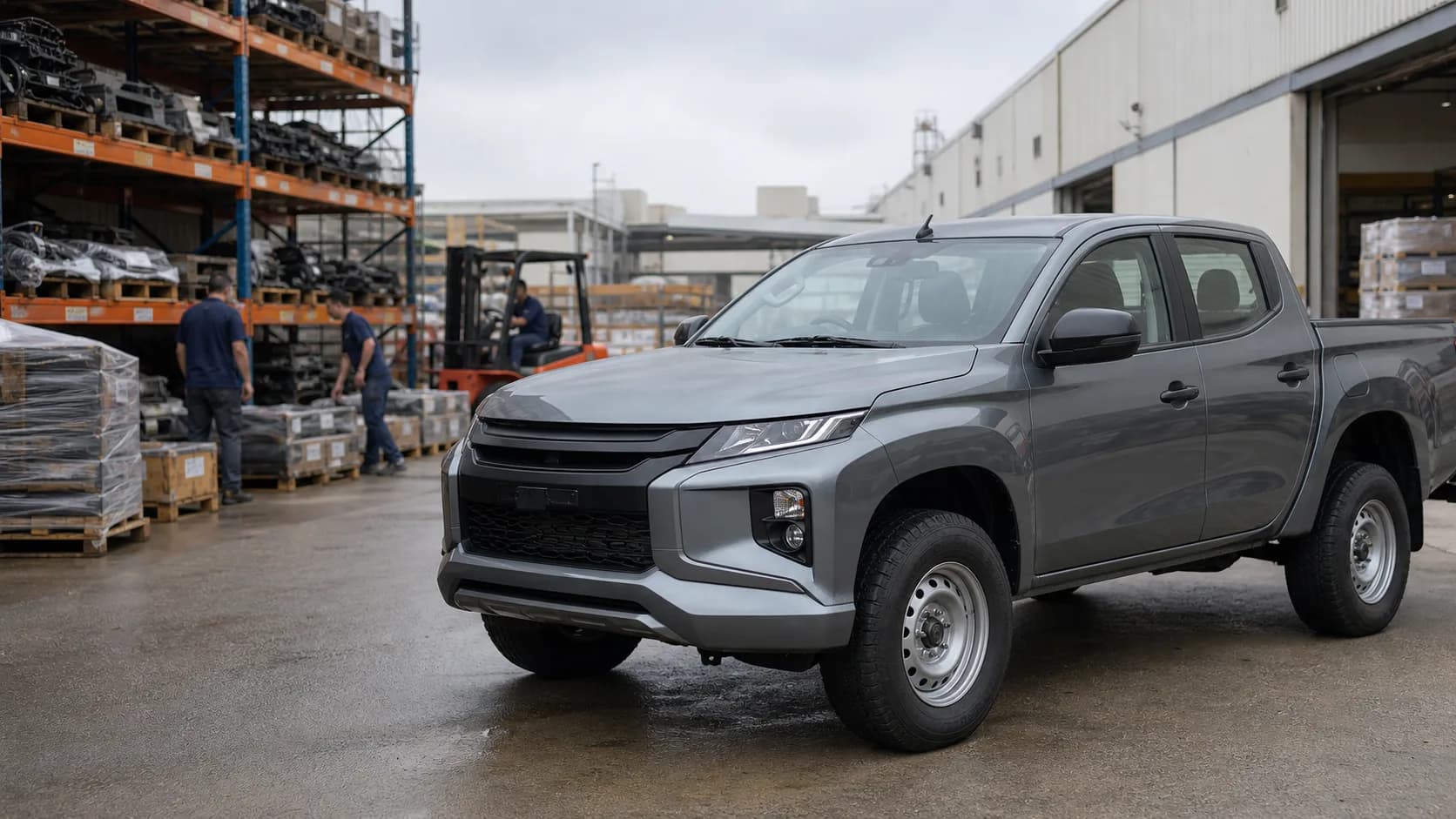
Built around L200 and Triton replenishment, collision-repair demand, and OE-based RFQs.
Buyer focus
Importers, distributors, workshops
Fast lines
Lighting, cooling, suspension, front-end body
RFQ inputs
OE, model year, side, target market
Field notes
The Mitsubishi L200 line usually breaks down into two buying patterns. One is front-end collision replenishment: headlamps, grilles, bumper skins, fog lamps, brackets, and other visual parts that need clean left-right control and careful packing. The other is maintenance replenishment: radiators, intercoolers, condensers, ball joints, and control arms that move on repeat with workshops and regional distributors.
What creates most quoting delays is not price discovery. It is incomplete fitment data. Buyers often send only 'L200 headlamp' or 'Triton radiator' without OE number, side, production year, or target market. That is where wrong-side claims, front-face mismatches, and mixed-version returns start. A stronger RFQ gives the supplier the OE number first, then confirms year range, left or right side, and whether the request is for pilot stock or steady replenishment.
This page is designed around that workflow. Use it to shortlist fast-moving L200 lines, compare indicative planning ranges, and prepare a cleaner RFQ before asking for a final quote. The goal is not generic catalog traffic. The goal is fewer fitment disputes and a faster path from OE list to export-ready shipment plan.
Related guides
Proof assets
These are the proof moments that usually move an L200 RFQ forward: visible part condition, QC evidence, and export packing discipline.
For L200 and Triton collision parts, buyers usually want a clean visual check on lens shape, grille lines, bumper edges, and left-right orientation before price comparison means anything.
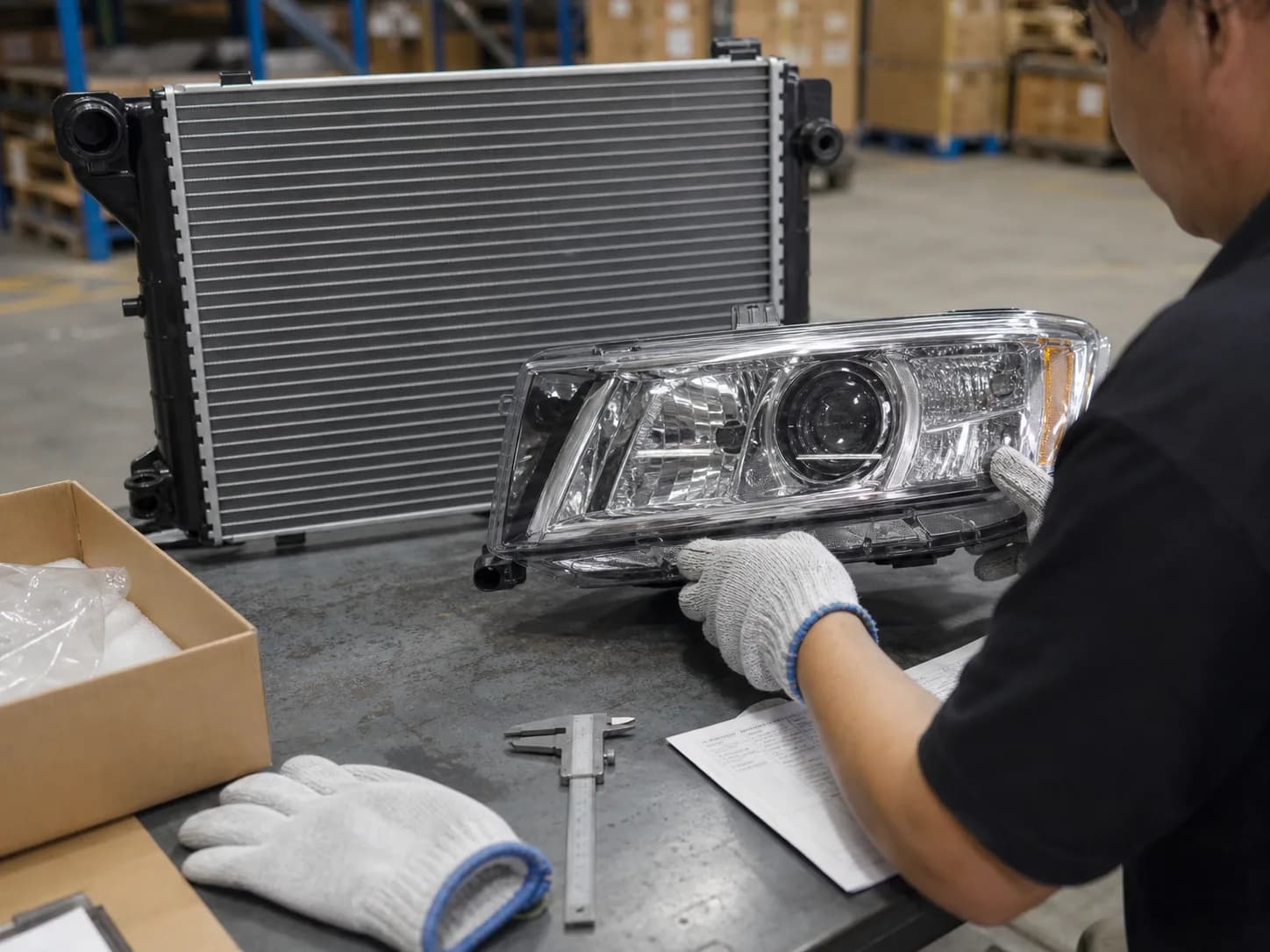
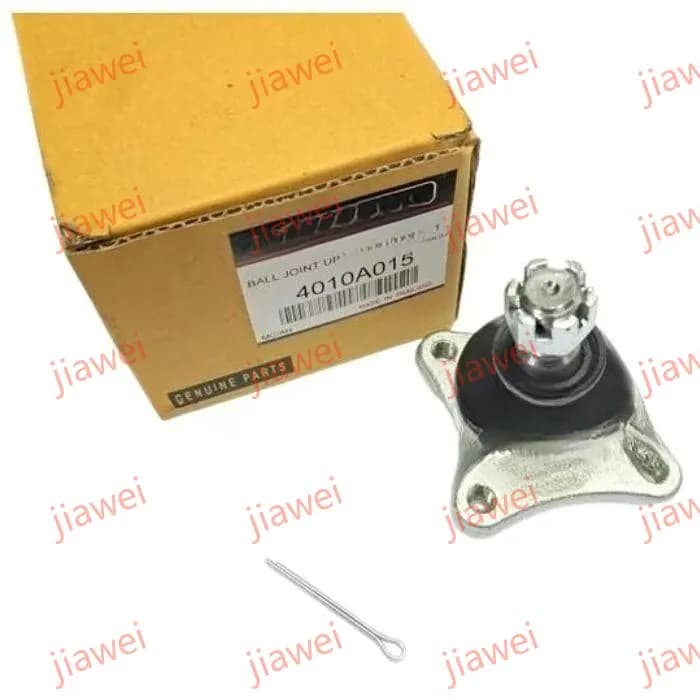
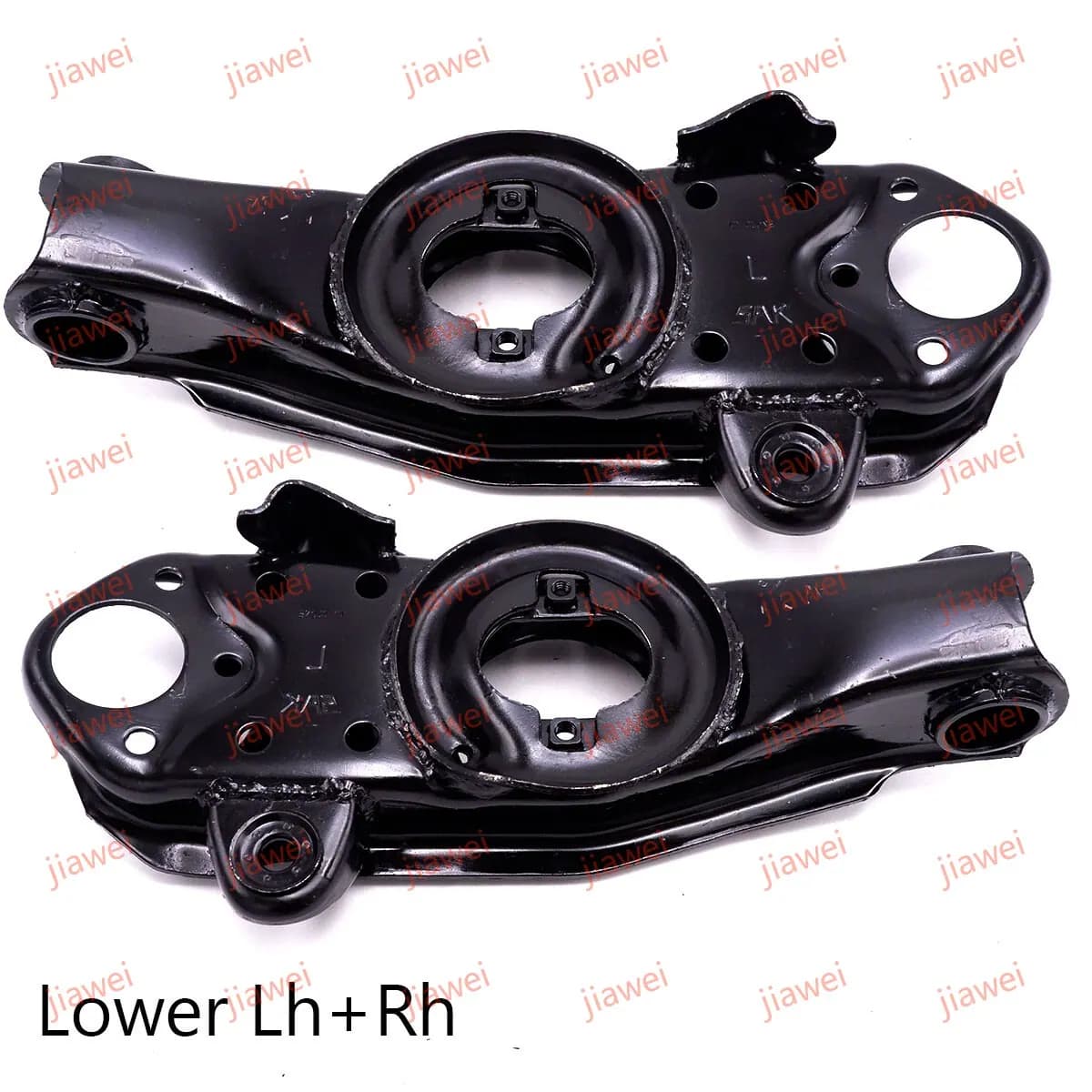
For cooling and suspension lines, buyers normally ask for dimensional checks, weld or fin-condition photos, and batch-level confirmation before mixed cartons are approved.
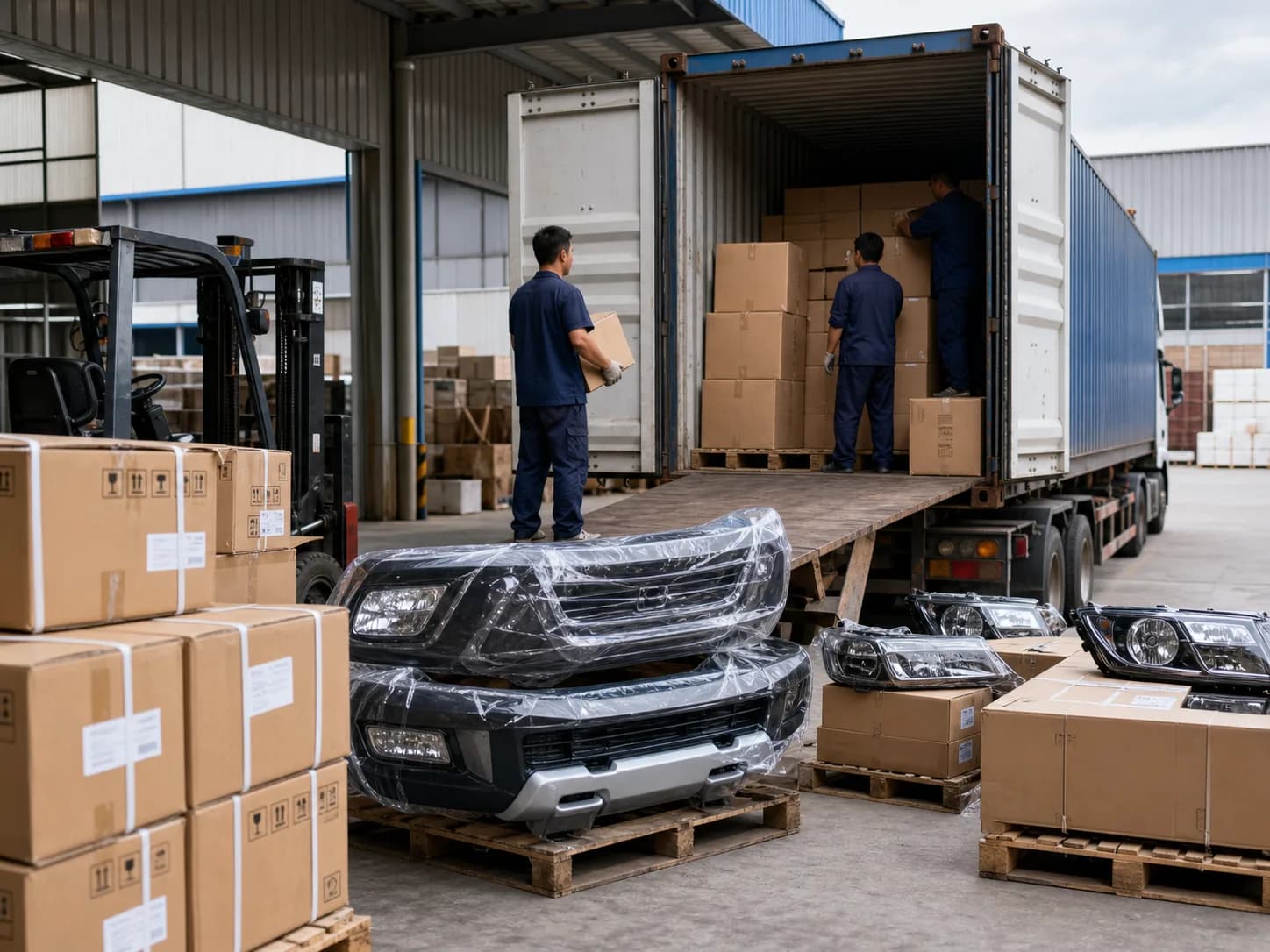
Bulky L200 front-end parts and dense maintenance SKUs behave differently in the same order. The packing plan needs to separate fragile visual parts from heavier replenishment pieces before the quote is finalized.
Planning table
Use these ranges only for shortlist planning. Final quoting still depends on material, finish, version, and MOQ.
| Part family | Typical range | Planning note |
|---|---|---|
| Headlamps and fog lamps | USD 28-62 / pc | Confirm left-right orientation and lens variant first. |
| Radiators and condensers | USD 34-86 / pc | Check core thickness, transmission type, and fin protection. |
| Control arms and ball joints | USD 9-48 / pc | Left-right mix and batch labels matter in repeat orders. |
| Grilles and bumper skins | USD 22-95 / pc | Volume and protective packing change the landed math fast. |
| Intercoolers and cooling hardware | USD 29-88 / pc | Pilot orders should separate fragile and dense cartons. |
Shipment planning
Transit depends on order mix, export schedule, and customs handling. These windows are useful for planning replenishment conversations.
| Region | Air sample | Sea replenishment |
|---|---|---|
| LATAM west coast | 7-10 days | 25-35 days |
| Middle East | 5-8 days | 18-28 days |
| Africa | 7-10 days | 28-40 days |
| South East Asia | 3-6 days | 10-18 days |
Workflow
Send the OE number first, then group the request by lighting, cooling, suspension, or body line.
Confirm model year, left-right side, target market, and whether the front face is L200 or Triton specific.
Separate pilot quantities, replenishment lines, and bulky front-end parts so packing and freight assumptions stay clean.
Before shipment, verify QC photos, carton count, pallet logic, and any fragile-part protection notes.
Buyer cases
The request started with headlamps, grille, and bumper skins. The useful shift was moving from model-name-only RFQ to OE plus side notes, which reduced the risk of wrong-front-face combinations.
The RFQ mixed radiators, control arms, and ball joints. What helped most was grouping by system and version instead of sending one long flat list.
The buyer wanted a trial order across lighting, cooling, and body lines before scaling. The cleanest route was a smaller, documented pilot order with QC proof and a realistic replenishment timeline.
Featured OE links
Priority systems
Yes — JIAWEI quotes Mitsubishi L200 parts by OE number as standard practice for all wholesale orders. OE-based quoting eliminates ambiguous cross-references and reduces fitment disputes by confirming the exact part version before pricing is issued; our catalog covers L200 across generations from the 2006 Triton through the current 2024 model year. To start, send the OE number, destination market, and quantity target so our team can validate fitment and return pricing within 24 hours.
Yes — JIAWEI supports mixed L200 pilot orders with no fixed minimum carton count, structured around systems and OE references rather than total volume. Pilot orders typically combine two to three product systems — such as lighting, cooling, and suspension — allowing buyers to validate fitment across part families before committing to replenishment volumes. Most L200 pilot orders are confirmed, packed, and dispatched within 5 to 7 working days from final RFQ approval.