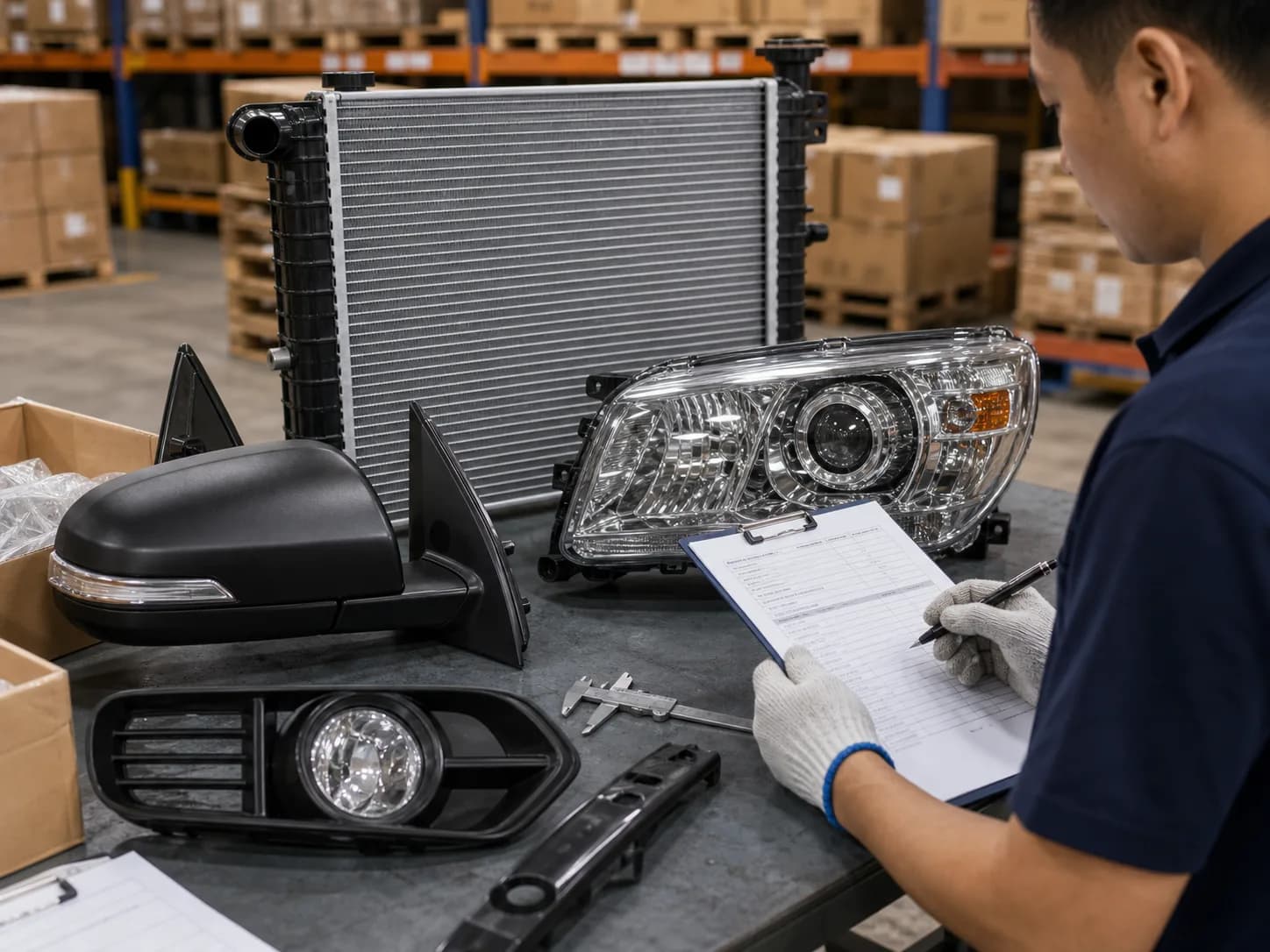
OE and fitment verification
The useful supplier confirms OE, model, version, and side before any import order moves to packing. That one step removes most post-arrival fitment disputes.
Import guide hub
Learn how to import 4x4 parts from China using OE matching, MOQ planning, shipment checks, and supplier-side fitment validation.
This page is for buyers comparing sourcing workflows, not just products. It connects RFQ inputs with shipment and packing decisions.
Quick overview
Use this page when your team needs a cleaner import workflow for mixed 4x4 parts orders, especially when OE, MOQ, and packing need to be discussed before payment.
Useful when you are moving from supplier research into first-order planning.
Connects RFQ structure with MOQ, packing, and export timing.
Helps importers reduce avoidable mistakes on mixed 4x4 orders.
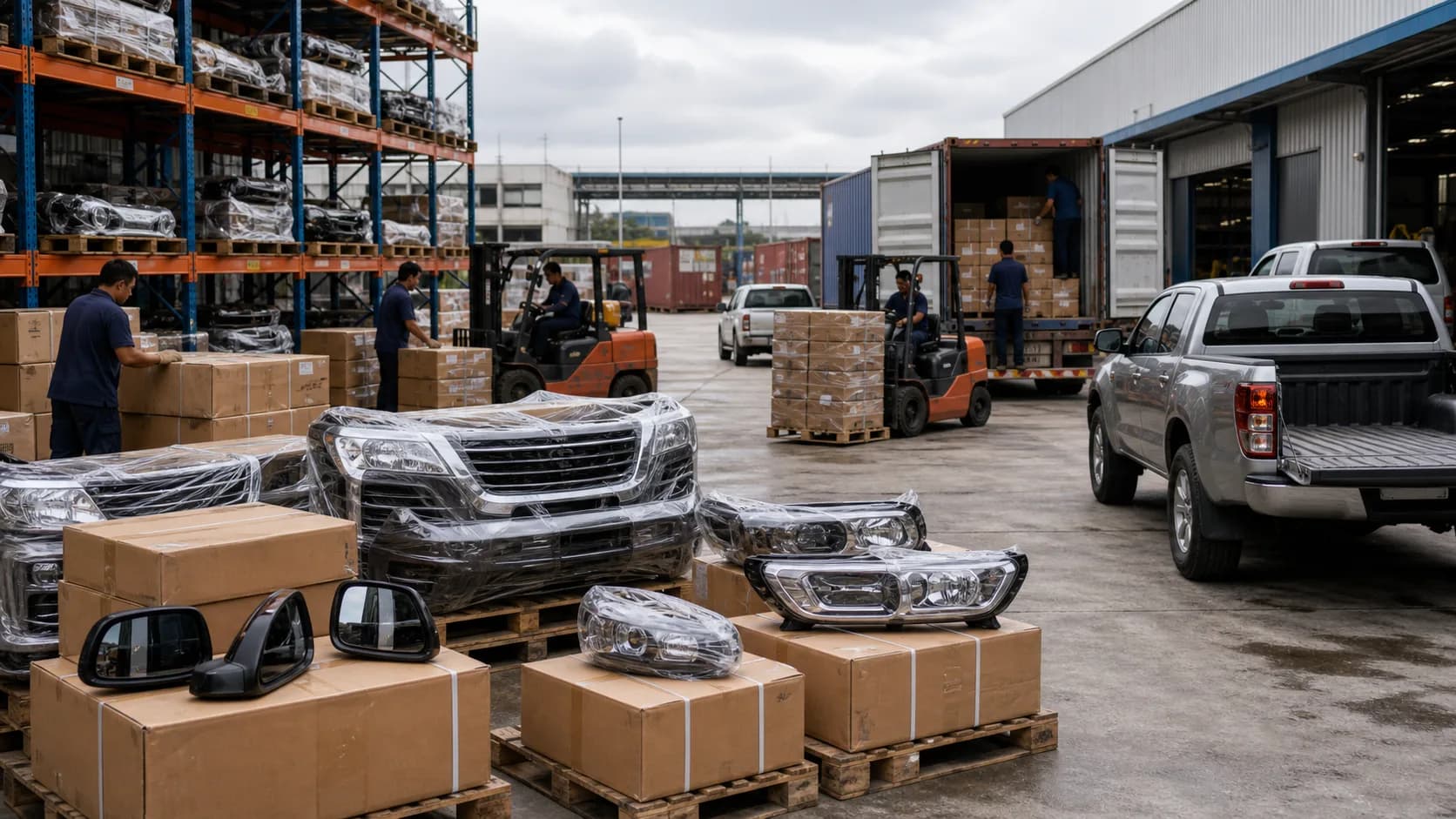
Built for buyers who need a cleaner import workflow — from OE verification to sea freight and customs clearance.
Typical first step
OE list + model notes → pilot order
Starting terms
30% T/T deposit · sample cost refunded
Shipment options
Air sample · FCL · LCL consolidation
Import notes
Most first-time importers lose time in the early stages because the RFQ is sent before the supplier is screened and before fitment data is locked. The result is multiple revision cycles on a quote that could have been cleaner from the start.
The cleaner import workflow starts with a short OE list grouped by vehicle line and system. That gives the supplier enough data to confirm fitment before price is discussed. The next step is a pilot order — small enough to test packing, QC, and transit time without committing a large budget. Air freight for samples and sea freight for replenishment are the standard split most buyers use.
On the customs side, the main mistakes come from incomplete documentation and mismatched HS codes. Grouping parts by system in the packing list and confirming the correct tariff classification before shipment avoids most clearance delays. This page connects those steps so buyers can move from supplier shortlist to cleared import without the usual revision loops.
Related guides
Proof assets
Import decisions move faster when the supplier can show OE workflow discipline, QC evidence, and realistic packing and freight planning.
The useful supplier confirms OE, model, version, and side before any import order moves to packing. That one step removes most post-arrival fitment disputes.
Importers usually want batch-level QC photos, dimensional checks, and label control before the order is loaded. That documentation also helps with customs inspection at destination.
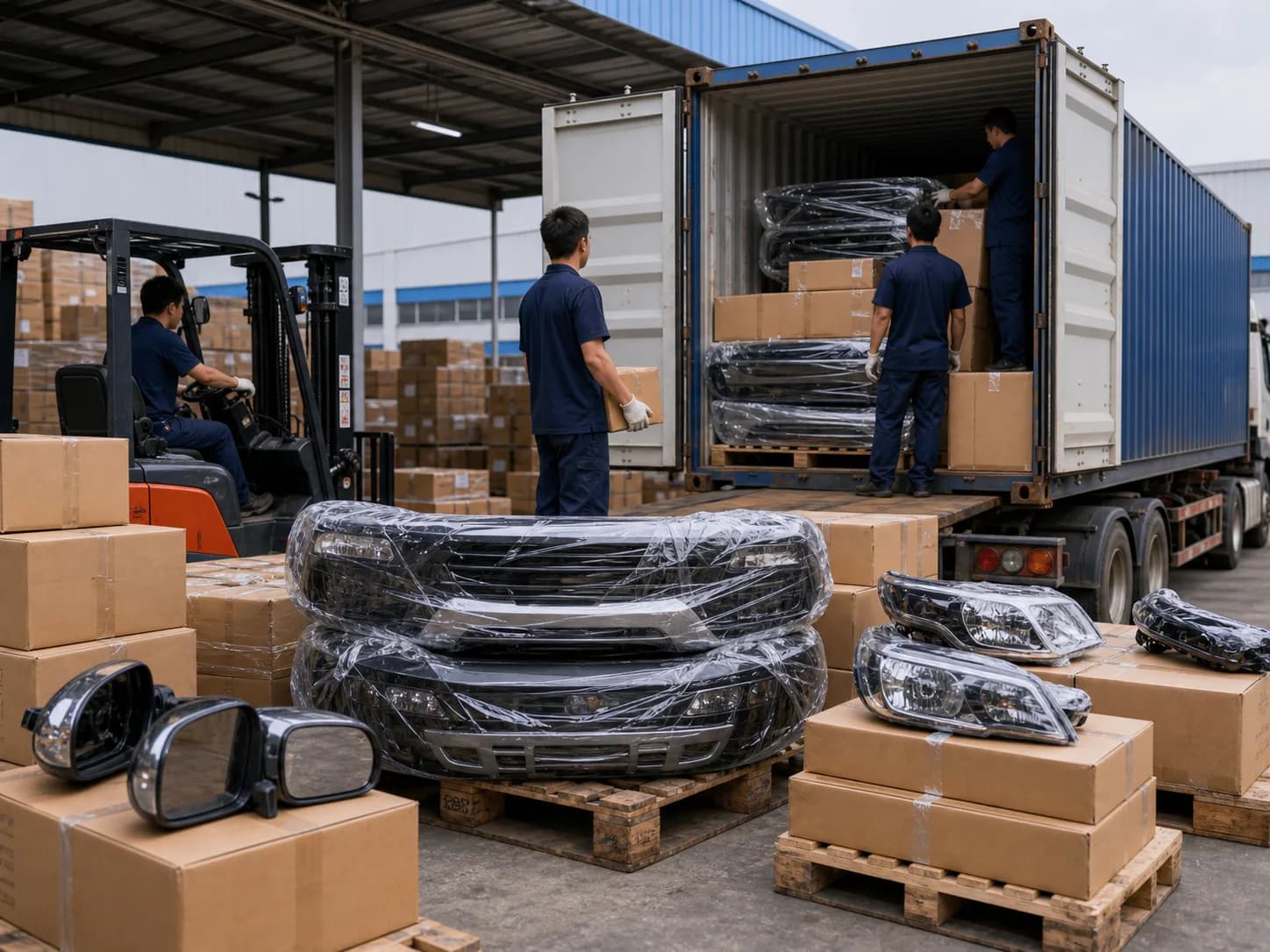
A realistic packing plan separates fragile visual parts from dense maintenance cartons and documents the HS code per line. That combination reduces customs delays and transit damage.
Import planning
These are planning bands buyers use to size pilot orders and replenishment cycles before discussing final terms.
| Import stage | Typical band | Planning note |
|---|---|---|
| Sample via air freight | USD 300-1,200 | Useful for confirming fitment before committing to sea. |
| Pilot LCL sea order | USD 2,000-6,000 | Tests packing, transit, and customs handling at low risk. |
| First FCL replenishment | USD 8,000-25,000 | Typically follows 1-2 successful pilot cycles. |
| Repeat distributor program | USD 20,000+ | Route and documentation discipline matter more than unit price. |
Transit planning
Use these windows to plan pilot and replenishment cycles. Customs clearance time at destination adds 3-7 days to sea freight.
| Destination | Air sample | Sea replenishment |
|---|---|---|
| LATAM west coast | 7-10 days | 25-35 days |
| Middle East | 5-8 days | 18-28 days |
| Africa | 7-10 days | 28-40 days |
| South East Asia | 3-6 days | 10-18 days |
Import workflow
Send a short OE list grouped by vehicle line. A supplier that quotes by OE, side, and version is ready for export discipline.
Confirm model year, side, and version before the pilot order is packed. Separate fragile visual parts from dense maintenance cartons.
Test transit time, customs handling, and part condition before committing to FCL volume. Document the QC result for the replenishment conversation.
Use the pilot packing list and HS codes as the template for FCL replenishment. Route and documentation stability reduce clearance risk at scale.
Import cases
The buyer had a workshop shortlist but no existing China supplier relationship. A small LCL pilot covering 8 OE references across lighting and cooling let them verify fitment, packing, and transit before scaling.
After two successful LCL cycles, the distributor wanted to move to FCL replenishment. The key was locking the packing list template and HS code mapping from the pilot so customs handling stayed consistent.
The RFQ combined radiators, condensers, and control arms. The useful change was separating the fragile cooling units from the heavier suspension cartons in the packing plan before the customs declaration was built.
Featured OE links
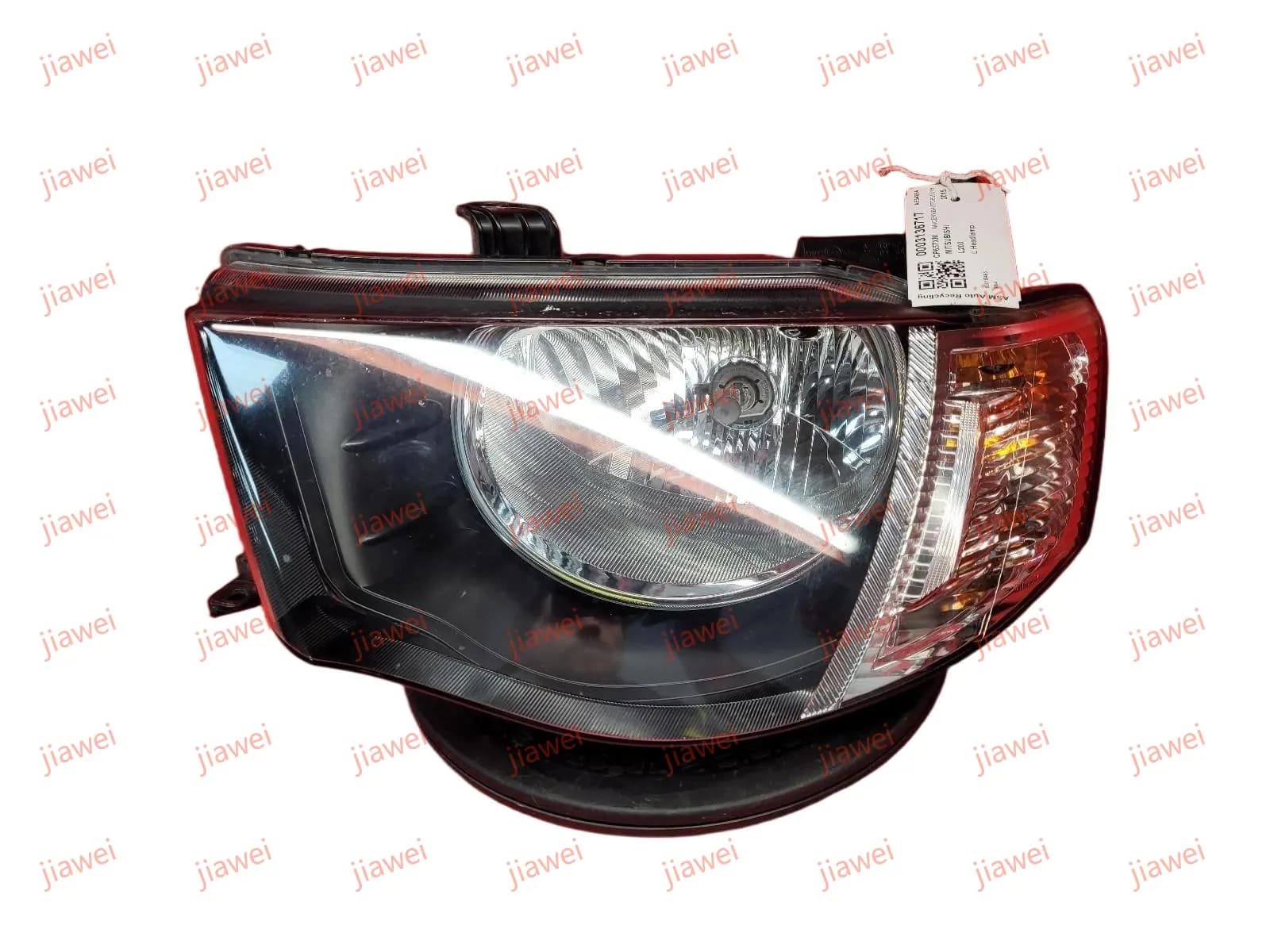
Mitsubishi L200 2015+ 路 Mitsubishi L200
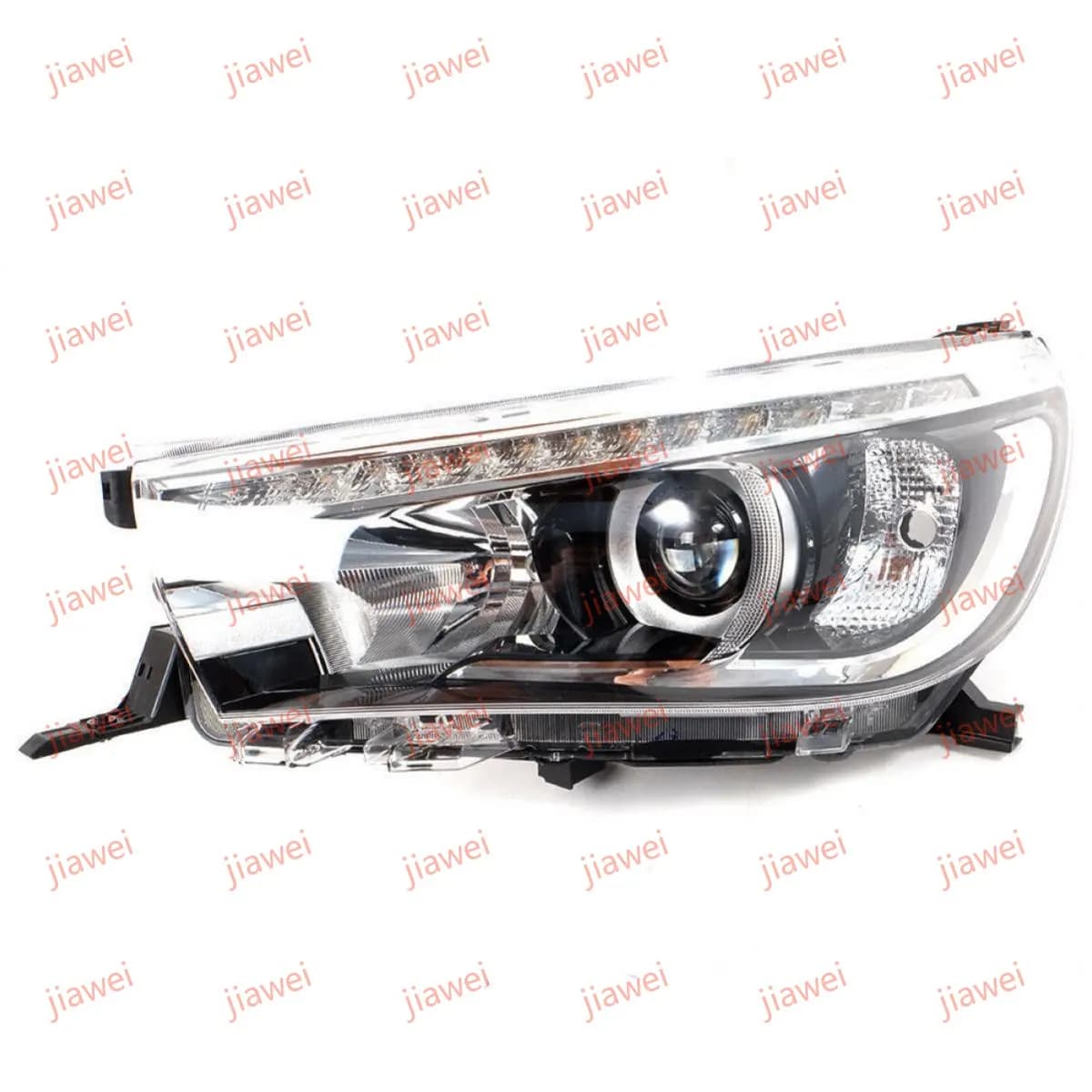
Toyota Hilux 2015+ 路 Toyota Hilux
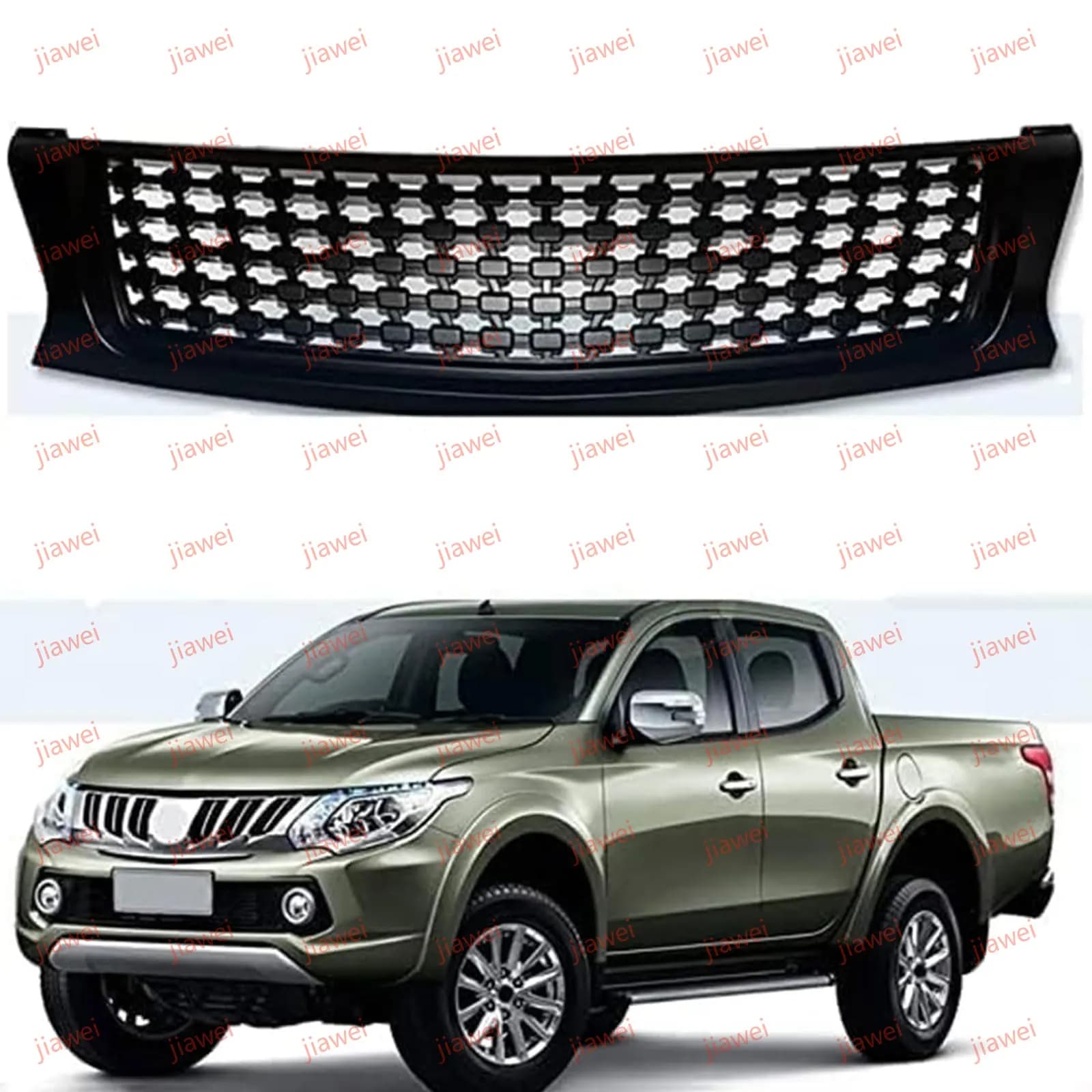
Mitsubishi L200 2015+ 路 Mitsubishi L200
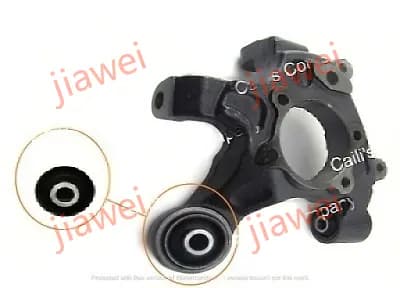
Mitsubishi Pajero V80
Priority systems
A first import RFQ to JIAWEI should include five elements: OE number, vehicle model and year, quantity target per line item, destination market, and whether the order is a pilot trial or replenishment purchase. Including OE numbers from the start eliminates the fitment verification round-trip that commonly adds two to three days to the quotation process; destination market information ensures export documentation and labeling are prepared to local import requirements. RFQs with all five elements in place typically receive itemized pricing within 24 hours of submission.
Importers sourcing mixed 4x4 orders reduce errors most effectively by grouping the RFQ by vehicle model and product system before submission, rather than submitting a flat list of part numbers across programs. System-grouped RFQs allow JIAWEI's team to apply model-specific fitment logic to each group, catching asymmetric parts (left/right), generation mismatches (Vigo vs Revo), and transmission variants before pricing is issued. Buyers who combine this grouping approach with OE-number quoting report significantly fewer fitment-related returns on mixed model orders.