The last time Toyota changed the Hilux platform — the jump from KUN25/26 to GUN125/126 in 2015 — distributors who were still stocked on old platform lighting when the GD-series engine trucks started arriving spent a painful 6–8 months running the wrong catalog. Harness connectors didn't cross. Headlight mounting points had shifted. Intercooler pipe diameters were different. Nobody's fault — it's just what generation transitions do — but the ones who had mapped it in advance came out ahead.
The 9th generation Hilux is entering markets now, and the pattern is repeating. This guide maps what changed, what carried over, which OE numbers are dead on arrival for the new platform, and how to think about double-stocking during the transition window. The 2026 Toyota Hilux aftermarket sourcing question isn't "should I stock the new platform" — it's "for how long do I need to run both?"
What the 9th Generation Hilux Changes — and What It Doesn't
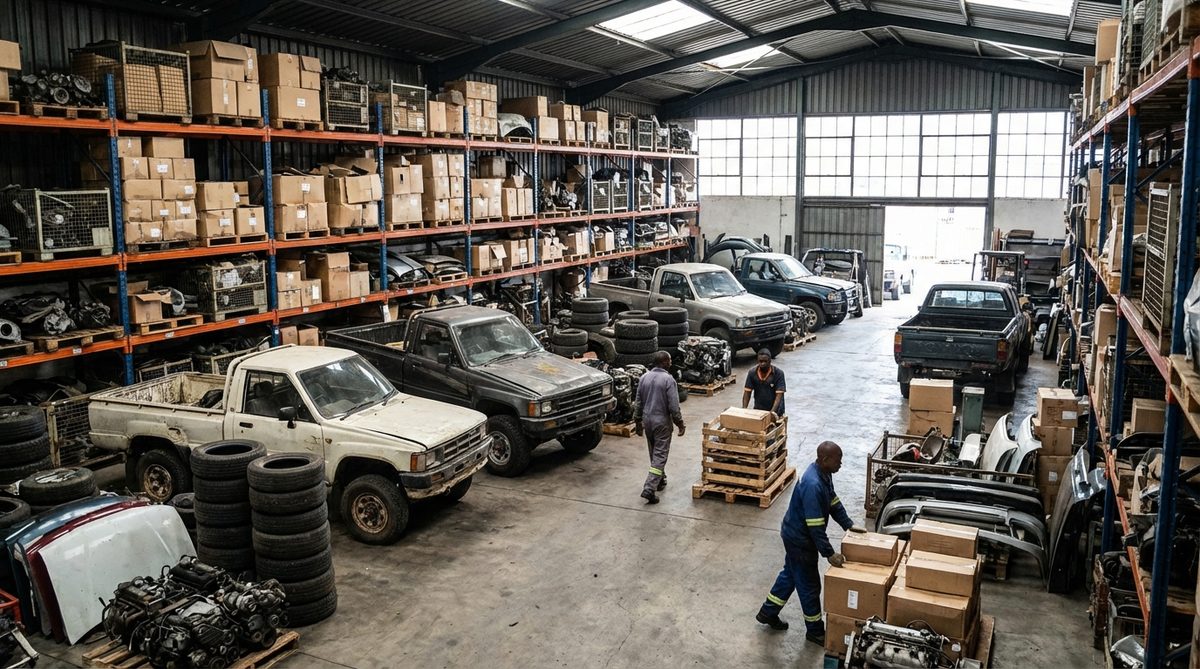
The 9th-gen Hilux shares its platform with the next-generation Fortuner, which means the body-on-frame architecture is retained — good news for structural part continuity. What changes: the front end architecture (new LED lighting system as standard), revised front suspension geometry (updated control arm pivot points and geometry angles), updated cooling system routing for the revised 2.8L diesel and optional 48V mild-hybrid variants, and a revised rear suspension setup on double-cab configurations.
What didn't change: the basic ladder frame dimensions, overall track width, and the load-bed mounting geometry on double-cab variants. Rear lamp cluster form factor is updated but mounting pattern is largely similar. Rubber components (bushings, seals, grommets) follow the same durometer specs from the GUN-series in many positions — cross-referencing is possible but requires verification against the new Toyota EPC.
Powertrain and Cooling Implications
The 1GD-FTV 2.8L diesel continues as the base engine on most variants — this is the most important continuity point for cooling parts distributors. Intercooler piping is revised on mild-hybrid variants to accommodate the 48V belt-integrated starter-generator. On standard diesel variants, the core intercooler dimensions are similar to GUN125/126 but pipe routing changes on the hot-side. Radiator dimensions: similar overall, but coolant circuit routing for the optional electric water pump differs on hybrid variants.
Lighting Architecture
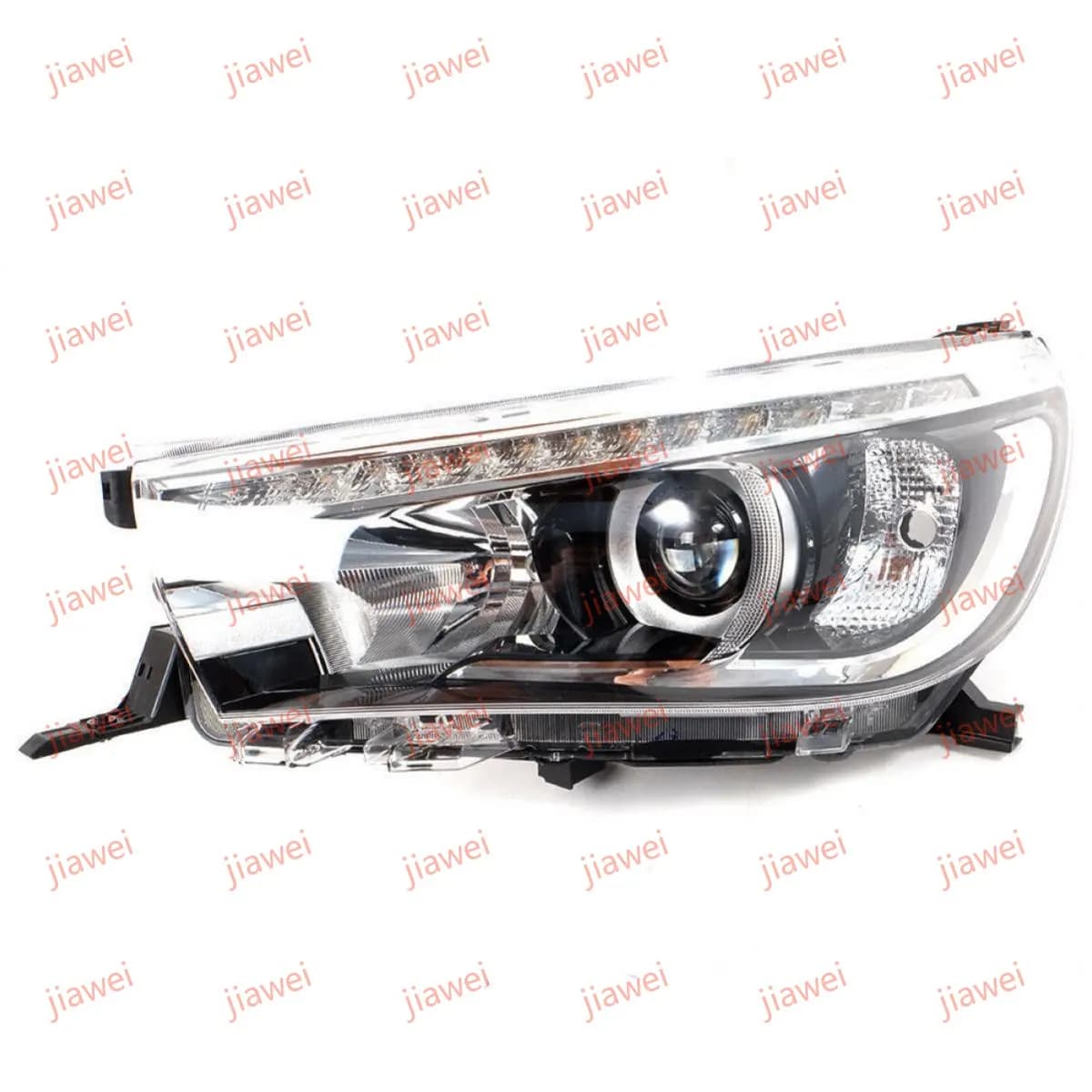
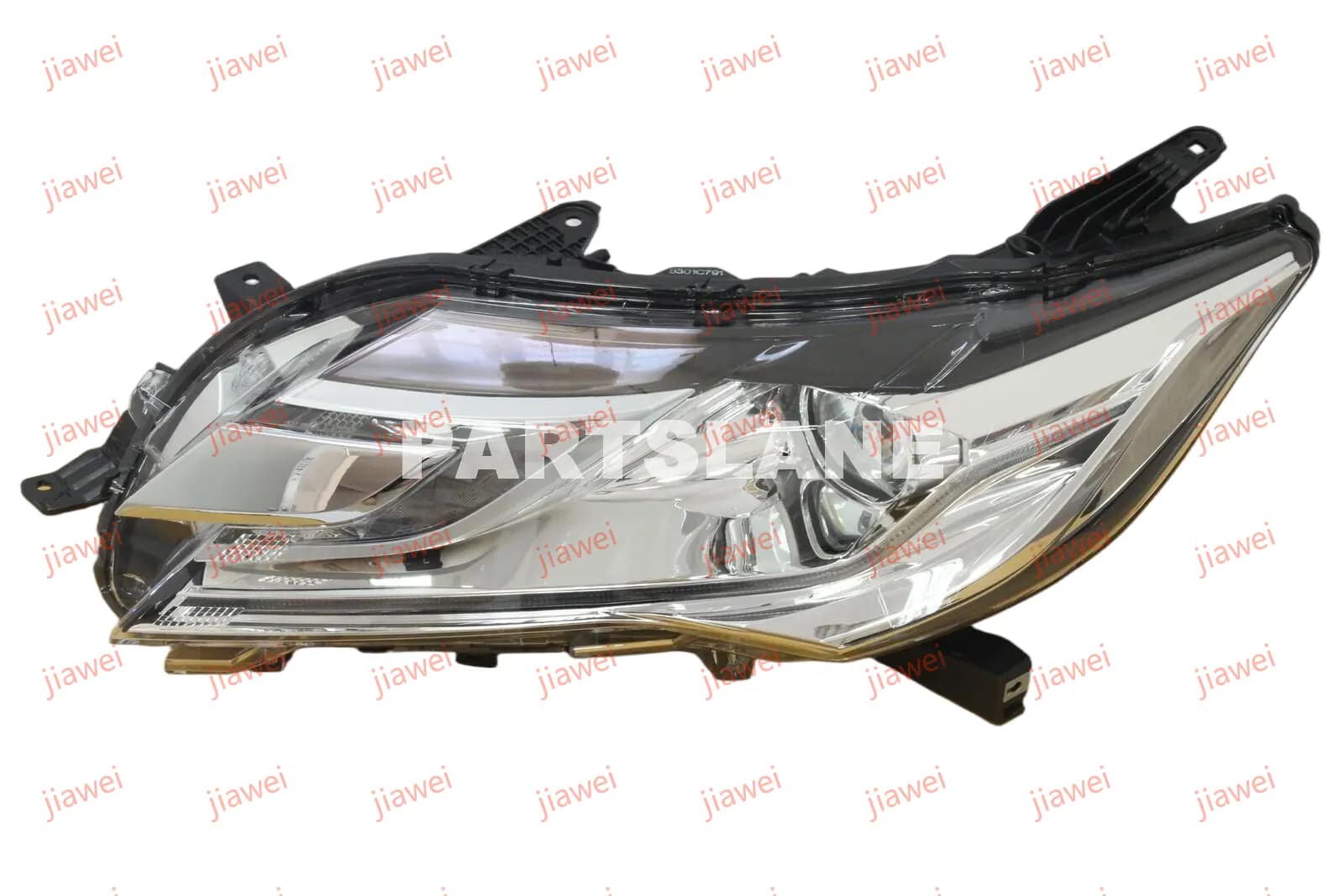
This is where the break is cleanest and the OE compatibility gap is widest. The 9th gen introduces a full LED headlight system as standard — no halogen option on core global variants. The headlight assembly is a new design with a different mounting bracket geometry compared to GUN125/126. Fog light cluster: revised LED unit, new OE number, different connector. Tail lights: updated LED design with revised assembly depth — fitting GUN125/126 units is not viable without modification.
Suspension Geometry Changes
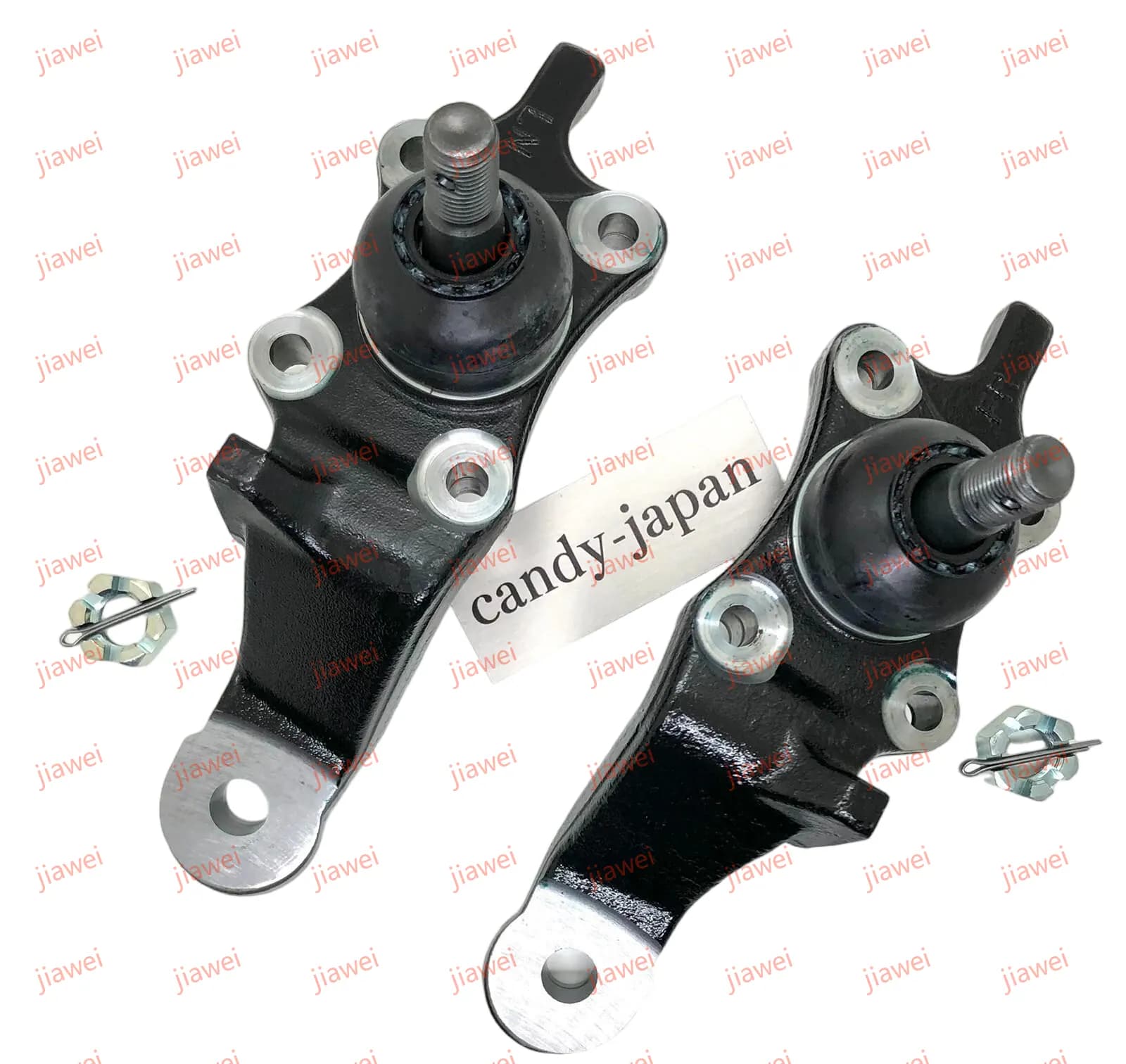
The front upper and lower control arms carry revised pivot point geometry on the 9th gen, which affects camber adjustment range. The physical arm length is similar but the ball joint taper angle changed — GUN125/126 ball joints do not cross to 9th gen arms. Rear leaf spring pack counts are unchanged on standard variants. Stabilizer link geometry and end-link diameter: same spec, cross-compatible. This is an area where spot-checking against the Toyota EPC before ordering is essential — the suspension revisions are subtle enough that some aftermarket suppliers will claim cross-compatibility incorrectly.
OE Cross-Reference: Hilux Lighting Parts by Generation
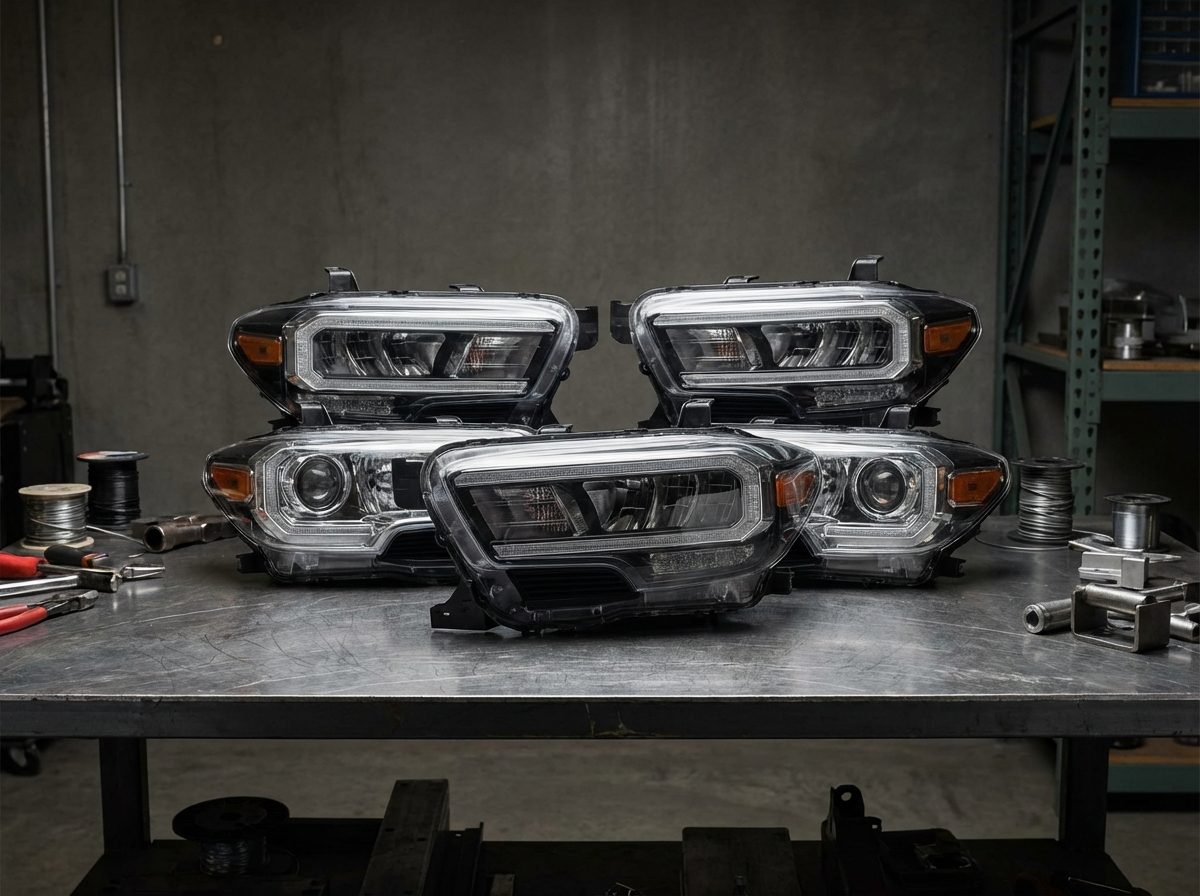
The table below covers headlights, fog lights, and tail lights across the KUN, GUN, and 9th-gen platforms — the three generations most likely to be in simultaneous circulation in your market over the next 18 months. OE numbers for 9th-gen variants are sourced from initial Toyota EPC releases; verify against current catalog before ordering as early-release catalogs sometimes carry preliminary numbers.
| OE Number | Generation | Chassis Code | Part | Side | Notes |
|---|---|---|---|---|---|
| 81150-0K380 | 8th Gen | GUN125/126 | Headlight Assy | LH | Halogen. Facelift (2020+) variant. Confirm pre/post facelift before ordering [verify against EPC] |
| 81110-0K380 | 8th Gen | GUN125/126 | Headlight Assy | RH | Halogen. Facelift (2020+). High demand in LATAM and Africa [verify against EPC] |
| 81150-0K270 | 8th Gen | GUN125/126 | Headlight Assy | LH | Pre-facelift (2015–2019). Still active in older fleets in sub-Saharan Africa [verify against EPC] |
| 81110-0K270 | 8th Gen | GUN125/126 | Headlight Assy | RH | Pre-facelift (2015–2019) [verify against EPC] |
| 81220-0K200 | 7th Gen | KUN25/26 | Tail Light Assy | LH | Still high demand in East Africa; long-running fleet presence [verify against EPC] |
| 81210-0K200 | 7th Gen | KUN25/26 | Tail Light Assy | RH | [verify against EPC] |
| 81220-0K390 | 8th Gen | GUN125/126 | Tail Light Assy | LH | Facelift variant. LED strip design. [verify against EPC] |
| 81210-0K390 | 8th Gen | GUN125/126 | Tail Light Assy | RH | Facelift variant [verify against EPC] |
| TBD — 9th Gen | 9th Gen | New platform | Headlight Assy (Full LED) | LH/RH | Full LED standard. New mounting geometry — does NOT cross to GUN125/126. Verify OE numbers against Toyota EPC 2026 release before stocking |
Need OE numbers verified for your regional Hilux catalog? Send us your current parts list and we'll cross-check against our EPC database and confirm what crosses and what doesn't. Request verification →
OE Cross-Reference: Cooling Parts (Intercooler & Radiator)
The 1GD-FTV continuity is good news for cooling distributors — the core product doesn't change dramatically on standard diesel variants. The complexity comes from the 48V mild-hybrid variants and the pipe routing differences. Stock the GUN125/126 intercooler with confidence; pipe sets need gen-specific verification.
| OE Number | Generation | Chassis | Part | Engine | Notes |
|---|---|---|---|---|---|
| 17940-0L040 | 8th Gen | GUN125/126 | Intercooler Assy | 1GD-FTV 2.8L | Bar-and-plate core. High demand in Chile, Peru, Saudi Arabia. [verify against EPC] |
| 16400-0L260 | 8th Gen | GUN125/126 | Radiator Assy | 1GD-FTV 2.8L | AT/MT variants have different tank designs — confirm transmission type before ordering [verify against EPC] |
| 16400-0L040 | 7th Gen | KUN25/26 | Radiator Assy | 2KD-FTV 2.5L | Still active in East Africa and parts of Southeast Asia [verify against EPC] |
| 17940-0L041 | 8th Gen | GUN125/126 | Intercooler Assy | 1GD-FTV (revised tune) | Updated OE for revised engine tune markets (Australia, Europe) [verify against EPC] |
| 9th Gen — TBD | 9th Gen | New platform | Intercooler Assy | 1GD-FTV / 48V hybrid variant | Core dimensions similar on standard diesel. Pipe routing changed. Hybrid variant has separate OE. Verify before stocking. |
OE Cross-Reference: Suspension Parts
Stabilizer links and rear leaf components cross cleanly between GUN125/126 and 9th gen in most configurations. Front control arms and ball joints do not — budget for separate SKUs. This is the one area where assuming compatibility will generate warranty returns.
| OE Number | Generation | Chassis | Part | Position | Notes |
|---|---|---|---|---|---|
| 48068-0K070 | 8th Gen | GUN125/126 | Control Arm | Front Upper LH | High-wear SKU in off-road markets. Bushing-in or bushing-out versions available [verify against EPC] |
| 48069-0K070 | 8th Gen | GUN125/126 | Control Arm | Front Upper RH | [verify against EPC] |
| 48068-0K080 | 8th Gen | GUN125/126 | Control Arm | Front Lower LH | Ball joint taper: does NOT cross to 9th gen [verify against EPC] |
| 48069-0K080 | 8th Gen | GUN125/126 | Control Arm | Front Lower RH | [verify against EPC] |
| 48820-0K010 | 8th Gen | GUN125/126 | Stabilizer Link | Front | Compatible with 9th gen standard variants — confirm when EPC 2026 is available [verify against EPC] |
| 9th Gen — TBD | 9th Gen | New platform | Front Control Arm | Upper/Lower | New pivot geometry. Ball joint taper angle changed. Do not sub GUN125/126 arms. Verify OE before stocking. |
How to Structure Your Inventory During the Transition
The practical question isn't which platform to stock — it's how to avoid doubling your working capital while the market sorts itself out. Based on what we tracked through the GUN125/126 launch cycle, most markets had GUN trucks at over 70% of active Hilux registrations within 18–24 months of market entry. The new platform will follow a similar trajectory, faster in Gulf markets, slower in sub-Saharan Africa and the Andean region where fleet turnover is longer.
Conservative Approach (Low Risk, Slower to Adapt)
Continue stocking GUN125/126 at full depth. Add one or two 9th-gen lighting SKUs as test stock — just enough to handle the early adopters and test your supplier's catalog accuracy. Expand 9th-gen depth only after you have 3 months of regional sales data confirming which SKUs move. This approach minimizes inventory risk but means you'll back-order some 9th-gen orders in the first 6 months.
Aggressive Approach (Higher Capital, First-Mover Advantage)
Run parallel depth on both platforms for all lighting and cooling SKUs immediately. Reduce GUN125/126 suspension depth slightly to free capital for 9th-gen suspension parts. This is the right call for distributors whose market (UAE, Saudi Arabia, Thailand) will see high new-model penetration within 12 months. The risk: if 9th-gen uptake is slower than expected in your specific market, you're sitting on capital in slow-moving new-platform stock.
The Dual-Platform Checklist
Before you place your first 9th-gen order, run through these:
- Confirm which 9th-gen variants are being imported into your market — full LED, hybrid, or base — as parts differ across variants
- Get the updated Toyota EPC (2026 release) and verify every OE number before ordering, not after
- Contact your existing supplier and ask specifically which 9th-gen SKUs they have in stock vs. build-to-order — lead times on new-platform parts are typically longer in the first year
- Talk to your largest fleet customer — fleet operators are often running mixed fleets during transitions and have immediate clarity on which platforms are in service
- Do not assume lighting harness connectors cross between generations — test with a sample before committing to a container
Regional Demand Outlook: Where the 9th Gen Lands First
Market timing varies significantly by region. Understanding this matters because a distributor in Nairobi has a very different planning horizon than one in Bangkok or Riyadh.
Southeast Asia (Thailand, Indonesia, Philippines)
Thailand is the production hub for the new platform and will see the fastest penetration — 9th-gen Hilux trucks are already entering the Thai market in H1 2026, and Thailand's commercial fleet replacement cycle is shorter than most other Hilux markets (Source: Toyota Motor Thailand production data, Q1 2026). Indonesian and Philippine distributors should expect significant 9th-gen volume by Q3–Q4 2026. Start stocking lighting and cooling for 9th gen now if you serve commercial fleet accounts in these markets.
Middle East (Saudi Arabia, UAE, Kuwait)
Gulf fleets turn over quickly — a 3-year fleet refresh cycle is standard for commercial operators in Saudi Arabia (based on JIAWEI 4x4 distributor feedback, Gulf accounts, 2023–2025). The 9th gen will be dominant in new-vehicle sales within 12 months of regional launch. Distributors serving new-vehicle dealers and fast-turnover fleets should prioritize dual-platform lighting inventory now. The GUN125/126 aftermarket will remain active for 4–5 years from GCC fleet base alone.
Latin America (Chile, Peru, Colombia, Ecuador)
Slower adoption curve driven by import costs and a large installed base of GUN125/126 trucks. The 9th gen will enter Chile and Colombia first (more active new-vehicle markets), with Peru and Ecuador following 12–18 months later (based on JIAWEI 4x4 shipping records and distributor network data, 2024–2025). GUN125/126 parts remain the volume play in LATAM through at least 2027–2028. Begin positioning a small 9th-gen lighting inventory in Chile by Q4 2026.
Sub-Saharan Africa (Kenya, Tanzania, South Africa, Nigeria)
East African markets run the longest transition windows of any Hilux region — we regularly ship KUN25/26 parts for trucks still in active commercial use more than a decade after that generation ended production. In practical terms: the GUN125/126 will remain the primary aftermarket platform in East Africa through 2030+. Stock 9th-gen parts for South Africa (faster fleet turnover, more new vehicle sales) and continue full depth on GUN125/126 for East Africa.
Sourcing Intelligence: What to Verify Before You Order
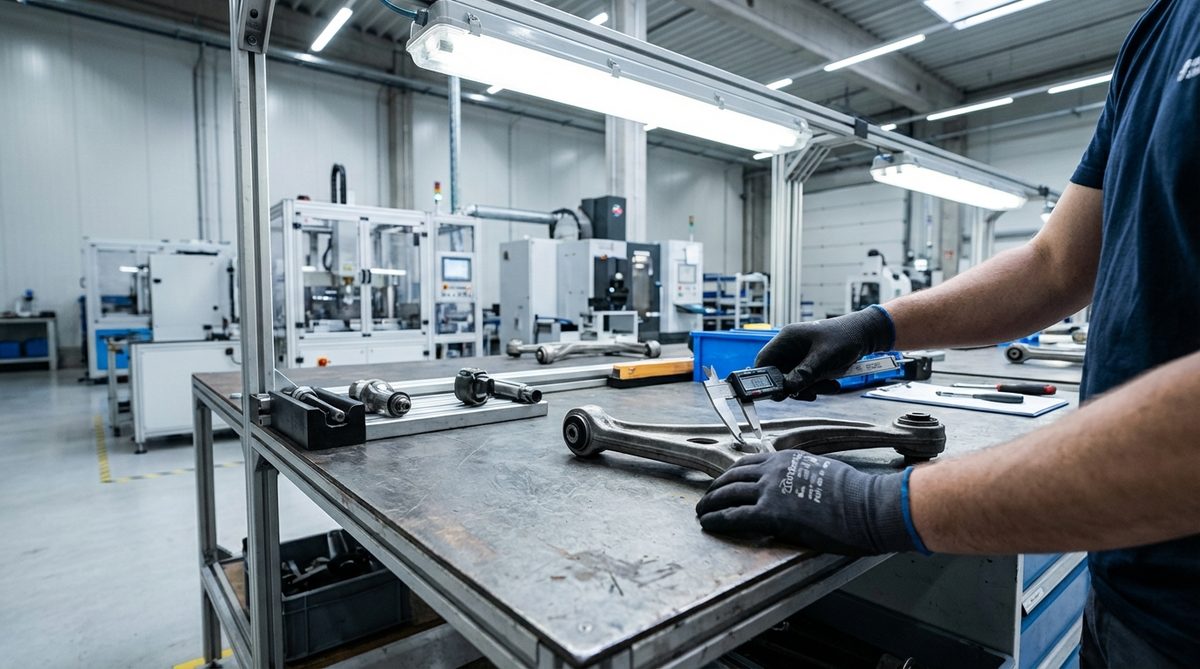
New platform launches create a window where low-quality suppliers enter the market quickly with misrepresented compatibility claims. We've seen this pattern with every major Toyota launch in the past decade. Here's what to check.
Lighting: The Connector Trap
The single most common complaint we hear after a bad new-platform lighting order is connector mismatch. A headlight assembly can be dimensionally identical to the genuine part and still fail electrical connection because the harness plug was specced off an earlier EPC draft. Before placing a bulk order on 9th-gen headlights, request a physical sample and test-fit the harness connector — not just the mounting points. This applies especially to LED assemblies where the control unit pinout matters as much as the connector body.
Intercooler Pipes: The Revised Routing Problem
The intercooler core itself is relatively straightforward to source. The pipes are where new-platform sourcing gets complicated — and where a bad batch will generate the most callbacks. On 9th-gen diesel variants, the hot-side pipe routing changed. Any supplier who offers you the same pipe set as GUN125/126 "because the intercooler is the same" is selling you the wrong part. Request dimensional drawings or a sample for physical verification before buying pipe sets for 9th-gen trucks.
Control Arms: Ball Joint Taper Verification
The ball joint taper angle change between GUN125/126 and 9th-gen front control arms is subtle — visible only with measuring tools, not by eye. Some aftermarket suppliers will list 9th-gen fitment without having updated their tooling. Ask specifically: "Is this tooled for 9th-gen geometry, or is this your GUN125/126 arm listed as compatible?" The answer will tell you whether they've actually updated their part or just added the new chassis code to an old catalog listing.
Certification Checklist for New-Platform Parts
For any new-platform part where you're buying from a supplier you haven't worked with before on that specific SKU:
- Request dimensional inspection report, not just a product photo
- For lighting: ask for photometric test results or DOT/ECE compliance documentation
- For cooling: burst pressure test certificate (minimum 30 psi / 2.1 bar for intercoolers)
- For suspension: material certification (specify alloy grade — 6061-T6 or equivalent for aluminum arms)
- For any safety-adjacent part: ask about the tooling history — is this a new tool or a modified existing one?
Frequently Asked Questions
Do GUN125/126 headlights fit the 9th-gen Hilux?
No. The 9th-gen introduces a new LED headlight assembly with a different mounting bracket geometry and harness connector. GUN125/126 halogen assemblies are not a direct fitment. This is the most common compatibility mistake we see at the start of a new platform cycle — catalog updates across the aftermarket supply chain take 6–12 months to fully reflect new-generation breaks.
Will the 1GD-FTV intercooler from GUN125/126 fit 9th-gen trucks?
The core dimensions on standard diesel variants are similar, but the intercooler pipe routing changed — particularly on the hot side. The core unit may physically fit but the pipe set will not. Do not assume direct swap compatibility without verifying against the 9th-gen EPC. Hybrid variants have a different cooling circuit entirely and require a separate OE.
What's the MOQ for 9th-gen Hilux parts from JIAWEI?
MOQ varies by product category — lighting assemblies typically start from 10 units, suspension arms from 20 units per side, cooling components from 5 units. Mixed-SKU orders are accommodated. Contact us for a current availability confirmation and lead time on specific 9th-gen SKUs, as this is a new platform and stock depth is being built up progressively.
How long should I plan to dual-stock both GUN125/126 and 9th-gen parts?
Expect 18–24 months of meaningful parallel demand in most markets, longer in East Africa and rural LATAM regions. In Southeast Asia and Gulf markets with fast fleet turnover, 9th-gen volume will exceed GUN125/126 within 12–18 months. The specific split depends on your customer base — fleet operators turn over faster than independent workshops, so your market segment matters as much as your region.
Are 9th-gen Hilux parts available for left-hand drive and right-hand drive markets?
Yes — the Hilux is sold in both LHD and RHD configurations globally. Headlights in particular are market-specific (beam pattern differs). Confirm LHD vs. RHD specification when ordering lighting assemblies, and note that some markets use market-specific trim levels that affect which OE numbers apply.
What certifications should I request for 9th-gen LED headlight assemblies?
At minimum: ECE R112 or DOT FMVSS 108 compliance documentation (depending on your market's regulatory framework), photometric test report, and IP67 or IP68 ingress protection certification for the LED driver unit. In markets where headlights must pass customs inspection — Saudi Arabia and some Latin American countries — request the compliance certificate in advance rather than after the shipment arrives.
Prepare Your 9th-Gen Hilux Inventory Now
We're building out our 9th-gen catalog in parallel with the market rollout. If you have a specific OE list from your Toyota EPC and want to confirm availability, lead times, and which SKUs we have in-stock vs. build-to-order, send it through and we'll respond within 48 hours. Submit your OE list →
If you're unsure where to start, browse our Toyota Hilux parts catalog — GUN125/126 depth is fully stocked and ships on standard lead times.
Sources & Methodology
- Platform and model data: Toyota Motor Corporation global press releases, Q4 2025 – Q1 2026; Toyota Motor Thailand production announcements, Q1 2026
- OE part numbers: Toyota Electronic Parts Catalog (EPC), accessed via authorized distributor access, 2024–2026 catalog revisions. All 9th-gen OE numbers flagged [verify against EPC] pending confirmed catalog freeze.
- Regional market data: JIAWEI 4x4 distributor network shipping records, 2023–2025; regional distributor feedback from Gulf, Southeast Asia, and LATAM accounts
- Technical standards referenced: ECE R112 (headlamp beam pattern), DOT FMVSS 108 (US lighting standard), ISO 16750 (environmental conditions for vehicle electrical equipment), IATF 16949 (automotive quality management)
- Fleet market context: Toyota Motor Thailand Q1 2026 commercial fleet data; JIAWEI 4x4 Gulf distributor feedback, 2024–2025
This article was last reviewed on April 9, 2026. Platform specifications and OE numbers are subject to change as the 9th-gen rollout progresses. If you identify any inaccuracy, please let us know.