If you're importing 4x4 parts at scale, understanding the real difference between OEM, OES, and aftermarket isn't just useful — it's the difference between a profitable shipment and a costly headache.
The Three Categories, Clearly Defined
Original Equipment Manufacturer
- Made by the same factory that built the vehicle's original part
- Sold under the vehicle brand's logo
- Distributed through official dealership networks
- Most expensive option
- Guaranteed fit & spec compliance
Original Equipment Supplier
- Same factory as OEM — without the brand logo
- Identical manufacturing process & materials
- Typically 20–40% cheaper than branded OEM
- Sold through independent distributors
- The smart importer's sweet spot
Third-Party Aftermarket
- Made by independent manufacturers
- Widest price range — $ to $$$
- Quality varies enormously by supplier
- Some parts outperform OEM (suspension, lighting)
- Requires careful supplier vetting
Side-by-Side Comparison
| Factor | OEM | OES | Aftermarket |
|---|---|---|---|
| Price | $$$ | $$ | $ – $$$ |
| Fit Accuracy | Perfect | Perfect | Varies |
| Material Quality | OE Spec | OE Spec | Varies |
| Availability | Limited | Moderate | High |
| Warranty | Full OEM | Often included | Supplier-dependent |
| Best For | Dealerships | Experienced importers | Volume buyers w/ vetted suppliers |
What Are You Selling Into?
The right choice depends entirely on your market and customer base. Here's how to think about it:
Dealerships & Authorized Service Centers
Customers expect OEM. Reputation depends on it. Fitting a substandard part creates liability.
→ OEM or verified OES onlyIndependent Workshops
More flexible. They care about fit, durability, and price — in that order.
→ Quality aftermarket from verified suppliersFleet Operators
Mining, agriculture, logistics. They want consistent quality at volume pricing.
→ OES or premium aftermarketRetail Parts Distributors
Need range and margin. A mix of OES and quality aftermarket, clearly labeled.
→ OES + premium aftermarket mixWhere Importers Get Burned
⚠ Common Traps to Avoid
This phrase means nothing. Any supplier can write it. What matters is whether the part matches OE specifications — dimensions, material grade, surface treatment, and fitment.
A part can look identical to OEM in a product photo and fail within 6 months due to inferior steel, wrong heat treatment, or poor welding.
Genuine OES parts at 30% below OEM is normal. A "Hilux radiator" at 70% below OEM price is worth investigating before committing to volume.
A part that fits a 2015 Hilux may not fit a 2016 model. OE number verification is non-negotiable for serious importers.
How JIAWEI Approaches This
At JIAWEI 4x4, every part in our catalog is cross-referenced against OE specifications before it's listed. Our quality control process covers three stages:
Dimensional checks, material verification, surface treatment review — before anything enters our warehouse.
Fitment testing against vehicle-specific templates at key production stages.
Final check before every order leaves our warehouse. You receive an inspection report with photos.
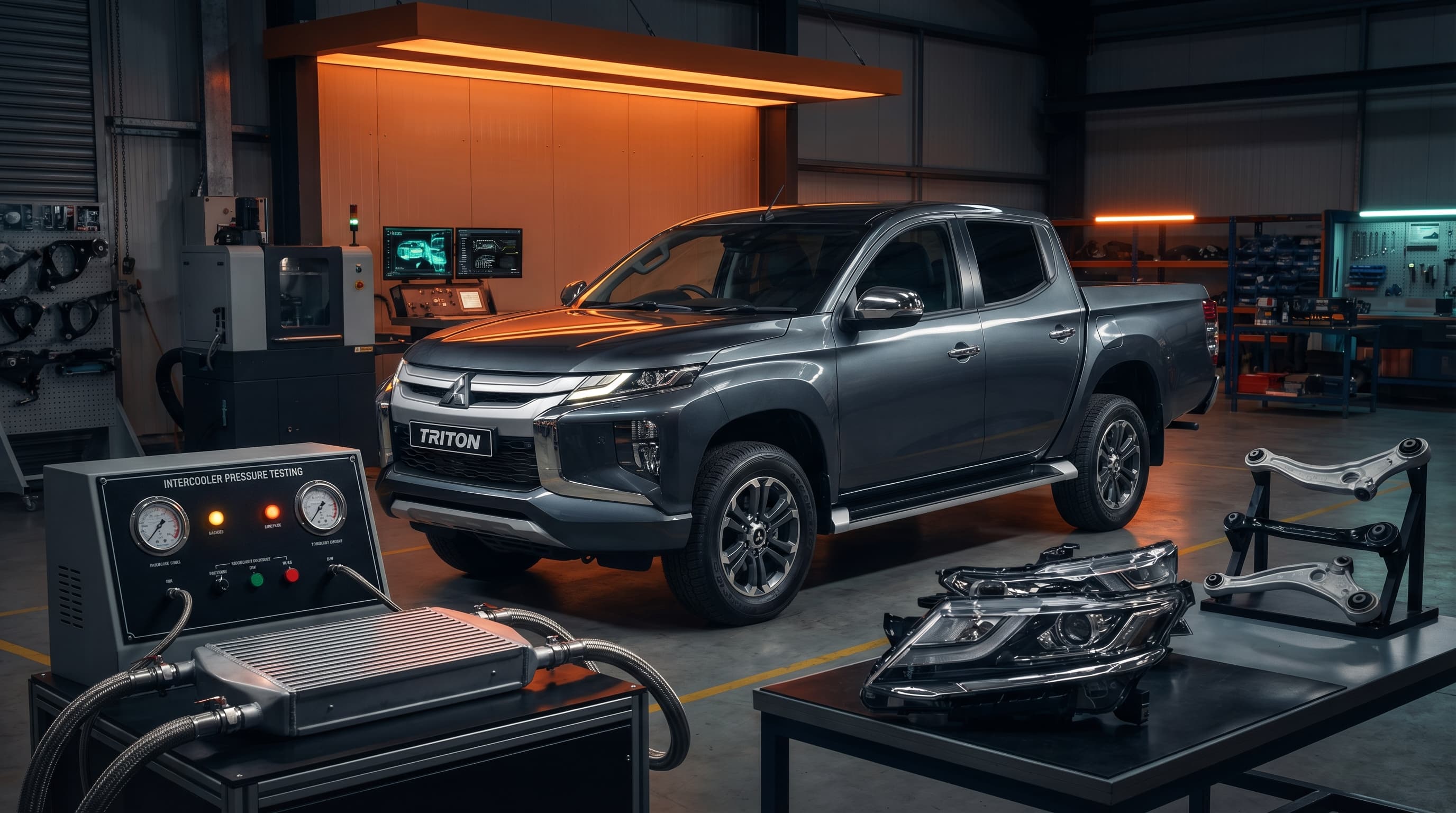
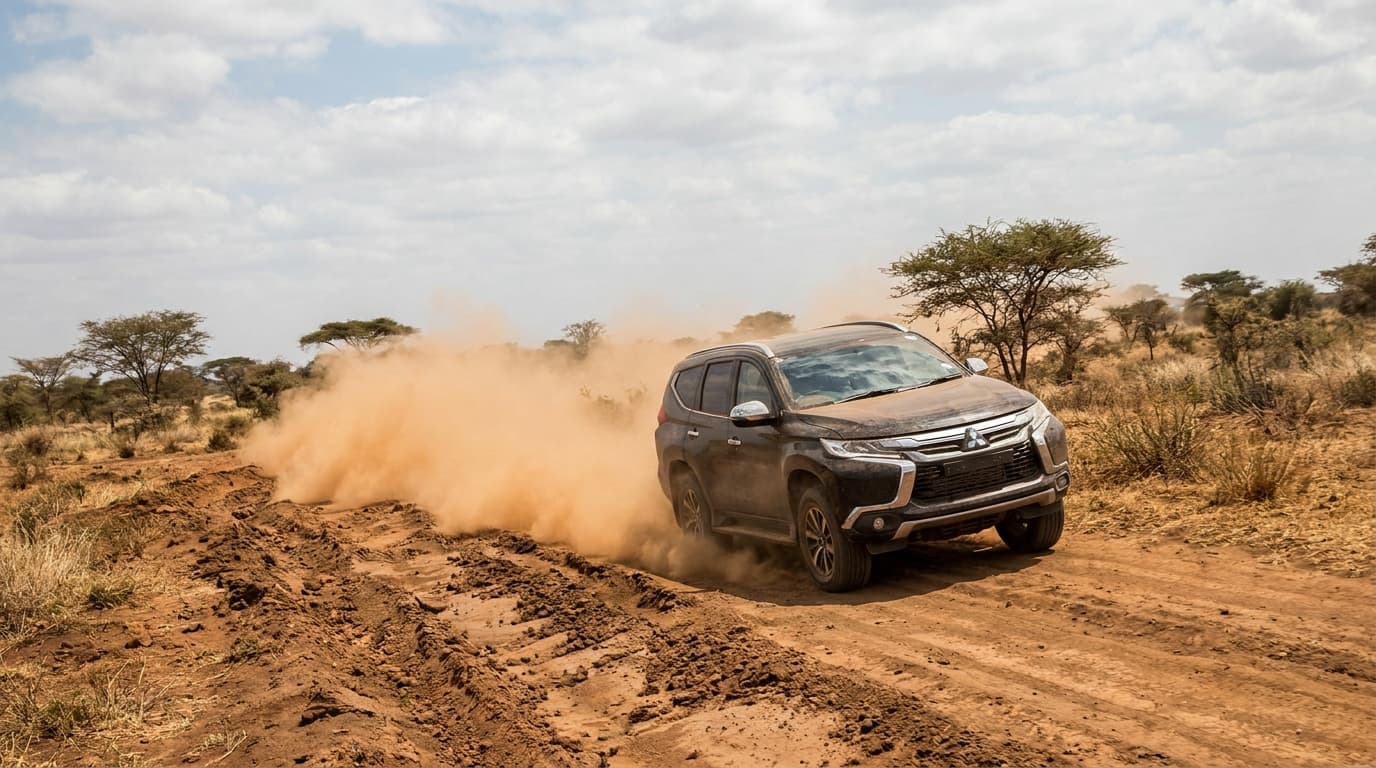
Our catalog covers Mitsubishi L200/Triton, Pajero Sport, Toyota Hilux, Land Cruiser, Fortuner, and Prado — with OE numbers listed for every SKU.
Making the Right Call
The parts business runs on trust. Your customers trust you to send them parts that work. That trust starts with knowing exactly what you're buying.
Ready to Source 4x4 Parts with Verified OE Specifications?
We'll match your requirements to the right parts, confirm OE numbers, and get you a quote — usually within 24 hours.