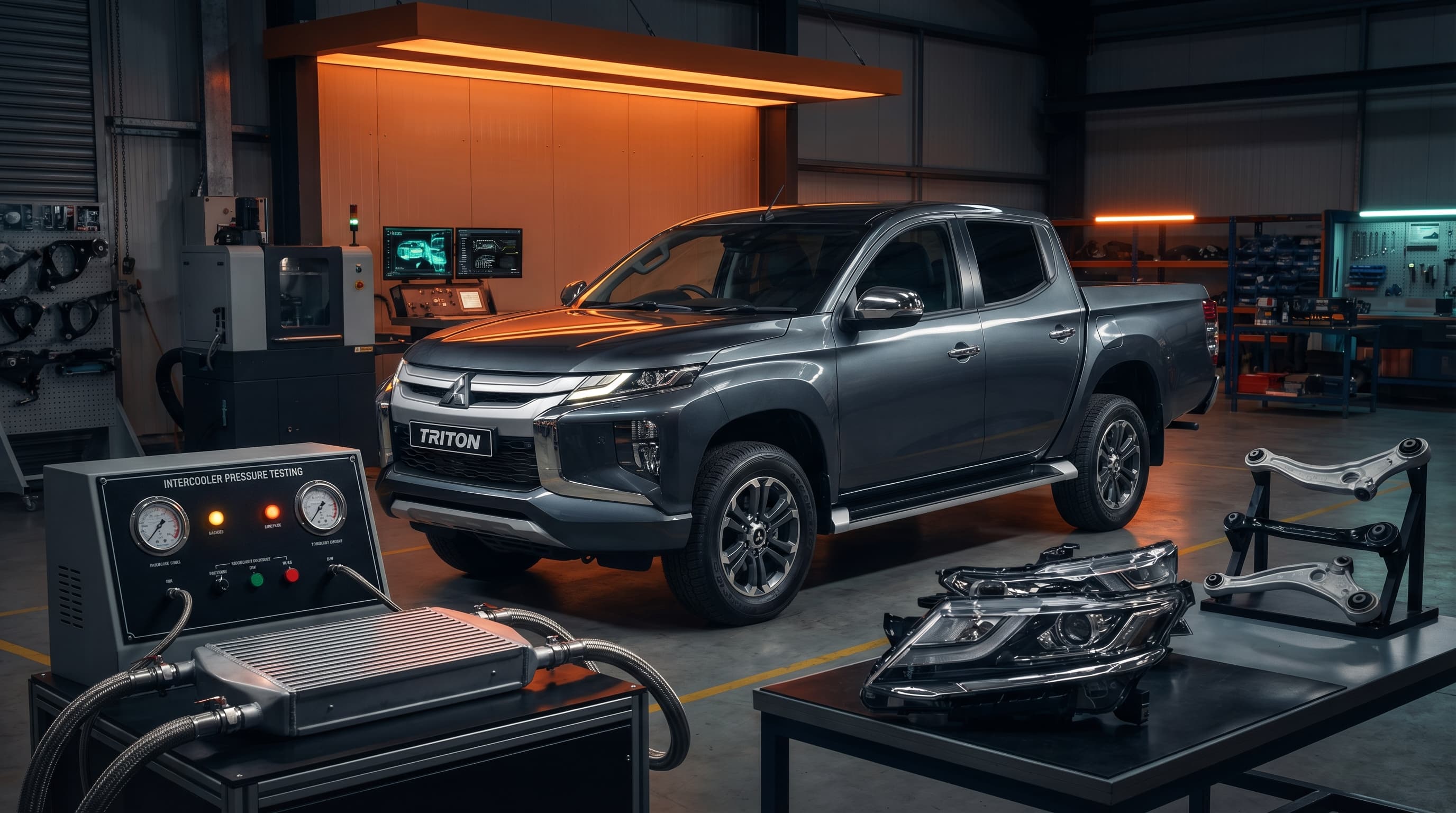
The 6th-generation Triton has been in production since late 2023 and is now working its way through global rollouts — Australia first, then Thailand, Southeast Asia, South Africa, and progressively into Latin America through 2024–2025. In the markets where it's already arrived in volume, we're seeing the same conversation play out: distributors who cataloged it as "essentially a KB with a new face" are getting returns on intercooler pipes, lighting connectors, and front suspension components that physically don't fit.
The KL platform is a more significant departure from the 5th-gen KB than it looks on the outside. The 4N16 twin-turbo diesel has different cooling architecture than the single-turbo 4N15. The front end is a new design, not a restyle. And the chassis updates affect suspension geometry in ways that break some KB-platform cross-references that suppliers are still claiming as valid.
This guide maps the compatibility breaks and continuities across lighting, cooling, and suspension — with OE reference tables for both platforms so you can build your catalog correctly during the transition window.
The KL Platform: What Actually Changed from the KB

The 6th-gen KL Triton shares the same basic ladder-frame architecture as the 5th-gen KB, but the powertrain, front-end design, and suspension geometry are all updated. Understanding which changes affect part compatibility — and which don't — is the core skill for building a correct KL catalog.
Engine: From 4N15 to 4N16
The 5th-gen KB ran on the 4N15 — a single-turbo 2.4L diesel producing around 133–181 hp depending on the variant and market. The 6th-gen KL steps up to the 4N16, a twin-turbocharged 2.4L producing 201 hp and 470 Nm. The twin-turbo architecture is the key difference for cooling parts distributors: the 4N16 runs higher intake temperatures and a different intercooler pipe routing to accommodate the sequential turbo setup. The intercooler core dimensions changed; the pipe set is a new design. Suppliers who list KB intercooler parts as compatible with KL trucks are sourcing incorrectly.
Front-End Redesign
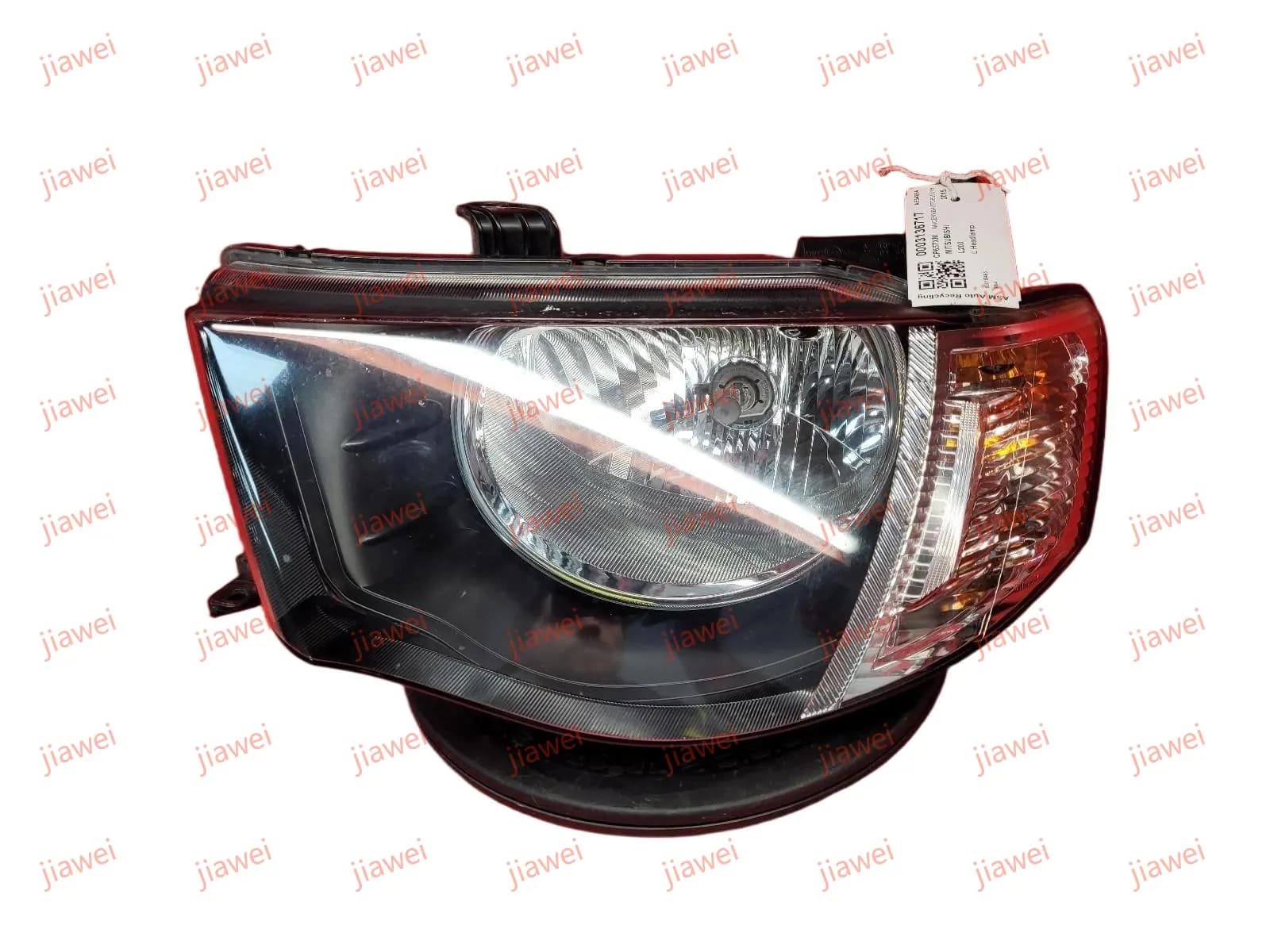
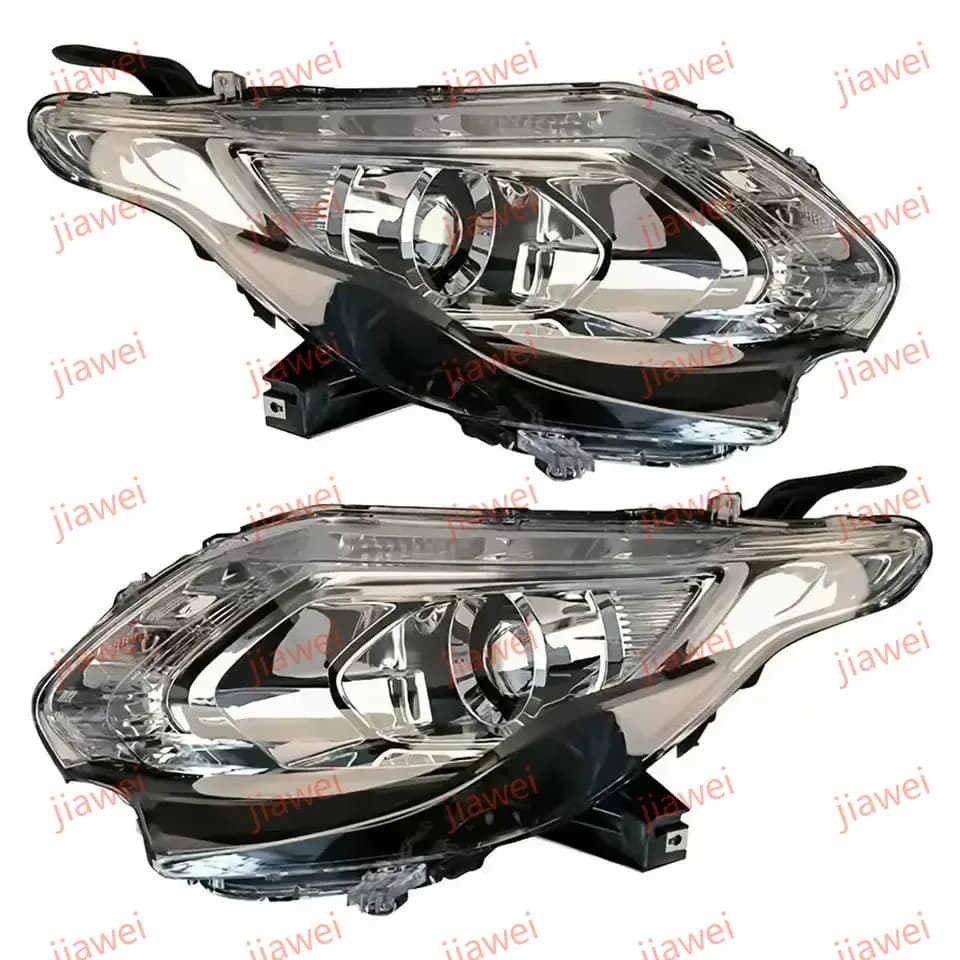
The 6th gen introduced a completely new front face — sharper lines, new grille architecture, and a revised LED headlight design that doesn't share mounting geometry with the KB. This is a clean break: KB headlights do not fit KL trucks, and vice versa. The fog light cluster is also new. Body parts — bumpers, fenders, grille assemblies — are all platform-specific. The door skin geometry is similar enough that door handles and mirrors may carry over in some variants, but confirm before stocking.
Suspension Updates
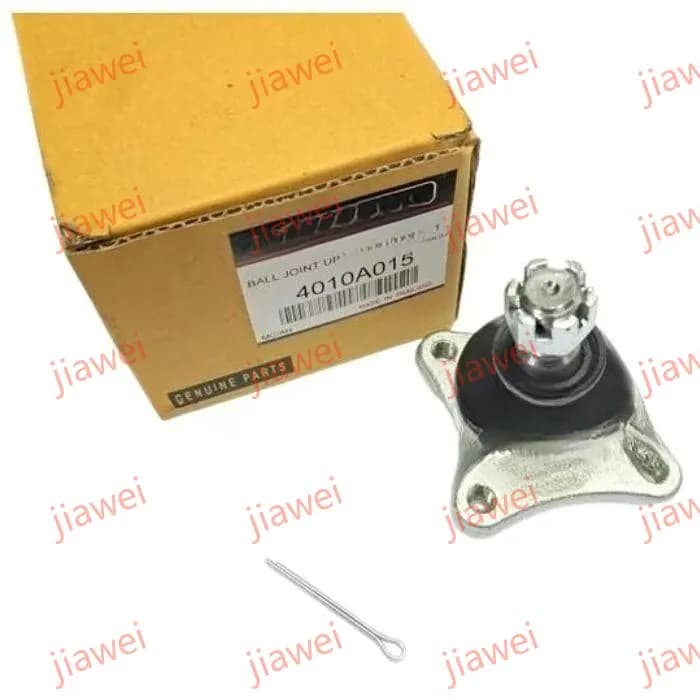
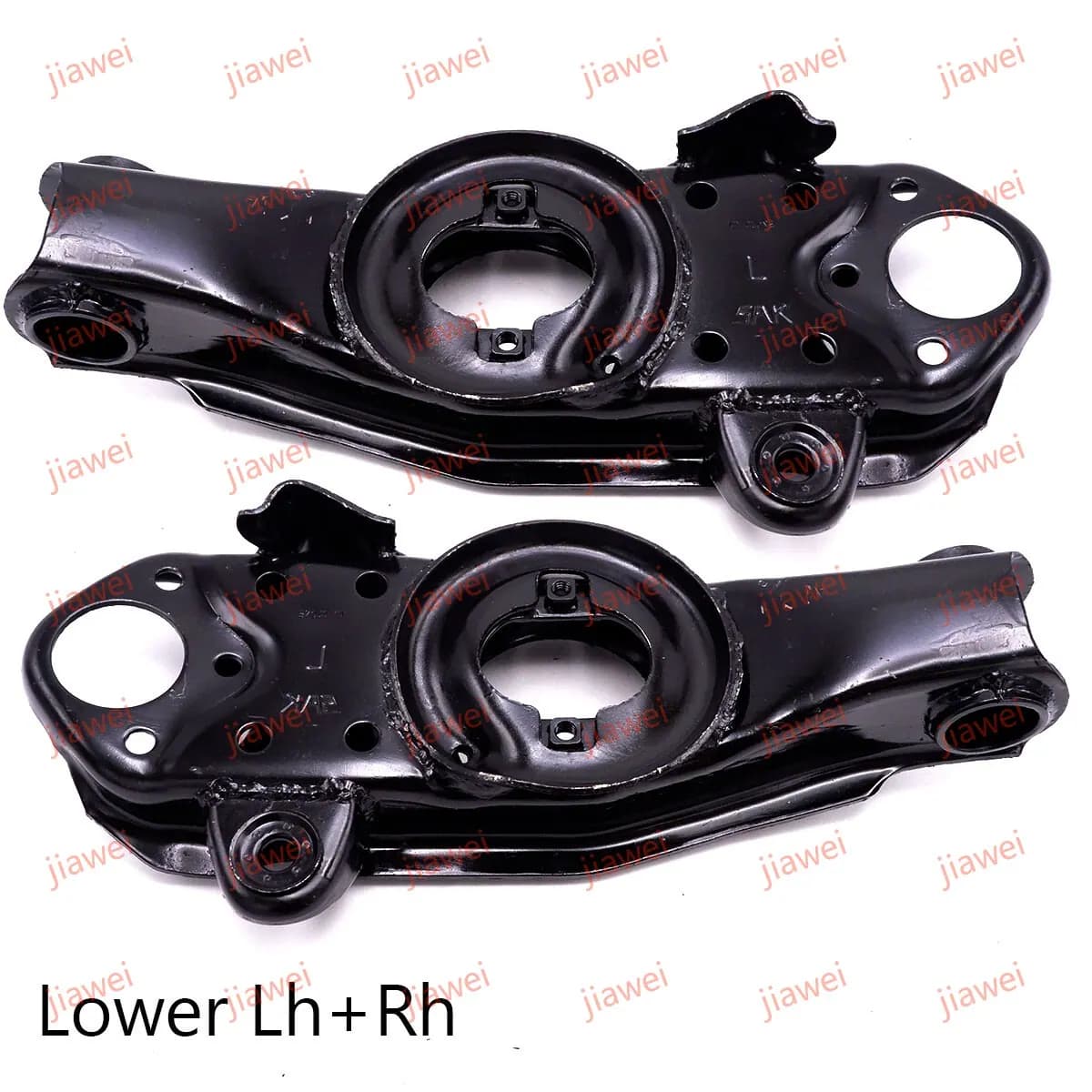
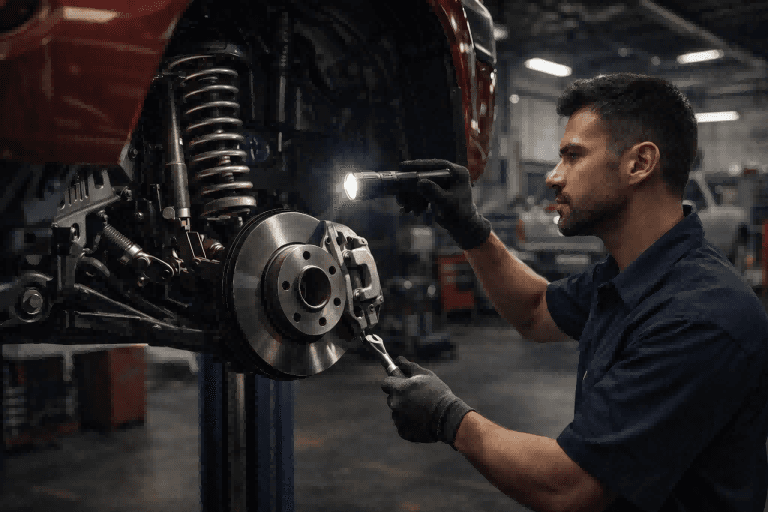
The front suspension received geometry revisions on the KL platform — primarily in the control arm pivot angles and the steering knuckle design. These changes were made to improve steering feel and off-road articulation (the Super Select 4WD-II system recalibration required geometry changes to the front axle). The practical effect for parts: front upper and lower control arms are new OE numbers on the KL. Stabilizer links and rear suspension components carry over from KB in most variants. Ball joint tapers changed — KB ball joints do not press into KL arms correctly.
What Carries Over
Rear leaf spring packs on standard configurations. Stabilizer bar end links (front and rear — confirm with EPC before ordering). Rear shock absorbers in most variants. Many rubber seals and grommets. Interior components are largely platform-specific due to the new dashboard design, but this is outside JIAWEI's product range. For B2B distributors focused on the high-volume aftermarket categories — lighting, cooling, suspension — the working assumption should be: lighting is a full break, cooling requires SKU-level verification, suspension is a partial break (rear OK, front requires new SKUs).
OE Cross-Reference: Lighting Parts (KB vs KL)
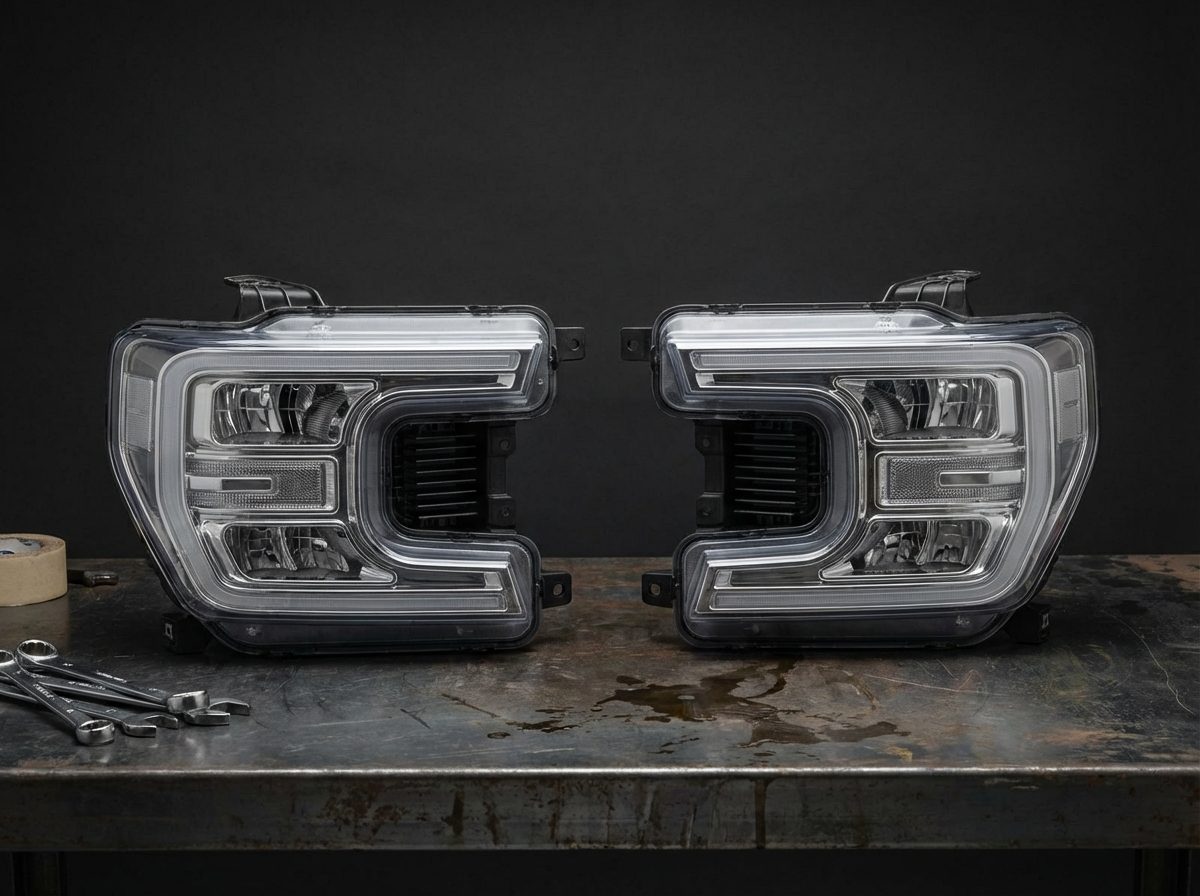
Headlights are the highest-return category on new platform launches. The table below covers the primary headlight and tail light OE numbers across the KB and KL platforms. All numbers should be verified against the current Mitsubishi EPC before ordering — early aftermarket catalog entries for the KL are still being corrected as the supply chain catches up with the new platform.
| OE Number | Platform | Chassis Code | Part | Side | Notes |
|---|---|---|---|---|---|
| 8301C389 | 5th Gen KB | KL4T / KB (2015–2023) | Headlight Assy | LH | Halogen. High-volume SKU across LATAM, Middle East, Africa. Strong reorder cycle [verify against EPC] |
| 8302C389 | 5th Gen KB | KL4T / KB (2015–2023) | Headlight Assy | RH | Halogen. Confirm pre/post facelift (2018 facelift updated the assembly) [verify against EPC] |
| 8301A261 | 5th Gen KB | KB (pre-facelift, 2015–2018) | Headlight Assy | LH | Pre-facelift. Still active in East Africa and Southeast Asia fleets [verify against EPC] |
| 8302A261 | 5th Gen KB | KB (pre-facelift, 2015–2018) | Headlight Assy | RH | [verify against EPC] |
| 8330C665 | 5th Gen KB | KB (2015–2023) | Tail Light Assy | LH | High steady-volume SKU. Reorder cycle approx. 12 months in LATAM accounts [verify against EPC] |
| 8331C665 | 5th Gen KB | KB (2015–2023) | Tail Light Assy | RH | [verify against EPC] |
| KL Platform — TBD | 6th Gen KL | KL (2023–present) | Headlight Assy (LED) | LH/RH | Full LED on higher trims. New mounting geometry — does NOT cross to KB. Verify OE against Mitsubishi EPC 2024+ before stocking |
| KL Platform — TBD | 6th Gen KL | KL (2023–present) | Tail Light Assy | LH/RH | New design. Does not fit KB. Connector and mounting points revised. Verify OE before ordering. |
Have a KL Triton OE list you need verified? Send us your catalog and we'll cross-check against our EPC database — including confirming which KB numbers are still valid and which have been superseded. Request verification →
OE Cross-Reference: Cooling Parts (4N15 vs 4N16)
This is where the twin-turbo architecture of the 4N16 creates the most sourcing confusion. The intercooler core dimensions changed, and the pipe routing is a new design. Any supplier claiming the 4N15 intercooler pipes cross to the 4N16 should be asked to provide dimensional drawings — they don't. Radiator dimensions are similar overall, but confirm coolant capacity and connection points before ordering KL radiators using KB OE numbers.
| OE Number | Platform | Chassis | Part | Engine | Notes |
|---|---|---|---|---|---|
| 1950A299 | 5th Gen KB | KB (2015–2023) | Intercooler Assy | 4N15 2.4L single-turbo | Bar-and-plate core. Steady mover in mining/agricultural fleet markets [verify against EPC] |
| 1770A502 | 5th Gen KB | KB (2015–2023) | Radiator Assy | 4N15 2.4L | AT/MT variants — confirm transmission before ordering. Different tank design per variant [verify against EPC] |
| 1950A299 (superseded) | 5th Gen KB | KB (2015–2018 pre-facelift) | Intercooler Assy | 4N15 early tune | Some markets had revised tune post-2018 — check if the supersession applies to your market [verify against EPC] |
| KL 4N16 — TBD | 6th Gen KL | KL (2023–present) | Intercooler Assy | 4N16 2.4L twin-turbo | New core dimensions for twin-turbo. Pipe routing completely revised. Do NOT source KB pipes for KL trucks. Verify OE before stocking. |
| KL 4N16 — TBD | 6th Gen KL | KL (2023–present) | Radiator Assy | 4N16 2.4L twin-turbo | Dimensions similar to KB overall but connection points revised. Verify OE before ordering in volume. |
A Note on Twin-Turbo Intercooler Specs
The 4N16's sequential twin-turbo setup runs higher intercooler inlet temperatures under load than the single-turbo 4N15 — particularly in markets where trucks work at altitude (Peru, Chile, Bolivia, Ethiopia) or in sustained towing applications (Australia, South Africa). When sourcing KL intercoolers, specify bar-and-plate construction rather than tube-and-fin. The bar-and-plate design handles thermal cycling better under the higher temperature differential of the twin-turbo setup, which means fewer warranty returns from fleet operators who run hard. We learned this the hard way with an early batch of tube-and-fin KB intercoolers that went to a mining distributor in Chile — the altitude and continuous duty cycle exposed the design's limits faster than the usual 18-month warranty cycle.
OE Cross-Reference: Suspension Parts
Rear suspension crosses cleanly in most configurations. Front control arms and ball joints require new SKUs for the KL. Plan your KL suspension catalog around front-end new OE numbers and keep your KB stock for the installed base — which will remain the larger volume in most markets for several years.
| OE Number | Platform | Chassis | Part | Position | Notes |
|---|---|---|---|---|---|
| 4013A296 | 5th Gen KB | KB (2015–2023) | Control Arm | Front Upper LH | High-wear SKU in off-road and mining fleet markets. Ball joint taper does NOT cross to KL [verify against EPC] |
| 4014A296 | 5th Gen KB | KB (2015–2023) | Control Arm | Front Upper RH | [verify against EPC] |
| 4013A397 | 5th Gen KB | KB (2015–2023) | Control Arm | Front Lower LH | [verify against EPC] |
| 4014A397 | 5th Gen KB | KB (2015–2023) | Control Arm | Front Lower RH | [verify against EPC] |
| MR591115 | 5th Gen KB | KB (2015–2023) | Stabilizer Link | Front | Cross-compatibility with KL to be confirmed against EPC 2024+ — likely carries over [verify against EPC] |
| KL Platform — TBD | 6th Gen KL | KL (2023–present) | Control Arm (Front) | Upper + Lower | New pivot geometry. Ball joint taper changed. Do not substitute KB arms. Confirm OE against Mitsubishi EPC before stocking. |
Which Markets Are Running KL Volume Now
The 6th-gen Triton has rolled out unevenly across global markets — the volume is concentrated in specific regions, which determines how urgently you need to build KL catalog depth.
Australia
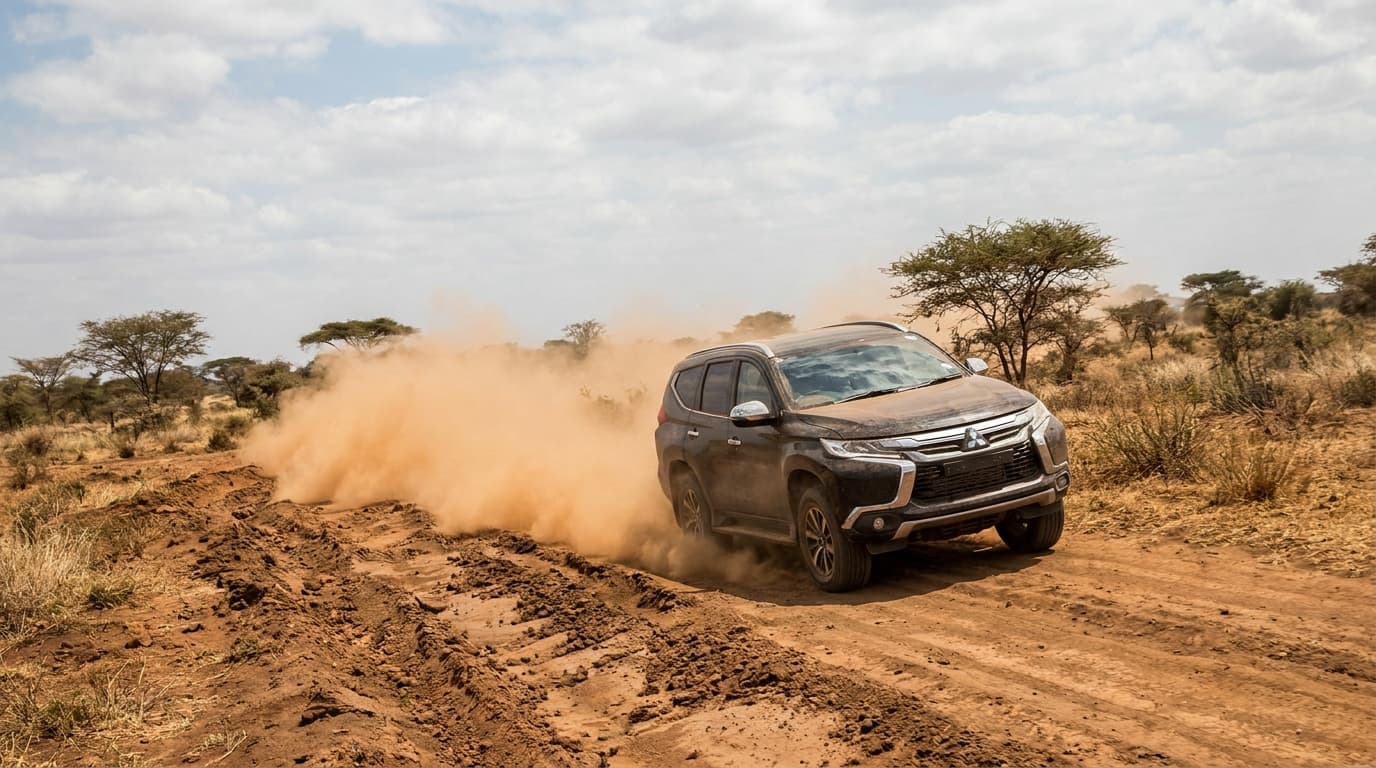
Australia was the first major market to receive the 6th-gen Triton in volume (late 2023), and the truck has sold strongly — Mitsubishi consistently ranks the Triton in the top 5 utes sold monthly in Australia (Source: VFACTS, Federal Chamber of Automotive Industries, 2024). Australian workshops and parts distributors should already be stocking KL parts. The aftermarket supply chain is further along for Australia than any other market — if you're sourcing KL parts and your supplier doesn't have AU-market experience, that's a flag.
Southeast Asia (Thailand, Indonesia, Philippines, Vietnam)
Thailand-assembled 6th-gen trucks are now shipping to multiple Southeast Asian markets. Indonesia and the Philippines are key volume markets where the Triton competes with the Hilux for commercial fleet accounts. Based on our distributor network data, KL trucks began appearing in significant numbers in SEA fleets from Q3–Q4 2024 (based on JIAWEI 4x4 shipping records and SEA distributor feedback, 2024–2025). Distributors in Thailand, the Philippines, and Indonesia should be building KL depth now.
South Africa
South Africa is a strong Triton market — the truck competes directly with the Ranger and Hilux in the commercial segment. The 6th gen launched in South Africa in 2024 and has been well received. Fleet operators in mining, agriculture, and logistics are the primary buyers. Build KL intercooler and suspension depth for South Africa; the mining duty cycle in Limpopo and Mpumalanga accelerates wear on both categories.
Latin America (Chile, Colombia, Peru, Ecuador)
Chile was the first major LATAM entry point for the 6th-gen Triton, arriving in H2 2024. Colombia and Peru are following through 2025. The established 5th-gen KB installed base remains large — reorders on KB parts will remain the volume play in LATAM through at least 2026–2027. We recommend treating KL parts as a new catalog category running in parallel, starting with lighting and intercooler SKUs, not replacing your KB stock yet (based on JIAWEI 4x4 LATAM distributor feedback, Q1 2026).
Middle East (Saudi Arabia, UAE, Qatar)
The Triton has always been a secondary vehicle to the Hilux in Gulf markets — but it maintains a loyal installed base among Mitsubishi-brand workshops and fleet operators who prefer the Mitsubishi dealer network. 6th-gen trucks arrived in GCC markets in 2024–2025. The transition pace in the Gulf mirrors Southeast Asia more than LATAM — faster fleet turnover, more urgency to build KL depth sooner.
Sourcing Intelligence: The Specific KL Risks
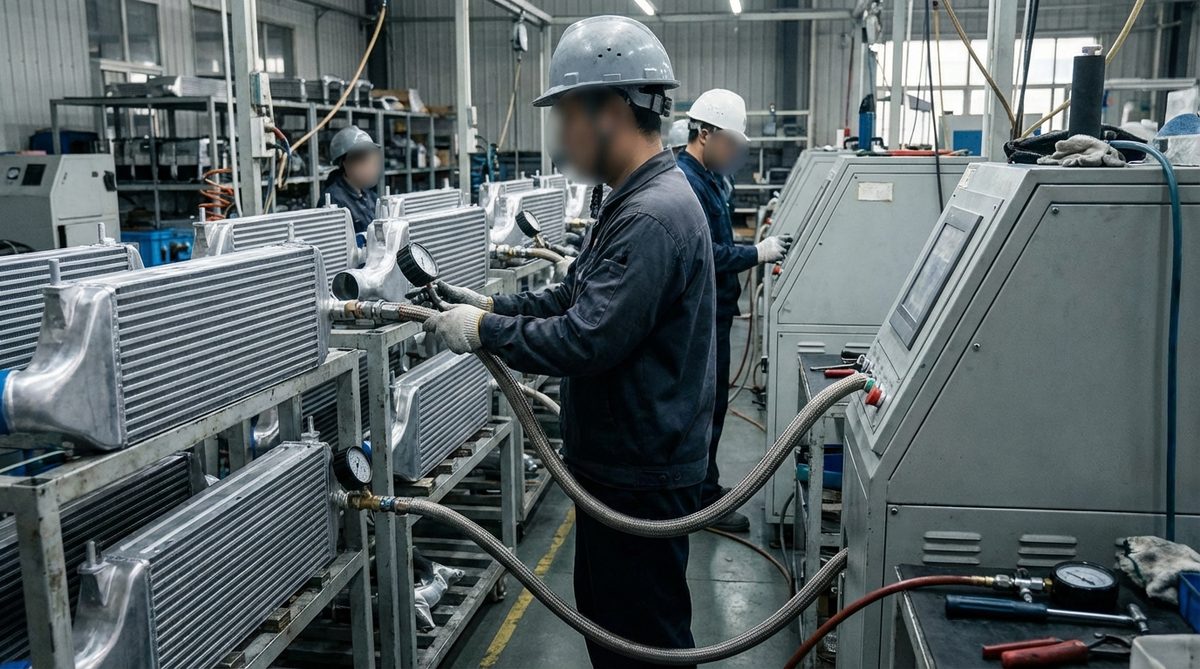
Three failure modes we've seen from distributors who rushed KL catalog builds without proper verification:
Risk 1: The 4N16 Pipe Mismatch
The intercooler pipe set is the most common sourcing error on KL trucks. The twin-turbo 4N16 has a different pipe routing, and the hot-side pipe diameter is not the same as the 4N15. We have had suppliers present parts labeled as "fits 4N15/4N16" that fit neither properly — they were a hybrid spec that doesn't match OEM dimensions on either engine. If a supplier is offering you a cross-platform pipe set, ask for a dimensional drawing. Compare the hot-side diameter and bend radius against the OEM drawing. Do not accept "fits both" claims without physical verification.
Risk 2: Early-Build KL Headlight Connector Revisions
The first production year of the KL (late 2023 – mid-2024) had a minor harness revision on the headlight connector in some markets. Trucks built before and after this revision use slightly different connector housings. This is the kind of detail that only surfaces when you're matching physical parts against physical trucks. If a customer reports a connector fit issue on an early KL build, ask for the VIN and cross-check the production date against the EPC connector revision date before ordering a replacement.
Risk 3: KB Suspension Parts Listed as KL-Compatible
This is the highest-return risk in the suspension category. Some aftermarket catalog systems have added the KL chassis code to existing KB suspension listings without having validated the fit. The front control arm geometry change is real and documented in the Mitsubishi EPC. Before placing a KL suspension order, ask your supplier specifically: "Is this tooled for the 6th-gen KL geometry, or are you listing KB fitment?" If they can't answer that question specifically, buy elsewhere or send a sample for physical fitment verification before committing to volume.
General Checklist Before Your First KL Order
- Confirm which KL variant (engine output, trim level) your market is importing — 4N16 tune varies slightly by market and affects intercooler specs
- Request dimensional drawings for all pipe sets — do not accept visual similarity as proof of fitment
- Test one headlight sample against a physical KL truck before committing to MOQ
- For control arms: request ball joint taper angle specification in writing
- Verify against the Mitsubishi EPC 2024 catalog revision before placing volume orders
Frequently Asked Questions
Do KB-generation Triton parts fit the 6th-gen KL?
Partially. Rear suspension components and stabilizer links generally cross in most configurations. Front control arms, headlights, and intercooler pipe sets are new OE numbers and do not fit KB platforms. The 4N16 engine has different cooling architecture than the 4N15 — do not assume intercooler pipe compatibility. Always verify against the Mitsubishi EPC 2024+ before ordering KL parts using KB references.
Which intercooler do I order for a 4N16 KL Triton?
The 4N16 twin-turbo requires a new-design intercooler — the 4N15 core does not fit. The pipe routing changed on the hot side and the core inlet/outlet dimensions differ. When sourcing, specify bar-and-plate construction (not tube-and-fin) for markets with altitude operation or sustained commercial duty cycles. Verify the current OE number against the Mitsubishi EPC before your first order, as early aftermarket catalog entries for the KL are still being updated.
What's the difference between KB and KL chassis codes?
KB refers to the 5th-generation Triton/L200, produced 2015–2023. It uses the 4N15 single-turbo 2.4L diesel. KL is the 6th generation (2023–present), using the 4N16 twin-turbo 2.4L diesel with 201 hp. The KL is sold as "Triton" in most global markets and as "L200" in some markets (Europe, Latin America). Platform code KL4T is used in some regional registrations. Both refer to the same 6th-gen vehicle.
Is the 6th-gen Triton available in both LHD and RHD?
Yes. RHD markets include Australia, Thailand, South Africa, Japan, and others. LHD markets include most of Latin America, the Middle East, and Europe. Headlight assemblies are beam-pattern specific to LHD/RHD — order the correct specification for your market. Other parts (cooling, suspension) are generally not LHD/RHD sensitive unless specified.
What's the MOQ for KL Triton parts from JIAWEI?
Lighting assemblies: typically from 10 units per side. Intercoolers: from 5 units. Control arms: from 20 units per side. Mixed-category orders are supported. Lead times on KL parts may be slightly longer than established KB SKUs as we continue building stock depth on the new platform. Contact us to confirm specific SKU availability before placing your first KL order.
How long will KB Triton parts remain in demand?
A long time. The 5th-gen KB had an 8-year production run (2015–2023) and there are hundreds of thousands of units in active service across LATAM, Southeast Asia, Africa, and the Middle East. In markets with long fleet retention cycles — East Africa, the Andean region — KB demand will be active well into the 2030s. We are not reducing KB stock depth; we're adding KL as a parallel catalog. Both platforms will run simultaneously in our inventory for the foreseeable future.
Build Your KL Triton Catalog with Confidence
We stock both KB and KL parts and can help you map exactly which SKUs carry over and which require new OE sourcing. Send us your current Triton parts list — KB OE numbers included — and we'll return a KL compatibility analysis with confirmed availability. Request KL compatibility analysis →
To browse our current Mitsubishi L200/Triton catalog, browse our Mitsubishi L200/Triton parts catalog where both KB and KL SKUs are listed.
Sources & Methodology
- Platform and model data: Mitsubishi Motors Corporation global press releases, 2023–2025; Mitsubishi Motors Australia product launch documentation, 2023
- OE part numbers: Mitsubishi Electronic Parts Catalog (EPC), accessed via authorized distributor network, 2022–2025 catalog revisions. KL-platform OE numbers flagged [verify against EPC] pending supply chain confirmation.
- Sales data: VFACTS (Federal Chamber of Automotive Industries, Australia), 2024 monthly reports; JIAWEI 4x4 distributor network shipping records and SEA/LATAM distributor feedback, 2024–2025
- Technical standards referenced: IATF 16949 (automotive quality management), ISO 16750 (environmental conditions for vehicle equipment), ECE R112 (headlamp regulations)
- Market intelligence: JIAWEI 4x4 internal data from KB/KL transition tracking, Australia and Southeast Asia accounts, 2024–2025
This article was last reviewed on April 9, 2026. KL-platform OE numbers are subject to revision as the aftermarket supply chain catalog matures. If you identify any inaccuracy, please let us know.