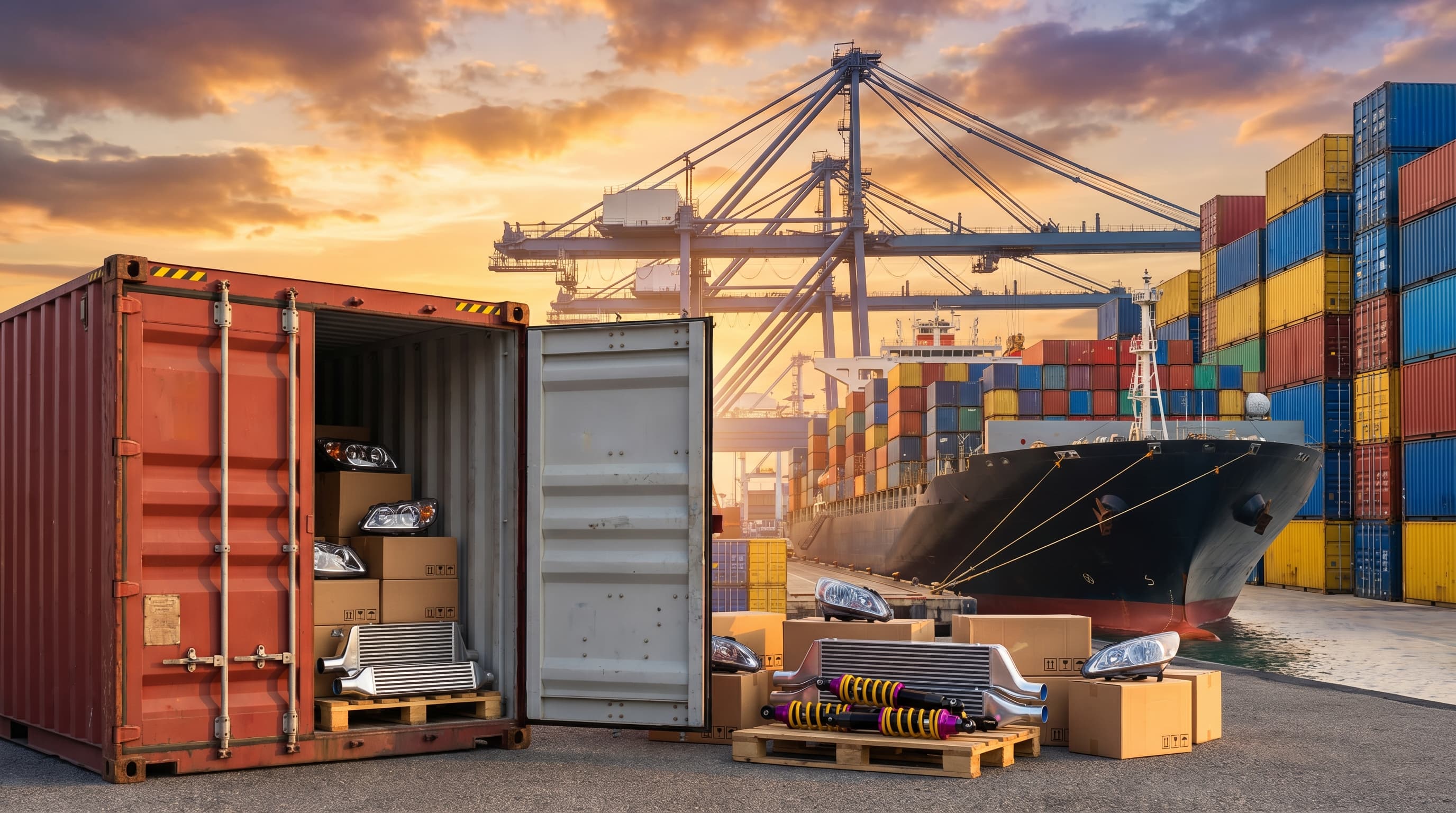
Since 2025, we've had versions of the same question arrive from distributors in Santiago, Lima, Bogotá, Riyadh, and Dubai: "Are the US tariffs on Chinese parts going to affect our prices?" It's a fair question — the news coverage made the tariffs sound like a global supply chain earthquake. The honest answer is more nuanced than either "yes, panic" or "no, ignore it." What the tariffs did to the US market is real. What they do to your import costs from China — directly — is essentially nothing. But the indirect effects are worth understanding before your next sourcing cycle.
This guide separates what's actually happening from what's noise. We're not writing this to tell you Chinese suppliers are fine or not fine — we're writing it because the tariff confusion is causing some buyers to make sourcing decisions based on incomplete information, and that costs money.
What the US Tariffs Actually Are
The US Section 301 tariffs on Chinese goods were originally imposed in 2018 and have been expanded, adjusted, and renewed in several rounds since. For automotive parts specifically, the relevant tariff layers are: an existing Most-Favored-Nation (MFN) rate that varies by HS code (typically 2.5–4% for auto parts), a Section 301 tariff layer of 25% applied to most auto part categories, and additional tariff adjustments that bring the effective combined rate on many Chinese-origin auto parts to 25–45% for US importers (Source: US Trade Representative, Section 301 Federal Register notices, 2018–2025).
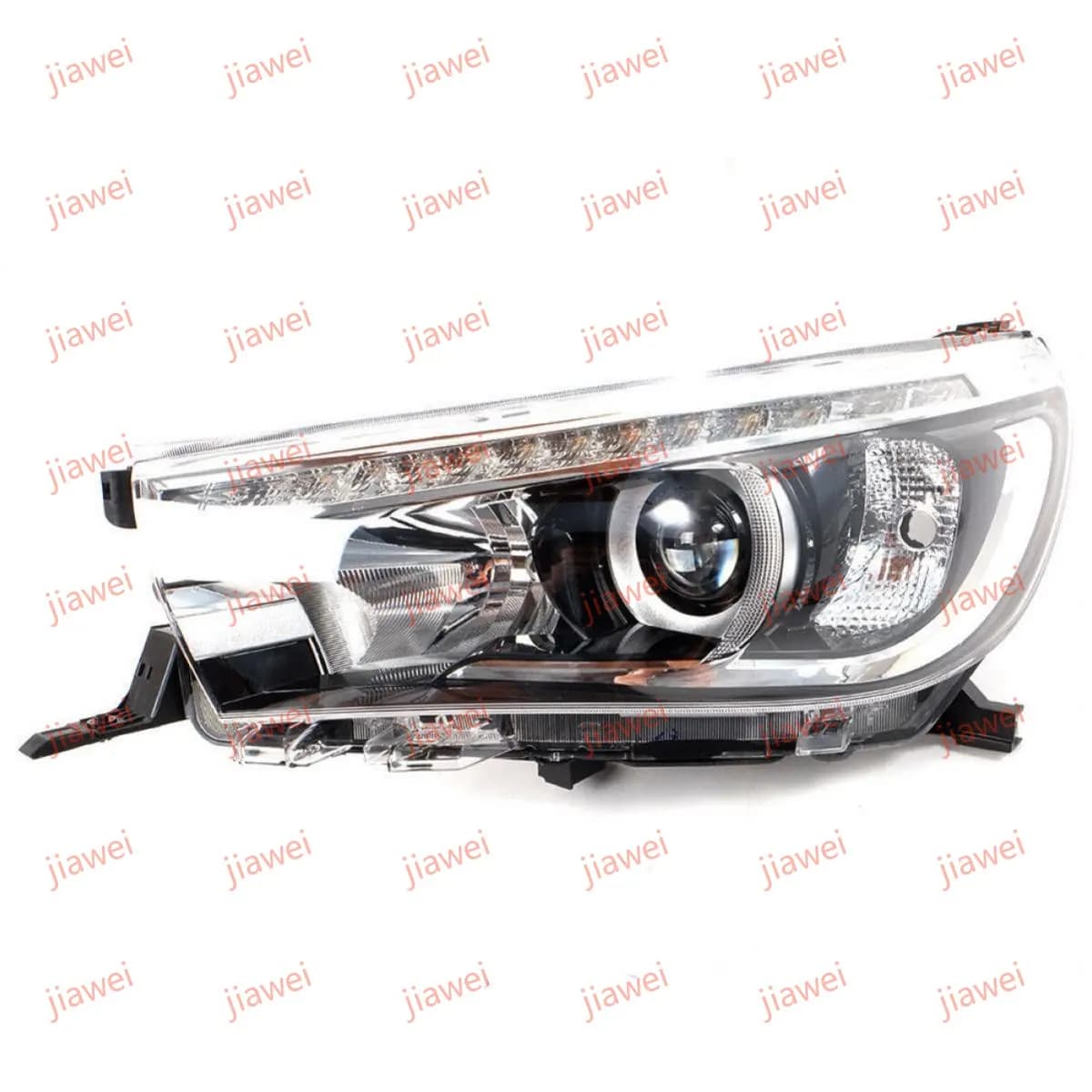
To be precise: a US importer buying a set of Hilux headlights from a Guangzhou supplier pays approximately 25–30% in combined tariffs on top of the FOB price, depending on the specific HS code. That's a significant cost addition that has reshaped US aftermarket sourcing behavior. Some US distributors shifted purchasing to domestic suppliers, Mexican manufacturers, or Vietnamese factories. Others absorbed the cost and passed it to customers. The US aftermarket for Chinese parts didn't collapse — the US is still China's largest export market for auto parts — but margins compressed and some product categories saw genuine reshuffling.
Your Actual Tariff Position: LATAM and Middle East Markets
The tariff rate you pay when importing Chinese auto parts depends entirely on your country's trade relationship with China. Several of your markets have negotiated free trade agreements or preferential schedules that put them in a favorable position relative to US buyers.
Chile
Chile has a comprehensive Free Trade Agreement with China (in force since 2006, expanded 2019). Under this FTA, most auto parts from China enter Chile at reduced or zero tariff rates — significantly lower than the MFN rate (Source: Dirección General de Relaciones Económicas Internacionales de Chile — DIRECON, China FTA schedule, 2024 update). A Chilean distributor importing Hilux cooling parts from Guangzhou is paying substantially less in import duty than any equivalent shipment entering the US. The tariff advantage that Chile has over US buyers actually widened when US Section 301 tariffs escalated.
Peru
Peru's FTA with China entered into force in 2010. Auto parts in most HS headings enter at reduced rates under the FTA schedule. The Peruvian import duty environment for Chinese auto parts has been broadly stable — the primary cost variable is freight and exchange rate, not tariff escalation (Source: Ministerio de Comercio Exterior y Turismo del Perú — MINCETUR, China FTA schedule, 2024). Peru's mining and agricultural fleet operators continue to buy Chinese aftermarket parts as the dominant import source.
Colombia
Colombia does not have a bilateral FTA with China (as of 2026), so Chinese auto parts enter under MFN rates — typically 5–15% depending on the part category. This is meaningfully higher than Chile or Peru's FTA rates but still far below the 25–45% combined rate US importers face (Source: DIAN — Dirección de Impuestos y Aduanas Nacionales de Colombia, Arancel de Aduanas 2024). Colombian distributors are in a competitive position relative to US buyers when sourcing directly from China.
Mexico
Mexico is the most complex case. Mexico has the USMCA (formerly NAFTA) with the US, and the 2026 USMCA formal review is paying close attention to Chinese-origin goods transiting through Mexico. The concern: Chinese auto parts entering Mexico and then being re-exported to the US with Mexican certificates of origin to circumvent US tariffs. This is a real enforcement issue — it is not something legitimate Mexican aftermarket distributors are doing, but the regulatory scrutiny has created some administrative friction for Mexican importers of Chinese parts (Source: US Trade Representative, USMCA Rapid Response Mechanism, 2025). If you're a Mexican distributor, you need your compliance documentation tight. If you're a Colombian or other LATAM distributor, this Mexican issue doesn't affect you directly.
Saudi Arabia and UAE
GCC countries import Chinese auto parts under their standard customs duty schedule — typically 5% for auto parts under GCC Common External Tariff (Source: Gulf Cooperation Council Customs Union, Common External Tariff schedule, 2024). At 5%, GCC buyers are in one of the most favorable tariff positions globally for Chinese sourcing. The Saudi and UAE aftermarket for Chinese parts is large and growing — Chinese-brand vehicles are gaining market share in both markets, which further strengthens the aftermarket supply chain infrastructure for Chinese parts.
The Indirect Effects: What Does Actually Change for You
Direct tariff exposure: minimal to none. But that doesn't mean the US tariff situation is irrelevant to your sourcing. Three indirect effects are worth tracking.
Supplier Capacity and Pricing Reallocation
When the US market reduced Chinese auto parts orders — some categories saw significant volume drops for US-bound shipments — Chinese factories had to find alternative buyers or reduce production. In practice, most major aftermarket suppliers redirected capacity to non-US markets: LATAM, Middle East, Southeast Asia, and Europe. The effect for buyers in these markets was generally positive in the short term: more availability and, in some cases, better pricing as suppliers competed for non-US volume.
This is not guaranteed to persist. If the US and China reach a tariff reduction agreement, US buyers will return and global capacity will be redistributed again. But through 2025–2026, the capacity availability for non-US buyers from Chinese aftermarket manufacturers has been relatively good (based on JIAWEI 4x4 supplier network data, 2024–2025).
The "China+1" Supplier Shift and What It Means for Quality
Some Chinese manufacturers invested heavily in establishing production in Vietnam, Thailand, and Mexico to supply the US market without triggering Section 301 tariffs. This "China+1" strategy means that some suppliers who were previously China-only now have multi-country manufacturing. The quality implication: Vietnam and Thailand facilities from established Chinese manufacturers generally maintain similar quality standards to their China factories — the tooling and processes were transferred. Facilities set up quickly to chase tariff arbitrage may not. If a supplier tells you their part is "made in Vietnam" and you've never visited their Vietnam facility, it's worth asking whether this is their own facility or contract manufacturing, and what their QC inspection protocol is at the Vietnamese plant.
Lead Time Variability
The US tariff uncertainty has caused some Chinese manufacturers to carry higher raw material inventory buffers, which actually helped improve their supply reliability for non-US orders in 2024–2025. However, capacity constraints from dual-market demand (US buyers returning when tariff exceptions apply, non-US buyers ongoing) have occasionally extended lead times on high-demand SKUs. For LATAM distributors: plan for 2–3 additional weeks of lead time buffer compared to 2022–2023 norms for some high-volume Toyota and Mitsubishi lighting SKUs (based on JIAWEI 4x4 order fulfillment data, Q1 2025 – Q1 2026).
Regional Impact Summary Table
| Market | China FTA? | Typical Auto Parts Import Duty | Direct US Tariff Impact | Key Consideration |
|---|---|---|---|---|
| Chile | Yes (since 2006) | 0–6% (FTA rate) | None | Most favorable tariff position in LATAM for Chinese sourcing |
| Peru | Yes (since 2010) | 0–9% (FTA rate) | None | Strong FTA benefits; freight cost is the main variable |
| Colombia | No | 5–15% (MFN rate) | None | Higher than FTA markets but still far below US combined rates |
| Ecuador | No | 5–15% (MFN rate) | None | Similar to Colombia; no FTA but no US tariff exposure |
| Mexico | No | 15–20% (varies) | None direct; USMCA compliance scrutiny | Compliance documentation matters if any goods transit to US |
| Saudi Arabia | No (GCC-China ongoing) | 5% (GCC CET) | None | Very favorable import duty; growing Chinese parts market |
| UAE | CEPA signed 2022 | 0–5% (CEPA/CET) | None | UAE-China CEPA further reduces rates; UAE is a re-export hub |
| United States | No | 25–45% (MFN + Section 301) | Direct and significant | Reference point only — this is the problem US buyers face, not you |
Reviewing your sourcing strategy for 2026? We can provide current lead time estimates and pricing tiers for our Toyota and Mitsubishi parts catalog for your specific market. Request a sourcing consultation →
How to Evaluate Your Chinese Supplier's Stability Under Tariff Pressure
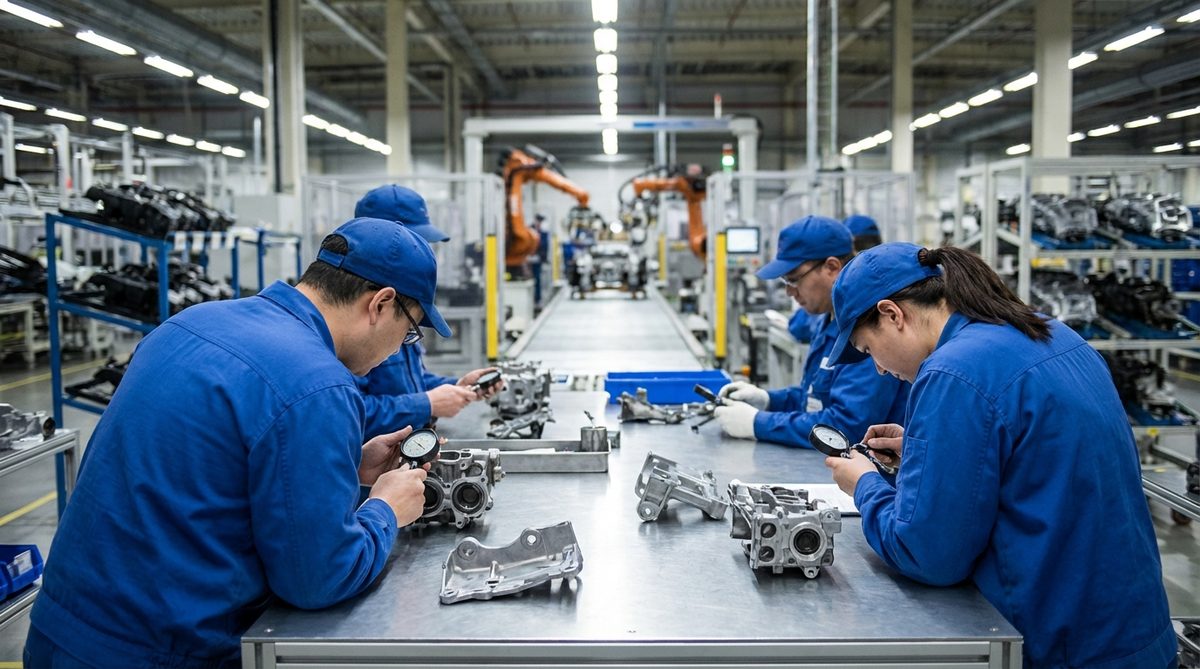
The tariff situation does put genuine financial pressure on Chinese manufacturers with heavy US exposure. A supplier who was doing 60% of their volume into the US market in 2022 and lost a significant portion of that in 2024–2025 has a different financial profile than a supplier whose customer base was already diversified across LATAM, Middle East, Southeast Asia, and Europe. This is worth understanding before you deepen a supplier relationship.
Questions to Ask Your Supplier
These aren't gotcha questions — a good supplier will answer them directly. They give you a picture of financial stability and capacity allocation:
- What percentage of your production goes to the US market? Above 50% means significant US tariff exposure. Below 30% means the tariff situation has less direct impact on their business.
- Have you established production in Vietnam, Thailand, or Mexico? If yes: is that your own facility or contract manufacturing? What QC inspection process applies?
- What has happened to your lead times for LATAM/Middle East orders in 2024–2025? A supplier with honest data on lead time changes is a supplier with honest operational insight.
- What certifications do you hold for your production facility? IATF 16949 certification requires an ongoing audit process that is independent of trade policy — it's a proxy for production stability.
Red Flags to Watch For
Three patterns that should give you pause:
- Sudden "Made in Vietnam" labeling on products that were previously China-origin — without clear documentation of an actual Vietnam production facility. This has happened with some suppliers rushing to reclassify origin to serve US buyers. Parts labeled Vietnam-origin that are actually China-manufactured and transshipped are a compliance risk if any portion of your business touches the US market.
- Price undercutting on your regular SKUs — suppliers desperate for non-US volume sometimes offer prices significantly below their historical norm. This occasionally reflects genuine cost reduction. More often it reflects quality compression or inventory dumping of off-spec stock. If a price is 20%+ below your usual landed cost for the same SKU, ask what changed.
- Capacity promises they can't back up with lead time data — "we have plenty of stock" without a clear answer on current order-to-ship lead time for your specific SKUs. A supplier with inventory strain from US market disruption may over-promise on availability to capture non-US orders.
Practical Sourcing Implications for Your 2026 Planning
Given everything above, here's how we'd translate this into concrete actions for distributors in LATAM and the Middle East:
You Don't Need to Urgently Diversify Away from Chinese Suppliers
Unless your market has its own trade policy shift with China — which none of the major LATAM or GCC markets have announced — there's no structural reason to move away from established Chinese suppliers based solely on US tariff news. Your tariff position is separate. Your existing supply chain relationships and pricing are not under the same pressure that US buyers face.
Do Verify Supplier Financial Health for Long-Term Contracts
If you're signing a 2-year supply agreement or investing in a dedicated mold for a custom SKU, it's worth doing a basic supplier stability check. Ask for their IATF 16949 certificate (valid, not expired), visit the facility if you haven't in 2+ years, and understand their US market exposure. For suppliers with significant US exposure who are now redirecting to your market, that can be an opportunity or a risk depending on their underlying financial position.
Watch the Mexico Situation if You Serve Any US-Connected Distribution
If your distribution network has any channel that supplies goods that eventually reach the US market — even indirectly — the USMCA rules of origin scrutiny is real and increasing. Keep your certificates of origin documentation current and accurate. This is a compliance issue, not a tariff issue, but the enforcement environment around it has tightened since 2025.
Consider Lead Time Buffers on High-Demand SKUs
As noted above, some high-volume Toyota and Mitsubishi aftermarket SKUs have experienced extended lead times as Chinese manufacturers balance US and non-US demand. Adding 2–3 weeks of buffer to your reorder points for fast-moving lighting and cooling SKUs is a reasonable operational adjustment for 2026.
Frequently Asked Questions
Do US tariffs on Chinese auto parts affect prices in Chile, Peru, or Colombia?
Not directly. US Section 301 tariffs apply only to goods entering the United States. Imports into Chile, Peru, or Colombia from China are governed by those countries' own tariff schedules — Chile and Peru benefit from FTA rates that are significantly lower than US rates. Any price changes you see from Chinese suppliers are driven by their own cost structure and market positioning, not by US tariff policy.
Should I be concerned that my Chinese parts supplier is financially unstable due to US tariffs?
It depends on their US market exposure. A supplier with 60%+ of volume going to the US has felt real pressure since 2024–2025. A supplier with diversified global distribution has been less affected. Ask them directly what percentage of their volume goes to the US market. The best suppliers will answer that question clearly. IATF 16949 certification is an independent indicator of production stability worth checking regardless.
Can I get better pricing from Chinese suppliers now because of their US market losses?
Possibly, but cautiously. Some suppliers are offering better terms to non-US buyers to compensate for reduced US volume. This can be a genuine opportunity. The risk is that significant price drops on specific SKUs sometimes reflect quality compression or inventory clearance of off-spec stock rather than true cost reduction. Request samples and inspection reports before committing to volume at prices significantly below your historical baseline.
Does the UAE-China CEPA affect how I import parts through UAE?
The UAE-China Comprehensive Economic Partnership Agreement (CEPA), which entered into force in 2022, further reduces tariffs on Chinese-origin goods entering the UAE. If you're using UAE as a re-export hub — which is common for distributors serving the wider Gulf and East Africa — Chinese parts entering UAE benefit from reduced import duties under CEPA, which can improve the economics of UAE-transited shipments. Confirm the specific HS codes and CEPA rates with your UAE customs broker before planning logistics around this (Source: UAE Ministry of Economy, CEPA implementation guide, 2022–2024).
What happens if the US and China reduce tariffs? Does that hurt non-US buyers?
If US tariffs on Chinese auto parts are reduced, US buyers re-enter the market and global capacity tightens again. The effect on non-US buyers would be reduced availability and potentially higher prices as Chinese manufacturers prioritize higher-margin US orders. This is a real risk scenario for 2026–2027 depending on trade negotiations. Building 4–6 weeks of buffer stock on your fastest-moving SKUs is a reasonable hedge regardless of how that plays out.
What should I ask my Chinese supplier to verify their production hasn't moved to a tariff-avoidance setup?
Ask for their factory address, IATF 16949 certificate with the facility address listed, and — if they claim Vietnam or Thailand production — a copy of the factory registration document for that facility. Reputable suppliers with genuine multi-country production will have these documents ready. Suppliers using transshipment to claim false origin will struggle to produce them. For any part that's safety-critical (lighting, suspension), a factory audit visit or third-party inspection is worth the investment for new suppliers.
Stable Sourcing Regardless of Trade Headlines
Our production is in Guangzhou and ships direct to distributors in Latin America, the Middle East, Southeast Asia, and Africa. We don't have US-market exposure that drives our pricing decisions for your region. If you want a straightforward conversation about current pricing, lead times, and what we're seeing in the supply chain — without the noise of US trade policy — reach out directly.
You can also browse our Toyota and Mitsubishi 4x4 parts catalog to see current availability by category.
Sources & Methodology
- US tariff policy: US Trade Representative (USTR), Section 301 Federal Register notices, 2018–2025; Office of the United States Trade Representative, Section 301 tariff lists, March 2025 update
- Chile FTA with China: Dirección General de Relaciones Económicas Internacionales de Chile (DIRECON), China FTA tariff schedule, 2024 update
- Peru FTA with China: Ministerio de Comercio Exterior y Turismo del Perú (MINCETUR), China FTA tariff schedule, 2024
- Colombia tariff schedule: DIAN — Dirección de Impuestos y Aduanas Nacionales de Colombia, Arancel de Aduanas 2024
- GCC Common External Tariff: Gulf Cooperation Council Customs Union, Common External Tariff schedule, 2024
- UAE-China CEPA: UAE Ministry of Economy, CEPA implementation guide, 2022–2024
- USMCA compliance: US Trade Representative, USMCA Rapid Response Mechanism enforcement actions, 2025
- Supply chain and market data: JIAWEI 4x4 supplier network data, order fulfillment records, and distributor feedback across LATAM, Middle East, and SEA, 2024–2025
This article was last reviewed on April 9, 2026. Trade policy is subject to rapid change. Tariff rates and FTA schedules cited are accurate as of Q1 2026 — verify current rates with your local customs broker before making sourcing decisions. If you identify any inaccuracy, please let us know.