Genuine vs Aftermarket Parts: A Practical B2B Buying Checklist
How importers and workshops can evaluate quality, fit risk, and total cost before placing volume orders.

Direct takeaway
- Genuine-versus-aftermarket comparisons work best when they clarify sourcing risk, warranty expectations, and margin tradeoffs for the target market.
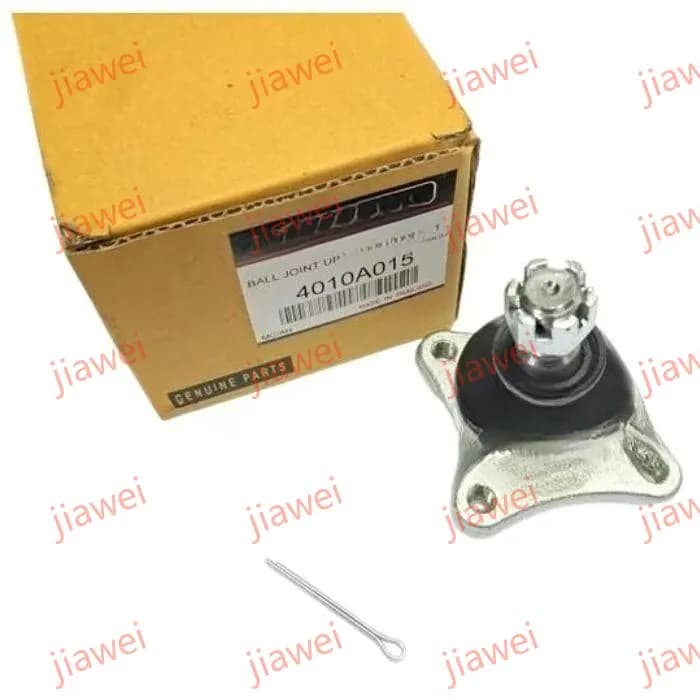
- Buyers should not stop at brand labels. The practical RFQ still needs OE number, fitment notes, and shipment intent.
- The strongest comparison pages help importers decide which part lines should stay close to OE and which can move into broader aftermarket programs.
Start with fit-risk, then price
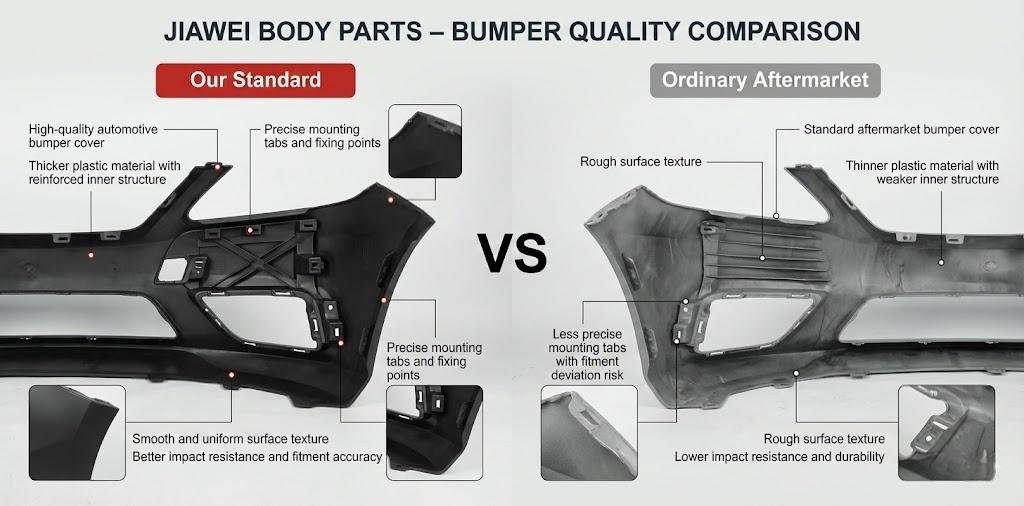
In B2B supply, a lower unit price can still be expensive if fitment errors create returns and workshop rework time. The first question should be: Will this part install and perform correctly in our target models?
1) Supplier screening checklist
- Clear OE cross-reference and model-year coverage
- Quality process evidence (incoming check, final inspection)
- Sample policy before volume order
- Lead-time consistency, not only fastest quote
2) Compare total cost, not invoice price only
- Return and replacement rate
- Freight and damage risk
- Warranty handling speed
- Communication responsiveness during issues
3) Build a two-layer sourcing model
Many buyers keep one stable supplier for high-runner SKUs and a second backup source for surge demand. This reduces stockout risk without overloading one channel.
Contract points worth adding
- Accepted fitment tolerance and rejection criteria
- Photo or video evidence format for quality claims
- Response SLA for shortage or defect cases
Sources
Genuine vs aftermarket sourcing filter
| Decision filter | Genuine-leaning | Aftermarket-leaning |
|---|---|---|
| Fitment sensitivity | High | Medium with stronger cross-check |
| Margin target | Usually lower | Usually better |
| Best use case | Strict replacement expectations | Mixed catalog and replenishment planning |
FAQ
How should importers compare genuine and aftermarket parts without slowing the RFQ?
Use the comparison to define fitment tolerance, warranty expectations, and target market requirements, then quote with OE number, model year, and quantity plan.
Which parts usually need stricter sourcing rules?
Lighting, cooling, and fitment-critical body parts usually need tighter validation because claims and installation issues are more expensive there.