Ford EV Pickup Plan; Stellantis-Dongfeng Tie-Up; Nissan Shift
Ford details EV pickup strategy. Stellantis eyes Dongfeng factory tie-up in Europe and China. Nissan weighs production shift from Mexico.
Direct takeaway
- This guide explains market news with practical sourcing context for importers, distributors, and workshops.
- Use it to decide what to validate before quoting, not just to read a generic overview.
- If you already have OE numbers or a target part list, the next step is turning the guide into a cleaner RFQ.
The Tiered Capacity Squeeze: Why China-to-LatAm Slots Are Closing
As OEMs fight for factory space and aftermarket giants consolidate, distributors face a structural shortage of export slots. We've analyzed the cross-sector data to define your stocking window.
The Tiered Capacity Squeeze
At JIAWEI, we don't just see three separate news stories this week. We see a single structural force tightening the vice on Guangzhou exporters: The Tiered Capacity Squeeze. This isn't about demand collapsing; it's about the supply chain "slots" for manufacturing, labor, and shipping being consumed by adjacent industries before your orders can clear.
Understanding this structure matters because it dictates your lead times more than any tariff announcement. When automotive OEMs share factories (Source 1), aftermarket giants buy out IP portfolios (Source 2), and FMCG giants enforce labor compliance in shared labor markets like Mexico (Source 3), the available capacity for Tier 2 and Tier 3 aftermarket exporters shrinks. We are moving from an era of "just-in-time" to "just-in-case" inventory planning.
These nodes reinforce each other: OEMs take the factory floor, aftermarket giants buy the remaining IP, and logistics slow down due to labor compliance checks. If you are running a lean inventory model with only 4 weeks of stock, this environment is mismatched to reality. You need a buffer.
What happened
Signal 1: OEMs are cannibalizing Tier 2 capacity. Andrew Frick of Ford and the Stellantis-Dongfeng talks confirm that automakers are prioritizing flexible factory usage over dedicated lines. When factories in China pivot to build "extended-range EVs" for export to Europe, the raw material allocation for standard combustion engine parts—like those for the Toyota Hilux or Mitsubishi L200—gets deprioritized. (Automotive News)
Signal 2: The "Category King" consolidation is accelerating. Premium Guard has completed its acquisition of First Brands IP, assets, and filtration lines. This is not just a brand swap; it's a supply chain lockout. By controlling multi-category solutions, they can dictate terms to mold shops and tooling vendors in Guangzhou, effectively reserving production slots for their volume while smaller brands wait. (AftermarketNews)
Signal 3: LatAm entry friction is rising. A new partnership between Nestlé and the ILO focuses on labor rights in Brazil, Colombia, and Mexico. While this is FMCG news, the enforcement mechanisms often bleed into general import compliance. Customs brokers in Manzanillo and Santos are already reporting increased documentation requirements for cargo originating from regions flagged for labor oversight. (Supply Chain Dive)
Risk by SKU Category
The table below breaks down where the "Tiered Capacity Squeeze" hits hardest. We've mapped specific part categories against the three structural forces identified above. Notice that electronics and suspension carry the highest risk due to raw material competition with OEM EV lines.
| Product Category | Risk Driver | Material Risk | Lead Time Risk | Expected Delay | Rec. Safety Stock |
|---|---|---|---|---|---|
| Suspension (Shocks/Coils) | OEM Factory Sharing | High | High | +6-8 wks | 12 Weeks |
| Filtration (Oil/Air) | Aftermarket Consolidation | Medium | High | +4 wks | 10 Weeks |
| LED Lighting | Raw Material (Chips) | High | Medium | +3 wks | 8 Weeks |
| Hard Parts (Gaskets) | Labor Compliance | Low | Medium | +2 wks | 6 Weeks |
| Body Parts (Bumpers) | Freight Capacity | Medium | Low | +1 wk | 6 Weeks |
For distributors serving the Middle East and Southeast Asia, the suspension risk is critical. As Ford and Stellantis pivot to EVs, the aluminum extrusion capacity in Guangdong is being rerouted to battery enclosures and EV chassis components. This directly competes with the raw materials needed for heavy-duty Mitsubishi L200 Parts and Hilux suspension kits. Simultaneously, the consolidation in filtration means generic filter housings are becoming harder to source independently. However, lighting remains a bright spot; while chip costs are volatile, the LED Light Bars supply chain is more modular and less dependent on the heavy steel allocation fighting between OEMs.
Action priority matrix
We've categorized your next moves based on Urgency (Time to implement) vs. Impact (Effect on cash flow and continuity).
Immediate Checklist (complete by 2026-05-01)
- Lock Rates — Contact your forwarder now to lock in Q3 ocean freight rates before the peak season surcharge hits in May.
- Double Order — For fast-moving suspension parts (L200/Hilux), double your standard reorder quantity immediately to cover the projected 6-week delay.
- Supplier Audit — Ask your filter suppliers if they have been impacted by the Premium Guard/First Brands IP consolidation. If yes, qualify a backup source.
- Compliance Check — Verify your Mexican import paperwork includes the new labor compliance affidavits required by the Nestlé/ILO precedent.
- Cash Reserve — Set aside 15% of Q2 operating cash to cover potential air-freight emergencies for high-margin LED units.
Editorial judgment
JIAWEI's position is clear: The window for "business as usual" ordering closes on May 15, 2026. After this date, the convergence of OEM factory sharing and aftermarket IP consolidation will structurally reduce available export slots from Guangzhou. We recommend distributors shift from a 30-day inventory model to a 90-day model immediately for suspension and hard parts. The cost of inaction is not just higher prices, but total stock-outs during the Q3 peak season. We are watching the suspension category for the Hilux and L200 most closely, as this is where OEM EV material demand clashes hardest with aftermarket needs.
FAQ
Should I stop ordering filtration parts due to the Premium Guard deal?
No, but you should diversify. Premium Guard now controls a massive IP portfolio, which gives them pricing power. Do not rely on a single supplier for filters; ensure you have at least two manufacturing sources to avoid being locked out if they prioritize their own private label lines.
Does the Nestlé labor partnership actually affect auto parts?
Indirectly, yes. Customs authorities in Mexico and Brazil often apply "best practice" compliance standards across all imports when high-profile labor deals are signed. Expect more thorough inspections of cargo manifests, which can add 2-4 days to clearance times at major ports like Manzanillo.
Why is suspension risk rated higher than electronics?
Suspension parts require heavy steel and aluminum extrusion. These raw materials are currently being fought over by Ford and Stellantis for their new EV platforms. Electronics rely more on semiconductors, which have a separate, albeit volatile, supply chain that is less directly impacted by factory floor sharing deals.
When does this risk window close?
We project the tightest constraint window to last through Q3 2026. By Q4, new factory capacities in Southeast Asia may come online, but for the immediate 90-day window, you must assume reduced availability from Chinese manufacturing hubs.
Sources
FAQ
How do I turn this guide into a cleaner RFQ?
Send OE number, target model, quantity, and any side or market notes so the team can confirm fitment before quoting.
Is this guide meant for distributors and workshops?
Yes. The content is written for B2B buyers who need fewer fitment mistakes and cleaner purchasing decisions.
Recommended products for this guide
Browse catalog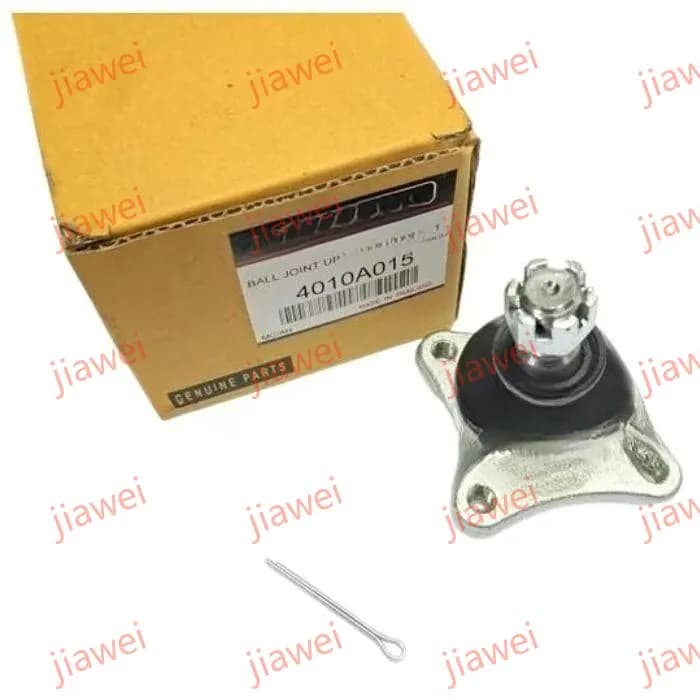
Upper Ball Joint
Mitsubishi L200
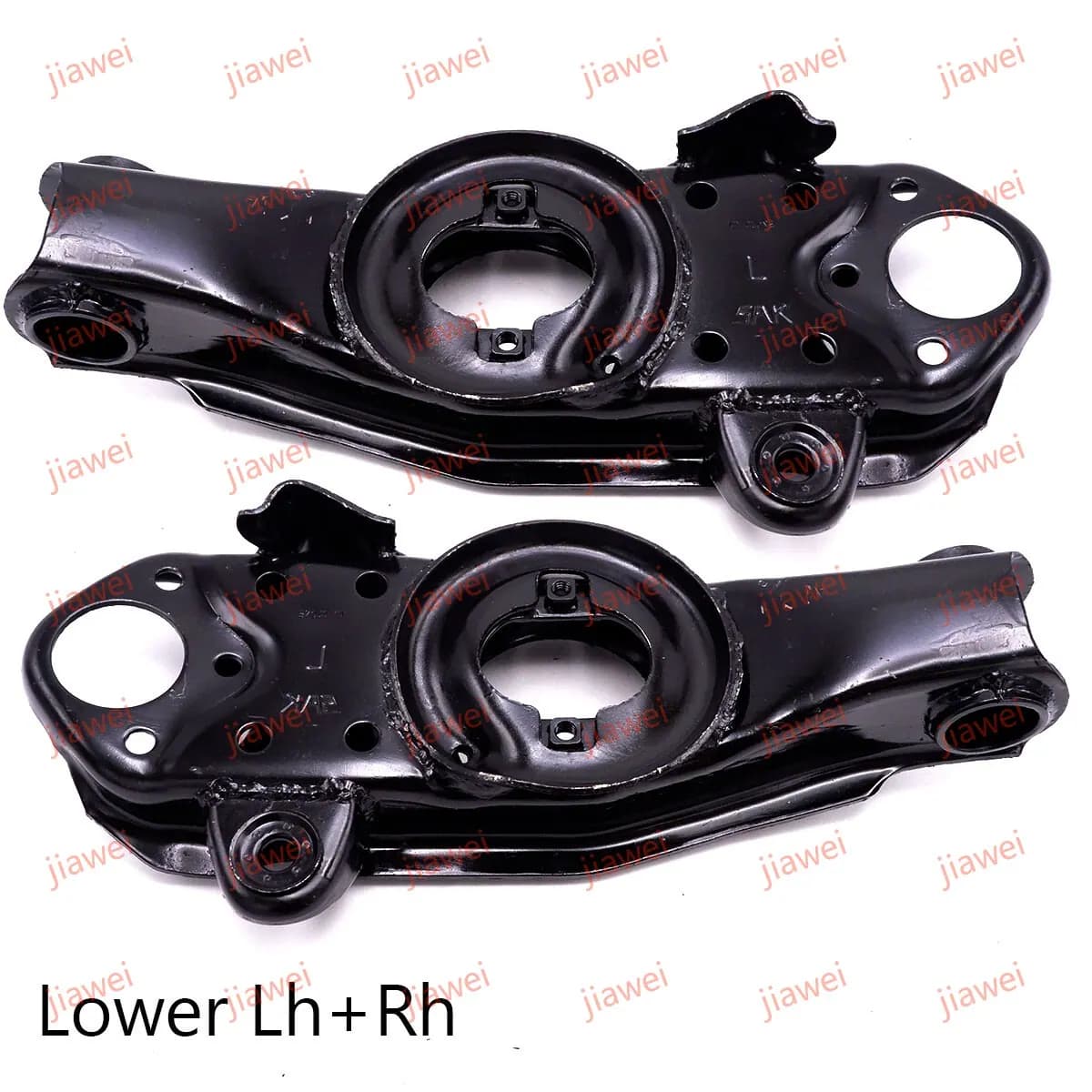
Lower Control Arm
Mitsubishi L200 RH · Mitsubishi L200
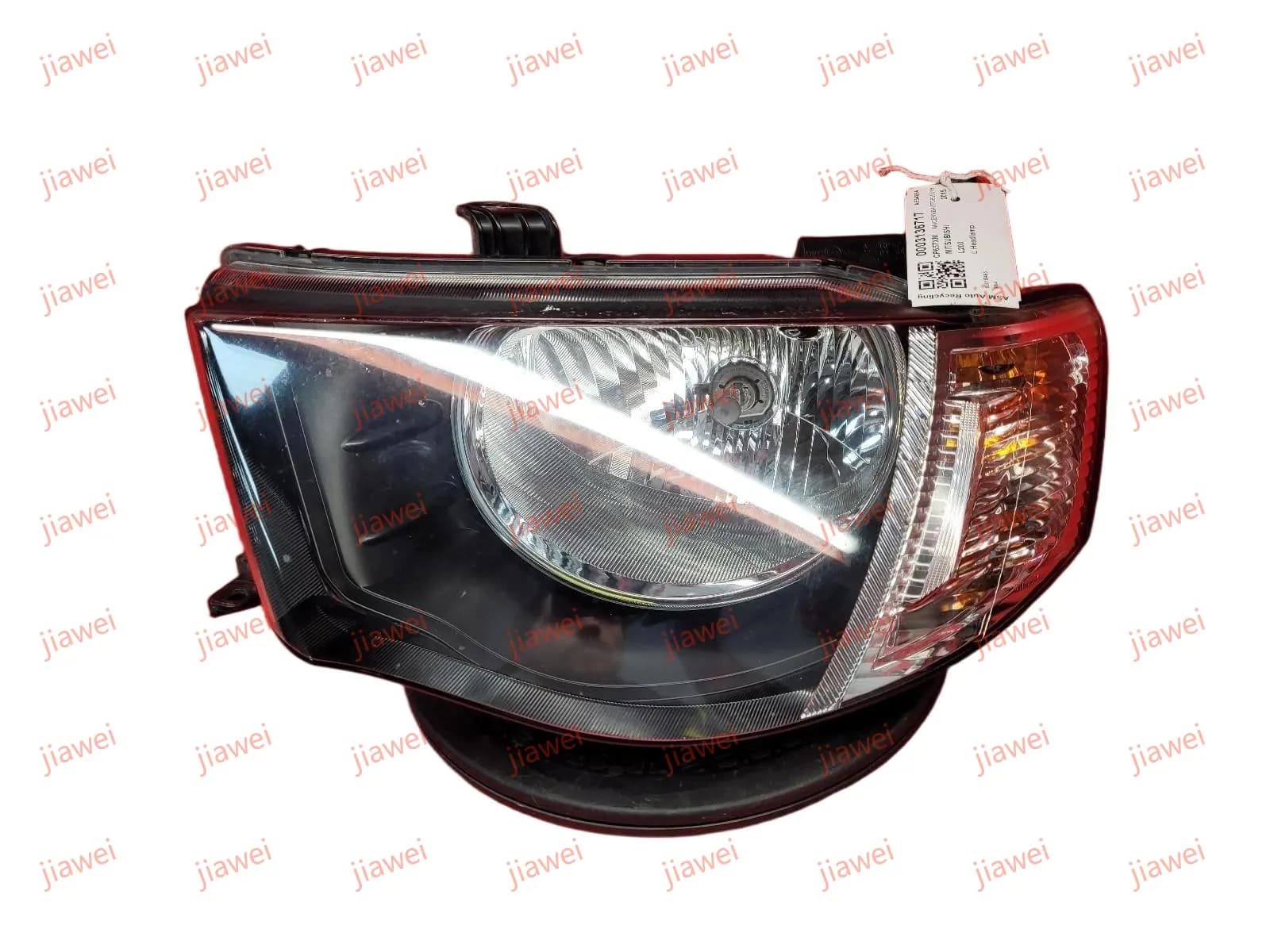
Headlamp Assembly LH
Mitsubishi L200 2015+ · Mitsubishi L200
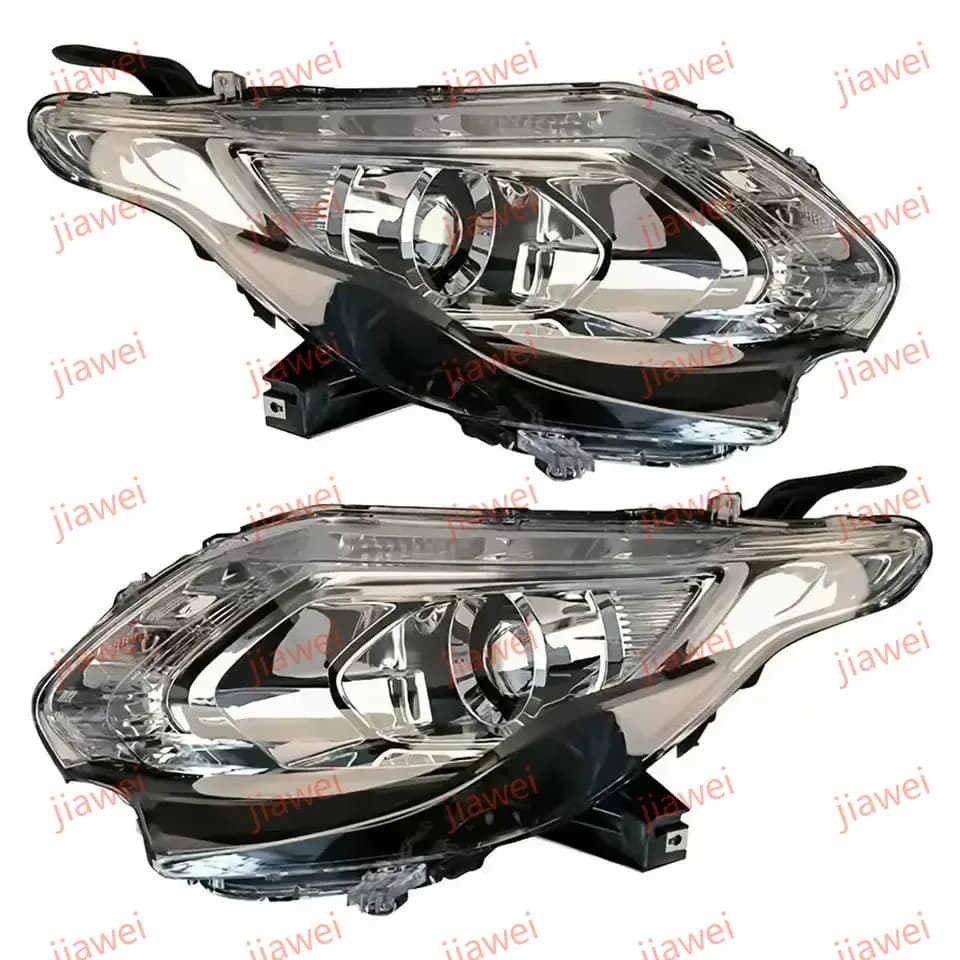
Headlamp Assembly RH
Mitsubishi L200 2015+ · Mitsubishi L200