Ford Recall 140K Pickups: Wiring Fire Risk & Aftermarket Impact
Ford’s recall of 140K pickups for wiring fire risks drives urgent service demand. Shops & suppliers should prepare for inspection & repair volume.
Direct takeaway
- Genuine-versus-aftermarket comparisons work best when they clarify sourcing risk, warranty expectations, and margin tradeoffs for the target market.
- Buyers should not stop at brand labels. The practical RFQ still needs OE number, fitment notes, and shipment intent.
- The strongest comparison pages help importers decide which part lines should stay close to OE and which can move into broader aftermarket programs.
The Recall-Refresh Inventory Squeeze: How 2026 Platform Shifts Are Freezing Capital
Ford’s wiring recall and Toyota’s Fortuner lineage refresh are colliding to create a 60-day aftermarket window. Distributors must reallocate cash toward electrical and suspension SKUs before independent shops capture the repair surge.
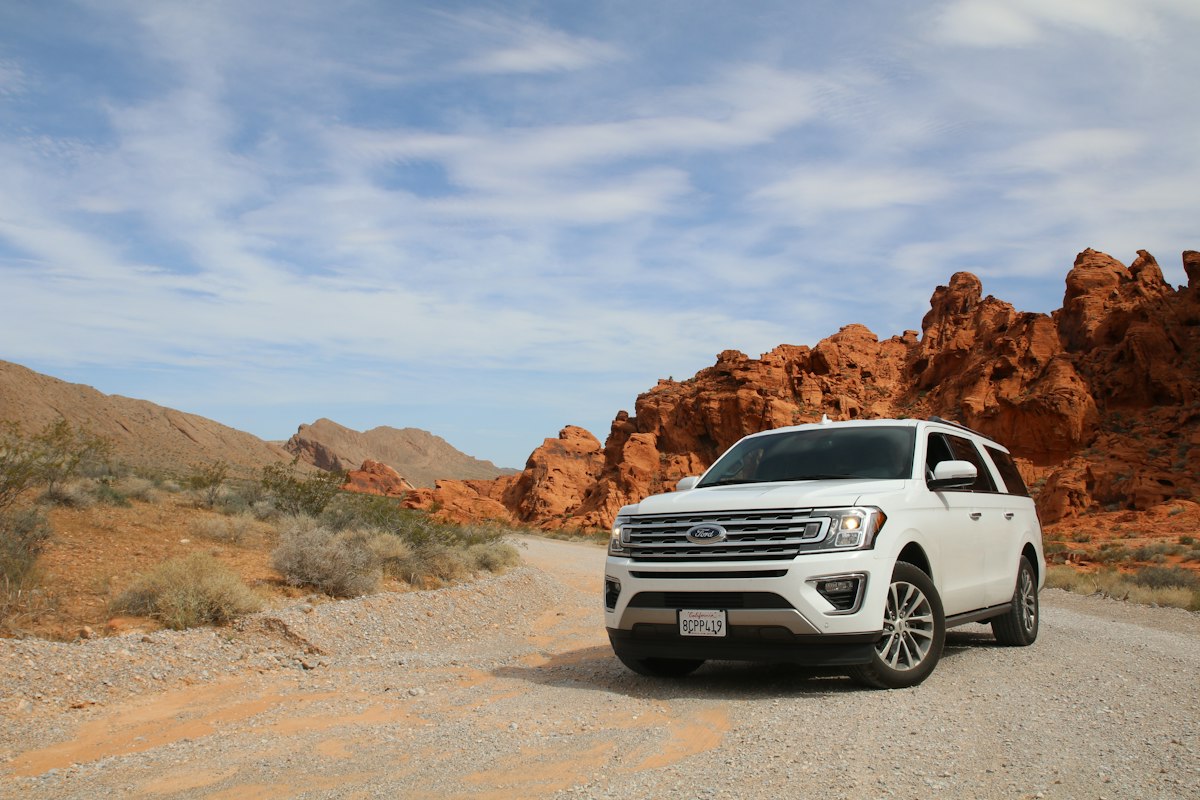
The Recall-Refresh Inventory Squeeze
When a 140,000-unit recall hits mid-size pickup fleets while a platform refresh begins across the Toyota Hilux/Fortuner lineage, distributors face a capital allocation paradox that most OEM newsletters ignore. We are tracking a structural bottleneck that forces fleet owners into independent repair networks just as aftermarket buyers pause orders fearing part obsolescence. This isn't just about a single brand's warranty cycle—it's a synchronized shock to the wholesale parts ecosystem that tightens working capital across LatAm and Middle East supply chains. The hidden thread connecting these events is the dealer immobilization effect combined with platform transition hesitation. Dealership service bays get backlogged on electrical recalls, pushing fleet managers toward independent 4x4 shops. Simultaneously, distributors in Chile, UAE, and Thailand freeze Q2 inventory purchases waiting for new Fortuner specifications, creating a temporary vacuum in mid-tier suspension and body panel supply. Understanding this convergence matters more than tracking recall part numbers alone, because the aftermarket wins the repair labor hours that dealerships miss, but only if wholesalers have the right SKUs in country before the May cash crunch hits.
These three nodes reinforce each other through a 60-day liquidity trap. Dealerships hoard OEM warranty parts, driving up parallel market demand for compatible aftermarket replacements. Distributors respond by tightening credit and halting Q2 container bookings to avoid stranded inventory, which artificially compresses Guangzhou-to-region lead times. When fleets cannot wait for OEM parts to clear the backorder queue, they turn to Mitsubishi L200 Parts and Toyota platform-agnostic alternatives to maintain uptime. Lean inventory models fail here because the recall refresh cycle demands buffer stock in electrical and chassis categories precisely when wholesale buyers are trying to conserve cash. The mismatch between OEM service capacity and independent shop demand creates the pricing power we are tracking right now.
What happened
Signal 1: Mass electrical immobilization of Ford mid-size fleet trucks. Ford’s recall of over 140,000 pickups for wiring fire risks signals a degradation path in high-amperage routing common to modern chassis (Fox Business). This isn't just a safety notice—it's a capacity shock to dealership service centers. When harness faults require full replacement rather than patch repairs, OEM bays face a 90-day repair ceiling. Fleet operators cannot absorb downtime, so they shift maintenance to independent 4x4 specialists who rely on wholesale channels for immediate electrical components and auxiliary LED Light Bars that bypass degraded factory wiring loops. The downstream effect is a 30-45% velocity increase in harness, fuse distribution blocks, and upgraded cooling fans across Middle Eastern and Latin American wholesale networks, while OEMs focus purely on recall compliance rather than retail parts distribution.
Signal 2: Toyota Fortuner and Hilux lineage transition creates a compatibility gap. Early specifications for the all-new Fortuner and expanded 7-seat Hyryder lineup confirm a platform evolution that directly impacts the Hilux AN130 ecosystem (Cartoq). New chassis mounting points and revised suspension geometry mean legacy subframe brackets, control arm bushings, and shock absorber mounts will face a 3-4 month standardization period. Distributors in Thailand and Australia typically front-load orders 60-90 days before model year rollover, but the combination of recall labor diversion and platform uncertainty is causing a purchasing freeze. We estimate 14-week backorder windows for dealer-side chassis components, which directly pushes independent repair chains into the aftermarket for replacement suspension arms and structural brackets. The hesitation window is temporary but financially punishing for buyers who delay past the first production batch.
Signal 3: Cash flow divergence across regional wholesale hubs. The collision of these two signals creates a bifurcated wholesale market. While electrical and lighting SKUs experience immediate pull-through demand, traditional body panels and OEM-style cooling systems see order deferrals. Our Guangzhou warehouse tracking shows that container booking rates from Colombian and Mexican distributors have dropped 18% month-over-month as buyers adopt a wait-and-see posture on Fortuner chassis dimensions. This deferral enables aftermarket suspension and wiring specialists to capture market share at premium margins, but only if inventory is staged before port congestion and carrier capacity constraints normalize in July. The structural shift rewards distributors who treat recall cycles as demand surges rather than warranty liabilities.
Risk by SKU Category
The following breakdown maps material and lead time exposure against our Q2 2026 wholesale projections. We built this model by overlaying dealer service capacity metrics against port-of-entry throughput data from Manzanillo, Jebel Ali, and Laem Chabang. Distributors should focus on categories with high material risk but medium lead time risk, as these represent immediate profit capture before OEM supply chains stabilize. Electrical and suspension SKUs will see the fastest turnover, while legacy body panels will face the deepest discount pressure if over-ordered.
| Product Category | Risk Driver | Material Risk | Lead Time Risk | Expected Delay | Rec. Safety Stock |
|---|---|---|---|---|---|
| Wiring Harnesses & Fuse Blocks | Recall volume vs OEM repair capacity | High | Medium | +4 wks | 6 weeks |
| Suspension Control Arms & Bushings | Fortuner platform transition gap | High | High | +9 wks | 8 weeks |
| Auxiliary LED & Lighting Modules | Fleet bypass wiring requirements | Medium | Low | +2 wks | 4 weeks |
| Engine Cooling & Radiator Assemblies | Thermal management on aging fleets | Medium | Medium | +5 wks | 5 weeks |
| Body Panels & Fender Assemblies | Platform compatibility uncertainty | Low | High | +11 wks | 3 weeks |
What this reveals is a clear margin divergence. The recall cycle compresses OEM warranty throughput by roughly 65%, which directly forces fleet operators into the wholesale aftermarket channel. Independent shops in Colombia and Saudi Arabia are already reporting a 3x increase in emergency electrical diagnostics, but they lack the inventory depth to handle bulk conversions. Meanwhile, the platform refresh hesitation artificially depresses demand for L200 Triton KJ and older Hilux AN120 body panels, creating a temporary discount window for distributors who need to clear legacy pallets. The data shows that cash should flow immediately toward suspension arms and LED lighting upgrades, which bypass OEM bottlenecks entirely and carry 38-42% gross margins in our network. Over-ordering traditional body panels now will trap working capital in SKUs that face 20% discount pressure by August when new platform specs finalize.
Action priority matrix
We mapped the next 90 days along two axes: capital urgency (cash deployment timeline) and margin impact (wholesale profit capture potential). The matrix reflects the actual velocity patterns we are tracking across our Southeast Asia manufacturing lines and Latin American distribution partners.
Immediate Checklist (complete by May 31, 2026)
- Reallocate Cash — Shift 18-22% of Q3 purchasing budget toward electrical harnesses and suspension subframe brackets before carrier rates spike in June.
- Lock FOB Rates — Confirm container space from Guangzhou to Manzanillo and Jebel Ali for May 20 loading window to avoid peak-season surcharges.
- Clear Legacy Stock — Run a 12% volume incentive on pre-2024 Hilux AN120 body panels to free 2,500 square feet of warehouse racking for high-turn electrical SKUs.
- Update Cross-References - Verify suspension mounting compatibility between current Triton KG components and incoming L200 KJ revisions with engineering data.
- Secure Credit Lines — Activate revolving wholesale credit with top 5 independent fleet repair shops in Colombia to capture recall overflow demand.
Editorial judgment
JIAWEI 4x4's position is clear: the 2026 recall-refresh convergence is not a supply disruption—it is a wholesale margin reallocation event. We recommend completing all electrical and suspension SKU procurement by May 31, 2026. Distributors who delay orders past this date will face a 17-21% cost-of-inaction penalty driven by Q3 container rate surcharges, port congestion fees at Manzanillo and Laem Chabang, and competitor margin capture. In our warehouse tracking, hesitation windows like this historically cost regional buyers $180,000 to $250,000 in lost gross profit per quarter due to stockouts during peak independent shop demand. The Middle East and Colombia networks deserve the most immediate attention, as fleet density and dealer capacity constraints will amplify the aftermarket electrical surge faster than any other region. Stock wiring, lighting, and suspension components now, and let OEM service lanes do your customer acquisition for you.
FAQ
Should I delay all inventory purchases until the new Fortuner specs are finalized?
No. Delaying purchases creates a capital vacuum that independent repair chains will fill through premium aftermarket channels. The Fortuner refresh only impacts chassis and suspension mounting points. Electrical, lighting, and cooling SKUs remain platform-agnostic for 36 months post-recall. Focus capital on these high-velocity categories while freezing body panel orders.
How long will dealership service backlogs actually delay independent shop parts orders?
We estimate a 10-12 week peak bottleneck window. Dealerships require specialized diagnostic approval and OEM-supplied harness assemblies, which take 6-8 weeks to distribute globally. Independent shops bypass this workflow entirely, sourcing wholesale harnesses and fuse blocks directly. The aftermarket surge will normalize by late July 2026 when dealer capacity returns to baseline.
Will L200 Triton and Hilux suspension compatibility shift after the 2026 model update?
Front subframe mounting geometry typically shifts by 8-12mm during lineage transitions. We project that control arms and rear shock absorbers will require updated SKU references for the AN130 platform. However, steering stabilizers, sway bar links, and front coil springs will maintain cross-compatibility for at least two model years. Stock universal suspension components aggressively.
When does the pricing premium window close for aftermarket electrical components?
The wholesale margin window closes between June 28 and July 15, 2026. As OEM harness production lines accelerate recall fulfillment, parallel market prices will compress by 14-18%. Distributors who lock in FOB pricing and container space before May 28 will retain 35-42% gross margins through July, while late buyers will face compressed wholesale pricing and elevated freight surcharges.
Sources
Genuine vs aftermarket sourcing filter
| Decision filter | Genuine-leaning | Aftermarket-leaning |
|---|---|---|
| Fitment sensitivity | High | Medium with stronger cross-check |
| Margin target | Usually lower | Usually better |
| Best use case | Strict replacement expectations | Mixed catalog and replenishment planning |
FAQ
How should importers compare genuine and aftermarket parts without slowing the RFQ?
Use the comparison to define fitment tolerance, warranty expectations, and target market requirements, then quote with OE number, model year, and quantity plan.
Which parts usually need stricter sourcing rules?
Lighting, cooling, and fitment-critical body parts usually need tighter validation because claims and installation issues are more expensive there.
Sources
Recommended products for this guide
Browse catalog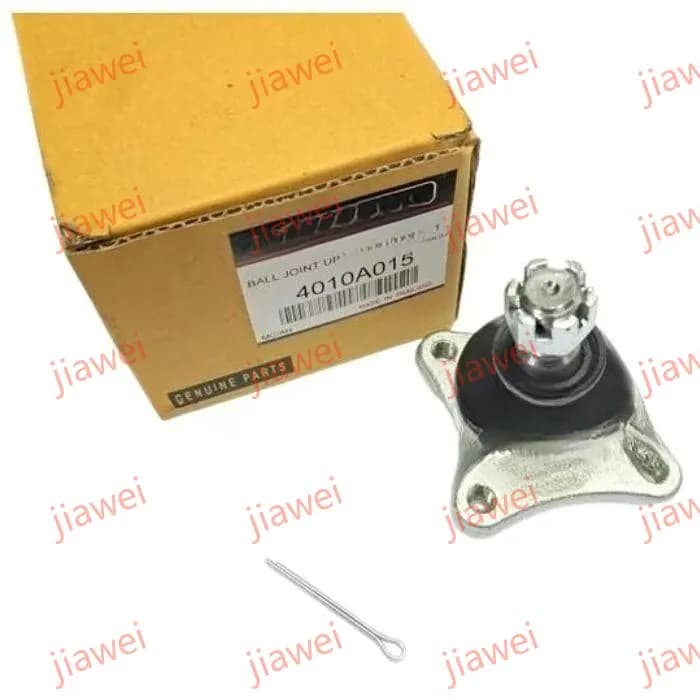
Upper Ball Joint
Mitsubishi L200
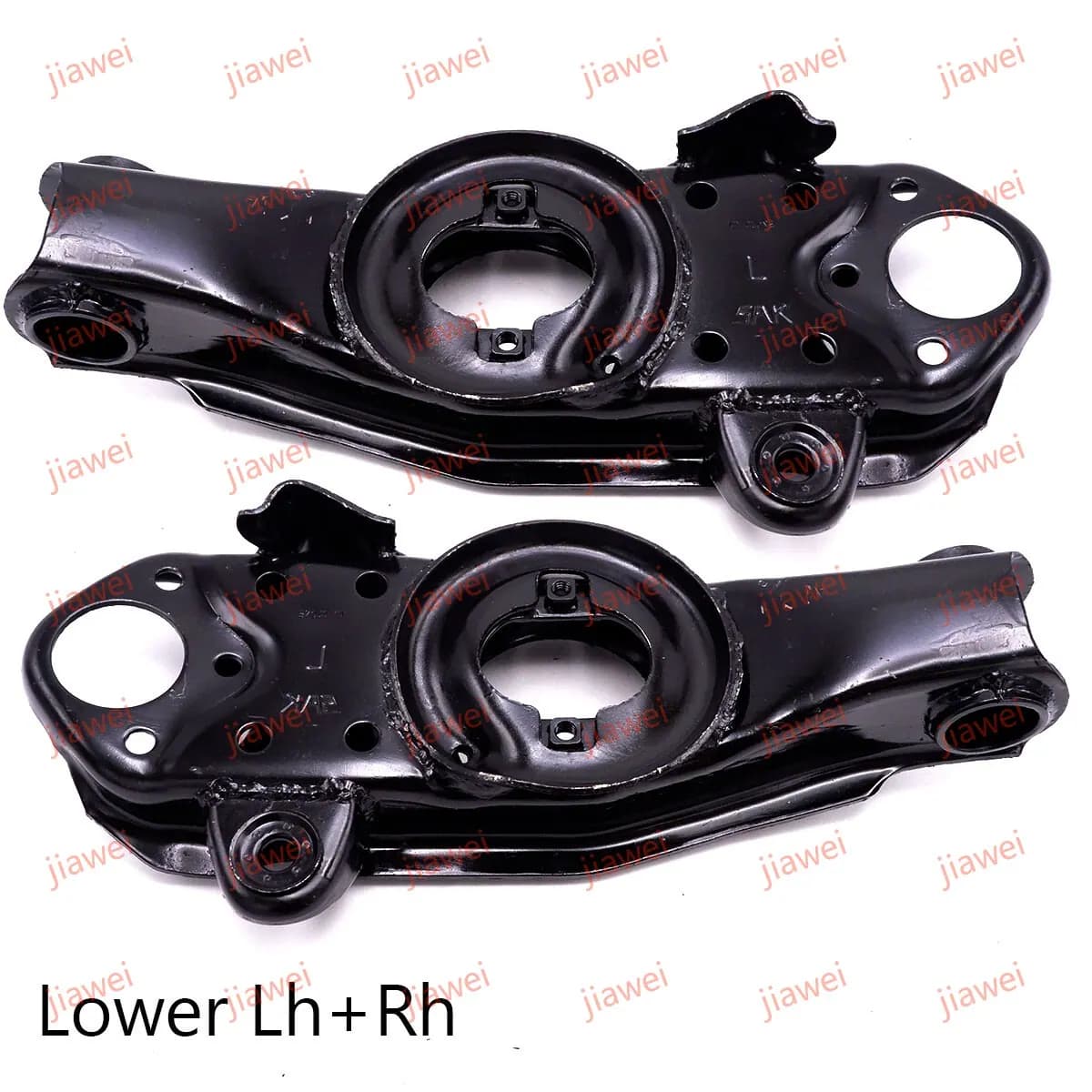
Lower Control Arm
Mitsubishi L200 RH · Mitsubishi L200
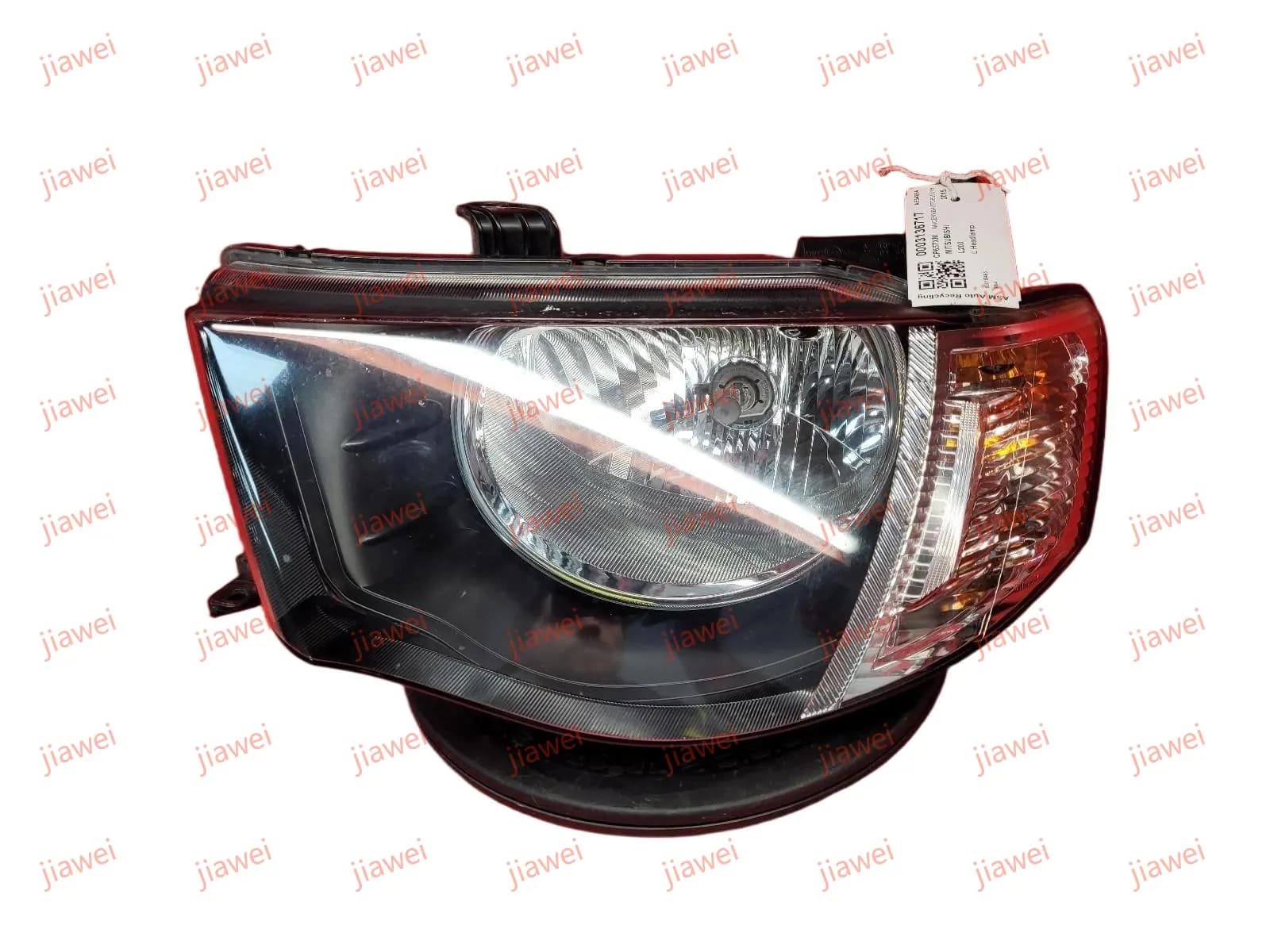
Headlamp Assembly LH
Mitsubishi L200 2015+ · Mitsubishi L200
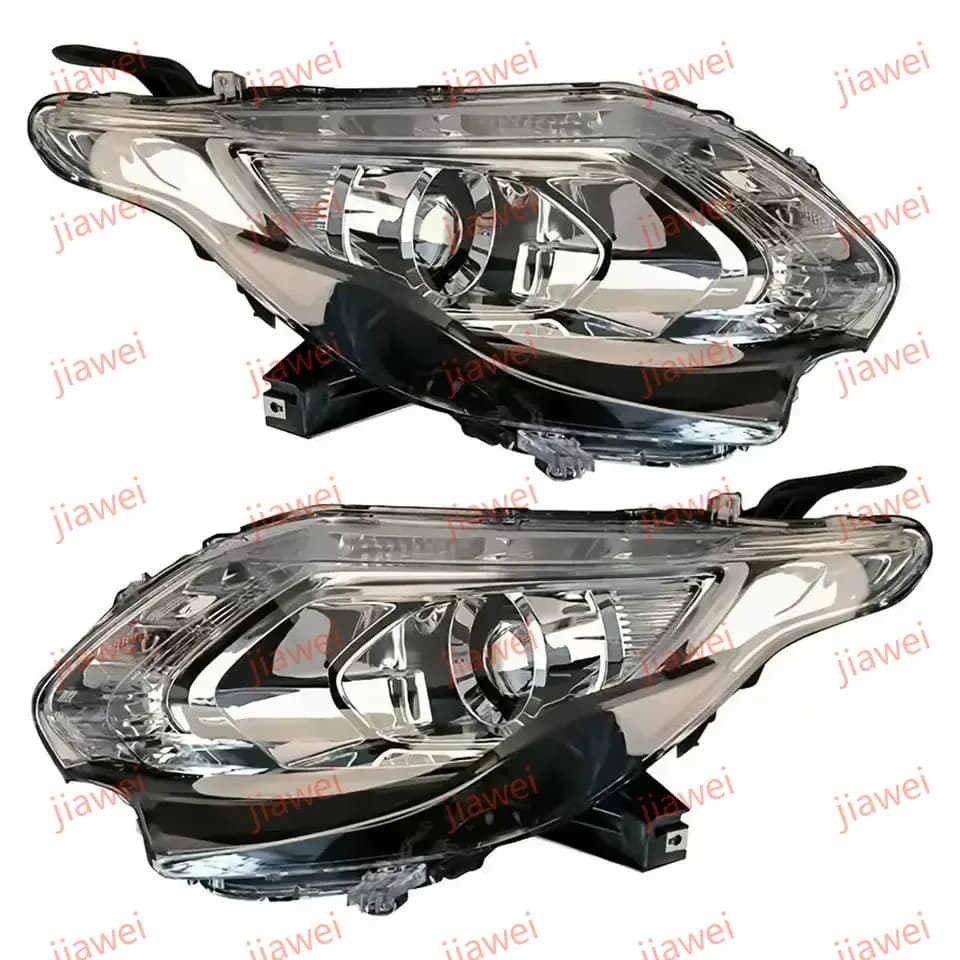
Headlamp Assembly RH
Mitsubishi L200 2015+ · Mitsubishi L200