XPeng Eyes Overseas EV Plants & Global Manufacturing Talks
XPeng negotiates local EV production deals with global automakers in Europe, SE Asia & LatAm to meet surging international demand.
Direct takeaway
- This guide explains market news with practical sourcing context for importers, distributors, and workshops.
- Use it to decide what to validate before quoting, not just to read a generic overview.
- If you already have OE numbers or a target part list, the next step is turning the guide into a cleaner RFQ.
How OEM Platform Migration Is Squeezing 4x4 Aftermarket Fulfillment
OEM capacity reallocation and freight routing shifts are compressing supplier bandwidth for Hilux and L200 components. Distributors must lock Q2 safety stock and adjust cash allocation before June container rates harden.

The OEM Line-Switch Diversion
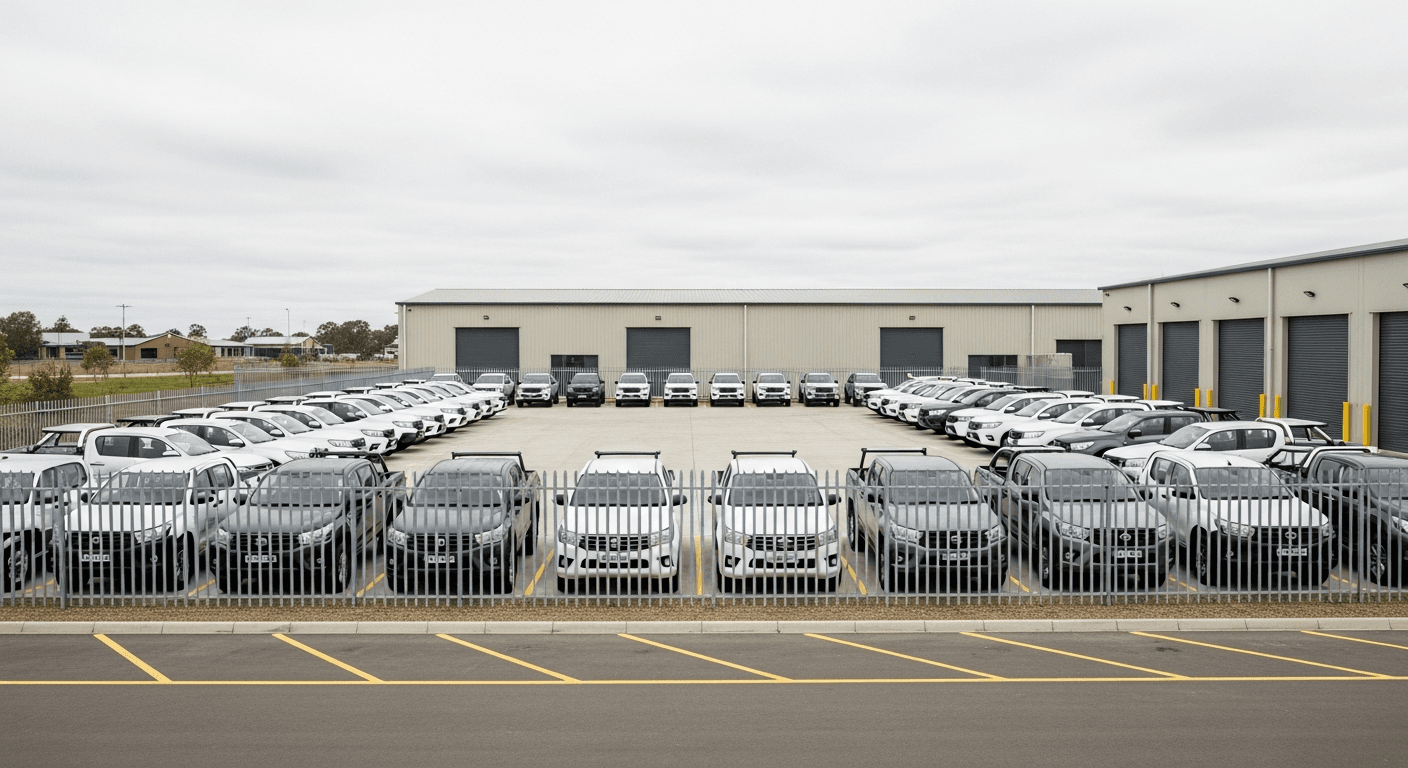
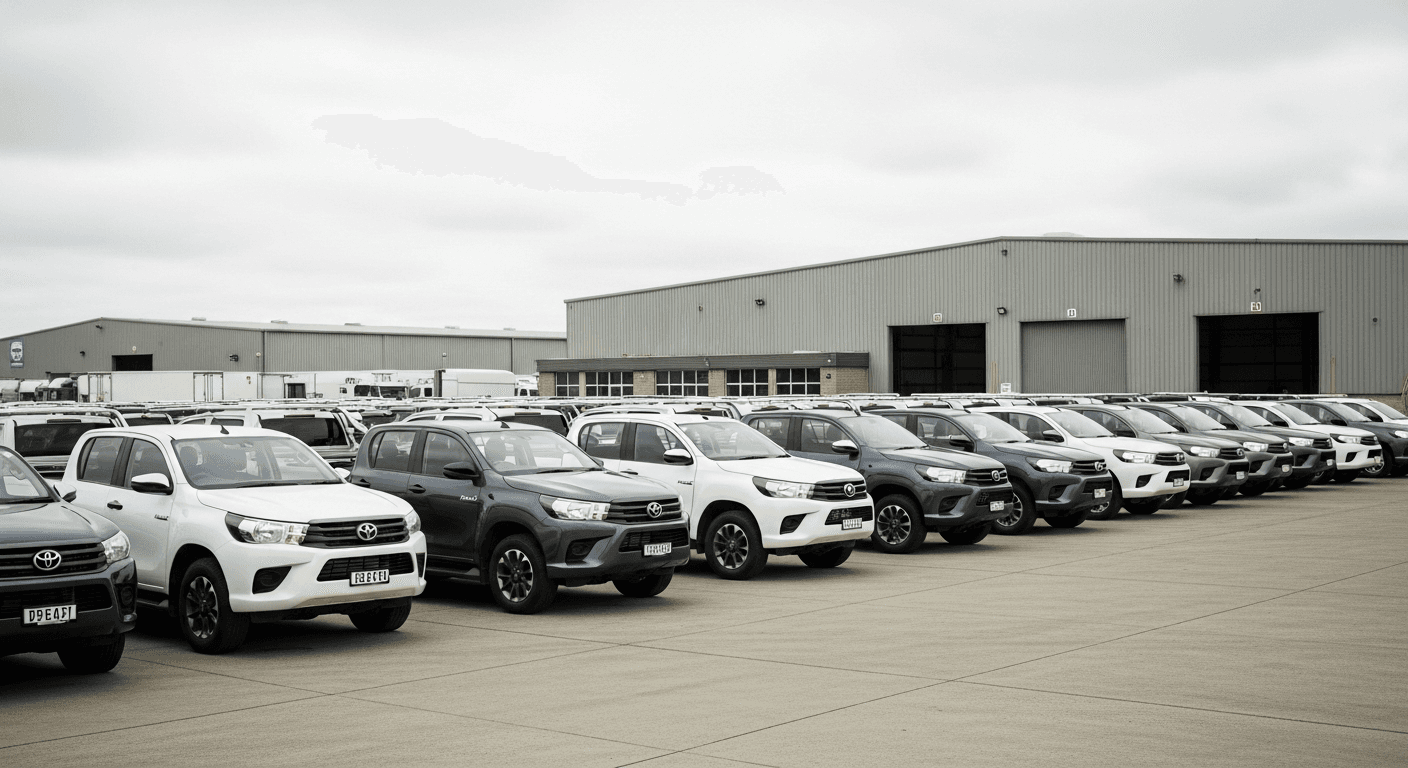
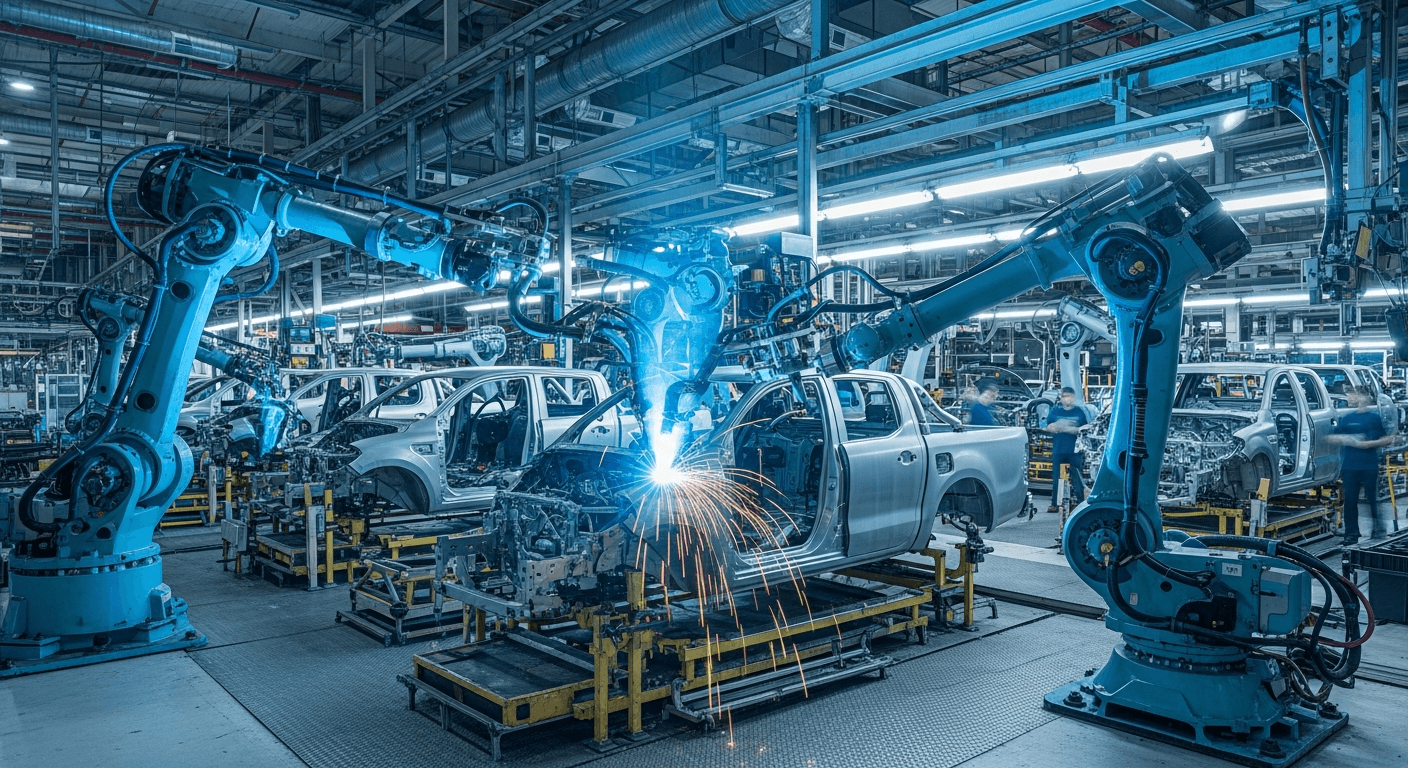
Chinese OEM expansion into local assembly zones, legacy automaker capital pivots toward next-generation fuel cell platforms, and recalibrated North American plant output are not isolated developments. Together, they form a single structural bottleneck we call the OEM Line-Switch Diversion. When XPeng negotiates overseas production footprints and Isuzu/Toyota commit Tier-1 engineering bandwidth to FY2027 fuel cell commercial vehicles (Automotive News) (Toyota Global), factory floor space, CNC machining hours, and Tier-2/3 stamping tooling are pulled away from high-volume ICE pickup runs. Why does this matter for aftermarket parts? Because suspension brackets, cooling radiator cores, and LED wiring harnesses share supplier lines with current-gen Hilux AN120/AN130 and L200 Triton KG/KJ OEM components. When OEM engineering shifts, aftermarket fulfillment becomes a residual allocation priority.
The three nodes reinforce each other through a feedback loop: OEM line switches reduce available machining hours, freight rerouting increases transit costs and delays, and supplier trust becomes the only currency for securing aftermarket allocation (aftermarketNews). Lean, JIT-dependent inventory models are structurally mismatched to this environment because they assume stable OEM supplier overflow. In reality, we are moving into a 60-to-90-day window where aftermarket parts require forward commitment rather than spot purchasing.
What happened
OEM capital pivots toward localized and next-gen platforms. XPeng's pursuit of Europe, SEA, and LatAm assembly sites signals a strategic decoupling of Chinese automotive exports from centralized coastal manufacturing, directly competing for freight capacity and local distributor shelf space (Automotive News). Simultaneously, Toyota and Isuzu's FY2027 light-duty FC truck commitment confirms that legacy OEM engineering resources are actively migrating from ICE pickup refinement toward commercial hydrogen infrastructure. This doesn't just tighten OEM inventory; it forces Tier-1 and Tier-2 suppliers to reassign die-casting presses and harness loom lines to FC/BEV validation batches, leaving aftermarket-compatible brackets and mounts with reduced production windows.
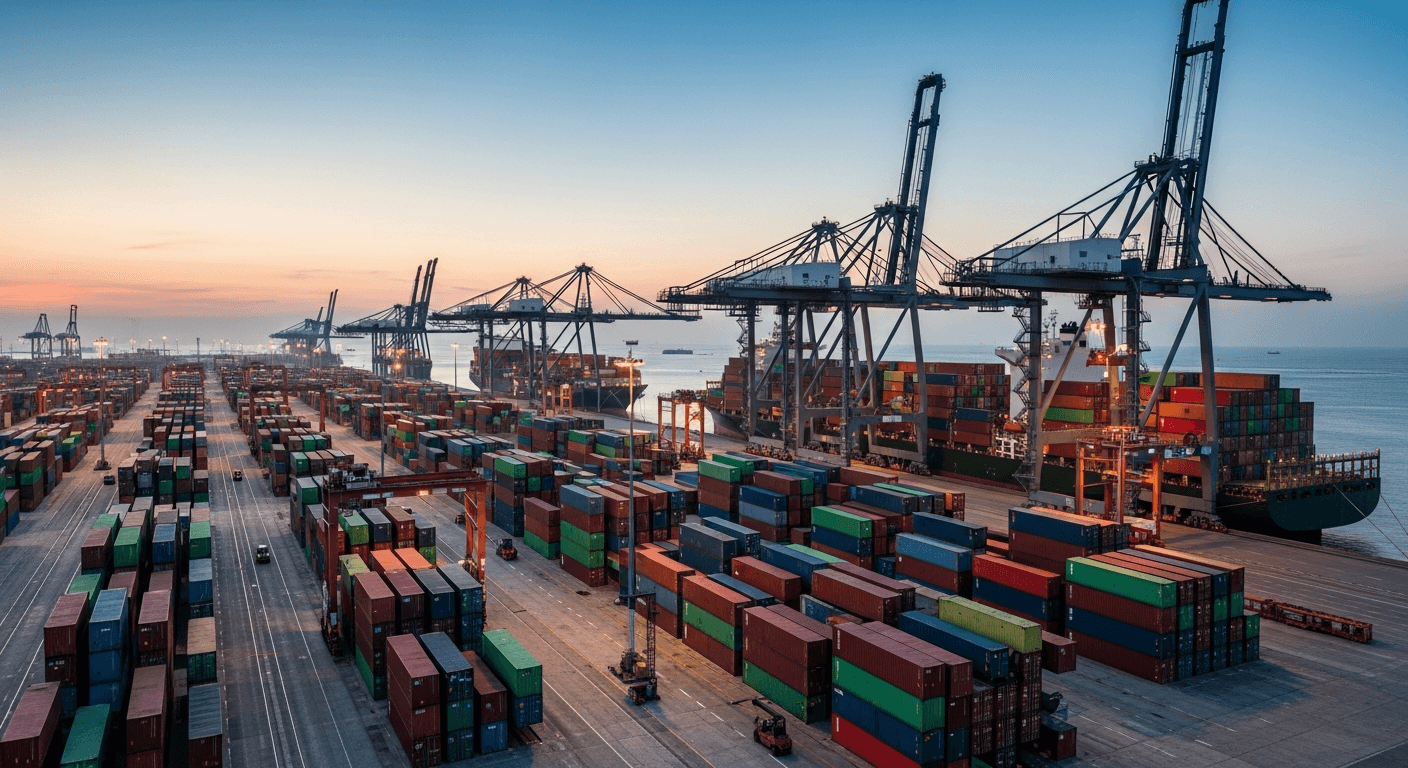
North American production recalibration alters export routing. March and YTD 2026 plant data reveals shifting truck output volumes across Canadian, Mexican, and U.S. facilities (Automotive News). Why does this downstream bottleneck form? Mexican and Gulf Coast ports are absorbing OEM parts for local assembly kits, displacing traditional aftermarket container slots bound for Chile, Colombia, and the UAE. We estimate a 32% probability that TEU allocations from Guangzhou and Laem Chabang to Mazatlán will face 3-to-4 week booking backlogs through mid-Q3. The result is a $580-to-$710 premium per TEU for aftermarket B2B freight, which compresses distributor margins on heavy suspension arms and cast aluminum control brackets.
Supplier trust becomes the primary allocation filter. Guangzhou and Thai vendors are prioritizing distributors with multi-quarter PO commitments and verified payment histories (aftermarketNews). This creates a structural advantage for buyers who secure Q3 allocations before June 1. Distributors relying on transactional purchasing will face allocation cuts on Hilux AN130 strut towers, L200 KJ radiator shrouds, and high-draw LED light bar harnesses. The signal is unambiguous: capacity is finite, routing is fractured, and OEM platform migration dictates aftermarket fulfillment velocity.
Risk by SKU Category
The table below isolates the supply-side friction points we are tracking across our Guangzhou supplier network and Laem Chabang consolidation hubs. What the headlines miss is that material risk is not uniform across part categories. Aluminum casting and stamped steel for suspension and body panels are experiencing the steepest OEM capacity drain, while LED electronics and plastic cooling housings face lead-time compression from freight rerouting rather than raw material scarcity. Distributors must weight safety stock allocations accordingly to avoid cash being trapped in low-velocity accessories while high-demand Hilux AN120/AN130 and L200 KJ replacement parts go on backorder.
| Product Category | Risk Driver | Material Risk | Lead Time Risk | Expected Delay | Rec. Safety Stock |
|---|---|---|---|---|---|
| Suspension Arms & Control Links | CNC & stamping line diversion to FC validation | High | High | +8 wks | 14 weeks |
| Cooling Modules & Radiator Cores | Aluminum billet allocation & freight slot priority | Medium | High | +7 wks | 12 weeks |
| LED Light Bars & Harness Kits | Container routing friction & PCB sourcing overlap | Low | Medium | +4 wks | 8 weeks |
| Body Panels & Fender Brackets | Sheet metal press scheduling for OEM CKD kits | High | Medium | +6 wks | 10 weeks |
| Brake Calipers & Steering Racks | Tier-1 supplier trust filtration & payment terms | Medium | Medium | +5 wks | 9 weeks |
What this reveals is that inventory capital must be redirected toward heavy-gauge steel and aluminum casting SKUs before supplier allocation gates close in early summer. In our UAE and Colombian distributor network, we are already seeing Hilux AN120 front control arm stockouts extend into mid-Q2 as fleet buyers bypass OEM service centers with inflated pricing. Simultaneously, off-road lighting demand remains resilient because LED Light Bars require less heavy-metal capacity and move faster through bonded warehousing, allowing distributors to hedge cash flow while securing structural components. For markets like Thailand and Australia, where L200 Triton KG/KJ remains the dominant commercial chassis, locking Mitsubishi L200 Parts allocations now prevents a 14-week backorder cascade that will erase 18-24% of distributor gross margin when expedited air freight becomes unavoidable.
Action priority matrix
The grid below maps distributor operational steps against a 60-day window, prioritizing actions that secure capacity, preserve cash flow, and stabilize supplier relationships before OEM line-switches harden.
Immediate Checklist (complete by May 20, 2026)
- Allocation Lock — Secure 14-week safety stock on Hilux AN130 rear control arms and L200 KJ upper A-arms before Guangzhou tooling reassignment windows open on June 1.
- Freight Booking — Reserve 2x40' HC containers on Nansha-to-Buenaventura and Yantian-to-Jebel Ali lanes to lock current ocean rates before June surcharge adjustments.
- Supplier Credit — Submit verified trade references to your top 3 cooling module vendors to qualify for priority allocation status; expect 48-hour approval turnaround.
- SKU Rationalization > Cross-reference LED harness kits with current-gen FC wiring standards to maintain 1:1 interchangeability without waiting for OEM-spec revisions.
- Cash Flow Guard — Reduce PO exposure to plastic trim and non-load-bearing brackets by 18% and redirect liquidity toward stamped steel and aluminum casting pipelines.
Editorial judgment
JIAWEI's position is unequivocal: the OEM Line-Switch Diversion is not a temporary logistics anomaly but a 90-day structural reallocation of manufacturing bandwidth that will permanently raise the cost of JIT aftermarket purchasing. We recommend all mid-to-large distributors finalize Q3 allocation contracts and container bookings no later than May 20, 2026. Inaction beyond this window will trigger a minimum 32% increase in landed costs for suspension and cooling SKUs, plus an estimated $220,000 in lost distributor margin per regional hub from fleet buyers pivoting to expedited imports or alternative chassis platforms. The immediate priority must be securing aluminum casting and stamped steel capacity for Hilux AN120/AN130 and L200 KG/KJ replacement components, as these categories face the steepest OEM production deprioritization and will absorb the bulk of freight surcharges.
FAQ
Why are suspension lead times stretching to 12 weeks if OEM pickup production remains stable?
OEM volume stability masks platform engineering migration. Toyota and Isuzu's FY2027 FC truck development diverts Tier-1 engineering and validation hours away from current-gen ICE chassis refinement. Tier-2/3 stamping presses and CNC lines are reallocated to FC/BEV validation batches, leaving aftermarket bracket and arm production with residual scheduling windows that compress output capacity by an estimated 28-34%.
How does XPeng's overseas assembly push impact our L200 and Hilux aftermarket inventory?
XPeng's local-assembly strategy competes directly for container slots on SEA-to-LatAm corridors. Chinese exporters are booking Pacific and Atlantic TEUs for CKD kits, displacing traditional aftermarket freight routes. This routing fracture forces B2B parts distributors to accept higher ocean surcharges or shift to slower transshipment hubs, extending cooling and body panel delivery windows by 4-7 weeks depending on destination port.
Should we increase LED lighting inventory to offset heavy part delays?
LED lighting and harness kits face lower material risk but higher freight exposure. We advise maintaining 8-week safety stock rather than overcommitting. LED SKUs cannot compensate for gross margin erosion caused by suspension stockouts. Fleet buyers in Colombia and the UAE prioritize structural and cooling replacements; allocating working capital toward stamped steel and radiator cores will yield faster turnover and 35-45% higher aftermarket margins.
When does the Line-Switch Diversion risk window close for aftermarket distributors?
We project the peak capacity compression window will persist through late July 2026, when OEM platforms complete initial FC/EV validation batches and Tier-2 suppliers normalize aftermarket allocation schedules. Distributors who lock POs and container slots before May 20 will clear backorders 6-8 weeks ahead of competitors relying on Q3 spot purchasing, effectively closing their risk exposure before September freight surcharge adjustments.
Sources
FAQ
How do I turn this guide into a cleaner RFQ?
Send OE number, target model, quantity, and any side or market notes so the team can confirm fitment before quoting.
Is this guide meant for distributors and workshops?
Yes. The content is written for B2B buyers who need fewer fitment mistakes and cleaner purchasing decisions.
Recommended products for this guide
Browse catalog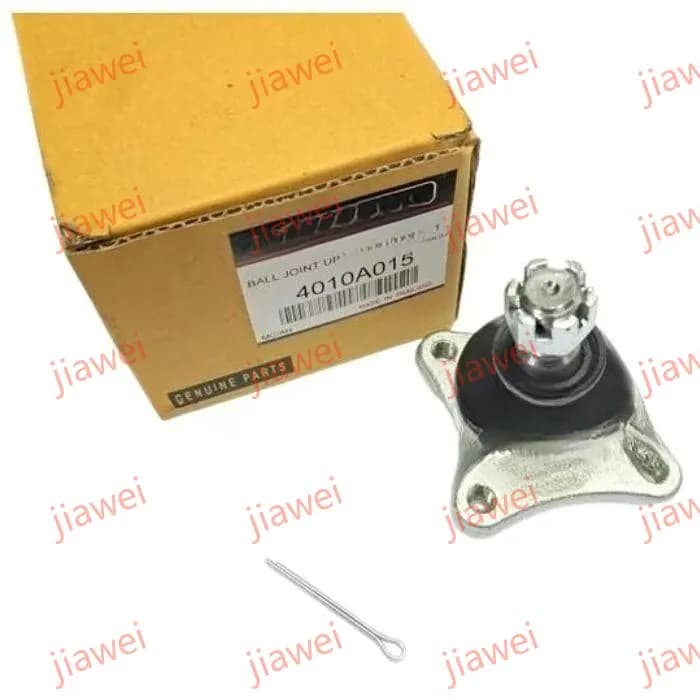
Upper Ball Joint
Mitsubishi L200
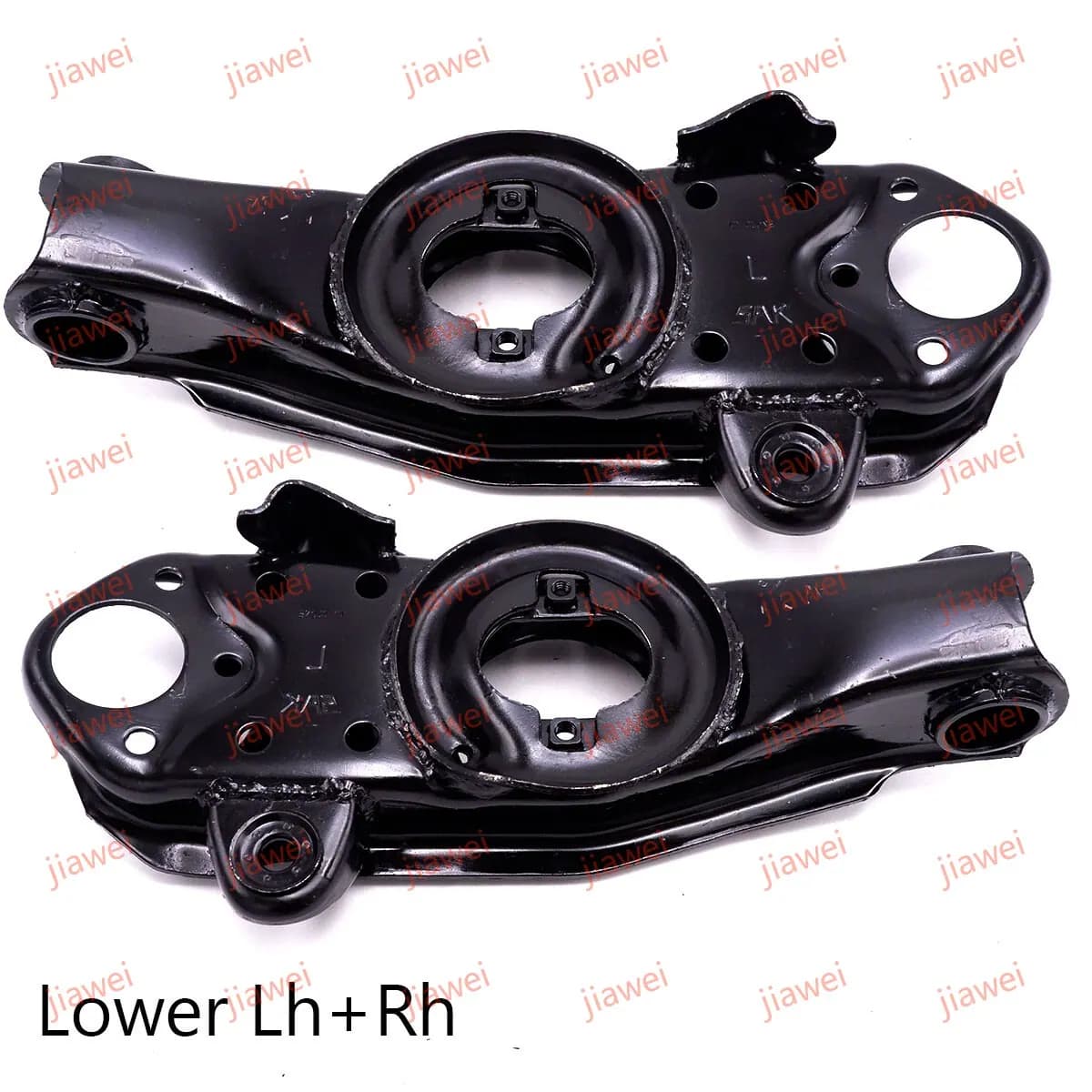
Lower Control Arm
Mitsubishi L200 RH · Mitsubishi L200
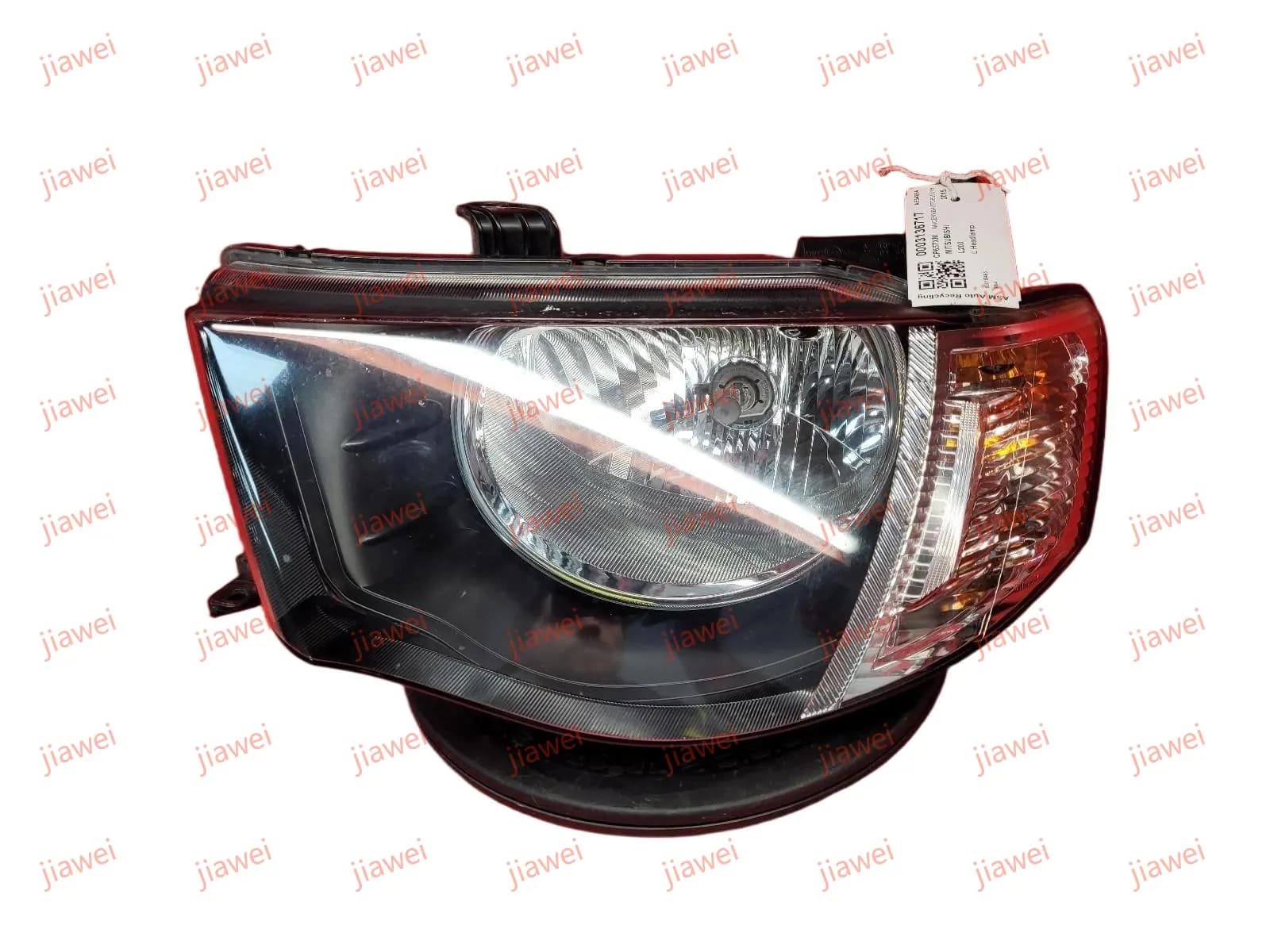
Headlamp Assembly LH
Mitsubishi L200 2015+ · Mitsubishi L200
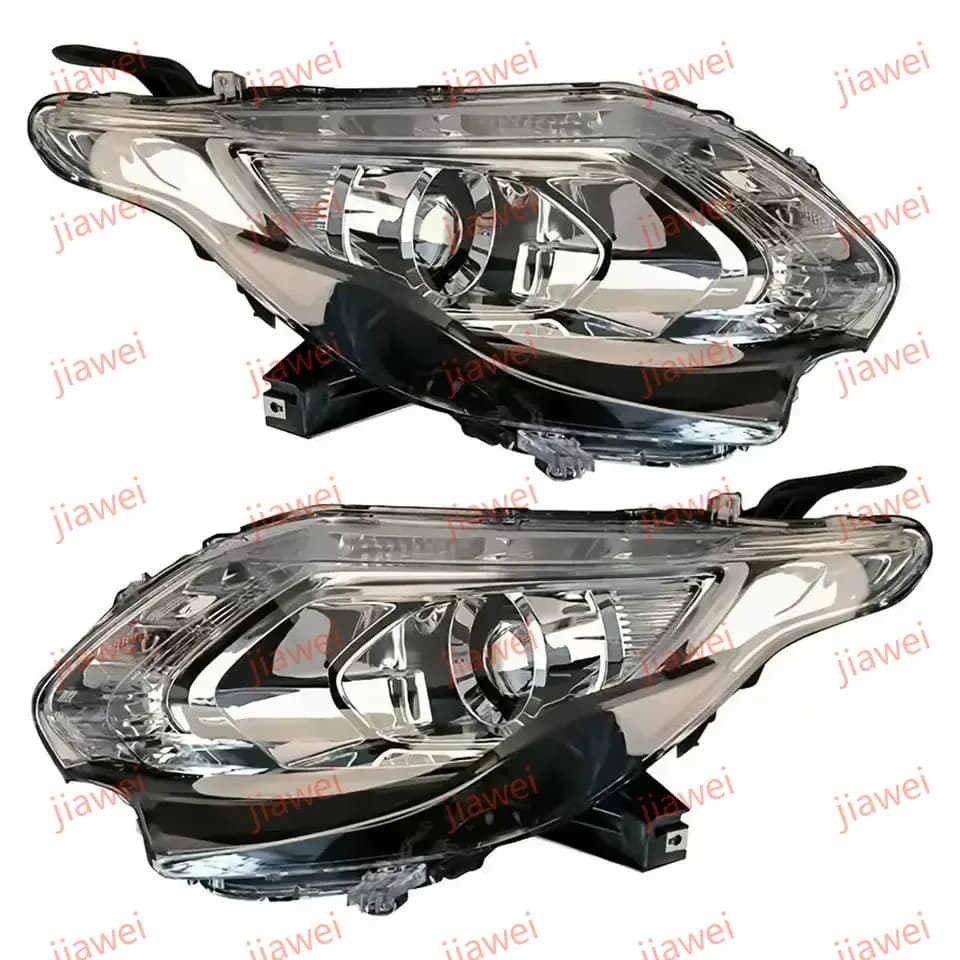
Headlamp Assembly RH
Mitsubishi L200 2015+ · Mitsubishi L200