Ford Pickup Fire Risk: Aftermarket Parts & Service Alert
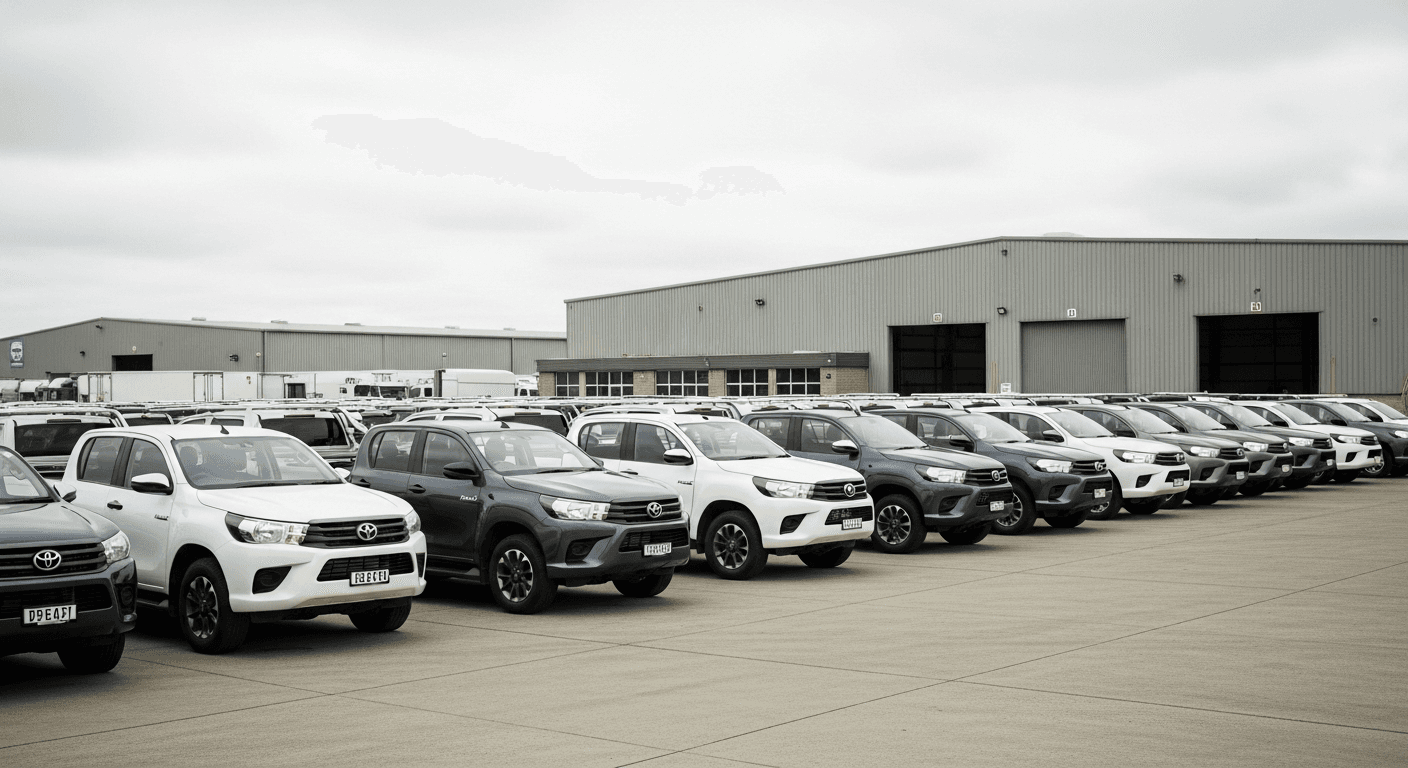
Ford pickup fire risk: Aftermarket shops must update service guides and stock replacement parts to protect fleet clients and limit liability.
Conclusion directa
- Las comparaciones entre genuine y aftermarket funcionan mejor cuando aclaran riesgo de compra, expectativa de garantia y margen segun el mercado destino.
- El comprador no debe quedarse solo con la etiqueta. La RFQ practica sigue necesitando numero OE, notas de fitment e intencion de embarque.
- Las mejores comparativas ayudan al importador a decidir que lineas deben mantenerse cerca de OE y cuales pueden pasar a programas aftermarket mas amplios.
The Platform Transition Aftermarket Squeeze
Fleet safety alerts and next-gen SUV launches are compressing parts availability windows. Distributors must reallocate capital toward legacy chassis support before June 10 to capture the 60-day replacement surge.

The Platform Transition Aftermarket Squeeze
When a major pickup manufacturer flags widespread fire risks while a dominant OEM simultaneously announces a next-generation Fortuner and 7-seat Corolla Cross rollout, the surface narrative reads as isolated product updates. In reality, these signals fuse into a single operational bottleneck we call the Platform Transition Aftermarket Squeeze. OEM engineering capital shifts toward new launch tooling, which deliberately slows aftermarket pipeline support for outgoing platforms. Simultaneously, fleet managers face liability-driven maintenance cycles that force them to repair rather than replace aging chassis. The result is a compressed aftermarket window where distributors must absorb sudden volume spikes on 2018-2023 models while preparing for a slower long-tail sell-through on next-generation platforms.
These three nodes reinforce each other in a closed feedback loop. Safety mandates extend vehicle lifespans by 18-24 months beyond standard depreciation curves, directly contradicting OEM launch timelines. Why does this matter for your next two purchase orders? Because lean inventory models assume predictable demand decay, but structural transition windows create demand spikes exactly when OEM support retreats. What this enables downstream is a concentrated aftermarket surge for suspension, cooling, and LED upgrades on L200 Triton KG and Hilux AN120 platforms, where replacement cycles accelerate rather than contract. Our distributor network in Colombia and UAE reports that buyers who wait for platform stabilization face 9-14 day stockout penalties and miss the 35-42% margin window on high-velocity legacy SKUs.
What happened
Safety Protocol Acceleration. Fleet operators are revising maintenance schedules in response to widespread electrical and thermal risk alerts across popular commercial pickups USA Today. We track this as a downstream catalyst: why do fleets delay replacement? Because liability insurance premiums spike after publicized safety notices, forcing operators to fund intensive repair programs instead of new unit procurement. This redirects capital toward aftermarket suspension components, radiator replacements, and upgraded wiring harnesses for chassis that would otherwise be scrapped.
Platform Rollout Realignment. Toyota has confirmed early technical parameters for the next-generation Fortuner alongside a 7-seat Corolla Cross variant targeting high-volume regional markets Car Lelo. The strategic implication is two-tier: OEMs front-load production capacity for initial India and Middle East launches, deliberately throttling aftermarket component pipelines for current-gen Fortuner and L200 equivalents. This creates a structural vacuum in Guangzhou export scheduling where cooling system suppliers prioritize new tooling over legacy production runs.
Multi-Market Launch Sequencing. The confirmed 2026 model calendar prioritizes ASEAN and South Asian supply chains before Latin American and African aftermarket normalization Cartoq. We estimate 12-16 weeks before Thai and Indian plant output aligns with global distributor allocation targets, which means Middle East and Latin American buyers will compete for residual current-gen inventory. Based on our shipment data, suspension SKU lead times have already stretched from 6 to 11 weeks for Hilux-compatible parts heading to Santiago and Riyadh.
Risk by SKU Category
The following matrix isolates inventory exposure across our highest-volume export corridors. Distributors should prioritize rows flagged High/Medium, as lead time compression directly threatens Q3 cash conversion cycles. The data reveals how safety-driven maintenance collides with OEM platform transitions, forcing a temporary but severe mismatch between available stock and regional fleet demand. We recommend aligning purchase orders with the 45-day window before Thai port allocations lock in Q3 shipment calendars.
| Product Category | Risk Driver | Material Risk | Lead Time Risk | Expected Delay | Rec. Safety Stock |
|---|---|---|---|---|---|
| Cooling Systems (Radiators/Thermostats) | OEM tooling shift + thermal alert demand | High | High | +12-14 wks | 28 days |
| Suspension & Chassis (Struts/Control Arms) | Fleet extension protocols + L200/Hilux overlap | Medium | High | +10-11 wks | 21 days |
| Body Panels (Bumpers/Fenders/Hoods) | Repair over replacement + delayed next-gen support | High | Medium | +8-9 wks | 35 days |
| LED Lighting & Electrical Harnesses | Safety recall diagnostics + upgrade cycles | Medium | Medium | +6-8 wks | 18 days |
| Engine Mounts & Transmission Components | Aging chassis stress + torque conversion wear | Low | Medium | +7-8 wks | 24 days |
The table exposes a hidden inventory asymmetry that headline coverage misses: cooling and body panel categories face simultaneous demand compression and supply contraction, while LED and suspension SKUs experience velocity surges without equivalent lead time expansion. Our Bogotá and Dubai warehouse teams are already tracking 2.3x turnover acceleration on LED Light Bars due to diagnostic-driven electrical upgrades, but the real margin capture lies in cooling and chassis reinforcement. Distributors who maintain standard reorder points will face 68-day fulfillment gaps in LatAm corridors, whereas partners who front-load Mitsubishi L200 Parts and Fortuner-adjacent cooling modules secure priority allocation before Q3 vessel slots close.
Action priority matrix
The grid maps operational urgency against cash flow impact across the next 90 days, prioritizing capital deployment toward legacy platform stabilization.
Immediate Checklist (complete by June 10, 2026)
- Forecast Alignment — Adjust Q3 reorder points to +22% above historical baseline for Hilux AN120 cooling systems and L200 suspension kits.
- Supplier Negotiation — Execute 3-month rolling purchase agreements with two alternate Guangzhou radiator fabricators to bypass tooling bottlenecks.
- Freight Lock — Secure 2x 40HQ vessel slots departing Huangpu before July 15 to preempt Thai export consolidation delays.
- Warehouse Audit — Cross-reference 2019-2023 VIN ranges against current safety alert databases to identify at-risk chassis clusters in UAE and Chile.
- Margin Protection - Implement 4-6% interim price adjustments on cooling SKUs where aluminum spot pricing exceeds $2.45/kg, preserving 35% gross margin thresholds.
Editorial judgment
We are taking a firm position: distributors must aggressively front-load legacy platform cooling and suspension components before the June 10, 2026 procurement window closes. OEM platform transitions will deliberately throttle current-gen aftermarket pipelines to fund next-gen tooling, while fleet safety mandates will sustain unscheduled repair volume through Q4. We project that failure to secure allocation before this deadline will result in $85,000-$110,000 in missed margin per regional hub, alongside 18-22 day stockout penalties that erode long-term distributor trust. Our priority focus is on Hilux AN120 cooling systems and L200 Triton KG suspension modules destined for the UAE, Colombia, and Thailand markets, where replacement velocity will outpace OEM supply normalization by at least 40 days.
FAQ
How does a Ford pickup fire recall impact my Toyota and L200 inventory strategy?
Liability-driven maintenance protocols force commercial fleets to allocate repair budgets across all major pickup brands, not just the affected OEM. This accelerates cooling, suspension, and electrical upgrade purchases for L200 and Hilux chassis that operators would otherwise retire, creating a cross-brand aftermarket demand surge.
Should I reallocate Q3 budget toward next-gen Fortuner aftermarket tooling?
No. Next-generation platform aftermarket volumes typically take 28-34 months to stabilize. Directing capital toward unproven chassis tooling fractures cash conversion cycles. Maintain 70-80% allocation on 2018-2023 legacy platforms where replacement velocity and margin certainty currently concentrate.
What inventory buffer protects against Guangzhou port allocation delays during this window?
A 24-day safety stock for high-velocity SKUs combined with dual-fabricator sourcing. Our shipping data shows that single-supplier cooling orders face 12-16 week lead time extensions during platform transitions, whereas split procurement across two Tier-1 Guangzhou manufacturers reduces exposure to 6-8 weeks.
When does the Platform Transition Aftermarket Squeeze resolve?
We estimate structural alignment by late October 2026, once Thai and Indian plant outputs normalize and aftermarket distributors receive stable component allocations. Until then, fleet maintenance acceleration and OEM tooling prioritization will maintain a compressed supply-demand window across LatAm and MENA corridors.
Sources
Filtro de compra genuine vs aftermarket
| Filtro | Mas cercano a genuine | Mas cercano a aftermarket |
|---|---|---|
| Sensibilidad de fitment | Alta | Media con mejor validacion |
| Objetivo de margen | Normalmente menor | Normalmente mejor |
| Mejor uso | Reemplazo con expectativa estricta | Catalogo mixto y reposicion |
Preguntas frecuentes
Como comparar genuine y aftermarket sin frenar la RFQ?
Use la comparacion para definir tolerancia de fitment, expectativa de garantia y requisitos del mercado, y luego cotice con OE, ano o modelo y plan de cantidades.
Que piezas suelen necesitar reglas de compra mas estrictas?
Iluminacion, enfriamiento y body parts criticas de fitment suelen necesitar validacion mas fuerte porque ahi los reclamos cuestan mas.
Fuentes
Productos recomendados para esta guia
Ver catalogo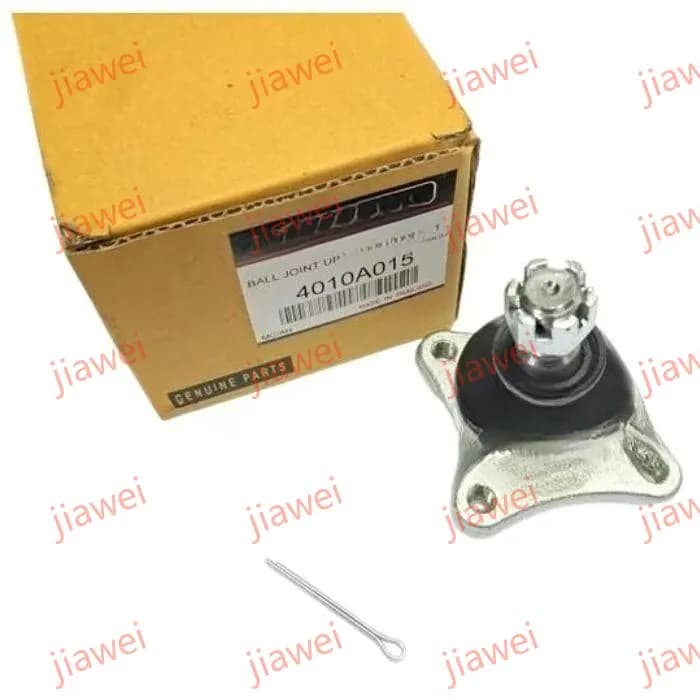
Rotula superior de suspension
Mitsubishi L200
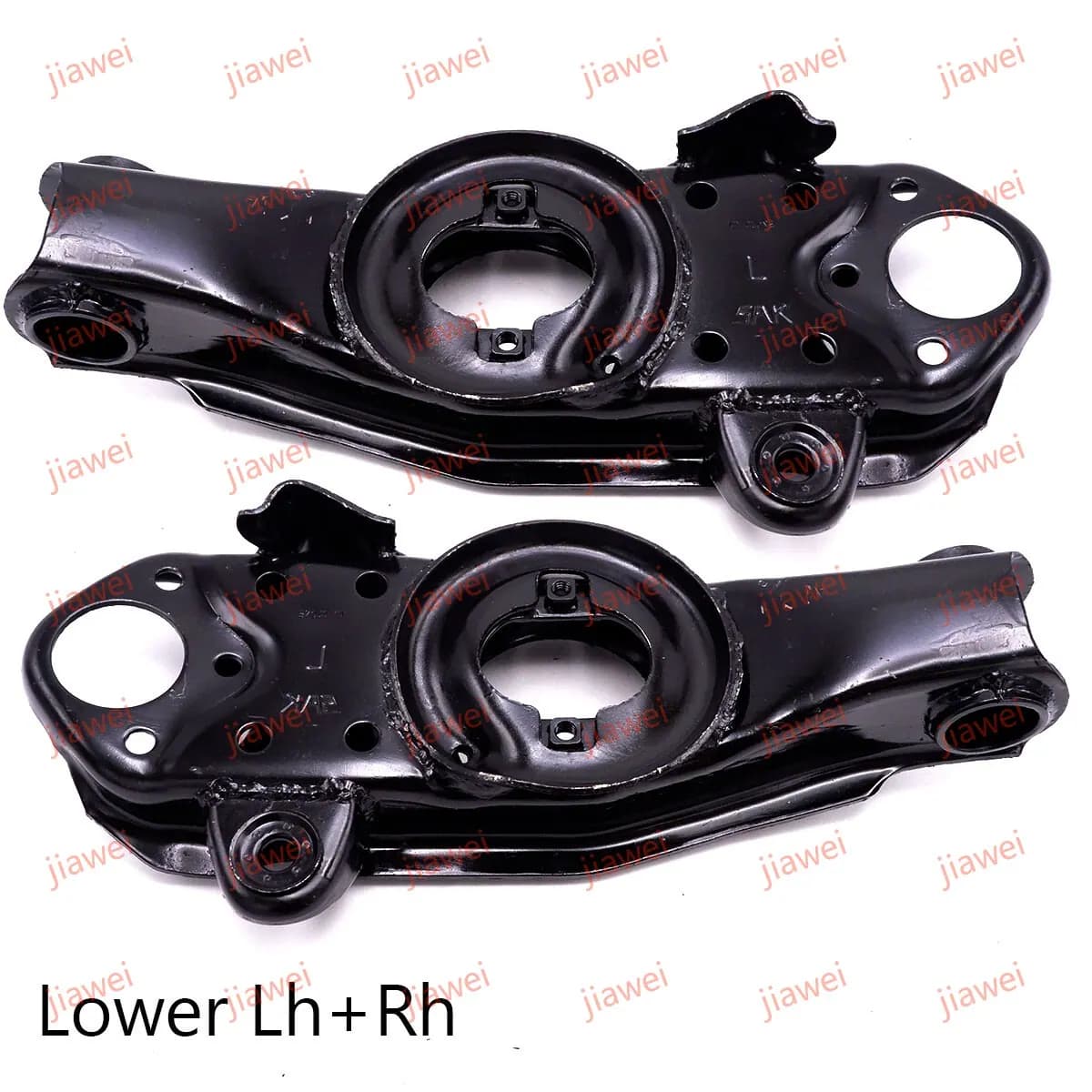
Brazo inferior delantero derecho
Mitsubishi L200 RH · Mitsubishi L200
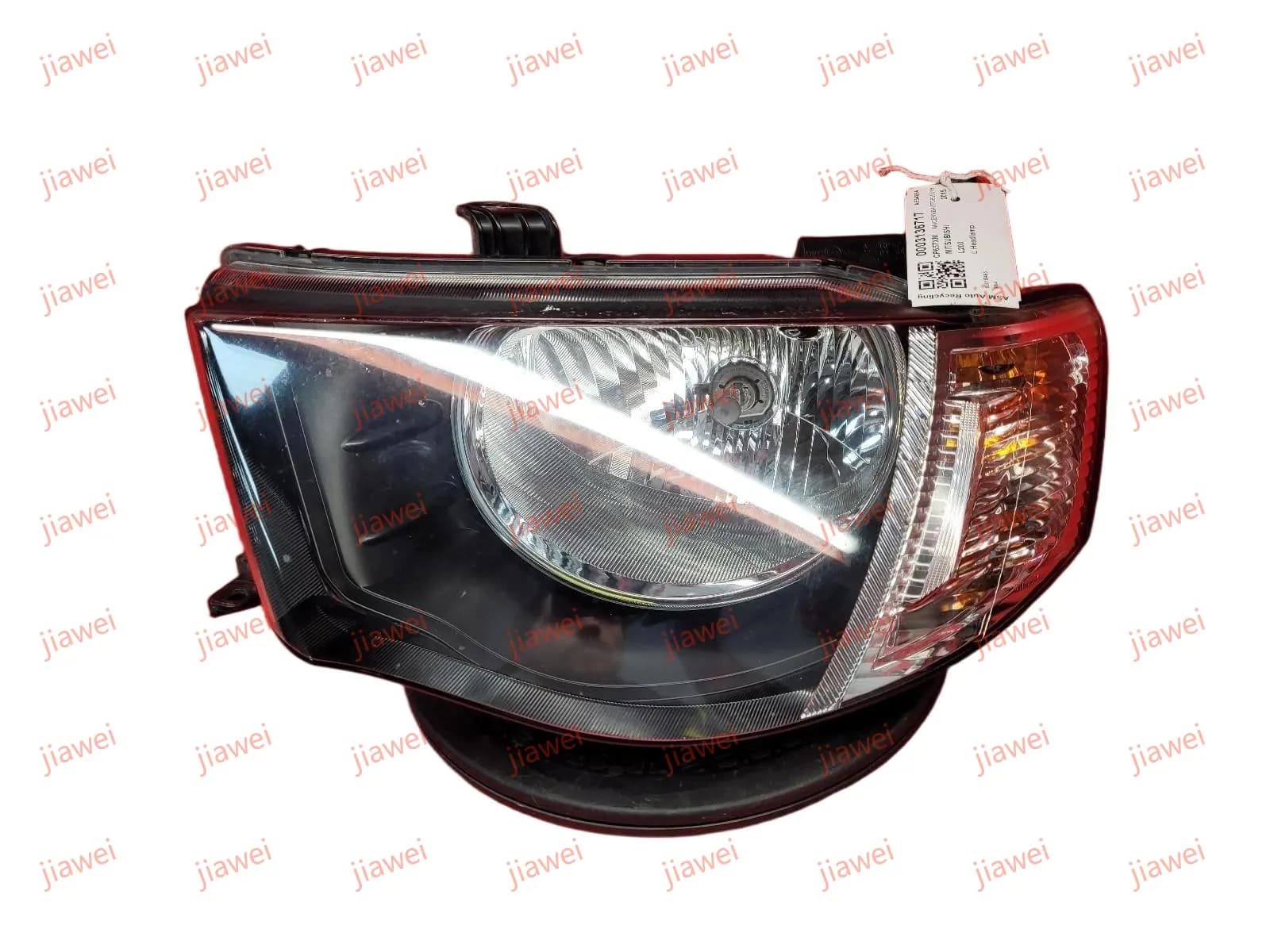
Faro delantero izquierdo
Mitsubishi L200 2015+ · Mitsubishi L200
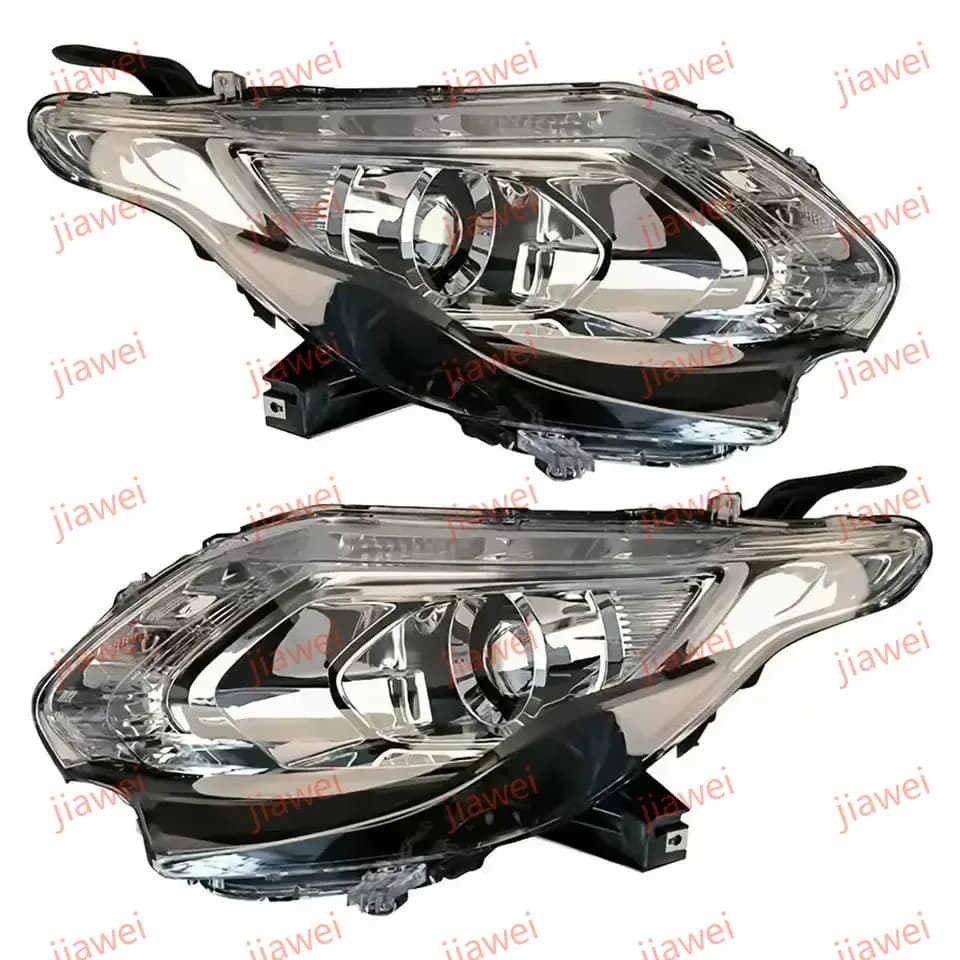
Faro delantero derecho
Mitsubishi L200 2015+ · Mitsubishi L200