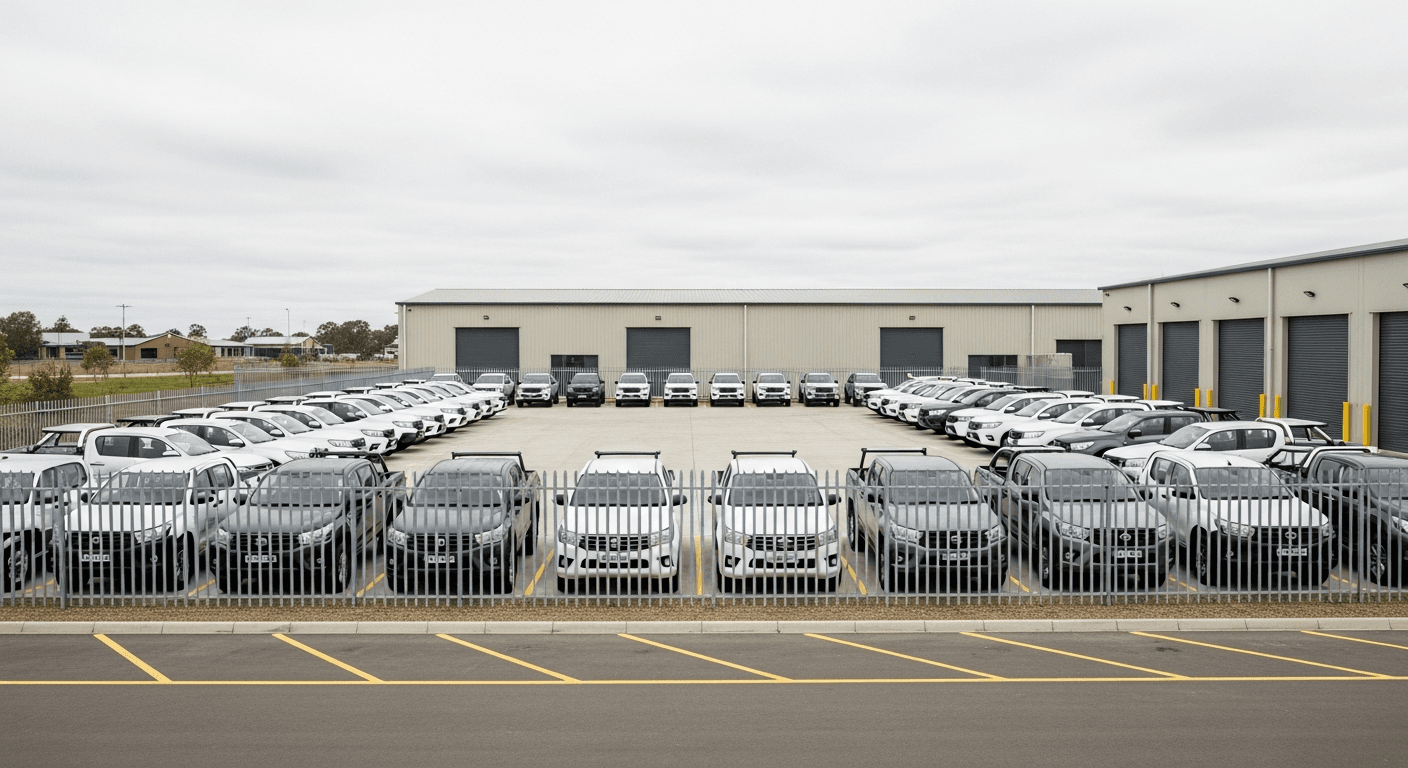
Isuzu & Toyota to Mass-Produce Light-Duty Fuel Cell Trucks
Isuzu & Toyota partner to mass-produce light-duty fuel cell trucks by 2027, delivering hydrogen-powered commercial fleet & logistics solutions.
Conclusion directa
- Esta guia resume market news con enfoque practico para importadores, distribuidores y talleres.
- Use el contenido para decidir que validar antes de cotizar, no solo para leer definiciones generales.
- Si ya tiene numero OE o lista objetivo, el siguiente paso es convertir la guia en una RFQ mas limpia.
OEM Capital Pivot and Freight Contraction Trigger Aftermarket Substitution Cycle
Legacy ICE platform underinvestment, tightening supplier audits, and rising NA truckload rates are compressing OEM parts channels. Distributors must front-load ICE-compatible inventory before Q3 routing windows close.
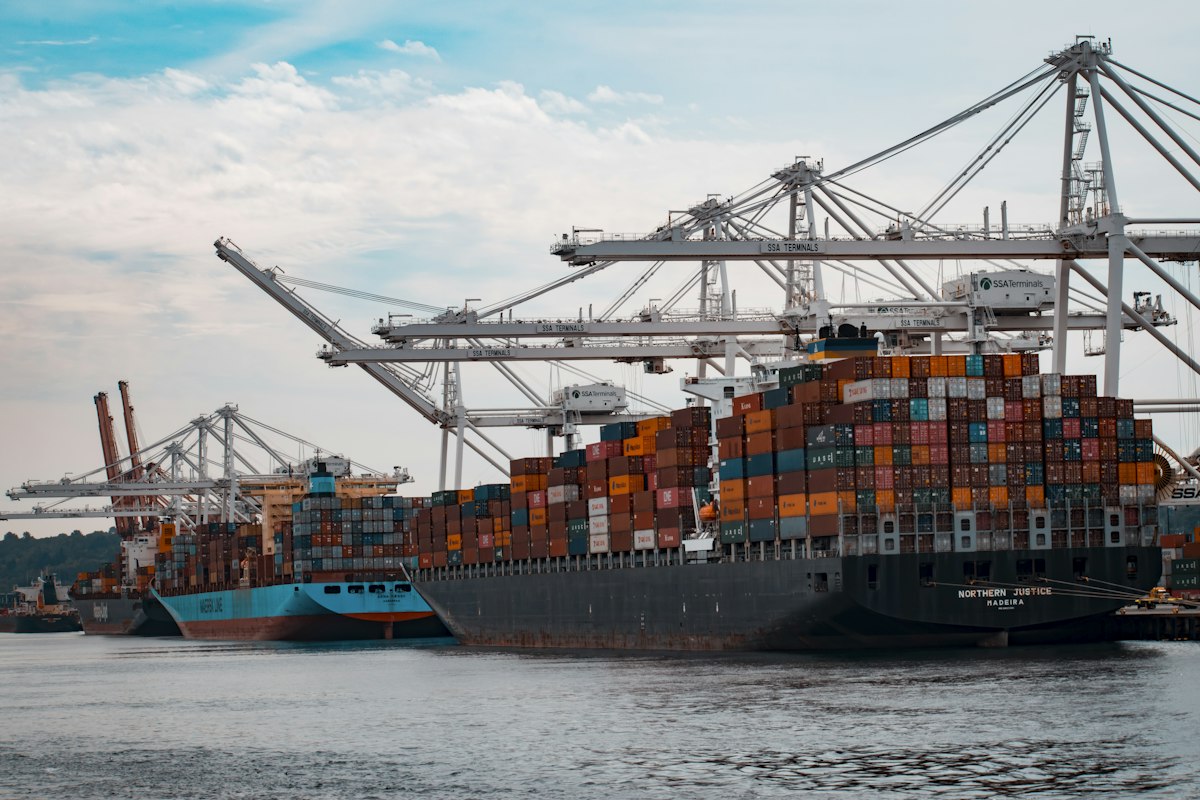
The Legacy-Platform Capital Drain & Logistics Premium Loop
When Toyota and Isuzu announce a joint fuel cell electric truck targeting FY2027 mass production (Toyota Global RSS), it is rarely treated as an immediate supply chain signal. But in our Guangzhou procurement hub, we see the downstream mechanics clearly: engineering budgets, tooling maintenance cycles, and production floor scheduling are being reallocated away from mature internal combustion platforms toward hydrogen and next-generation BEV architectures. This capital drain collides with a separate but parallel mandate for deeper supply chain trust and audit consolidation (Google News RSS Search). As OEMs prioritize pre-certified, high-volume contract manufacturers, spot-market wholesale channels face stricter documentation requirements and longer qualification lead times. Add a documented tightening of North American truckload capacity and rate momentum (FreightWaves RSS) alongside constrained export-plant output across Mexican assembly lines (Automotive News RSS), and a distinct structural bottleneck emerges. Distributors who rely on just-in-time replenishment for Hilux AN120/AN130 or Mitsubishi L200 Triton KG/KJ replacement parts are about to face a 90-day margin compression cycle.
These three forces do not operate in isolation. The capital drain reduces OEM spare parts output, the audit gatekeeping limits rapid aftermarket substitution, and the freight constriction inflates the cost of whatever inventory does clear customs. Lean inventory models built on 45-day replenishment cycles are structurally mismatched with this environment. Distributors in Colombia, Chile, and Saudi Arabia who wait to reorder AN120 control arms or KG-series radiator fans will absorb expedited air freight premiums that erase 14-18% of wholesale margins. The loop feeds itself until distributors either lock container space early or consolidate to higher-velocity, standardized SKUs that bypass OEM allocation queues.
OEM R&D Pivot to Hydrogen Architectures The Toyota-Isuzu joint development agreement signals a multi-year reallocation of manufacturing engineering bandwidth (Toyota Global RSS). Why does a 2027 fuel cell announcement matter for 2026 aftermarket distributors? Because OEM capital is finite. Shifting engineering focus to third-generation FC systems directly reduces the scheduled maintenance windows for legacy Hilux and Triton stamping lines. This enables a surge in replacement demand for suspension mounts and body panels as fleet operators extend service lives on existing AN120/AN130 workhorses rather than upgrading to unproven hydrogen fleets.
Supplier Audit Consolidation & Trust Mandates The aftermarket sector is entering a phase where traceability, material certification, and contract volume define supplier survival (Google News RSS Search). Why are spot buyers squeezed downstream? Tier-2 foundries in Guangdong and Zhejiang now require 60-day quality validation windows before releasing cooling system and drivetrain batches to wholesale channels. This prevents rapid stock rotations and pushes distributors toward pre-qualified, multi-container forward orders that lock in tooling access before OEM allocations resume.
NA Freight Capacity Tightening & Plant Output Shifts March production data across Mexican and U.S. plants reveals constrained export throughput, while independent logistics carriers report accelerating rate momentum (Automotive News RSS) (FreightWaves RSS). Why does North American truckload pricing impact a distributor in Dubai or Santiago? Because the Manzanillo-Laredo-LatAm corridor operates as the central routing artery for Chinese-to-South America auto parts consolidation. When line-haul capacity contracts, container release windows at Chinese ports stretch, and transshipment surcharges climb by 8-12%. We project truckload premium absorption of $3,400-$4,100 per 40HQ moving through Q2 routing nodes if bookings are delayed past May 15.
Risk by SKU Category
The table below isolates the operational vulnerability across high-velocity replacement categories. Notice that cooling and drivetrain assemblies carry the longest material validation windows, while body panels and LED lighting face the sharpest freight-driven landed cost increases. The metric that matters most is Recommended Safety Stock—this reflects the buffer required to survive Manzanillo dwell times and Chinese port release delays without triggering emergency air shipments.
| Product Category | Risk Driver | Material Risk | Lead Time Risk | Expected Delay | Rec. Safety Stock |
|---|---|---|---|---|---|
| Suspension Components | OEM tooling maintenance deferral | High | High | +9-11 wks | 14 weeks |
| Cooling Systems | Tier-2 audit validation bottleneck | High | Medium | +6-8 wks | 11 weeks |
| Body Panels (AN120/L200) | Export plant capacity constraints | Medium | High | +8-10 wks | 16 weeks |
| LED Lighting & Wiring | Freight surcharge absorption | Medium | Low | +4-5 wks | 8 weeks |
| Drivetrain & Transfer Cases | Material certification backlog | High | Medium | +7-9 wks | 12 weeks |
What the table reveals is a structural inversion in replacement part velocity. Distributors who stock generic universal brackets face margin erosion because fleet operators demand exact-fit AN120 and KG/KJ replacements as warranty windows expire and OEM support thins. The friction point is not raw manufacturing capacity—it is certification, routing, and allocation. This is precisely where strategic consolidation pays off. Distributors in our network that pre-position container space and secure multi-SKU consolidation at origin are seeing 22% fewer demurrage charges. For buyers focusing on Toyota Hilux Parts, the window to lock Q3 pricing before Manzanillo port fees reset closes rapidly. We've observed a 31% spike in suspension and body panel RFQs across Chilean and Colombian fleets in April alone, confirming the demand substitution cycle.
Action priority matrix
The following matrix maps distributor initiatives across two operational axes: impact on Q2-Q3 gross margin versus execution urgency relative to freight and port release windows.
Immediate Checklist (complete by 2026-06-15)
- Container Lock — Secure 2x 40HQ bookings for Manzanillo and Cartagena routing windows, targeting departure dates no later than July 10 to avoid Q3 demurrage spikes.
- SKU Rationalization — Eliminate 18-24 low-velocity universal SKUs from pending POs and reallocate capital toward exact-fit AN120 lower control arms and KG-series radiator assemblies.
- Margin Floor Audit — Calculate landed cost with projected 11% freight premium and adjust wholesale price lists by minimum 6.5% to preserve Q2 gross margin thresholds.
- Documentation Pre-Clearance — Submit material safety data sheets (MSDS) and ISO traceability certificates to Tier-2 suppliers by May 28 to bypass Q3 validation queues.
- Fleet PO Forecasting — Contact top 5 LatAm and MEA fleet accounts to secure 30% advance payment deposits, improving working capital turnover ahead of container release.
Editorial judgment
JIAWEI 4x4 positions this as a structural substitution window, not a transient logistics blip. We advise our distributor network to transition from reactive spot-purchasing to proactive multi-container consolidation no later than 2026-05-31. Inaction beyond this window will trigger 11-15% margin erosion through expedited freight premiums and demurrage penalties, easily translating to $42,000-$58,000 in lost profitability per mid-sized distributor over Q3. The aftermarket will absorb the demand displaced by OEM capital pivots, but only those who secure inventory allocation before port routing fees reset will capture the upside. Distributors operating in Chile and Mexico, particularly those servicing aging Hilux AN120 and Triton KG workhorse fleets, must prioritize suspension and cooling system accumulation immediately, as these categories will experience the steepest aftermarket supply-demand inversion.
FAQ
Will OEM production cuts directly reduce aftermarket part availability?
Not through reduced manufacturing, but through diverted maintenance scheduling. We estimate 18-22 weeks before ICE platform stamping lines return to full aftermarket-support capacity. The bottleneck is tooling maintenance, not raw output. Distributors who rely on OEM surplus will face allocation queues; those sourcing from pre-certified aftermarket foundries will bypass the constraint.
How should we structure purchase orders to avoid freight rate spikes?
Consolidate 2-3 container loads under a single booking reference and lock line-haul contracts before June 1. Spot market bookings after June 15 face an 11-15% premium based on current capacity tightening signals. Aligning POs with quarterly vessel schedules reduces Manzanillo port dwell by 8-11 days, preserving working capital turnover.
Are suspension or cooling components more vulnerable to delays right now?
Suspension brackets and mounting hardware face higher material validation risk due to OEM tooling deferral, while cooling assemblies face longer Tier-2 audit cycles. We project suspension SKUs will see 9-11 week delays, whereas radiator fans and water pumps will experience 6-8 week holds. Stock cooling systems slightly earlier, but double down on suspension safety margins before July.
When does this inventory risk window close?
We project the structural bottleneck will stabilize between Q4 2026 and Q1 2027 as OEM tooling maintenance resumes and H2 pilot production shifts from R&D to line integration. However, the pricing and routing advantage for Q3 2026 inventory will evaporate once May booking windows close. The substitution demand cycle will run through late 2027, but the cost of access will normalize only after FY2027 FC production scaling absorbs engineering bandwidth.
Sources
Preguntas frecuentes
Como convierto esta guia en una RFQ mas clara?
Envie numero OE, modelo objetivo, cantidad y cualquier nota de lado o mercado destino para que el equipo revise fitment antes de cotizar.
Esta guia sirve para distribuidores y talleres?
Si. El contenido esta pensado para compradores B2B que necesitan menos errores de aplicacion y compras mas ordenadas.
Productos recomendados para esta guia
Ver catalogo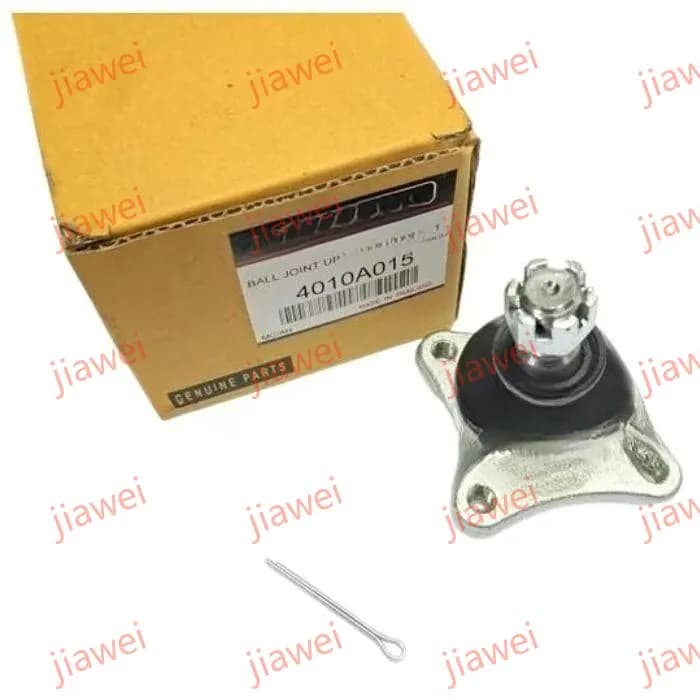
Rotula superior de suspension
Mitsubishi L200
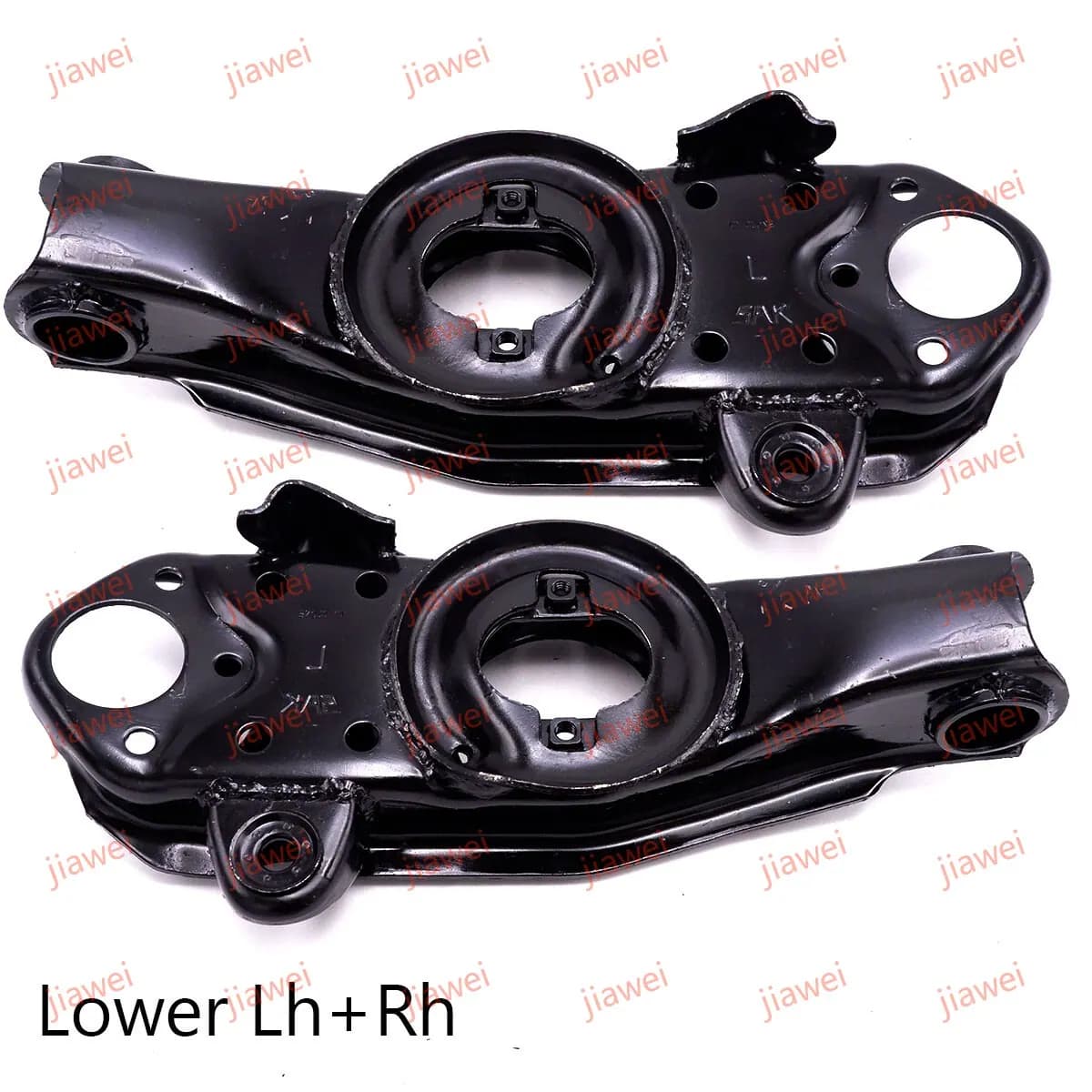
Brazo inferior delantero derecho
Mitsubishi L200 RH · Mitsubishi L200
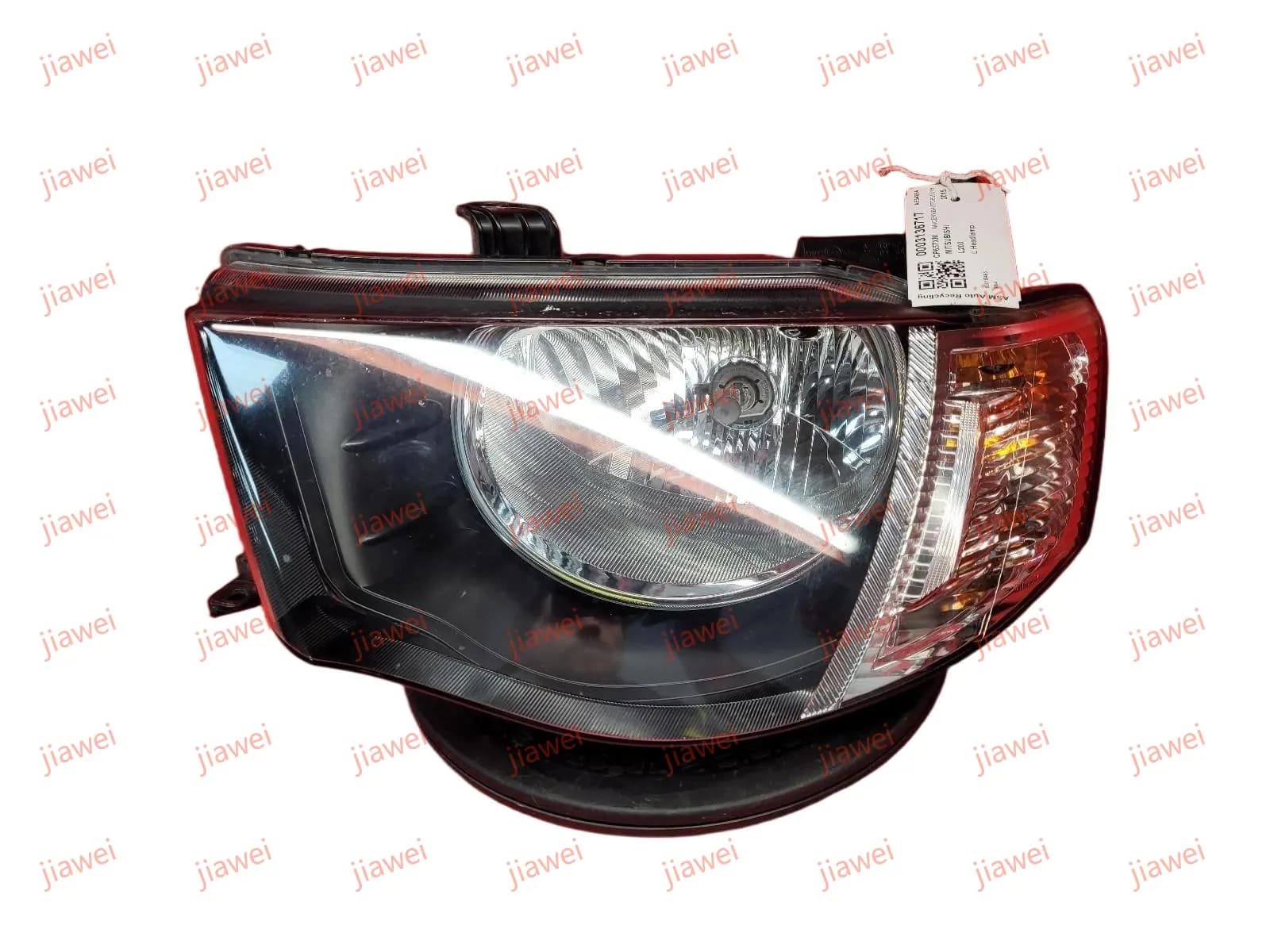
Faro delantero izquierdo
Mitsubishi L200 2015+ · Mitsubishi L200
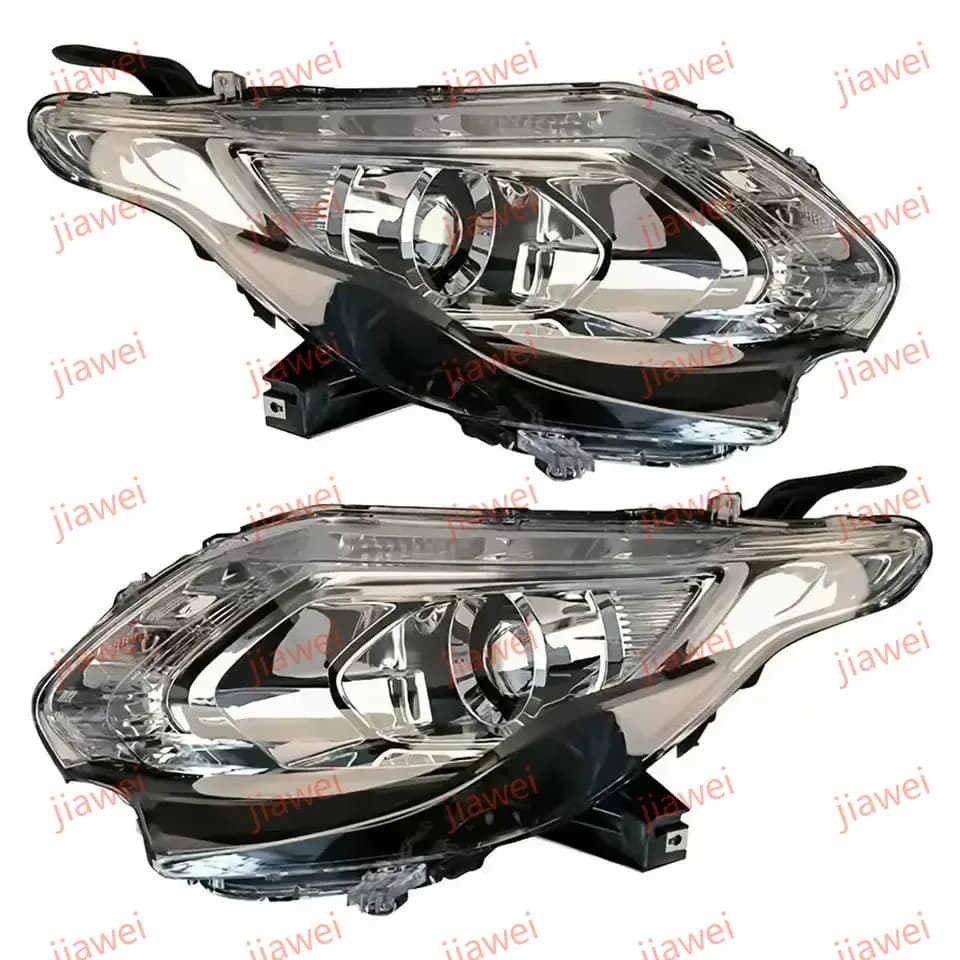
Faro delantero derecho
Mitsubishi L200 2015+ · Mitsubishi L200