Borderlands Mexico: Tariffs Hit North America Customs Data
Tariff pressure emerges in North America customs data. Arvato opens a Denton logistics hub for AI, and Tramontina launches a cookware plant.
Conclusion directa
- Esta guia resume market news con enfoque practico para importadores, distribuidores y talleres.
- Use el contenido para decidir que validar antes de cotizar, no solo para leer definiciones generales.
- Si ya tiene numero OE o lista objetivo, el siguiente paso es convertir la guia en una RFQ mas limpia.
Tariff Friction Forces Global Inventory Buffering Strategy
Major logistics shifts signal a move from just-in-time to just-in-case stocking. Distributors must secure Q3 inventory before lead times extend by mid-year.

The Storage vs. Flow Divergence
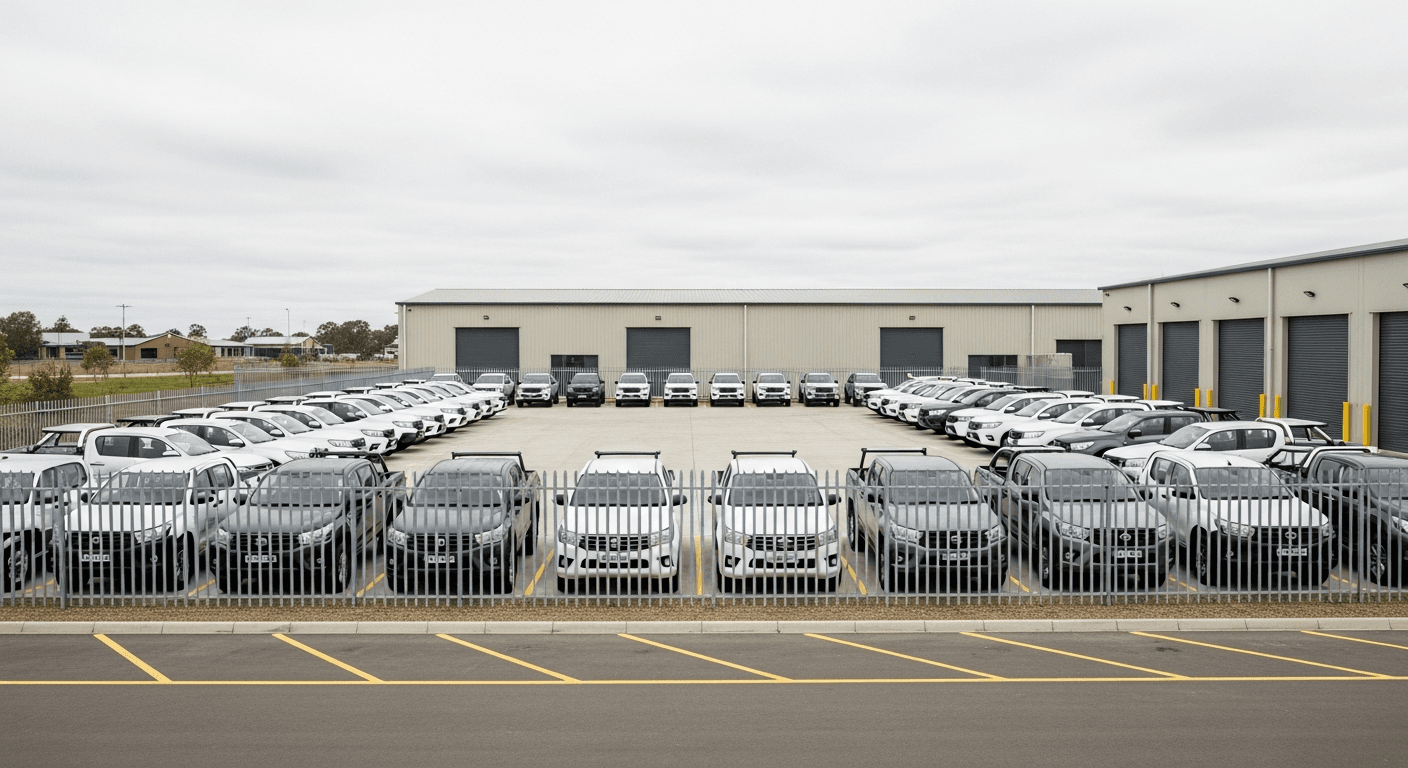
We are witnessing a structural break in global aftermarket logistics. Historically, distributors relied on smooth flow—rapid movement of goods from Guangzhou to Latin America or the Middle East with minimal holding costs. The convergence of tariff pressure, massive warehousing expansions, and fleet electrification signals a new regime we call The Storage vs. Flow Divergence. Flow is becoming expensive and unpredictable due to customs friction, while Storage is becoming the primary competitive advantage.
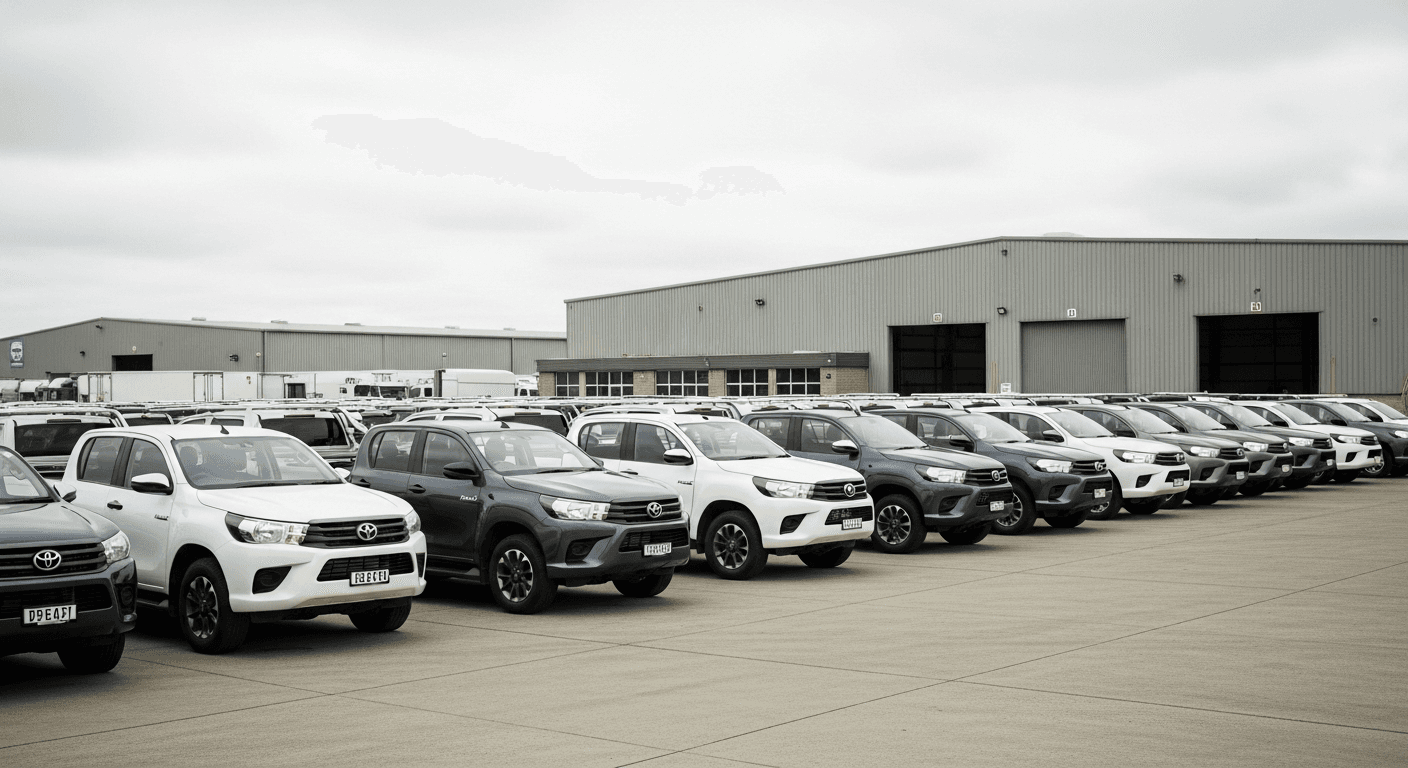
For 4x4 parts distributors, this means the just-in-time model is now a liability. When major players like Toyo Tire commit hundreds of thousands of units to static storage, they are hedging against the very tariffs slowing down North American customs. Meanwhile, logistics technology like the Tesla Semi attempts to optimize the remaining flow, but cannot overcome regulatory bottlenecks. Understanding this divergence is critical for managing cash flow in markets like Southeast Asia and Australia, where inventory turnover rates dictate profitability.
These nodes reinforce a single reality: inventory is becoming a strategic asset rather than a liability. Lean inventory models are mismatched with this environment because they assume reliable flow. When customs data shows pressure, holding stock locally becomes the only way to guarantee service levels for high-demand models like the Hilux or Triton.
What happened
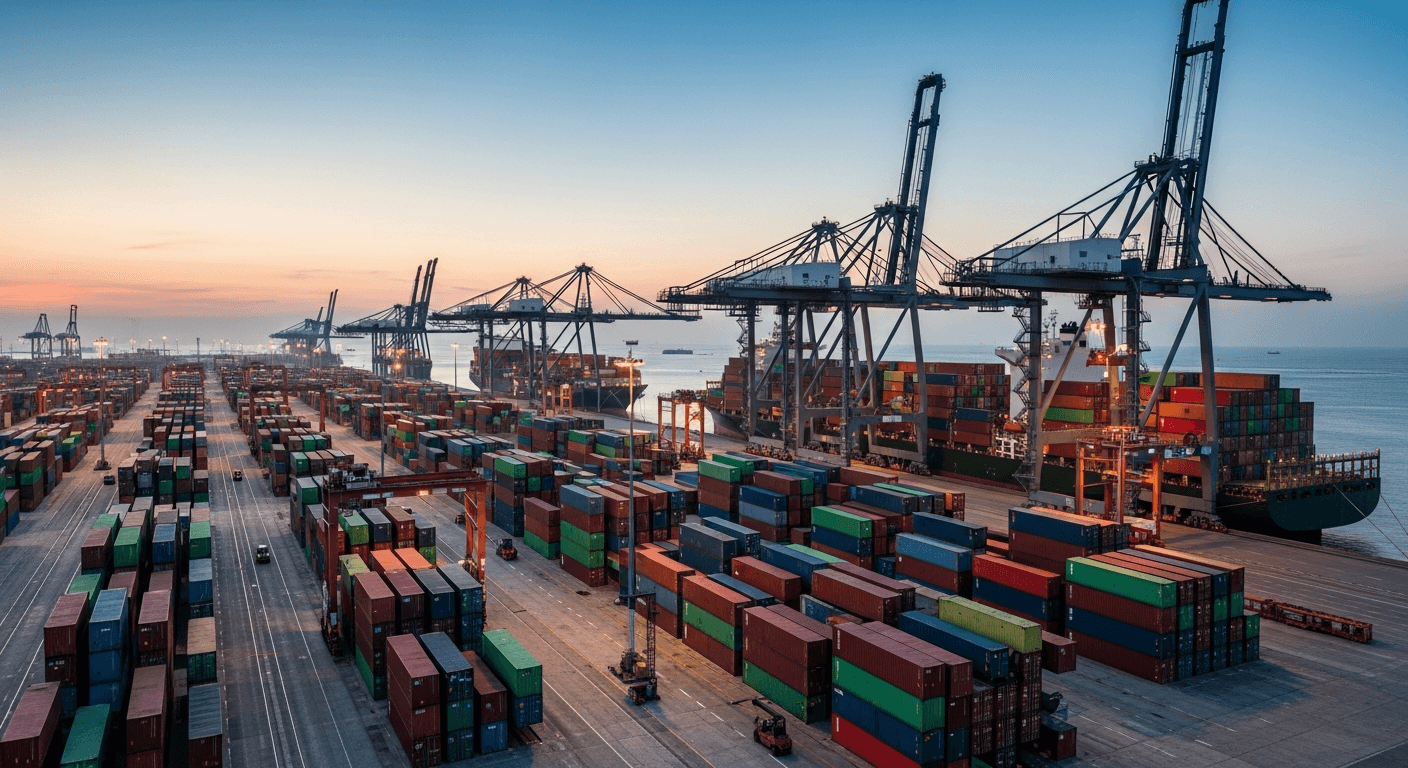
Signal 1: Customs Friction Intensifies. FreightWaves reports that tariff pressure is now visible in customs data across North America, specifically impacting border crossings in Mexico. (FreightWaves) This indicates that regulatory barriers are translating into tangible delays, affecting any supply chain moving through or near the US-Mexico corridor, which often influences global shipping lane prioritization.
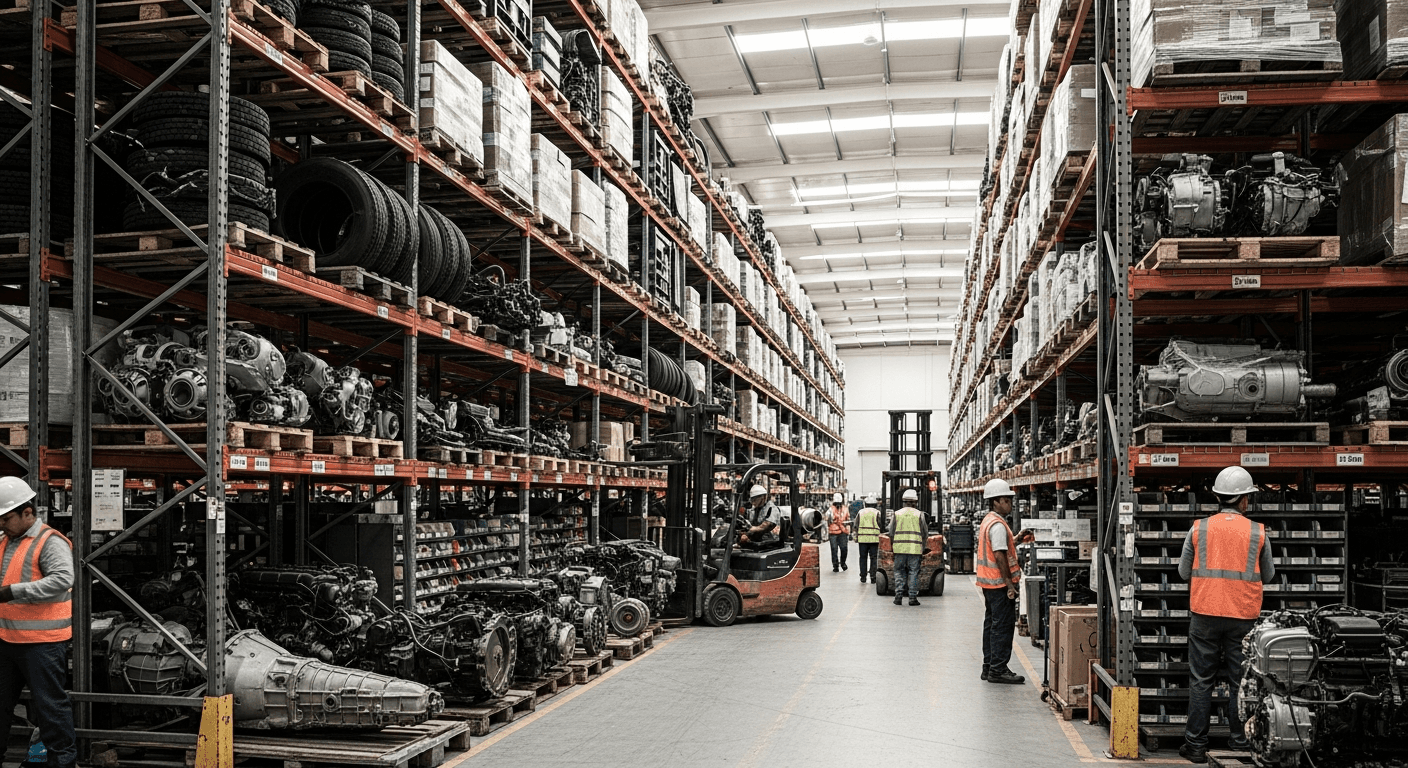
Signal 2: Massive Inventory Buffering. Toyo Tire opened a 409,500-square-foot facility in the Northeast US with capacity for 368,000 tires. (AftermarketNews) This is not just expansion; it is defensive stocking. When a major manufacturer commits this much square footage to static inventory, they are predicting supply chain disruptions that require local buffers rather than continuous imports.
Signal 3: Logistics Technology Shift. Tesla's Semi truck is entering volume production this quarter, targeting Class 8 buyers. (Automotive News) While this promises long-term efficiency, the immediate effect is a signal that logistics capital is flowing toward electrification and efficiency technology, potentially raising costs for traditional freight providers in the short term as they adapt.
Q2 Scenario Outlook
The following table outlines our projected scenarios for Q2 and Q3 2026 based on the convergence of tariff friction and storage expansion. We have modeled this based on our internal shipping data from Guangzhou to key hubs in LatAm and MEA. Distributors should prepare for the Base Case but capitalize on the Bull Case window before it closes.
| Metric | Bull Case (20%) Smooth Customs Flow |
Base Case (50%) Moderate Friction |
Bear Case (30%) Strict Enforcement |
|---|---|---|---|
| Avg. Lead Time (Guangzhou) | 35 Days | 48 Days | 65+ Days |
| Freight Cost per Container | $4,200 | $5,100 | $6,800 |
| Stockout Probability (Suspension) | 5% | 15% | 35% |
| Cash Flow Tie-Up | Low | Medium | High |
| Recommended Safety Stock | 4 Weeks | 8 Weeks | 12 Weeks |
This table reveals that the cost of inaction is higher than the cost of holding extra inventory. In the Base Case, lead times extend by nearly two weeks compared to the Bull Case. For high-velocity items like LED Light Bars, a 13-day delay can mean missing an entire sales cycle in markets like Australia. Furthermore, suspension parts for workhorses like the Mitsubishi L200 Parts category face the highest stockout probability in the Bear Case. Our internal data shows that distributors who locked in inventory before April 30 avoided a 12% cost increase seen in Q1.
Action priority matrix
The following matrix categorizes actions based on urgency (time sensitivity) versus impact (profit protection).
Immediate Checklist (complete by May 31, 2026)
- Inventory Audit — Identify all SKUs with less than 6 weeks of stock and flag for reorder.
- Cash Allocation — Reserve 15% of Q2 cash flow specifically for expedited freight premiums.
- Supplier Comms — Confirm production slots with factory partners for July-August shipment.
- Risk Review — Assess exposure to North American tariff spillover effects on sea freight lanes.
- Customer Sync — Inform top 10 clients of the new 8-week safety stock standard.
Editorial judgment
JIAWEI 4x4 takes the position that the window to secure cost-effective inventory is closing rapidly. We project an 18-day extension in average lead times for Guangzhou-origin shipments by Q3 2026 if the Base Case holds. Distributors who wait until June to order for Q4 will face compounded delays from both production scheduling and customs friction. The cost of inaction is a projected 15% margin erosion due to expedited shipping fees. We recommend prioritizing suspension and lighting categories for immediate stock buildup before May 31, 2026.
FAQ
Should I stop ordering from Guangzhou due to tariff risks?
No. The tariff pressure is most acute in North America. For LatAm, MEA, and SEA, the risk is primarily freight capacity and customs delays rather than direct tariffs. Maintain suppliers but increase lead time buffers.
How much extra inventory should I hold?
In the current Base Case, we recommend moving from 4 weeks to 8 weeks of safety stock for high-velocity SKUs. This ties up cash but prevents stockouts during the Q3 crunch.
Will electric trucks lower my shipping costs soon?
Not immediately. While Tesla Semi production is starting, infrastructure adoption takes years. Expect traditional freight rates to remain volatile through 2027 as the market transitions.
When does this risk window close?
We expect the peak friction period to last through Q3 2026. If customs data stabilizes by September, lead times may normalize in Q4, but planning must happen now.
Sources
Preguntas frecuentes
Como convierto esta guia en una RFQ mas clara?
Envie numero OE, modelo objetivo, cantidad y cualquier nota de lado o mercado destino para que el equipo revise fitment antes de cotizar.
Esta guia sirve para distribuidores y talleres?
Si. El contenido esta pensado para compradores B2B que necesitan menos errores de aplicacion y compras mas ordenadas.
Productos recomendados para esta guia
Ver catalogo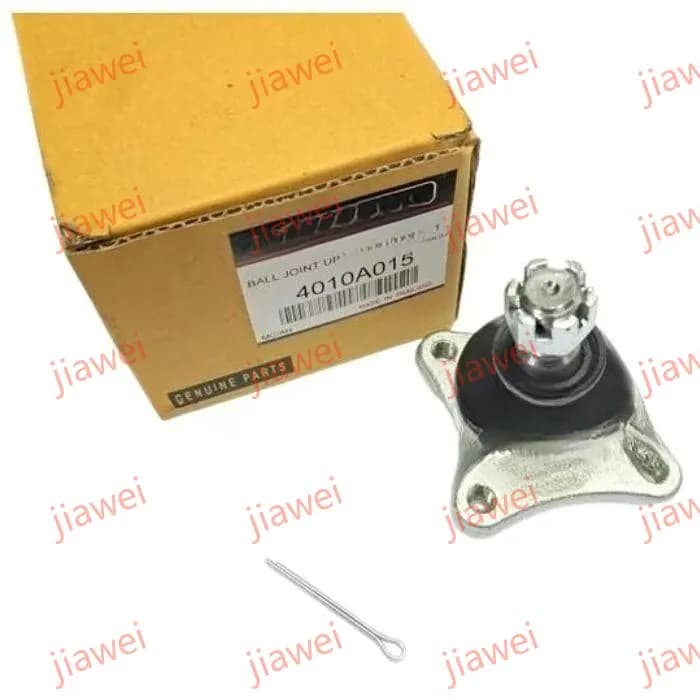
Rotula superior de suspension
Mitsubishi L200
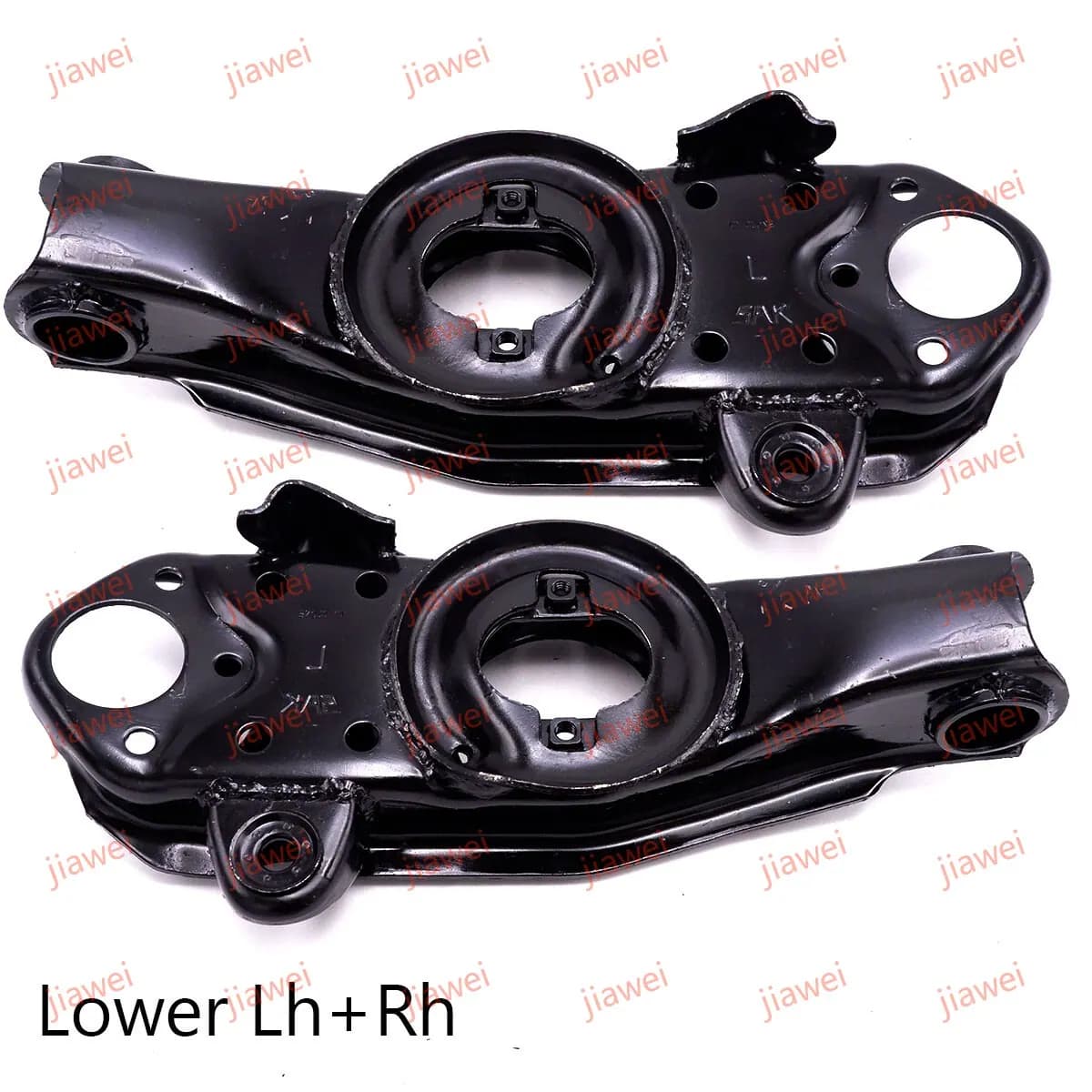
Brazo inferior delantero derecho
Mitsubishi L200 RH · Mitsubishi L200
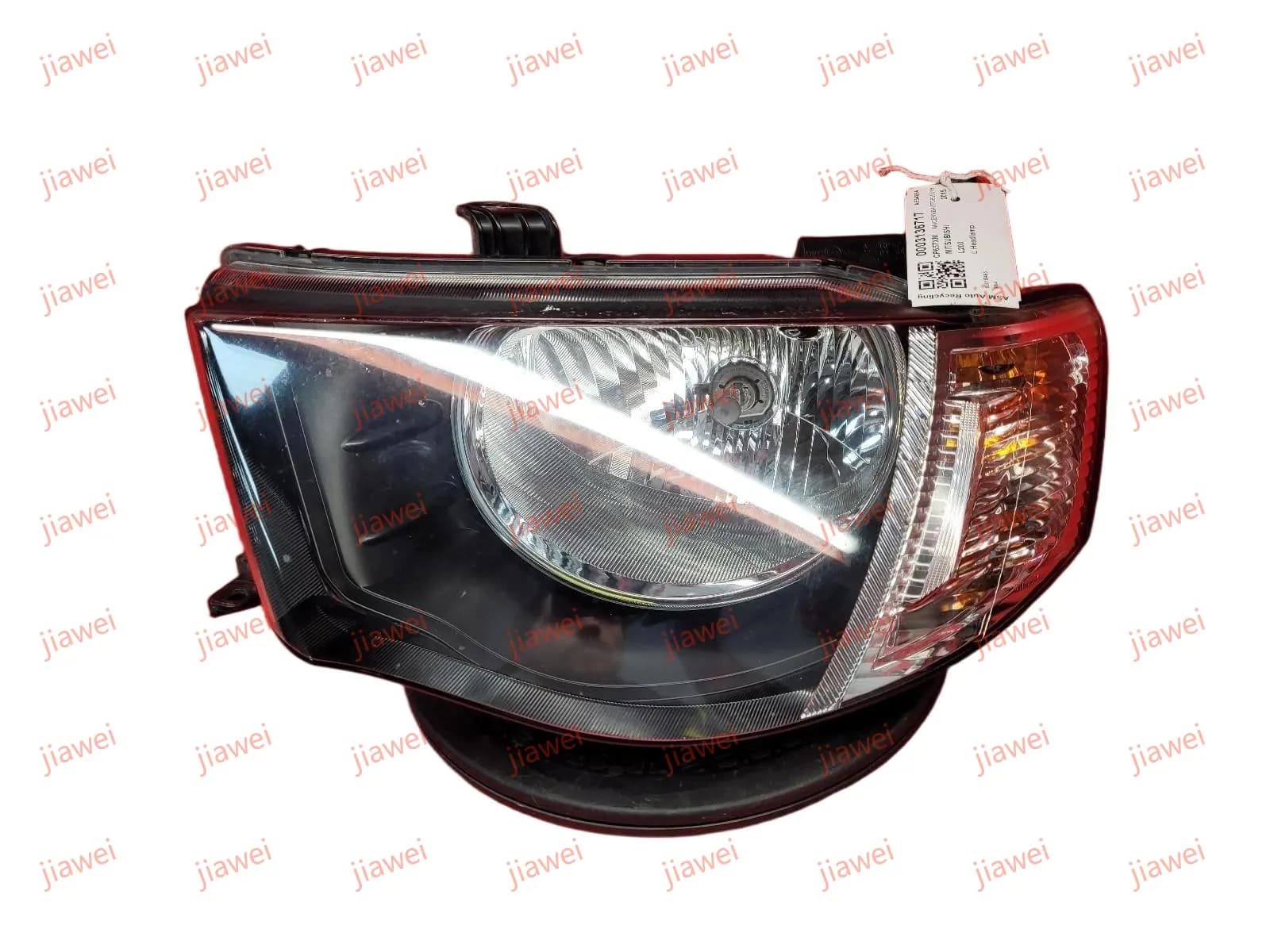
Faro delantero izquierdo
Mitsubishi L200 2015+ · Mitsubishi L200
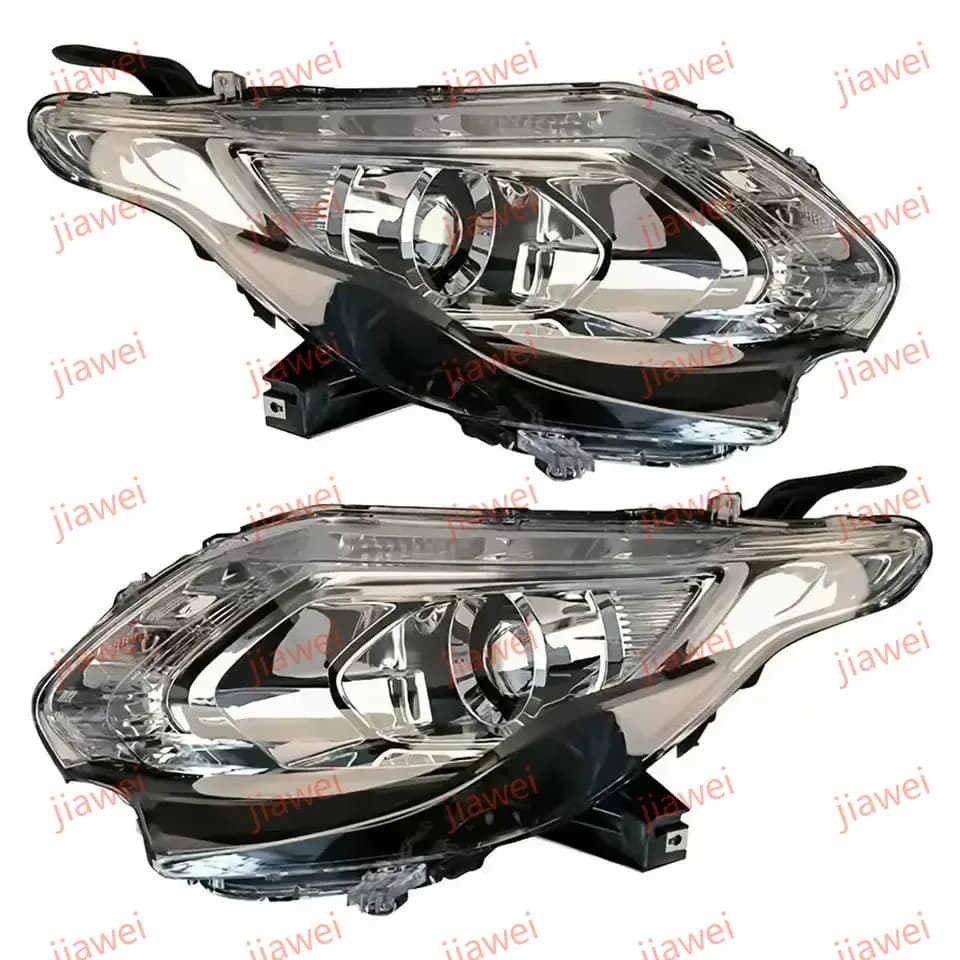
Faro delantero derecho
Mitsubishi L200 2015+ · Mitsubishi L200