Why LED Headlight Demand Is Accelerating
Safety Gap Is Real
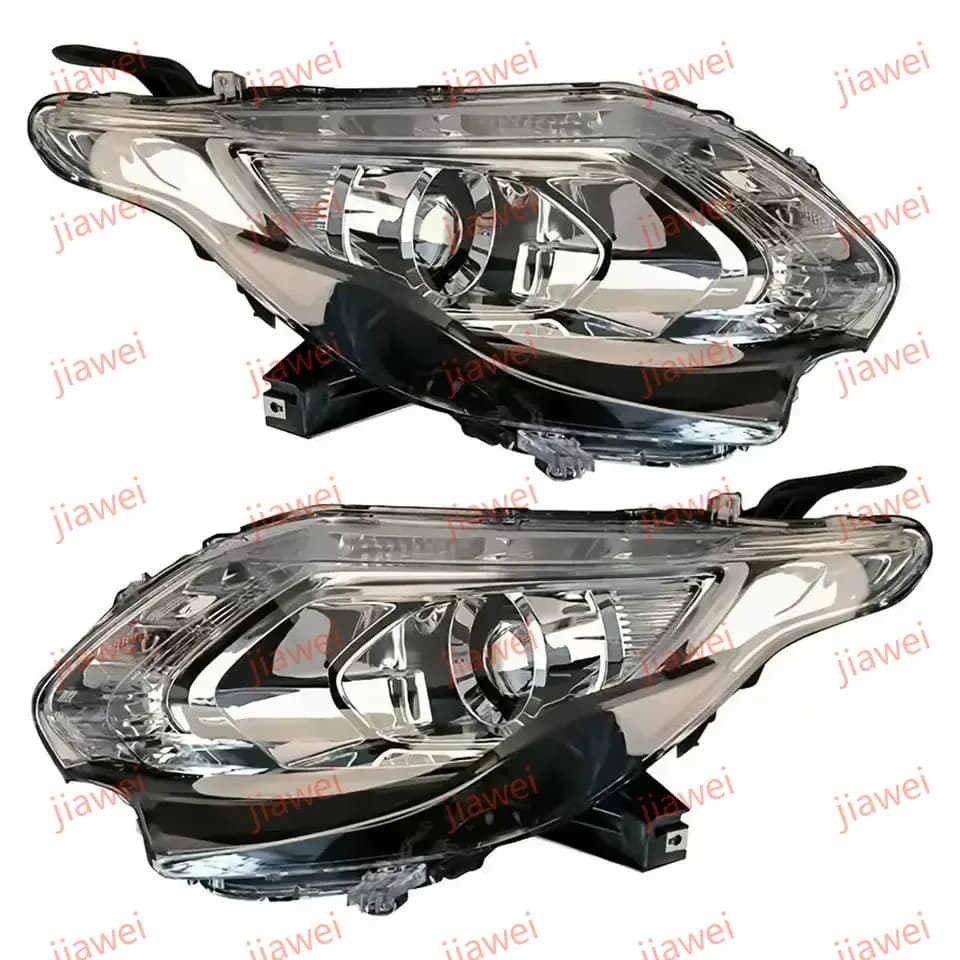
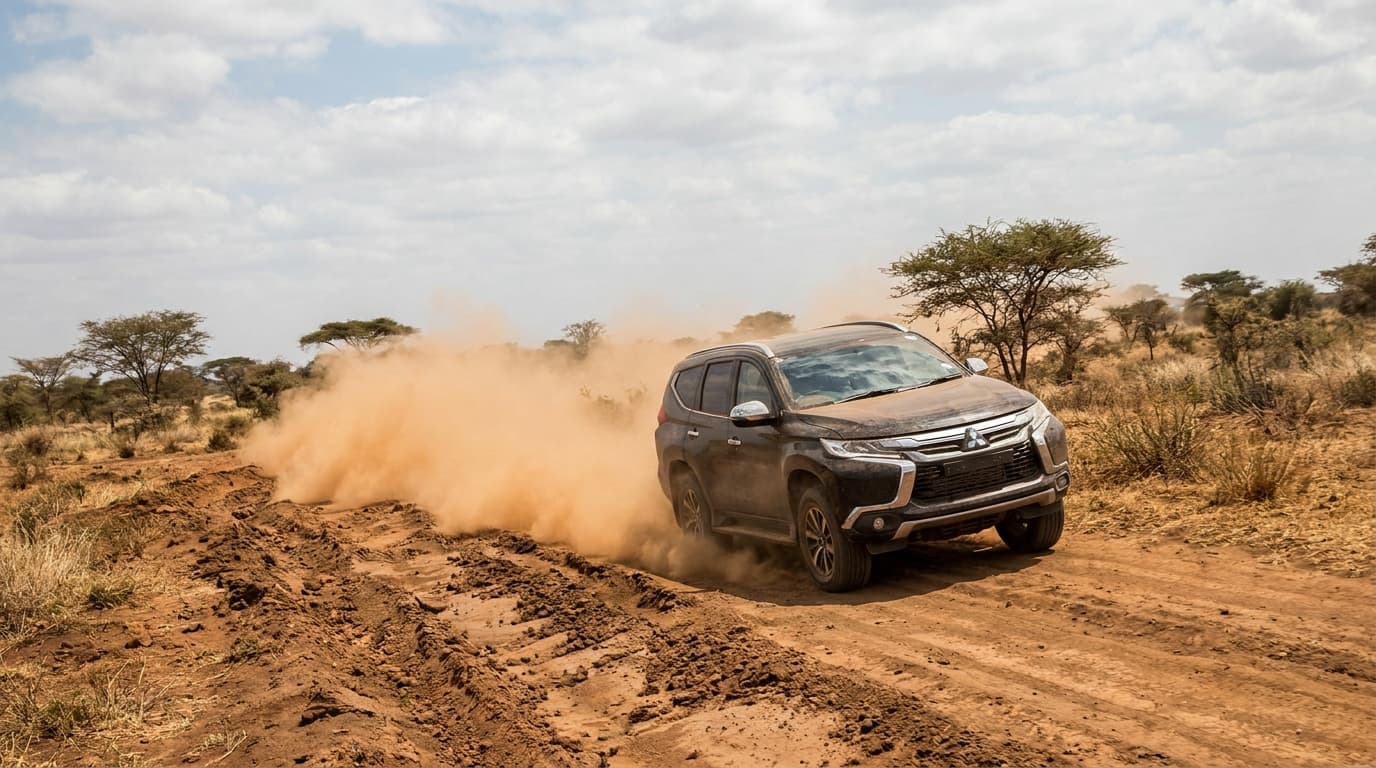
A Hilux or L200 on unlit rural roads at night is operating where factory 55W halogen is a genuine safety limitation. LED assemblies at 6,000–8,000 lumens per side make a meaningful difference.
Prices Have Dropped
Three years ago, quality LED headlights for a Hilux Revo cost $180–220/side wholesale. Today, comparable quality is available at $80–120/side — opening a much larger customer base.
Word-of-Mouth Driver
LED headlights are immediately visible. When a truck owner installs them, everyone notices. This creates organic demand in a way that suspension bushings or radiator hoses don't.
5 Questions to Ask Before Every Bulk Order
Does it fit the exact vehicle variant you're selling into?
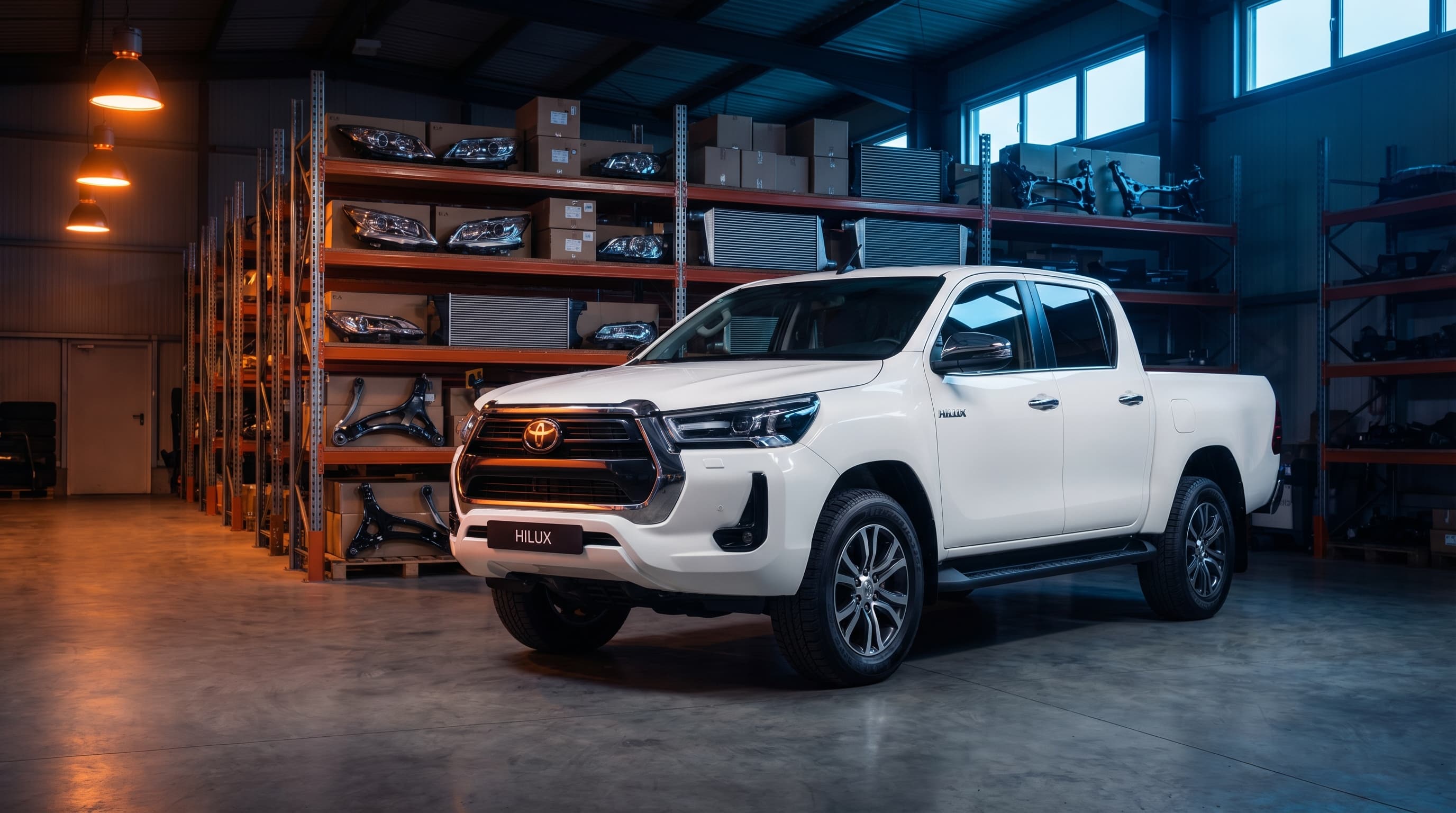
This is the most common source of returns in the LED headlight category. The Toyota Hilux alone has multiple headlight configurations across generations:
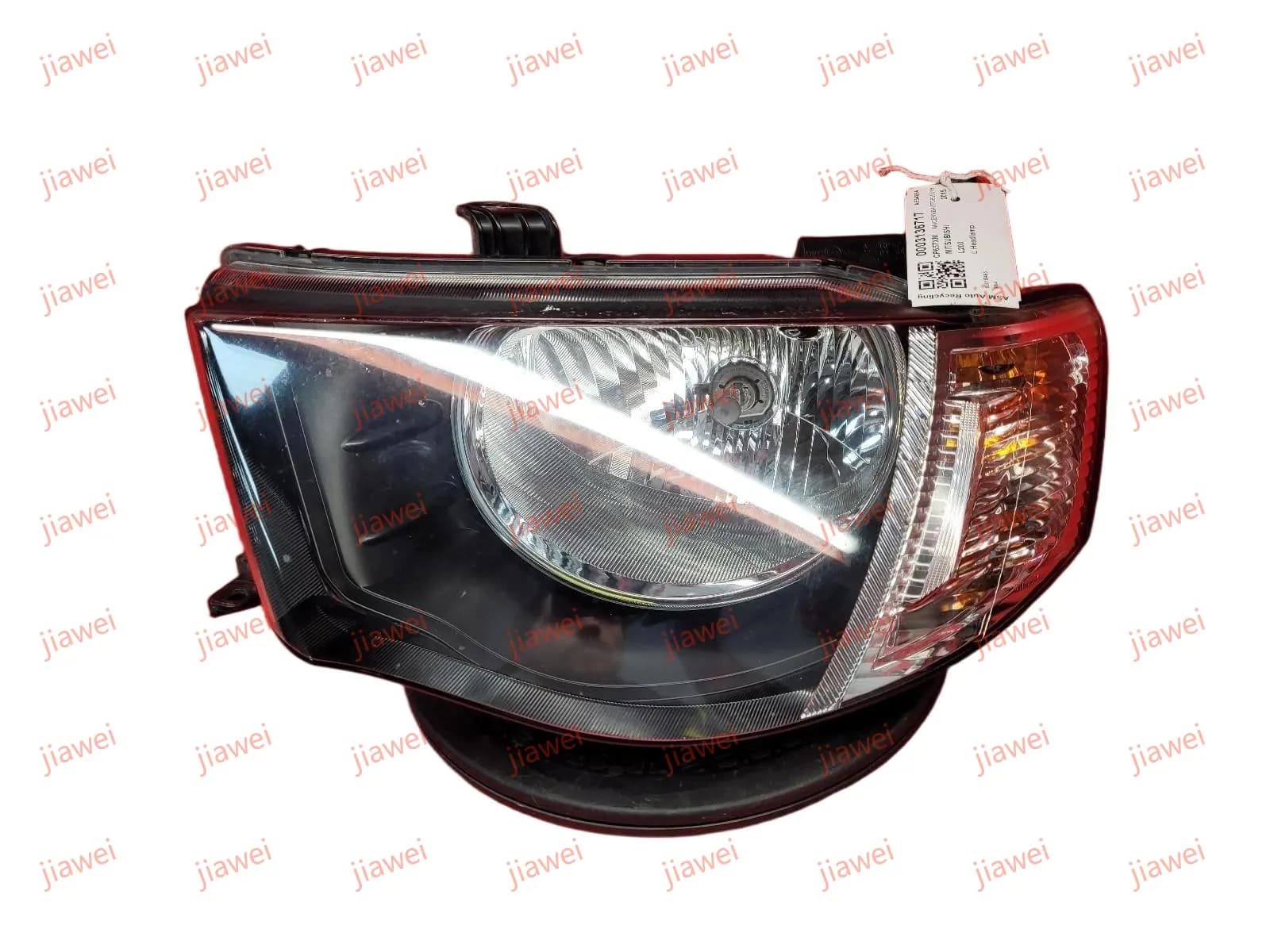
Hilux Vigo (2005–2011) — different from Vigo facelift (2012–2015) · Hilux Revo (2015–2020) — different from Revo facelift (2020–2022) · Hilux GR Sport — different again. The Mitsubishi L200/Triton has similar generational splits, with the 2019 facelift being a particularly common source of fitment errors.
Before ordering, confirm: exact OE part number replaced, whether the connector is plug-and-play or requires an adapter harness, and whether DRL and turn signal functions are wired correctly for the target market.
What certifications does the product carry?
Certifications matter for legal compliance in the destination market and as a proxy for quality standards.
| Certification | What It Means |
|---|---|
| ECE R112 / R113 | European road lighting standard — required in EU, accepted in many other markets |
| DOT FMVSS 108 | US standard — relevant if selling into North America |
| IP67 / IP68 | Dust and water ingress protection — IP67 minimum for automotive use |
| CE marking | General European conformity — less specific than ECE but still relevant |
| RoHS | Restriction of hazardous substances — relevant for EU import |
A supplier who can't provide documentation for any of these certifications is a risk. Asking for them filters out the lowest-tier suppliers immediately.
What is the actual lumen output — and how was it measured?
Lumen claims in the LED headlight market are notoriously inflated. A product listed as "12,000 lumens" often produces 4,000–5,000 lumens in real-world testing.
How to verify: Ask for test reports from an independent lab (not the supplier's own measurements). Request a sample and test with a lux meter at a fixed distance. Compare the LED chip specification — reputable chips from Osram, Philips, or CREE have published output data.
A realistic spec for a quality LED headlight assembly for a mid-size 4x4 is 5,500–7,500 lumens per side. Claims above 10,000 lumens per side for a standard headlight assembly should be treated with skepticism.
What is the thermal management design?
Heat is the primary cause of LED headlight failure. LEDs generate heat — if it isn't managed properly, the LED chips degrade rapidly, causing output to drop and eventually fail.
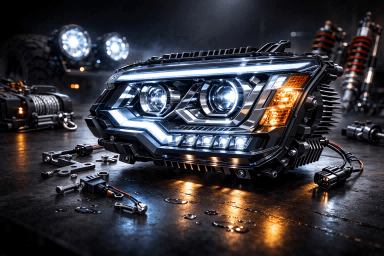
Heat sink design: Aluminum heat sink fins should be visible on the back of the assembly — larger surface area means better cooling. Fan vs. fanless: Fan-cooled units run cooler but have a moving part that can fail; fanless designs with large heat sinks are more reliable for automotive use. Driver quality: The LED driver is often the first component to fail in cheap units — ask about the driver brand or specification.
What is the warranty and return policy?
For bulk orders, warranty terms determine your risk exposure. Key questions: What is the warranty period? (12 months is standard; 24 months is better.) What does it cover — manufacturing defects only, or also performance degradation? What is the return process for defective units? What is the expected defect rate? (A reputable supplier will tell you — 1–2% is normal, above 5% is a red flag.)
Price Tiers and What You Actually Get
- Generic unbranded LED chips
- Minimal heat sink
- No independent certification
- Lumen claims inflated 2–3×
- Defect rates 5–15%
- Named chips (CREE, Osram)
- Adequate heat management
- IP67 certified
- Realistic lumen output
- Defect rates 1–3%
- Top-tier LED chips
- Advanced thermal management
- Full ECE/DOT certification
- Plug-and-play OE connector
- Defect rates under 1%
Common Complaints and How to Avoid Them
JIAWEI 4x4 LED Headlight Range
JIAWEI 4x4 carries LED headlight assemblies for the most popular 4x4 platforms, all IP67 rated with named LED chips and plug-and-play fitment confirmed on target vehicles.
| Vehicle | Variants Covered | IP Rating | MOQ |
|---|---|---|---|
| Mitsubishi L200 / Triton | 2015–2018 and 2019+ facelift | IP67 | 10 pairs |
| Mitsubishi Pajero Sport | 2016–2019 and 2020+ variants | IP67 | 10 pairs |
| Toyota Hilux Revo | 2015–2020 and 2020+ facelift | IP67 | 10 pairs |
| Toyota Fortuner | 2015–2020 variants | IP67 | 10 pairs |
Samples available before bulk commitment. OE part numbers confirmed for every SKU. Wholesale pricing with MOQ starting from 10 pairs per model.
Ready to Add LED Headlights to Your Catalog?
Send us the vehicle models and years you're targeting — we'll confirm fitment, send specs, and get you a wholesale price list within 24 hours.