The question we hear most from new buyers isn't about pricing or lead times — it's some version of "how do I know you're reliable?" Fair question. You're comparing suppliers across three continents, most of whom have similar product photos and similar promises. What actually separates one from another comes down to process.
This article walks through how we operate: who handles what, how orders move from inquiry to delivery, what we check before anything ships, and what 12 years in the Mitsubishi and Toyota 4x4 aftermarket taught us about what works. Think of it as the conversation we'd have if you visited our Guangzhou office for a day.
Who We Are (But Not the Boring Version)
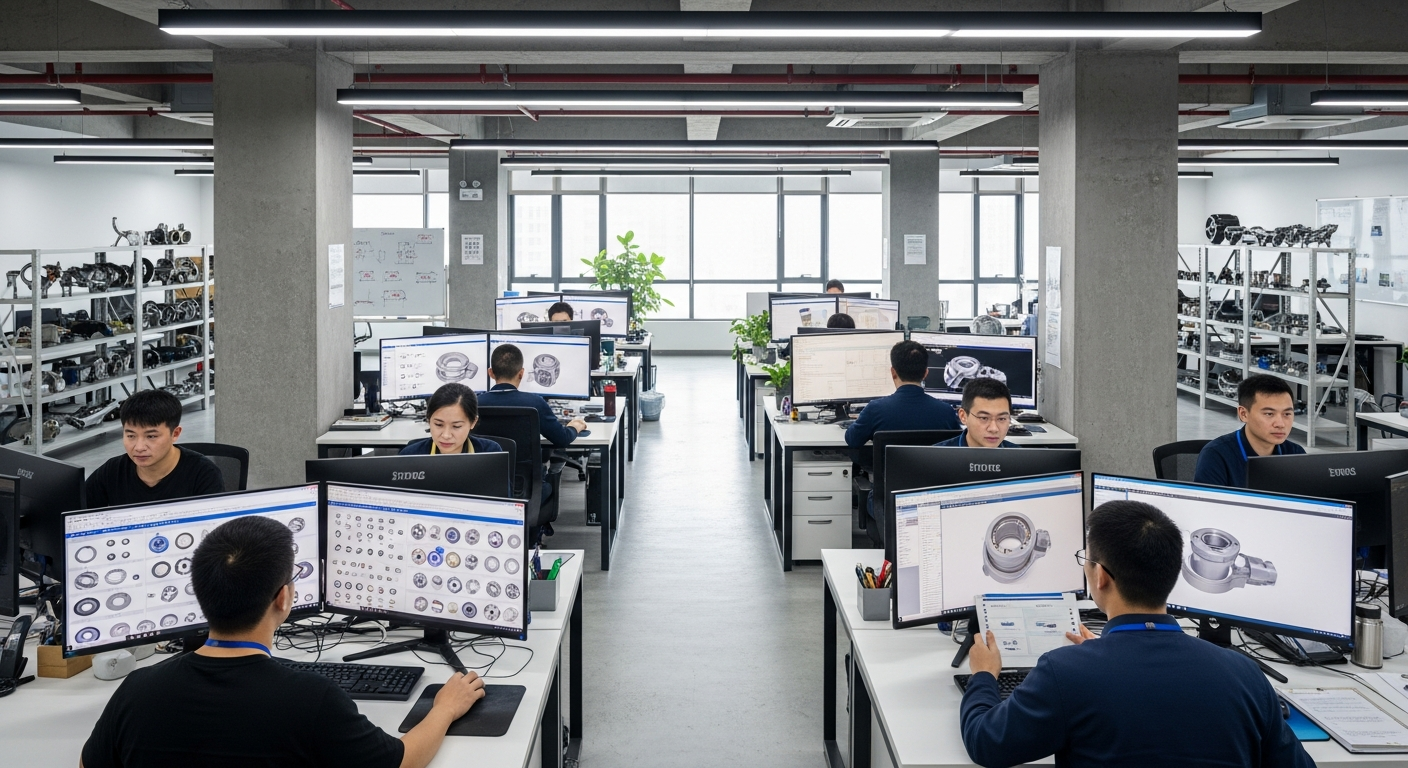
JIAWEI 4x4 has been in the aftermarket parts business since 2013, focused exclusively on Mitsubishi and Toyota 4x4 vehicles. We're not a general auto parts catalog — we don't touch sedans, we don't stock heavy truck components, and we don't chase every trending vehicle model. Our entire operation is built around four product categories (Lighting, Body Parts, Cooling, Suspension) for a specific vehicle range: L200/Triton, Pajero, Hilux, Land Cruiser, Prado, Fortuner, and their variants.
Why the narrow focus? Depth over breadth. When a distributor in Lima sends us an OE number for a KUN26 Hilux intercooler, we don't need to look it up — we know the fitment differences between KUN25 and KUN26, we know which aftermarket suppliers make the bar-and-plate version versus tube-and-fin, and we know that Peru's altitude means buyers care more about thermal performance than coastal markets do.
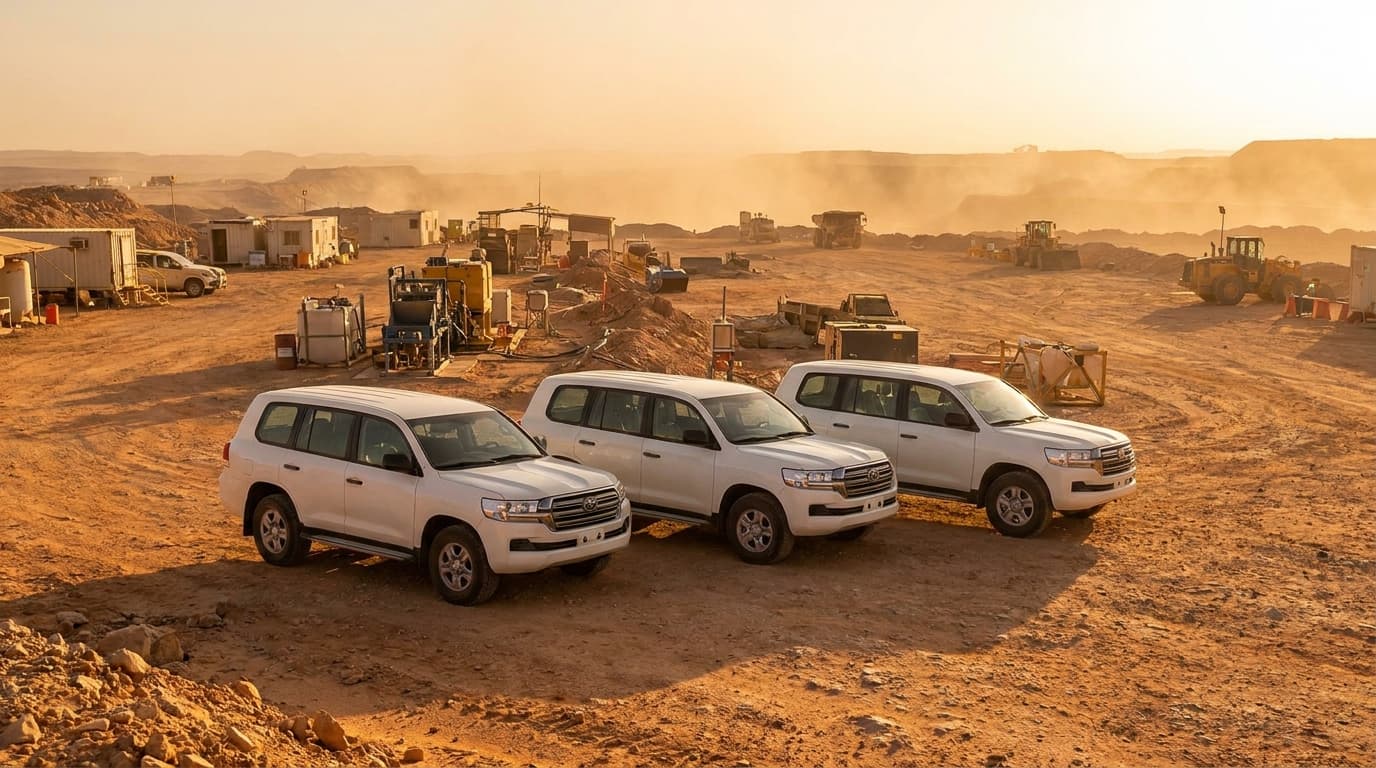
Our customer base breaks down roughly like this: 45% Latin America (Peru, Colombia, Chile, Ecuador leading), 30% Middle East (Saudi Arabia, UAE, Kuwait), 20% Southeast Asia (Thailand, Philippines, Indonesia), and 5% Sub-Saharan Africa (Kenya, Tanzania, South Africa). Most are distributors stocking for workshop networks. Some are larger workshop chains buying direct. A smaller segment is fleet operators (mining companies, construction firms, agricultural operations) who maintain their own 4x4 fleets and order in bulk twice a year.
The team is about 15 people: sourcing and supplier relations (3), quality control and warehouse (4), customer service and sales (5), logistics coordination (2), plus management. Everyone who talks to customers has been here at least three years — we've found that product knowledge matters more than sales scripts in B2B.
Our Product Lines: What We Stock and Why
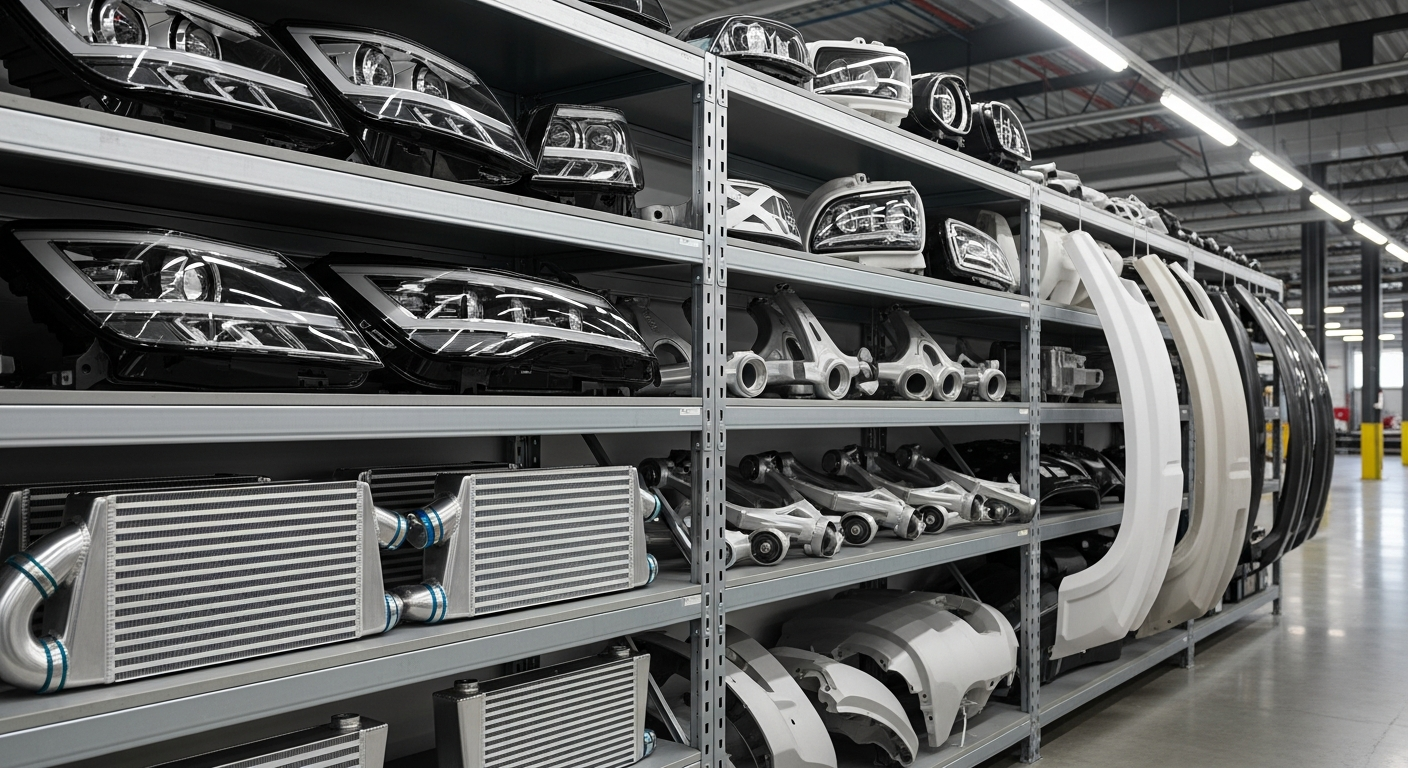
We organize inventory into four categories, each with different stocking strategies based on what moves consistently versus what gets ordered occasionally.
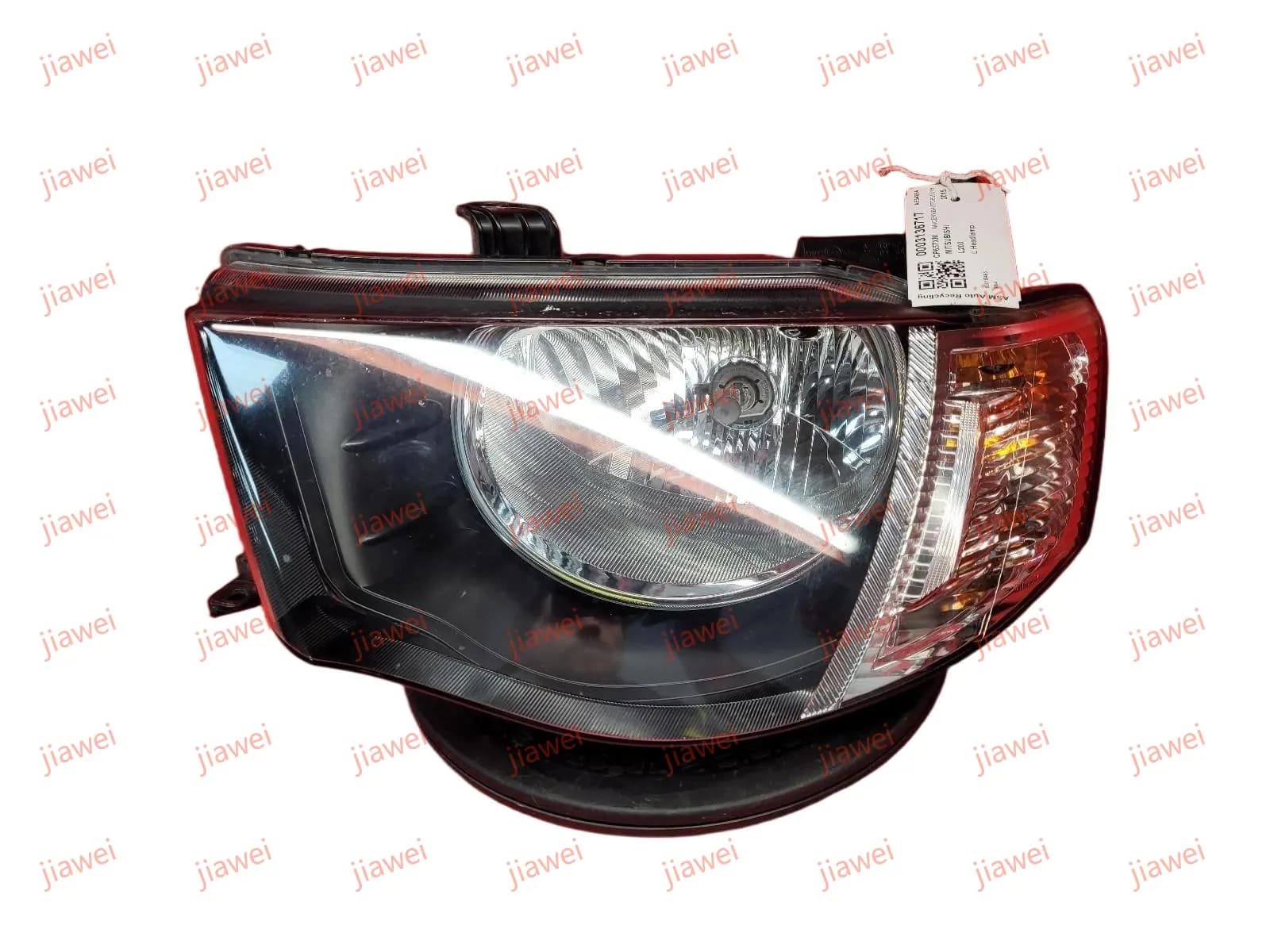
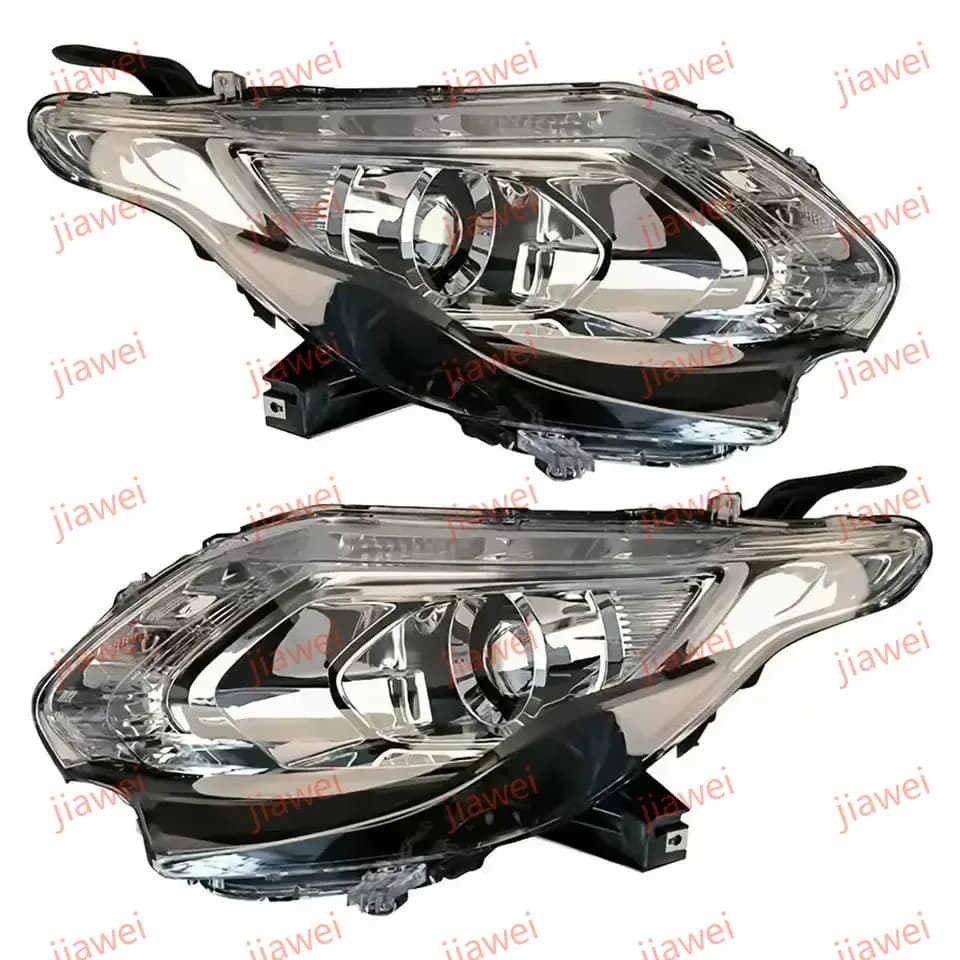
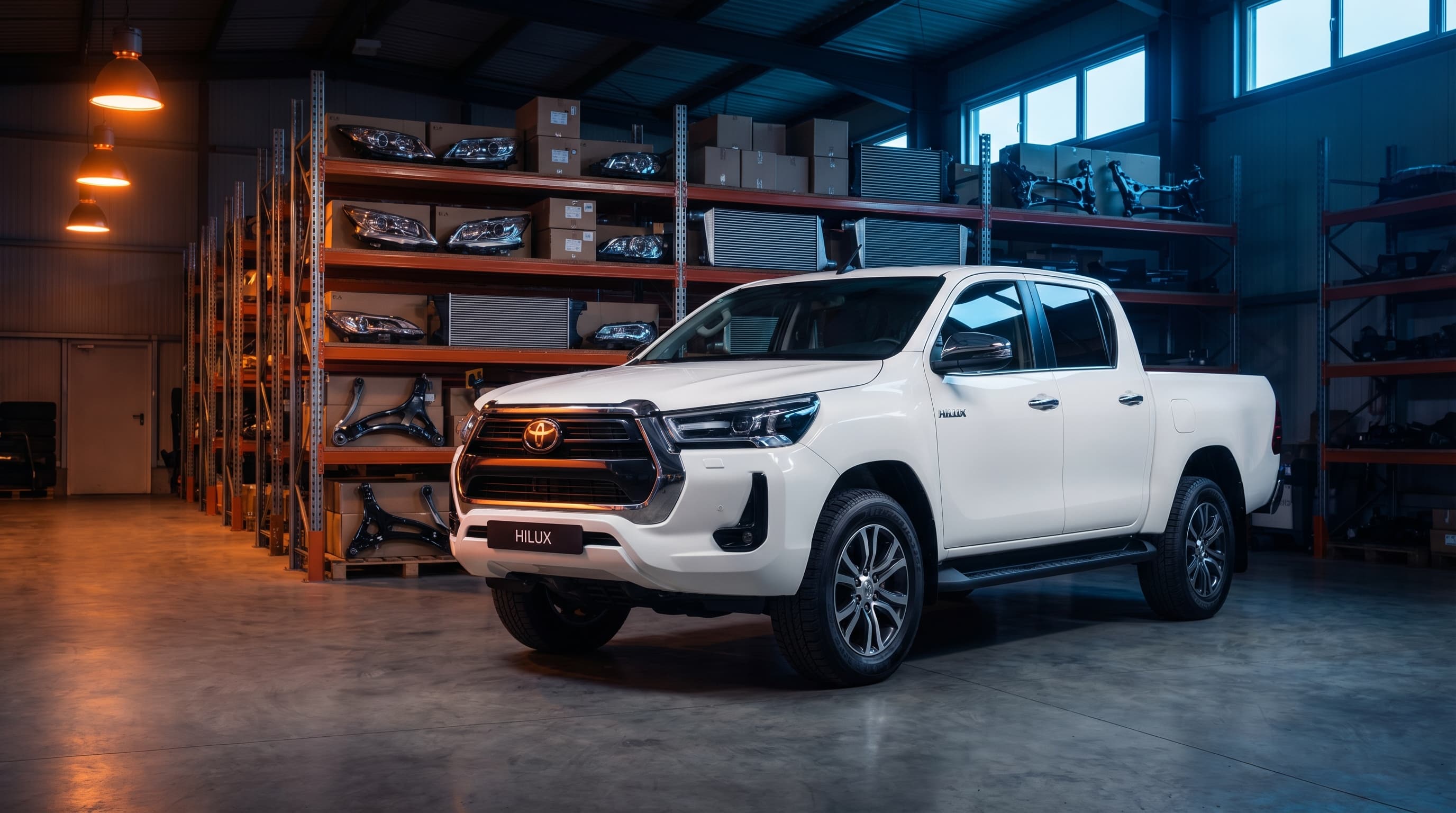
Lighting (headlights, tail lights, fog lights, DRL assemblies, LED bars): This is our highest-volume category. We keep the top 50 SKUs in stock — the headlight and tail light assemblies for current-generation Hilux (GUN125/126), L200 (KL), Prado (J150), and Fortuner. Older generations (KUN25/26 Hilux, KB-series L200) we source on demand unless we're seeing consistent reorder patterns from a region, in which case we'll stock a small buffer.
Body Parts (bumpers, fenders, grilles, mirrors, door handles, step bars): Bulky and expensive to warehouse, so we stock selectively. Front grilles and side mirrors for current models stay in inventory because they're compact and move steadily. Bumpers and fenders we source per order — the freight cost of keeping slow-moving bumpers in our warehouse doesn't make sense when we can pull them from our supplier network in 5-7 days.
Cooling (intercoolers, radiators, water pipes, hoses, expansion tanks): Intercoolers and radiators for Hilux and L200 diesel variants are stocked. These are the workhorses in markets where trucks run hard — mining routes in Peru, construction sites in Saudi Arabia, agricultural operations in Kenya. Water pipes and hoses we source on demand; they're low-cost items that buyers usually add to larger orders.
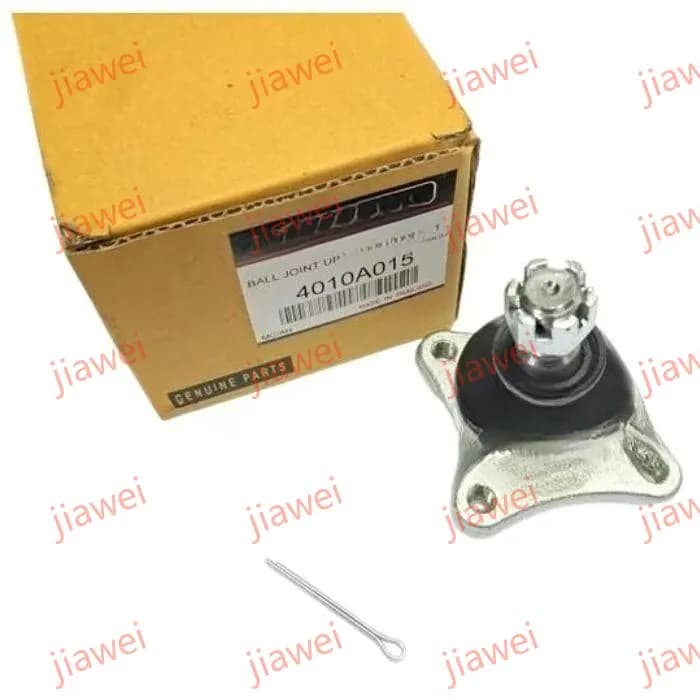
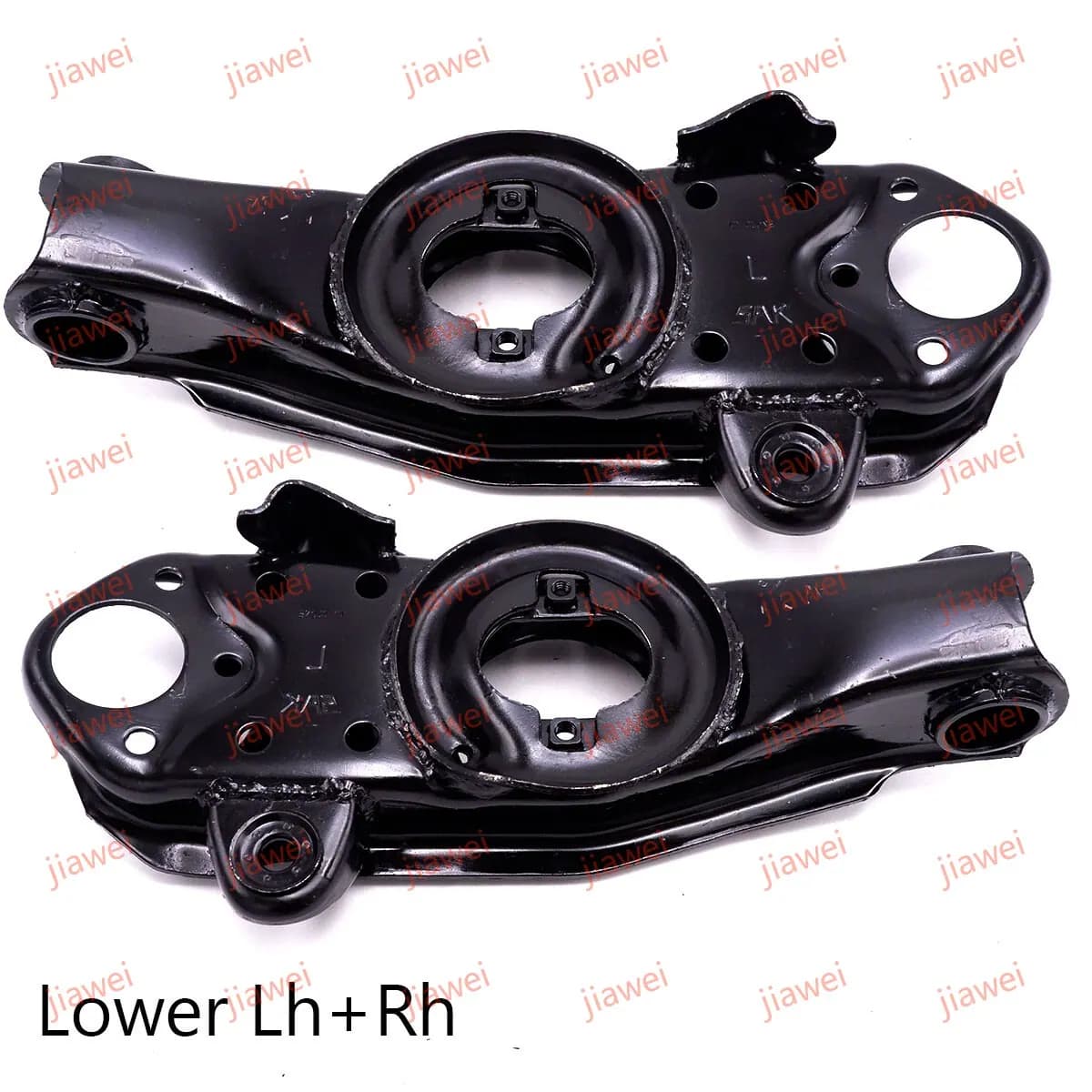
Suspension (control arms, bushings, stabilizer links, tie rod ends): We stock control arms and stabilizer links for high-demand chassis codes (KUN26, GUN125, KL-series L200). Bushings and smaller components get sourced per order. Suspension parts have tight fitment tolerances, so we're careful about which suppliers we work with here — a control arm that's 2mm off spec creates a warranty headache nobody wants.
Our sourcing philosophy: we focus on the OE-matched quality tier. That means aftermarket parts built to OEM specifications — same materials, same tolerances, same performance — but without the OEM badge and the OEM price. We're not the cheapest option. Buyers chasing bottom-tier pricing usually find us after their first container of budget-grade parts generates too many returns. We also handle OEM genuine parts when requested, though lead times are longer and minimums are higher.
The Order Journey: From Your Inquiry to Your Warehouse
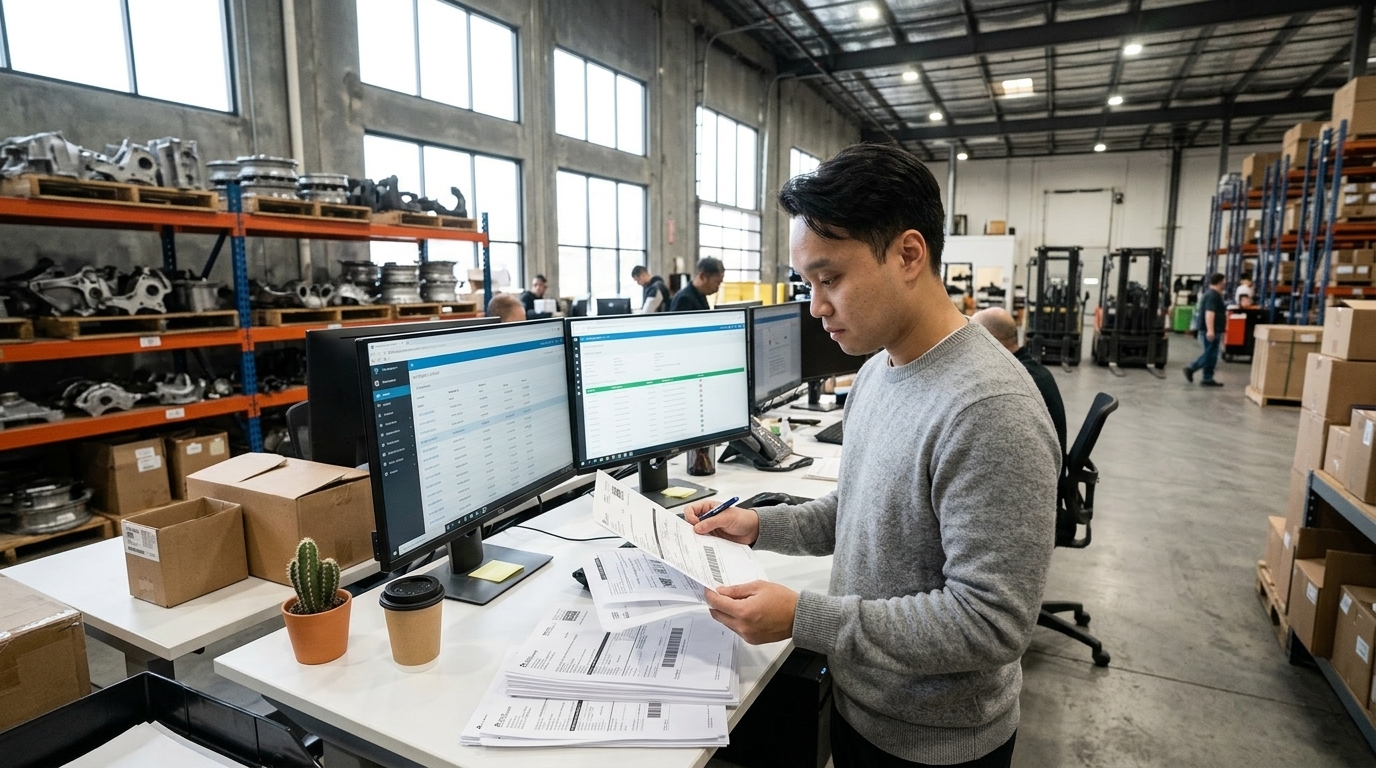
Here's what happens when you send us an inquiry, step by step. Timelines are typical — they shift during Chinese New Year or if you're ordering something we need to custom-source, but this is the standard path.
Step 1: Inquiry Response (24 hours)
You send us an OE number, a part description, or a photo. We send back a quote with: the aftermarket part number, OE cross-reference confirmation, FOB price (with volume breaks if applicable), current lead time, and MOQ. If the OE number you sent doesn't match what you think it does — happens more often than you'd expect, especially with parts that changed mid-generation — we flag it and provide the correct cross-reference.
Step 2: Sample Evaluation (7-10 days)
First-time buyers usually request a sample. We ship it via DHL or FedEx (you cover shipping, we cover the sample cost if you place an order afterward). What to check: fitment first, then build quality, then compare against the OE part if you have one on hand. We include a spec sheet with material grades and test data. If the sample doesn't meet your standards, tell us what's wrong — we'd rather know before you order 500 units.
Step 3: Order Confirmation (1-2 days)
You confirm the order. We send a proforma invoice with: itemized pricing, total FOB value, payment terms (typically 30% deposit, 70% before shipment), production or sourcing timeline, and estimated ready-date. For stock items, "ready" means 3-5 days. For made-to-order or specialty items, 15-25 days depending on the supplier's production schedule.
Step 4: Quality Control (during production + pre-shipment)
Every order goes through inspection before it leaves our warehouse. For lighting, we check beam pattern, lens clarity, and connector fit. For cooling parts, we pressure-test intercoolers and radiators (30 psi for intercoolers, per industry standard). For body parts, we verify mounting points against OE templates. For suspension, we check dimensions with calipers — a control arm that's off by 3mm gets rejected. We document everything with photos and test certificates, which we send to you before shipment.
Step 5: Packaging and Shipping (2-3 days)
Parts get packed in neutral cartons (or branded cartons if you're ordering enough volume to justify custom packaging). We palletize for container loading, optimize for cube utilization, and coordinate with your freight forwarder or ours. You receive: commercial invoice, packing list, bill of lading, test certificates, and any compliance documentation you requested (DOT, ECE, IATF certificates).
Step 6: Delivery Tracking and Follow-Up
We track the shipment until it clears customs at your end. If there's a customs hold or documentation issue, we work with the forwarder to resolve it. After delivery, we follow up to confirm everything arrived as expected. If there's a problem — damage in transit, wrong item, quality issue — we handle it immediately. Our approach: fix it first, figure out who pays later.
Quality Control: What We Check Before It Ships
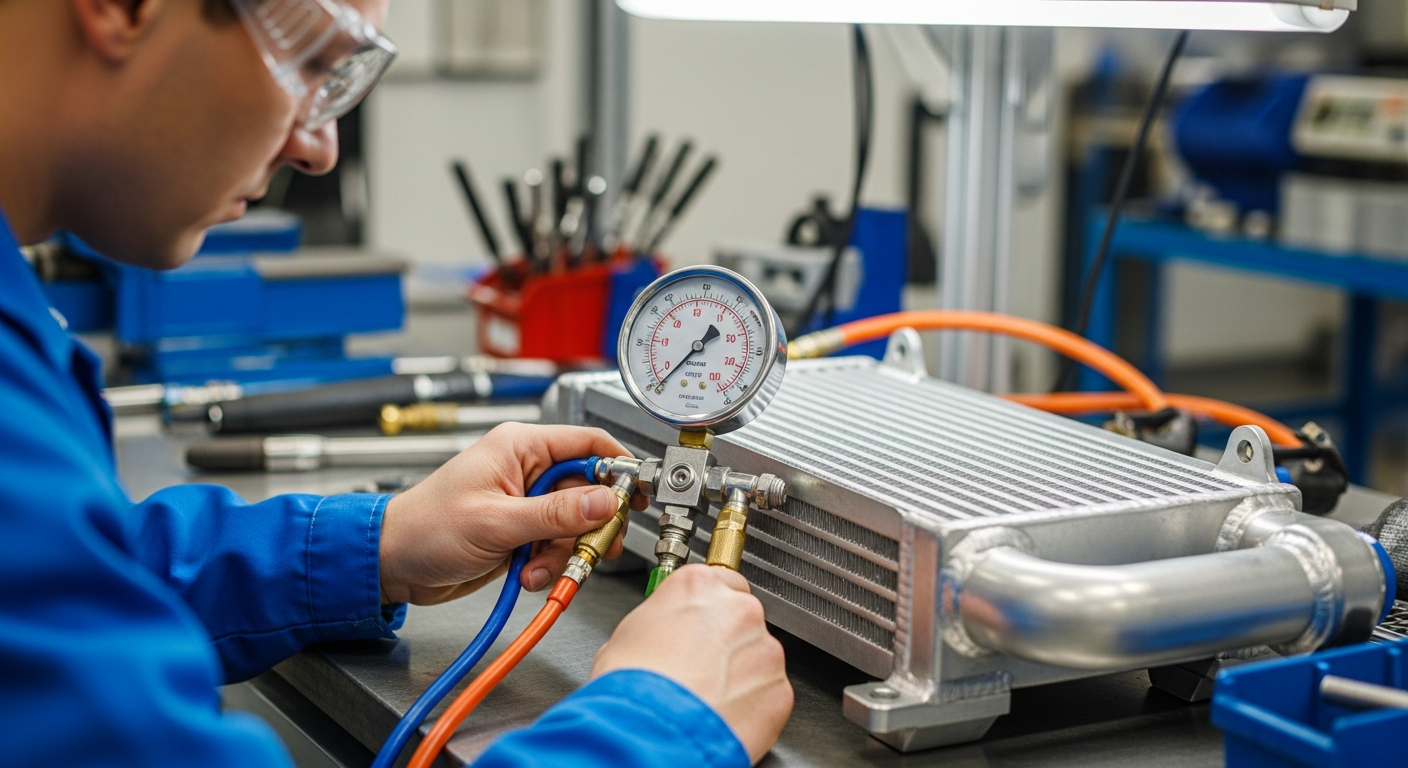
Quality control happens in two stages: incoming inspection when parts arrive from our suppliers, and pre-shipment inspection before anything goes to you. The goal is to catch problems while they're still our problem, not yours.
Incoming Inspection: When a batch arrives from a supplier, we pull a random sample (10% for new suppliers, 5% for established ones) and run it through a checklist. For lighting: beam pattern test, lens clarity, UV coating check, connector fit. For cooling: pressure test, fin density count, core material verification. For body parts: fitment check against OE templates, paint finish inspection, mounting hole alignment. For suspension: dimensional check with calipers, bushing durometer test, thread pitch verification.
Reject rate varies by supplier and product category. Our best suppliers run under 2% rejects. New suppliers or complex parts (like headlight assemblies with DRL and projector lenses) can hit 8-10% on first batches. When we reject a batch, it goes back to the supplier for rework or replacement — we don't ship defective parts and hope you won't notice.
Product-Specific Testing: Intercoolers and radiators get pressure-tested at 30 psi (2.1 bar) for intercoolers, 20 psi for radiators. We hold pressure for 3 minutes and watch for leaks. Headlights go on a beam-pattern rig — we're checking that low beam cutoff is sharp and high beam spread matches OE performance. Suspension components get measured: control arm length, bushing outer diameter, ball joint taper angle. A part that's within tolerance but at the edge of the range gets flagged for secondary inspection.
Documentation: Every order gets a QC report with photos and test results. If you need formal certifications (ISO 9001 manufacturing certificates, material test reports, DOT/ECE compliance marks), we request them from the supplier and include them in your shipment documentation. Some buyers need this for customs clearance or their own quality audits; others don't ask for it. We provide it either way for any order over $5,000 FOB.
What Happens to Rejected Units: They go back to the supplier. We don't have a "B-grade" outlet or a budget tier where we sell the rejects at a discount. A rejected part is a rejected part. This costs us money in the short term — returning a batch and waiting for replacements adds time and freight cost — but it costs less than dealing with warranty claims and losing customer trust.
Our Supply Chain: How We Source
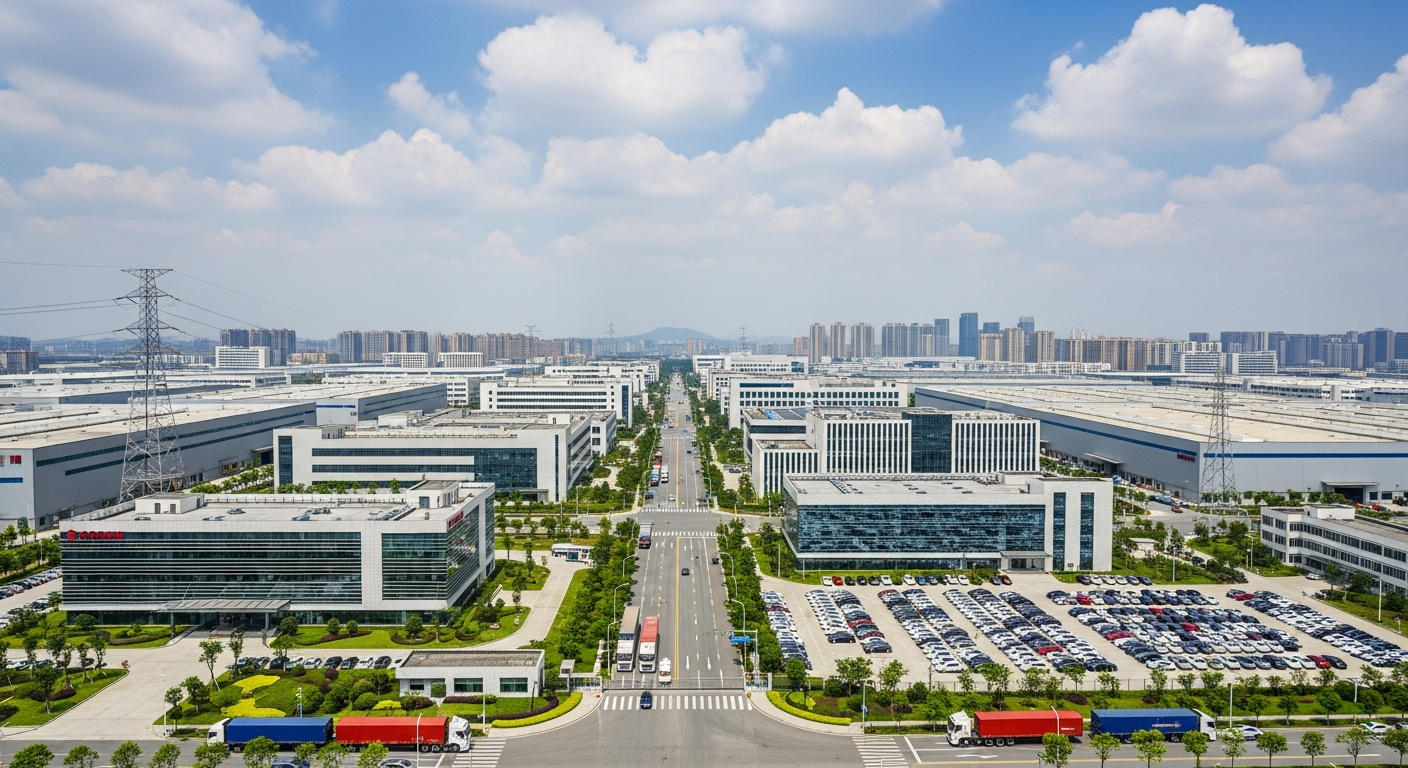
Guangzhou sits in the middle of China's automotive manufacturing belt. Within a 200km radius, there are OE suppliers making parts for Toyota's Guangzhou plant, aftermarket specialists who've been in the business for 20+ years, and newer manufacturers trying to break into export markets. Our job is knowing which factory makes what well, and which ones to avoid.
We work with about 25 suppliers across our four product categories. Some are tier-1 OE suppliers who also produce aftermarket lines — these factories supply parts to Toyota or Mitsubishi assembly plants and run a parallel aftermarket production line with the same tooling and materials. Others are specialized aftermarket manufacturers who focus exclusively on replacement parts and have built their reputation on quality and consistency.
Why Guangzhou: Proximity matters. When a supplier has a quality issue, we can be at their factory in 90 minutes. When we need to verify a new product before committing to inventory, we drive over and inspect it ourselves. When a customer needs a rush order, we can pull parts from a supplier's warehouse same-day instead of waiting for inter-city freight. The port of Guangzhou and Shenzhen are both within 2 hours, which keeps export logistics simple.
Quality Tiers We Work With: OEM genuine (sourced through authorized channels when customers specifically request it — longer lead times, higher MOQs, premium pricing). OE-matched aftermarket (our primary focus — parts built to OEM specs by tier-1 suppliers or specialized aftermarket manufacturers). Budget tier (we'll source it if a customer explicitly requests it and understands the tradeoffs, but we don't stock it or recommend it). Bottom-tier (we don't touch it — the warranty exposure isn't worth the margin).
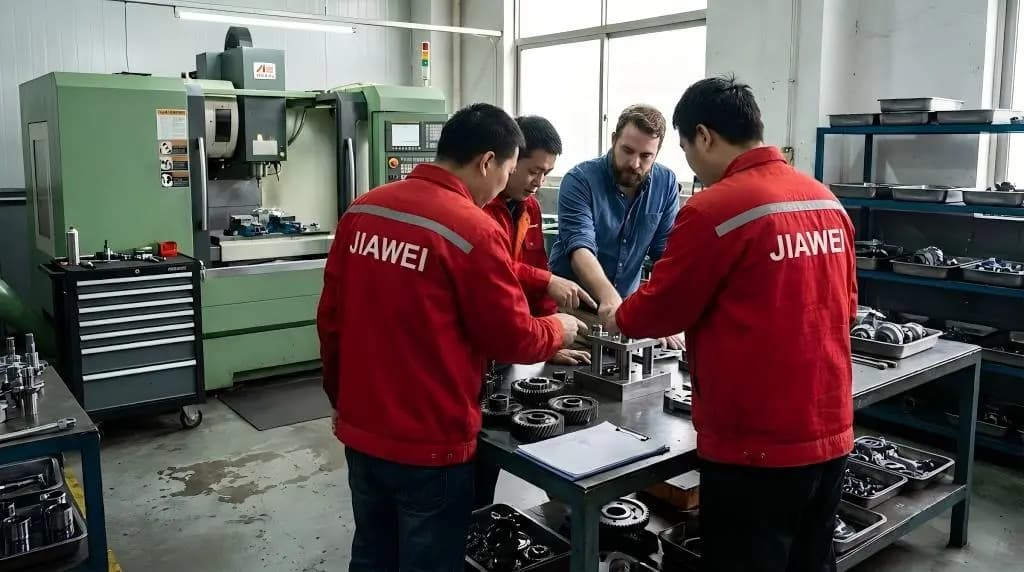
Supplier Vetting Process: Before we add a new supplier, we visit the factory, review their quality system (ISO 9001 or IATF 16949 certification is baseline), inspect their production line, and test samples against OE parts. We check: material certifications (is that really 6061-T6 aluminum or a cheaper alloy?), dimensional accuracy (calipers and templates), finish quality (paint adhesion, chrome plating thickness), and packaging standards (will it survive ocean freight?). If they pass, we start with a small trial order. If that goes well, we increase volume gradually. We've walked away from suppliers who had good pricing but couldn't maintain consistency batch-to-batch.
Market Experience: What 12 Years Taught Us
Every region has different demand patterns, different quality expectations, and different pain points. Here's what we've learned about where our parts go and why.
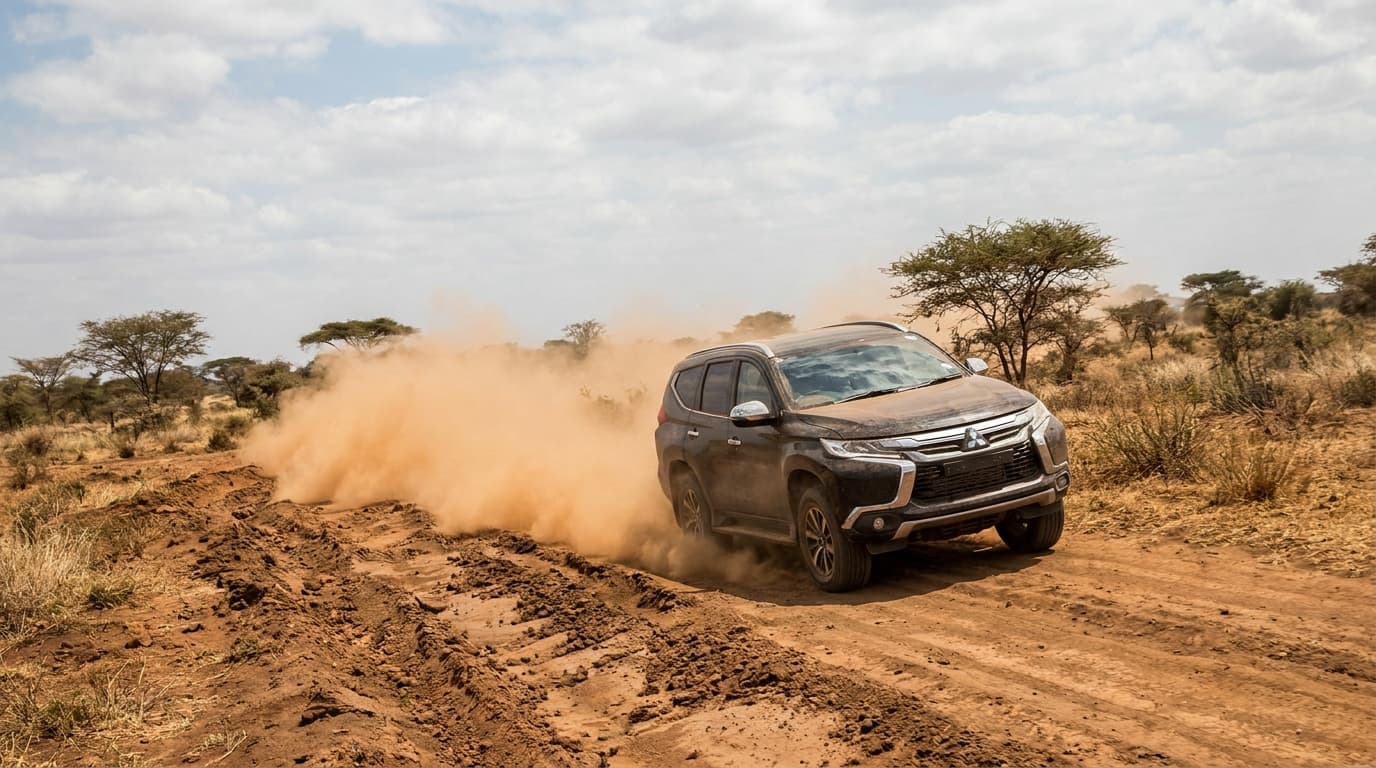
Latin America (45% of our volume): Peru, Colombia, Chile, and Ecuador drive most of the demand. Hilux and L200 dominate — these are work trucks, not lifestyle vehicles. Mining fleets, agricultural operations, and construction companies run them hard. Cooling parts (intercoolers, radiators) move consistently because dust and altitude stress these systems. Lighting is steady because trucks operate in remote areas where visibility matters. Buyers here care about durability and warranty support more than rock-bottom pricing. They've been burned by cheap suppliers before.
Middle East (30% of our volume): Saudi Arabia, UAE, and Kuwait are the core markets. Land Cruiser and Prado parts outsell Hilux here — these vehicles are both work trucks and family transportation. Body parts (grilles, bumpers, fenders) move faster than other regions because buyers care about appearance. Lighting upgrades (LED conversions, DRL retrofits) are popular. Heat is the enemy: cooling systems and AC components are high-turnover. Buyers expect fast delivery and responsive communication — a 48-hour quote delay can cost you the order.
Southeast Asia (20% of our volume): Thailand, Philippines, and Indonesia. Hilux and Fortuner are everywhere. This region has a strong local aftermarket manufacturing base, so we're competing with domestic suppliers on price. Our edge is product range and export experience — a distributor in Manila can order Hilux KUN26 parts and Fortuner AN160 parts in one shipment instead of dealing with multiple local suppliers. Suspension parts move well because road conditions are rough. Buyers here are price-sensitive but quality-aware.
Sub-Saharan Africa (5% of our volume): Kenya, Tanzania, and South Africa. Hilux and Land Cruiser dominate. These trucks run forever — we're shipping parts for 15-year-old vehicles that are still in daily service. Durability trumps everything else. Buyers need parts that can handle bad roads, inconsistent maintenance, and harsh conditions. Lead times are longer because freight routing through Mombasa or Dar es Salaam adds time. Payment terms are more conservative (higher deposits, LC preferred) due to currency volatility.
Common Sourcing Mistakes Buyers Make: Ordering based on photos alone (fitment issues show up after the container arrives). Not requesting samples before bulk orders (expensive lesson). Mixing quality tiers in one order (the budget-grade parts generate returns that eat the margin on everything else). Underestimating lead times during Chinese New Year (add 3-4 weeks to normal timelines). Not specifying left-hand vs right-hand drive for lighting and mirrors (we always confirm, but some suppliers assume).
Seasonal Patterns: Cooling parts spike before summer in the Middle East (April-May) and before rainy season in Latin America (October-November, when trucks work harder in mud). Lighting orders increase in Q4 globally as distributors stock up for year-end. Suspension parts are steady year-round. Chinese New Year (late January to mid-February) shuts down production for 2-3 weeks — smart buyers order ahead.
Why Buyers Work With Us (In Their Words)
We don't publish testimonials with names and company logos — most B2B buyers prefer to keep their supplier relationships private. But here are the themes that come up repeatedly in feedback, and what they actually mean in practice.
"Consistent quality" — This means the second container matches the first container. Specs don't drift. A part that passed inspection in March still passes in September. We achieve this by sticking with proven suppliers and running the same QC checklist every time, not by chasing the lowest quote each order.
"Responsive communication" — We reply to inquiries within 24 hours on weekdays, usually faster. If you send a technical question that requires checking with a supplier, we tell you we're checking and give you a timeline. If there's a production delay, you hear about it from us before you have to ask. Our customer service team works across time zones — someone is available during business hours in Lima, Riyadh, and Manila.
"Reliable delivery" — We hit our quoted lead times about 90% of the time. The other 10% is usually Chinese New Year delays, supplier production issues, or freight disruptions we can't control — but you know about it in advance, not when the shipment is already late. We build buffer time into our quotes rather than promising aggressive timelines we can't meet.
"Fair pricing" — We're not the cheapest and we don't claim to be. Our pricing sits in the middle of the market: more expensive than bottom-tier suppliers, less expensive than OEM genuine, competitive with other OE-matched aftermarket suppliers. The value is in consistency — you're not getting a great price on one order and then finding out the quality dropped on the reorder.
Frequently Asked Questions
What are your MOQ requirements?
Minimum order quantity varies by product category. For stock items (common Hilux/L200 lighting, popular intercoolers and radiators), MOQ is typically 20-50 pieces per SKU. For made-to-order items (body parts, specialty suspension components), MOQ is 50-100 pieces. For mixed orders across multiple SKUs, we're flexible — a $3,000 FOB order with 10 different parts usually works. If you're testing the market with a new product line, we can discuss lower MOQs for initial orders.
What payment terms do you accept?
Standard terms are 30% deposit by T/T (wire transfer), 70% balance before shipment. For established customers with consistent order history, we offer 50/50 terms or net-30 after shipment. We accept L/C (Letter of Credit) for orders over $20,000 FOB — there's a bank fee, but some buyers prefer the security. We don't accept PayPal or credit cards for wholesale orders due to transaction fees and chargeback risk.
Do you provide samples? What's the cost?
Yes. Sample cost depends on the part — a door handle sample might be $15, an intercooler $80, a headlight assembly $120. You pay for the sample and shipping (typically $40-60 via DHL/FedEx). If you place an order after sample approval, we credit the sample cost back or include extra units in your order. Sample lead time is 5-7 days to ship.
What are typical lead times?
Stock items: 3-5 days to prepare and ship. Made-to-order items: 15-25 days depending on supplier production schedule. Specialty or custom items: 30-40 days. Add 3-4 weeks to any timeline if you're ordering during Chinese New Year (late January through mid-February). Ocean freight adds 20-35 days depending on destination — 20-25 days to Latin America west coast, 25-30 days to Middle East, 30-35 days to East Africa.
What warranty do you offer?
Standard warranty is 12 months from delivery date for defects in materials or workmanship. This covers manufacturing defects, not damage from installation errors, accidents, or normal wear. If there's a warranty claim, we need photos and a description of the failure. Legitimate claims get handled with replacement parts on the next shipment or credit toward future orders. Our warranty claim rate runs under 2% across all product categories.
What certifications and compliance documentation can you provide?
We provide ISO 9001 manufacturing certificates, material test reports (for aluminum, steel, plastic components), and compliance marks (DOT, ECE, SAE) where applicable. For lighting products, we can provide photometric test reports showing beam pattern compliance. For cooling products, pressure test certificates. All documentation is included with orders over $5,000 FOB; for smaller orders, request it when you place the order and we'll include it.
Can you handle custom packaging or branding?
Yes, for orders that justify the setup cost. Custom carton printing typically requires 500-1,000 unit minimum per SKU (setup fee $200-400 depending on carton size and print complexity). Custom labels or stickers have lower minimums — 100-200 units per SKU, $50-100 setup. Neutral packaging (plain white/brown cartons) is standard and included at no extra cost.
Do you work with freight forwarders, or do I need to arrange shipping?
We can work either way. If you have a freight forwarder you prefer, we coordinate with them for pickup from our warehouse (FOB Guangzhou). If you want us to handle it, we work with several forwarders and can quote door-to-door pricing or CIF to your port. Most buyers use their own forwarder because they have negotiated rates and established customs clearance processes.
Ready to Start a Conversation?
Send us your OE numbers and target market — we'll send back a quote with cross-references, current pricing, and lead times within 24 hours. If you're comparing suppliers or evaluating quality tiers, tell us what you're trying to solve and we'll give you an honest assessment of whether we're a good fit.
Request a quote or email us your requirements. We're here to answer questions, not just take orders.