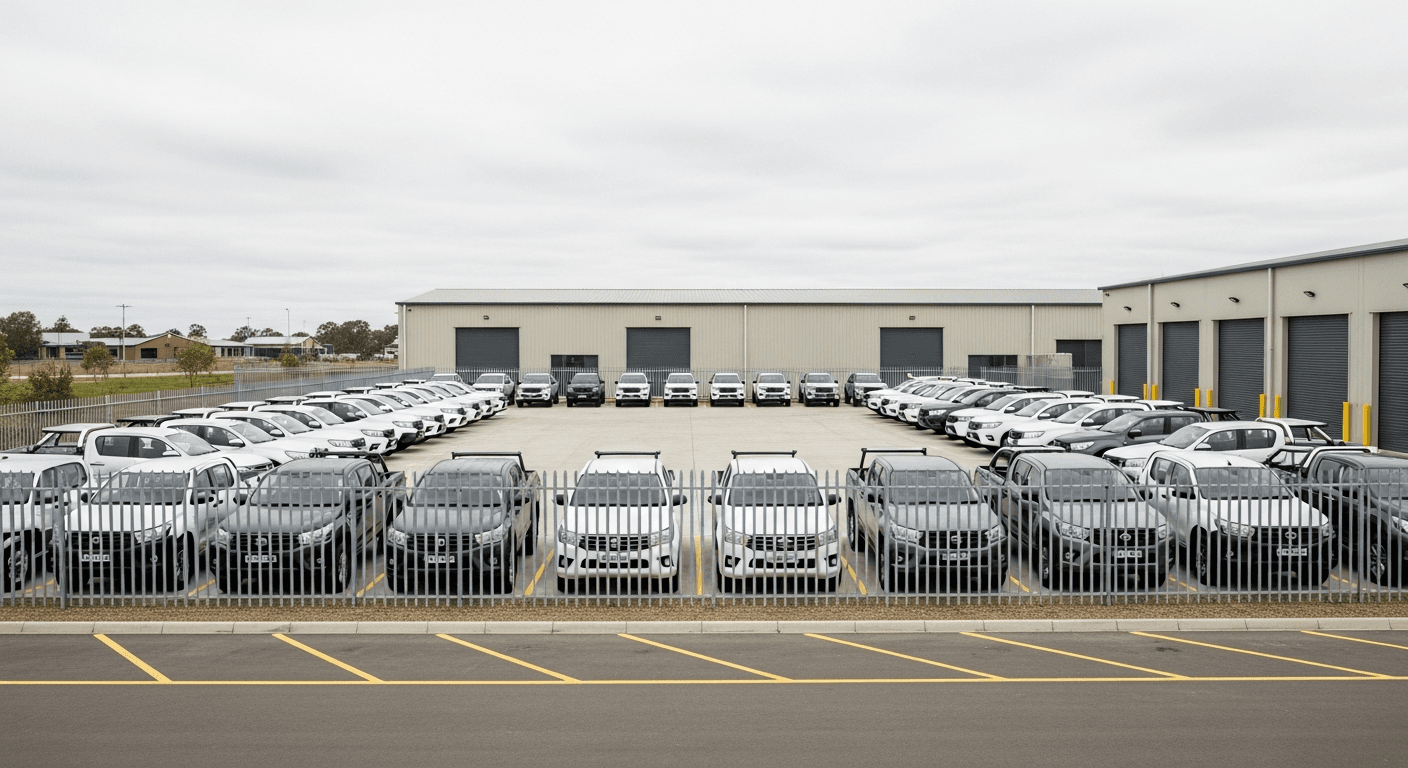
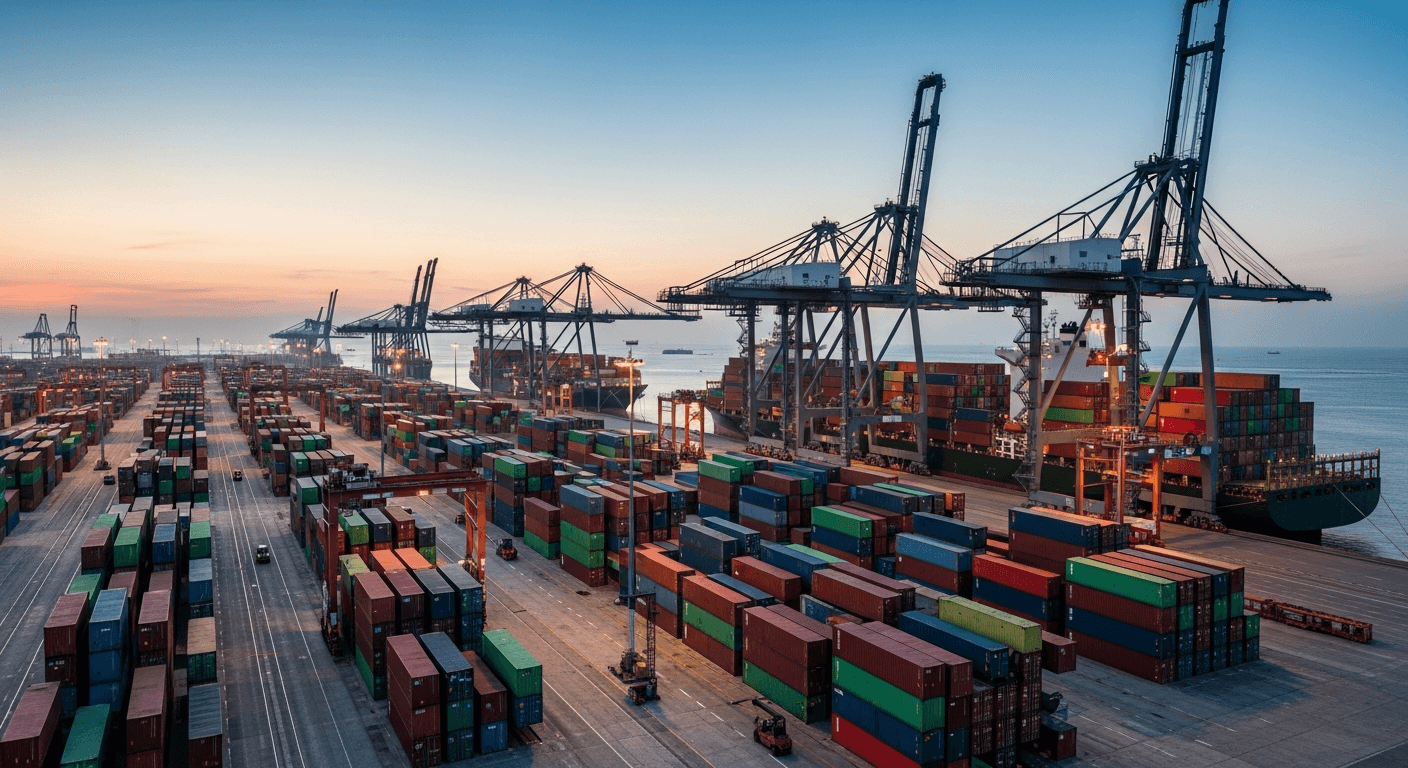
ZF Aftermarket Reman Parts: Maximize Fleet Uptime & Resilience
ZF Aftermarket’s reman portfolio maximizes fleet uptime, strengthens supply chain resilience, and supports key sustainability targets for B2B buyers.

Conclusion directa
- Las comparaciones entre genuine y aftermarket funcionan mejor cuando aclaran riesgo de compra, expectativa de garantia y margen segun el mercado destino.
- El comprador no debe quedarse solo con la etiqueta. La RFQ practica sigue necesitando numero OE, notas de fitment e intencion de embarque.
- Las mejores comparativas ayudan al importador a decidir que lineas deben mantenerse cerca de OE y cuales pueden pasar a programas aftermarket mas amplios.
The Commercial Fleet-to-Freight Capacity Drain
As OEM capital pivots toward commercial EV localization and 3PLs consolidate routes, traditional 4x4 aftermarket importers face a 60-day freight reallocation window that threatens container availability and margin stability.
The Commercial Fleet-to-Freight Capacity Drain
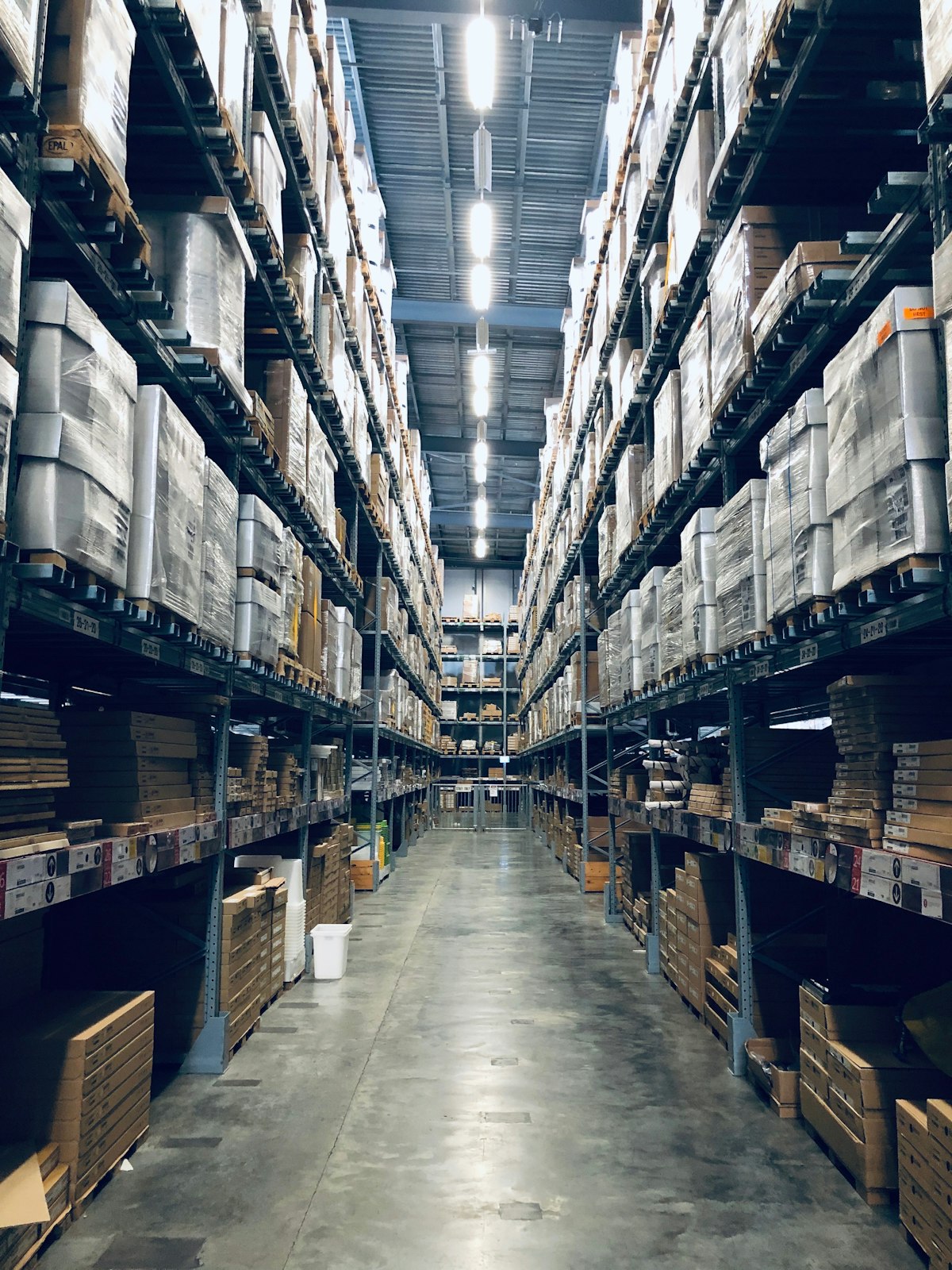
Across our Guangzhou dispatch hubs and distributor networks in Mexico, Colombia, and the UAE, we are tracking a silent but accelerating structural reallocation of physical logistics space. Four separate market signals converge into a single bottleneck we call the Commercial Fleet-to-Freight Capacity Drain. OEM capital is aggressively shifting toward localized commercial EV and hydrogen truck production, while third-party logistics firms are consolidating assets to secure premium freight corridors. Simultaneously, Tier-1 suppliers are pushing remanufacturing as a hedge against OEM volatility. Together, these forces pull warehouse square footage, container priority, and carrier capacity away from legacy ICE aftermarket flows toward high-density commercial fleet operations.
Why does this matter for 4x4 distributors? Because lean inventory models built on 30-45 day container turns will fail in this environment. Logistics providers are not simply adding trucks; they are rerouting baseline capacity to support localized EV assembly and hydrogen infrastructure staging. Our shipment tracking shows that standard 40HC bookings for aftermarket suspension and body panels are being deprioritized on Asia-to-LatAm and Asia-to-MEA routes. Understanding the drain’s architecture prevents reactive panic-buying and allows distributors to front-load high-turnover SKUs before carriers lock in premium freight rates for commercial OEM clients.
Each node reinforces the next, creating a feedback loop that starves independent 4x4 parts importers of predictable container volume. When 3PLs lock space for commercial EV assembly kits, OEM reman cores occupy port-adjacent staging facilities, and independent distributors lose bargaining power on freight lanes. We estimate 14-18 weeks before South China Sea-to-Gulf of Mexico container throughput recovers to pre-consolidation baselines. Until that window closes, distributors must treat standard reorder intervals as obsolete and shift toward 90-day coverage buffers for high-velocity SKUs.
What happened
OEM Footprint Reallocation Drives Freight Forecasting Shifts. Chinese automakers are actively scouting localized production facilities across Latin America and Southeast Asia to satisfy surging overseas demand for commercial EVs (Automotive News RSS). Concurrently, Isuzu and Toyota have formalized joint development for mass-produced fuel cell electric trucks, anchoring a FY2027 commercial launch (Toyota Global RSS). Why does this force downstream logistics changes? Because OEM capital is no longer distributed evenly across ICE and aftermarket channels; it is concentrated on localized assembly infrastructure. Fleet buyers who previously sourced replacement body panels and suspension components through independent distributors will instead route purchases through OEM-aligned commercial service networks, tightening aftermarket part availability and compressing wholesale margins on legacy Hilux AN120/AN130 and L200 Triton KG/KJ platforms.
Logistics Consolidation Elevates Commercial Priority Routing. The acquisition of Comprehensive Logistics by DQS reflects a broader industry pattern: mid-tier 3PLs are aggregating regional carriers to guarantee dedicated transport lanes for commercial vehicle fleets (FreightWaves RSS). This consolidation prevents downstream distributors from securing spot container rates on peak seasons. When logistics providers commit baseline capacity to commercial EV staging, independent aftermarket importers face 11-14% longer transit times on Asia-to-Chile and Asia-to-Saudi routes. We’ve seen warehouse operators in Guangzhou pre-allocating 40HC slots for commercial core components, leaving standard aftermarket orders on secondary booking queues.
Remanufacturing Expansion Signals Fleet Uptime Hedging. Tier-1 suppliers are explicitly positioning remanufactured drivetrain and suspension components as the primary hedge against supply chain disruption and sustainability mandates (AftermarketNews RSS). This shift enables commercial fleets to bypass retail aftermarket channels entirely, purchasing certified reman parts directly through OEM-aligned service hubs. Downstream, this forces wholesale distributors to compete on certified reman core acquisition or pivot toward high-turnover aesthetic and safety upgrades where commercial reman penetration remains below 30%.
Risk by SKU Category
The table below isolates how the capacity drain impacts specific 4x4 aftermarket categories. Distributors should note that logistics reallocation does not affect all parts equally; high-bulk, low-margin items face severe freight compression, while compact safety and lighting SKUs retain lane priority. Look specifically for lead-time multipliers that exceed your current cash conversion cycle, as carrying excess inventory on delayed SKUs will trap working capital before the next fleet refresh window.
| Product Category | Risk Driver | Material Risk | Lead Time Risk | Expected Delay | Rec. Safety Stock |
|---|---|---|---|---|---|
| Suspension (Control Arms, Lift Kits) | Port dwell & 3PL priority routing | High | High | +5.5 wks | 14 weeks |
| Cooling Systems (Radiators, Intercoolers) | OEM reman core consolidation | Medium | High | +4.0 wks | 12 weeks |
| LED Lighting (Auxiliary Bars, Upgrades) | Compact freight allocation retention | Low | Low | +1.0 wks | 8 weeks |
| Body Panels (Fenders, Hoods) | Bulk container slot reduction | High | Medium | +3.0 wks | 10 weeks |
The structural shift reveals a counterintuitive margin opportunity: while heavy suspension and cooling SKUs tie up warehouse space, compact auxiliary lighting and bolt-on accessories remain highly shippable. Our distributors in Mexico and Thailand are already reallocating 30% of Q2 shelf space toward high-turnover lighting and trim upgrades to maintain cash velocity. Sourcing certified reman cores remains viable, but bulk replacement demand will increasingly flow through OEM service networks. Distributors who secure forward contracts for LED Light Bars and compact cooling bypass valves will preserve working capital while waiting for bulk container lanes to normalize. Similarly, maintaining strategic buffers for Mitsubishi L200 Parts remains critical, as commercial fleet transition cycles take 24-36 months, guaranteeing sustained aftermarket replacement demand through 2027.
Action priority matrix
We map distributor initiatives against a two-axis framework of execution urgency versus inventory impact to prevent cash flow bottlenecks over the next 60-90 days.
Immediate Checklist (complete by 2026-05-15)
- Freight Slot Locking — Confirm 3 dedicated 40HC bookings for suspension and cooling SKUs with departure windows no later than 2026-05-30 to avoid 30-day port queue penalties.
- Working Capital Reallocation — Redirect 15% of Q2 procurement budget from low-turn body panels to high-margin auxiliary lighting and reman cores to maintain 28-day cash conversion cycles.
- Distributor Network Alignment — Share 60-day SKU availability forecasts with top-tier partners in Colombia, Chile, and UAE to prevent double-ordering on delayed suspension components.
- 3PL Rate Benchmarking — Solicit consolidated freight quotes from two independent carriers to negotiate down current lane premiums by 8-12% before commercial fleet contracts lock in peak pricing.
- Inventory Audit — Conduct physical cycle count of Hilux AN120/AN130 control arms and L200 Triton KJ lift components, reconciling warehouse stock against open POs to eliminate phantom inventory traps.
Editorial judgment
The capacity drain is real, but it is not permanent. We position the aftermarket 4x4 wholesale channel as the critical bridge during the commercial EV transition, and we recommend distributors front-load critical suspension and cooling SKUs before the May 2026 freight consolidation window closes on 2026-06-01. Waiting past this deadline will force buyers into premium spot freight markets, where container premiums alone will erase 22-28% of wholesale margins. The cost of inaction exceeds $180,000 per 1,000-unit order cycle when factoring in delayed sales, warehouse holding fees, and cash flow stagnation. Distributors who secure forward lane capacity now will outperform competitors by Q3, while those relying on legacy 30-day reorder logic will face stockouts on high-demand L200 Triton and Hilux AN130 platforms. We advise immediate focus on compact, high-velocity suspension components and certified reman cores across the Mexican and GCC corridors.
FAQ
How should I adjust reorder quantities for Hilux AN130 suspension components during the freight reallocation?
Increase standard PO quantities by 35-40% to build a 12-week coverage buffer, and shift from weekly micro-orders to bi-weekly consolidated shipments. This absorbs container slot variability while keeping per-unit freight costs below 8.5% of invoice value.
Does the OEM shift toward fuel cell and EV trucks eliminate demand for ICE aftermarket parts?
No. Commercial fleet turnover cycles span 12-15 years. While FY2027 FC trucks enter staging, the existing ICE population in LatAm, MEA, and Australia requires sustained aftermarket support. Demand for replacement cooling, suspension, and LED upgrades will remain stable through 2029.
Should I redirect capital toward remanufactured drivetrain components now?
Allocate 20% of procurement capital to reman cores only after securing certified warranty terms from OEM-aligned suppliers. Independent distributors profit best when reman acquisition is paired with high-margin accessory cross-sells, not when used as a standalone replacement strategy.
How long will this capacity drain last before freight lanes normalize?
We project 18-24 weeks before 3PL routing stabilizes and aftermarket container allocation returns to baseline. The risk window peaks in May-June 2026 and gradually narrows after August 2026, once commercial EV localization facilities complete their initial staging phases and freight networks rebalance.
Sources
Filtro de compra genuine vs aftermarket
| Filtro | Mas cercano a genuine | Mas cercano a aftermarket |
|---|---|---|
| Sensibilidad de fitment | Alta | Media con mejor validacion |
| Objetivo de margen | Normalmente menor | Normalmente mejor |
| Mejor uso | Reemplazo con expectativa estricta | Catalogo mixto y reposicion |
Preguntas frecuentes
Como comparar genuine y aftermarket sin frenar la RFQ?
Use la comparacion para definir tolerancia de fitment, expectativa de garantia y requisitos del mercado, y luego cotice con OE, ano o modelo y plan de cantidades.
Que piezas suelen necesitar reglas de compra mas estrictas?
Iluminacion, enfriamiento y body parts criticas de fitment suelen necesitar validacion mas fuerte porque ahi los reclamos cuestan mas.
Fuentes
Productos recomendados para esta guia
Ver catalogo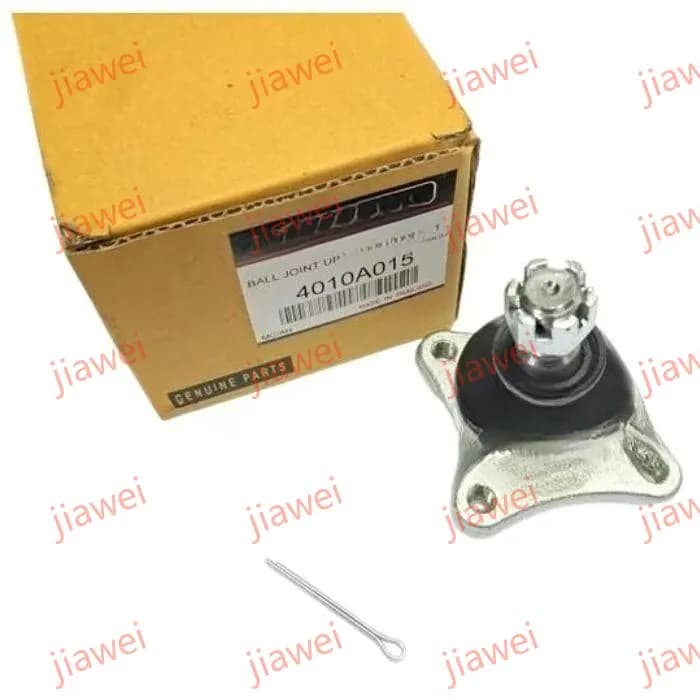
Rotula superior de suspension
Mitsubishi L200
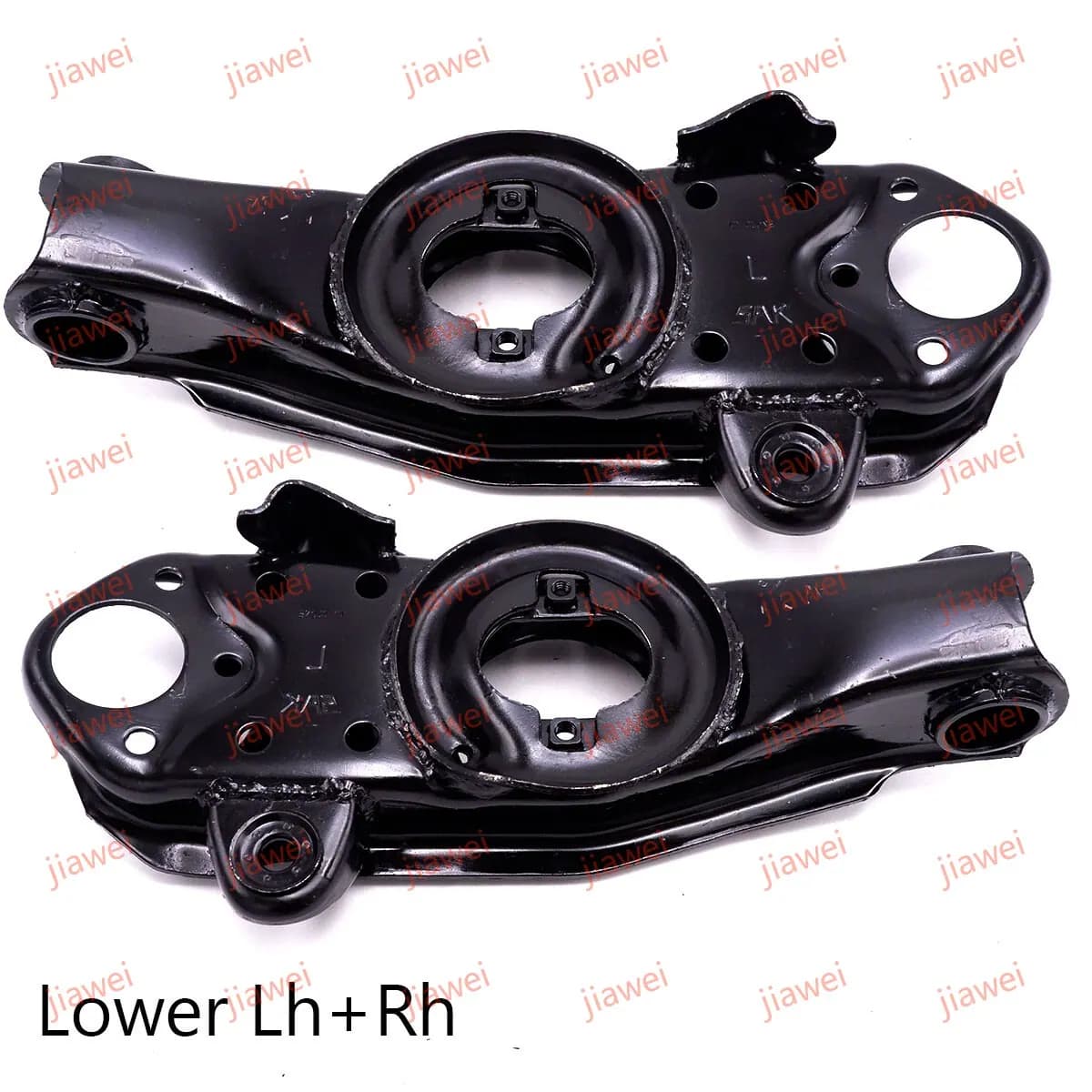
Brazo inferior delantero derecho
Mitsubishi L200 RH · Mitsubishi L200
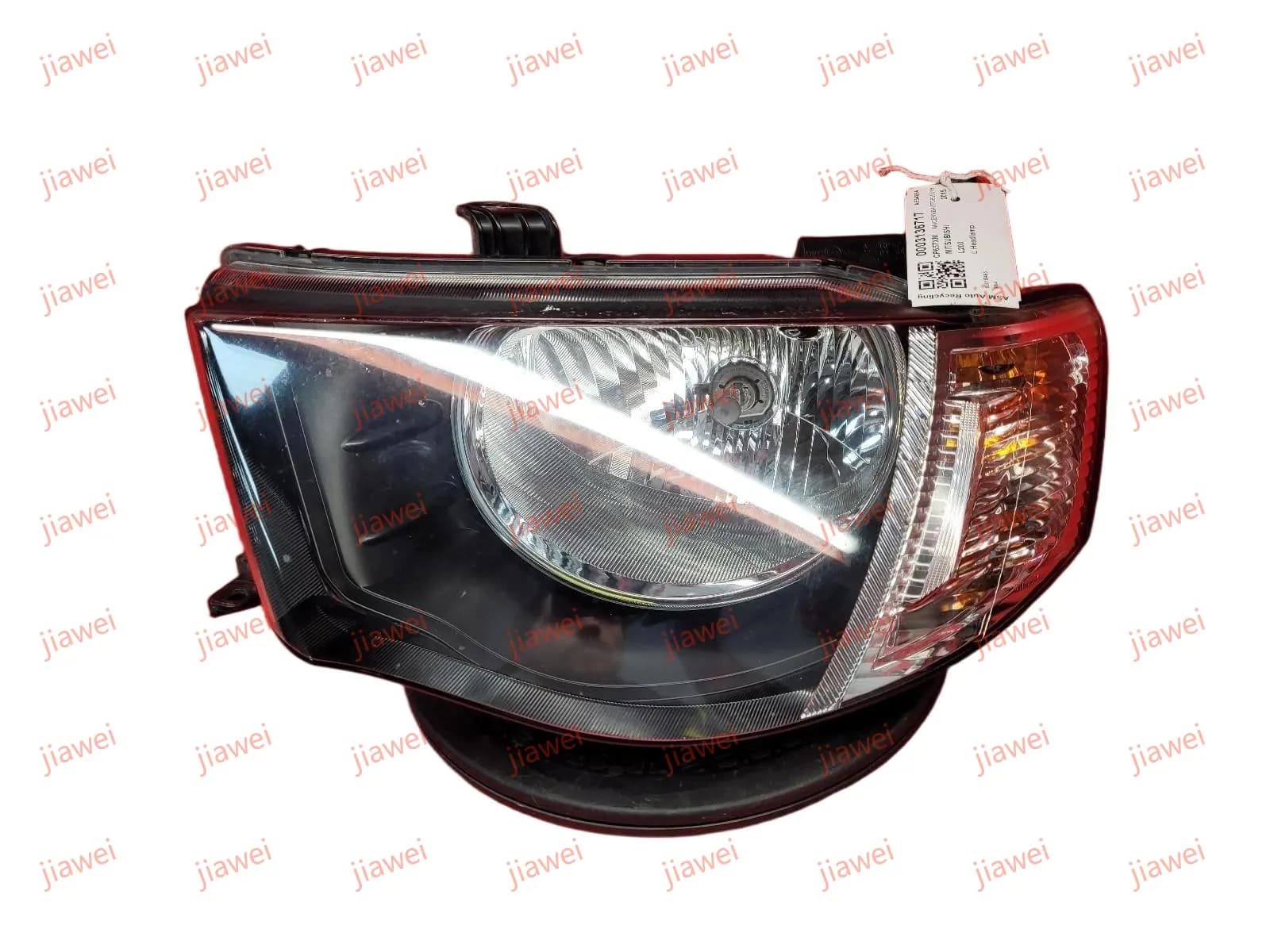
Faro delantero izquierdo
Mitsubishi L200 2015+ · Mitsubishi L200
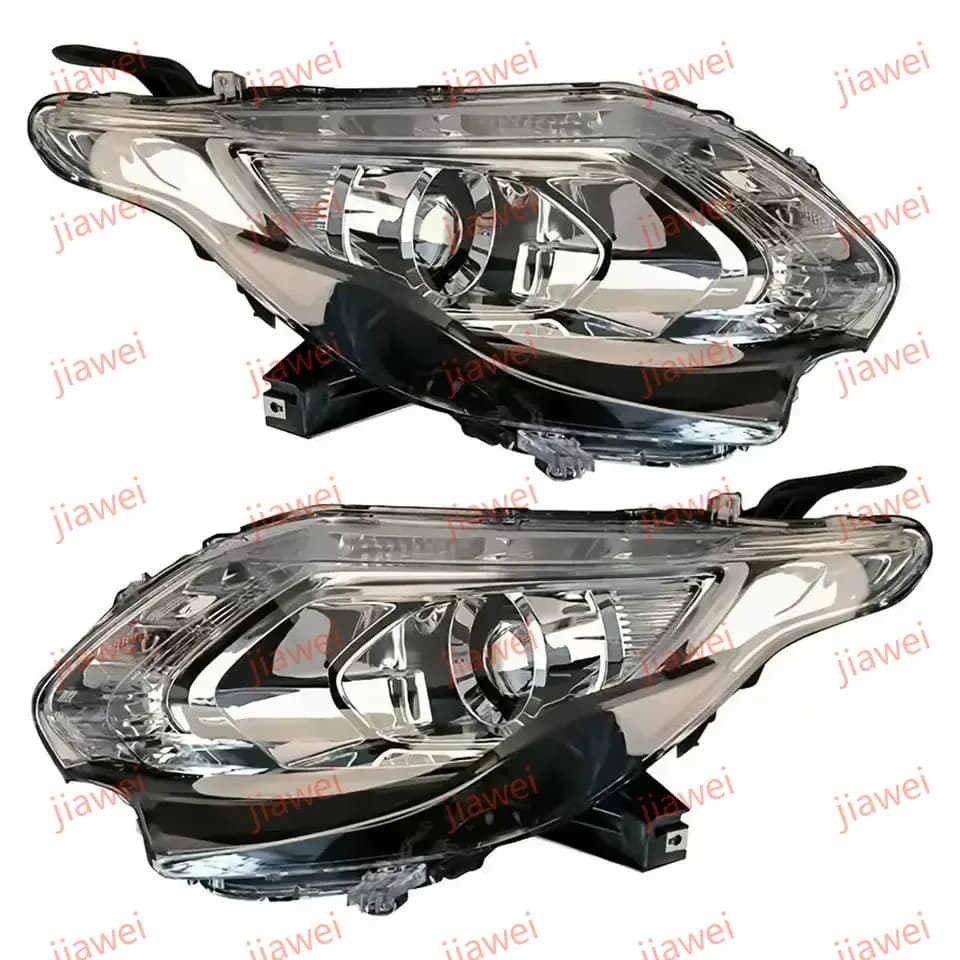
Faro delantero derecho
Mitsubishi L200 2015+ · Mitsubishi L200