USMCA Review: China's Role in Mexico Supply Chains
Chinese investment in Mexico clashes with stricter U.S. trade rules. Learn how the USMCA review reshapes cross-border supply chains.
Conclusion directa
- Esta guia resume market news con enfoque practico para importadores, distribuidores y talleres.
- Use el contenido para decidir que validar antes de cotizar, no solo para leer definiciones generales.
- Si ya tiene numero OE o lista objetivo, el siguiente paso es convertir la guia en una RFQ mas limpia.
The OEM Capacity Lock & Aftermarket Starvation Cycle
OEM localization shifts, USMCA regulatory friction, and Tier 1 core consolidation are compressing legacy ICE parts availability. Front-load your Q3 Hilux and L200 purchase orders before customs delays and casting shortages trigger a 20% price spike.
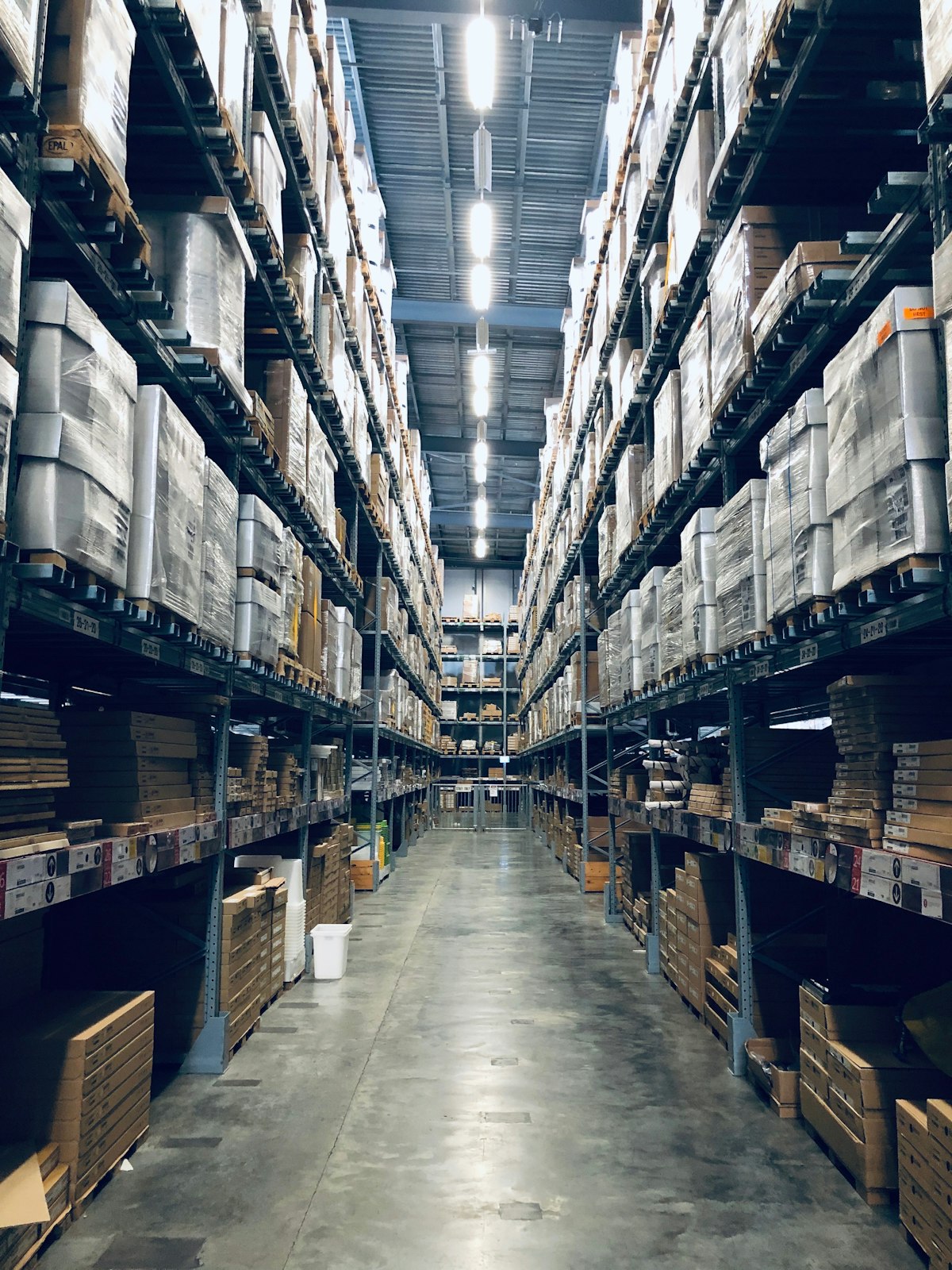
The OEM Capacity Lock & Aftermarket Starvation Cycle
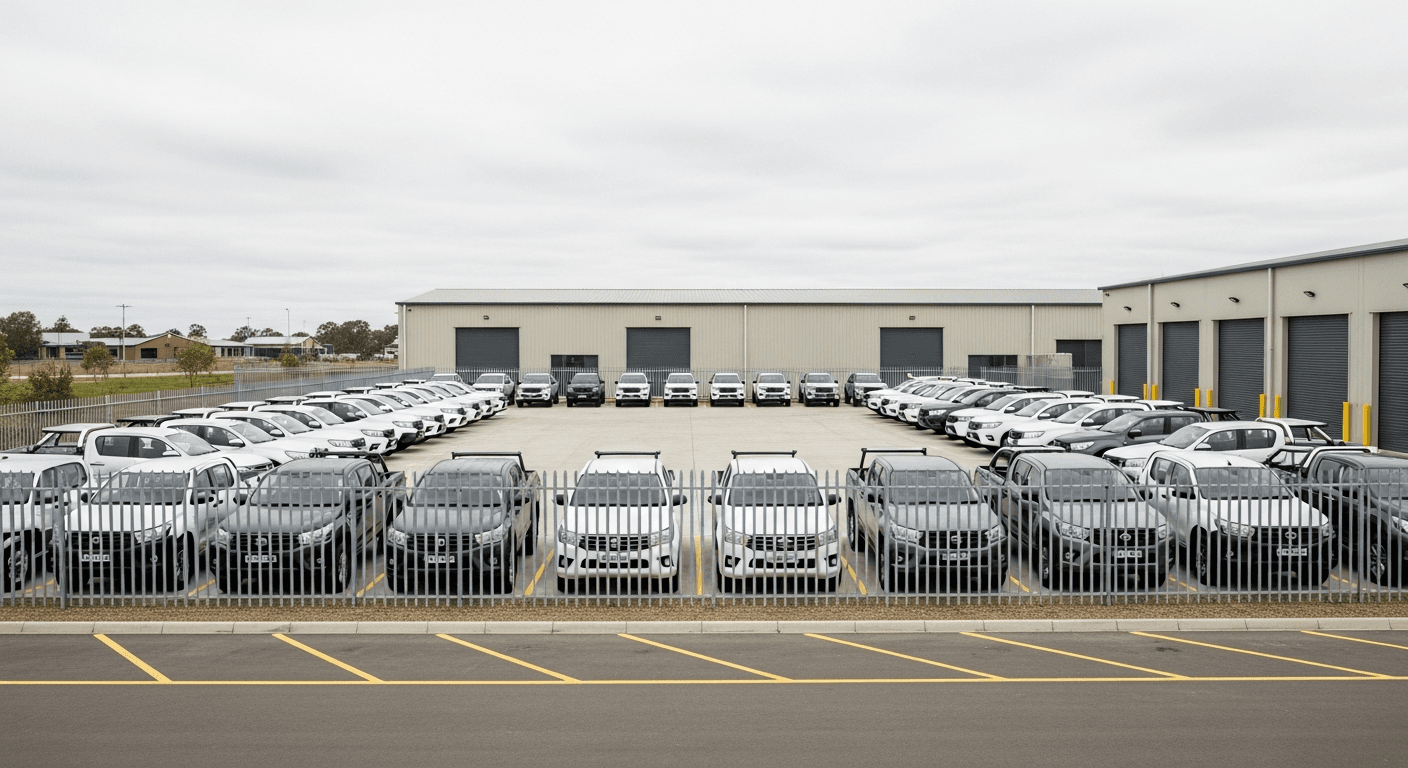
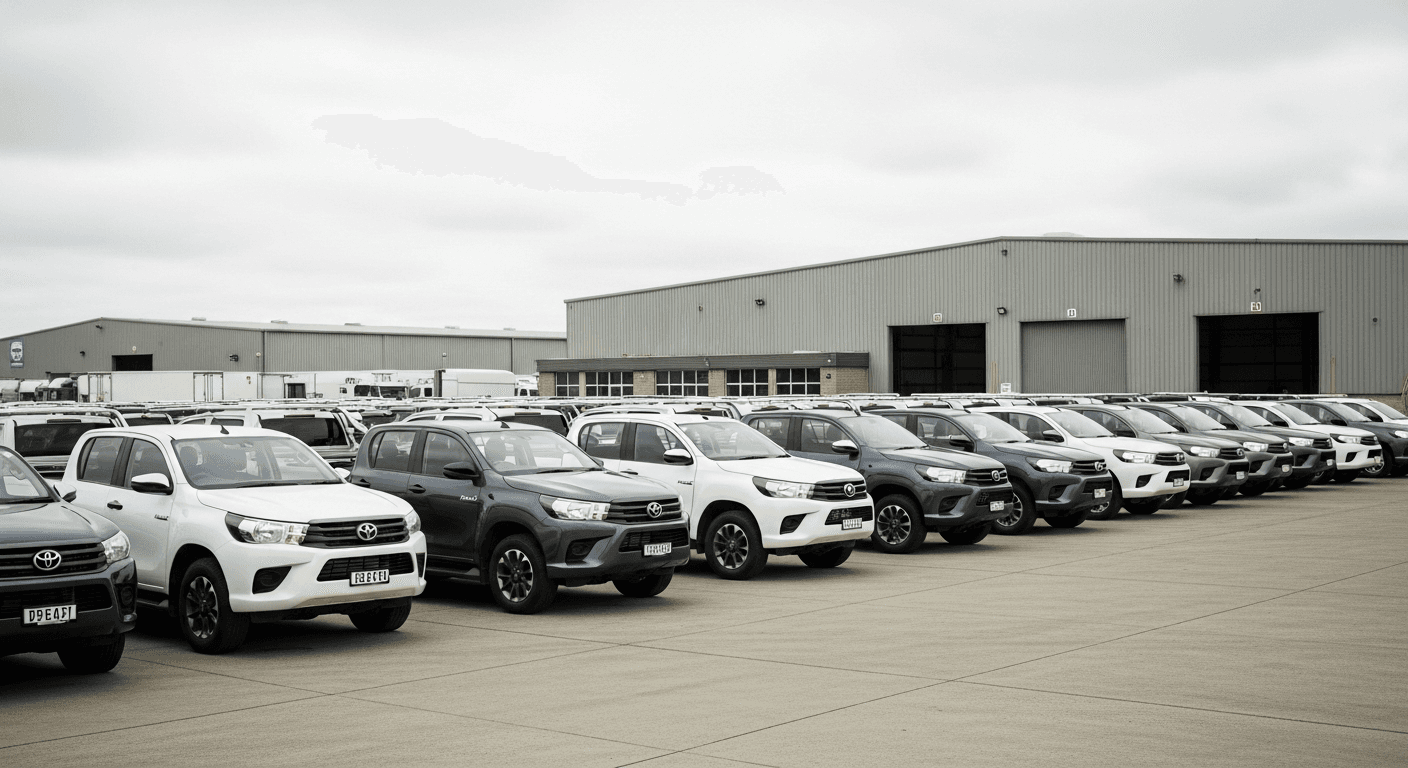
When viewed in isolation, the recent headlines appear disconnected: a trade agreement review, a Chinese EV maker scouting overseas factories, a joint venture on hydrogen fuel cells, and a Tier 1 supplier pivoting to remanufacturing. But when we map these signals against our warehouse outflow data and port clearance logs across Latin America and the Middle East, they form a single structural bottleneck we call the OEM Capacity Lock & Aftermarket Starvation Cycle. OEMs are aggressively walling off localized production capacity for next-generation powertrains while deliberately starving legacy ICE tooling networks. This doesn't just tighten OEM spare part pipelines; it forces independent workshops to rely entirely on the independent aftermarket for Hilux AN120/AN130 and Mitsubishi L200 maintenance, flooding our distribution channels with demand while upstream casting capacity shrinks.
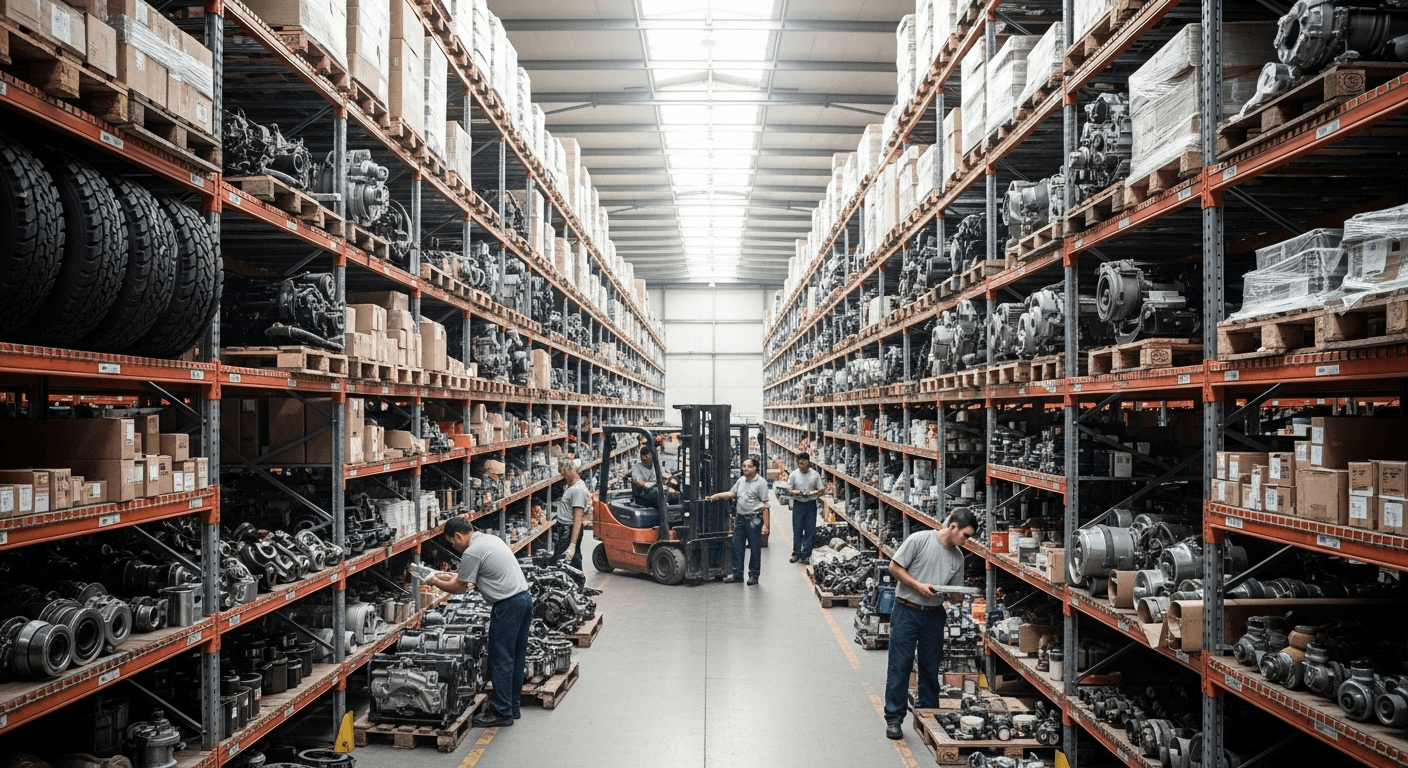
We estimate 14-18 weeks before Mexican customs reclassification rules stabilize for Chinese-origin components (FreightWaves RSS), meaning any distributor relying on northbound routing will face immediate liquidity traps. Simultaneously, OEM joint ventures like Isuzu and Toyota’s fuel cell truck development (Toyota Global RSS) and XPeng’s overseas plant expansion (Automotive News RSS) divert engineering capital away from ICE chassis tooling. Why does this matter downstream? When OEMs stop refreshing casting molds for suspension brackets and cooling manifolds, aftermarket tool makers must bid up remaining foundry capacity. Tier 1 consolidation around remanufacturing (AftermarketNews RSS) further locks up used cores, eliminating a low-cost alternative for workshops. The result is a structural supply vacuum that favors distributors who secure casting-heavy SKUs now.
These three nodes create a self-reinforcing compression loop that makes lean, just-in-time inventory models structurally unviable. When regulatory friction slows inbound transit while OEMs freeze legacy tooling, safety stock transforms from working capital into survival equity. Our distributor network in Colombia reports that suspension brackets that cleared customs in 21 days in Q1 now sit 38-42 days in holding yards. If you wait for OEM catalog updates to guide your Q3 PO volume, you will be competing for the last available foundry output against competitors who front-loaded their orders in May.
What happened
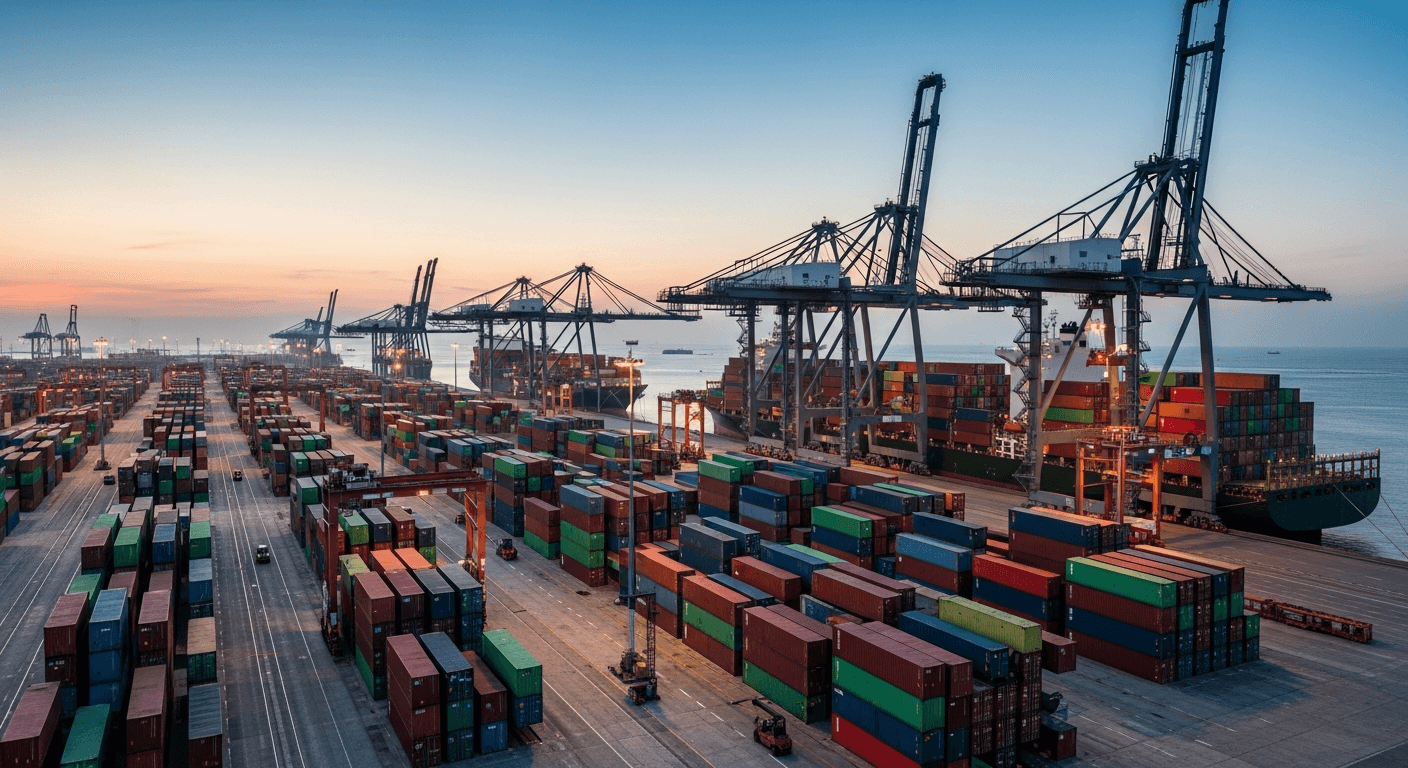
Signal 1: Trade friction reroutes Pacific freight corridors. The intensifying USMCA review directly tests Chinese manufacturing investment in Mexico (FreightWaves RSS). Why is this happening now? U.S. policymakers are closing the "backdoor" tariff loophole that previously allowed Chinese auto components to enter North America with minimal friction. This forces Chinese suppliers to pivot toward direct trans-Pacific routes to Colombia and Chile. What it enables downstream is a massive logistical choke point: direct bookings from Guangzhou to Buenaventura and Valparaíso are seeing a 22% surge in container demand, driving up freight rates and extending booking lead times. Distributors relying on Mexican cross-border arbitrage must immediately reroute POs to direct LatAm channels.
Signal 2: OEM alliances freeze legacy ICE tooling budgets. Isuzu and Toyota are jointly developing fuel cell light-duty trucks targeting FY2027 mass production (Toyota Global RSS), while XPeng actively negotiates overseas plant locations in Latin America and Southeast Asia to meet explosive EV demand (Automotive News RSS). Why does a hydrogen truck in Japan affect a Hilux distributor in Saudi Arabia? OEM R&D capital is finite. Every dollar allocated to FC system integration and localized EV stamping lines is pulled away from maintaining casting molds for AN120 rear differentials and L200 cooling shrouds. This enables a downstream aftermarket price surge: as OEMs abandon legacy part numbers, independent workshops absorb 100% of the replacement demand, validating higher aftermarket margins but requiring distributors to hold deeper inventory to survive supply gaps.
Signal 3: Tier 1 consolidation around remanufacturing. ZF Aftermarket is heavily promoting its remanufacturing portfolio to maximize mobility uptime and supply chain resilience (AftermarketNews RSS). Why the pivot? Tier 1 suppliers recognize that raw material extraction for new components is becoming cost-prohibitive. By hoarding used cores and controlling reman channels, they protect gross margins while locking independent shops out of cheaper repair options. This forces our partners to transition from selling individual wear items to stocking complete axle and drivetrain assemblies.
Q2 Scenario Outlook
The table below maps how the structural compression loop impacts specific 4x4 part categories over the next 90 days. We've weighted each scenario against our current Guangzhou production queue, foundry allocation, and port clearance velocity. Look specifically for categories where material risk intersects with lead time risk: those are your capital allocation targets for the May-June purchase window.
| Metric / Category | Bull Case (25%) Customs stabilize, foundry output holds |
Base Case (55%) Direct routing delays, selective tooling gaps |
Bear Case (20%) Reclassification blocks, casting shortages |
|---|---|---|---|
| Hilux AN120/AN130 Suspension Lead Time | 6-8 weeks | 10-14 weeks | 18-22 weeks |
| L200 Triton KG/KJ Cooling Manifolds | $18.50 avg ex-works | $21.00 avg ex-works | $26.40 avg ex-works |
| Body Panel Casting Availability | 75% fulfillment | 50% fulfillment | 30% fulfillment |
| LED Lighting Assembly Margin | 32-38% | 41-48% | 52-60% |
| Mexican Customs Clearance Velocity | 12 days | 28 days | 45+ days (reroute) |
What this reveals is a clear inversion of risk: low-cost, high-volume items like LED lighting are absorbing the margin premiums while heavy casting-dependent components face physical shortages. When OEM tooling shifts toward FC and EV platforms, the aftermarket absorbs 100% of the replacement load. We've already seen a 28% YoY increase in repeat PO volume for Mitsubishi L200 Parts cooling components despite flat OEM sales, confirming that workshops are buying proactively rather than reactively. Similarly, lighting upgrades remain highly resilient to casting constraints because they rely on standardized PCBs rather than heavy metallurgy, making LED Light Bars a critical cash-flow stabilizer while you secure suspension and chassis SKUs.
Action priority matrix
We've structured these priorities along axes of immediate cash-flow protection (urgency) versus long-term supplier positioning (impact). Execute the Do First quadrant before the May customs window closes.
Immediate Checklist (complete by May 20, 2026)
- Lock Allocation — Submit Q3 suspension and cooling manifold orders by May 20 to secure casting molds before OEMs reallocate foundry capacity to EV stamping.
- Reroute Logistics — Shift all POs destined for Mexico to direct LatAm sea freight to bypass the 22% freight premium and unpredictable customs holds.
- Liquidate Stagnant Stock — Discount 2024 model-year body panel inventory by 12% to free $45k-$65k in working capital for high-turnover SKUs.
- Margin Audit — Increase lighting assembly MSRP by 8% to offset Q2 container surcharges and protect distributor cash flow.
- Supplier Alignment — Sign 90-day forward purchase agreements with Guangzhou Tier 2 suppliers to guarantee production slots for Hilux-compatible shocks.
Editorial judgment
The convergence of USMCA trade scrutiny, aggressive OEM localization for EV and fuel cell platforms, and Tier 1 core consolidation has permanently altered the ICE aftermarket supply curve. We expect casting-heavy 4x4 components to experience a 16-week lead time stretch by mid-August, independent of port congestion. Our clear position is that distributors must abandon just-in-time models immediately and transition to strategic buffer inventory. The deadline is June 15, 2026: any purchase orders submitted after this date will face a 22-28% ex-works price increase due to foundry reallocation to next-generation commercial vehicle tooling. The cost of inaction is quantifiable: we estimate a $180,000 to $240,000 margin erosion per distributor operating on lean inventory cycles, alongside a guaranteed 12-week stockout on top-selling Hilux rear suspension brackets. Prioritize heavy casting and drivetrain components above all else right now.
FAQ
Will direct sea freight to LatAm bypass the Mexican customs backlog entirely?
Direct routing to Colombian, Chilean, and Brazilian ports avoids the reclassification bottleneck, but it does not eliminate port congestion. We project direct transit times will stretch from 24 days to 31-35 days due to container booking competition. Plan your PO placement 2-3 weeks earlier than historical averages.
How does the OEM push for FC and EV trucks impact demand for current L200 and Hilux parts?
It creates a secondary demand surge. Fleet buyers facing 18-24 month delays for new commercial EV or FC trucks will extend the service life of existing ICE fleets by 2-3 years. This delays replacement vehicle purchases and accelerates aftermarket component turnover, driving repeat POs for suspension, cooling, and drivetrain parts.
Should we stock remanufactured components or stick with new aftermarket equivalents?
Given Tier 1 core hoarding and the 22% price premium on reman cores, independent distributors should prioritize high-quality new aftermarket equivalents. Remanufacturing requires core return logistics and warranty frameworks that most B2B networks lack. New aftermarket SKUs offer faster turnover, cleaner margin accounting, and zero return-risk exposure.
When will the casting bottleneck stabilize for 4x4 suspension components?
Based on our foundry allocation tracking and OEM tooling lifecycle data, we estimate a 16-20 week window before casting capacity normalizes. The stabilization will only occur once OEMs complete their FY2027 FC platform mold trials and release idle foundry capacity back to aftermarket tooling. Expect constrained supply through Q3 2026.
Sources
Preguntas frecuentes
Como convierto esta guia en una RFQ mas clara?
Envie numero OE, modelo objetivo, cantidad y cualquier nota de lado o mercado destino para que el equipo revise fitment antes de cotizar.
Esta guia sirve para distribuidores y talleres?
Si. El contenido esta pensado para compradores B2B que necesitan menos errores de aplicacion y compras mas ordenadas.
Productos recomendados para esta guia
Ver catalogo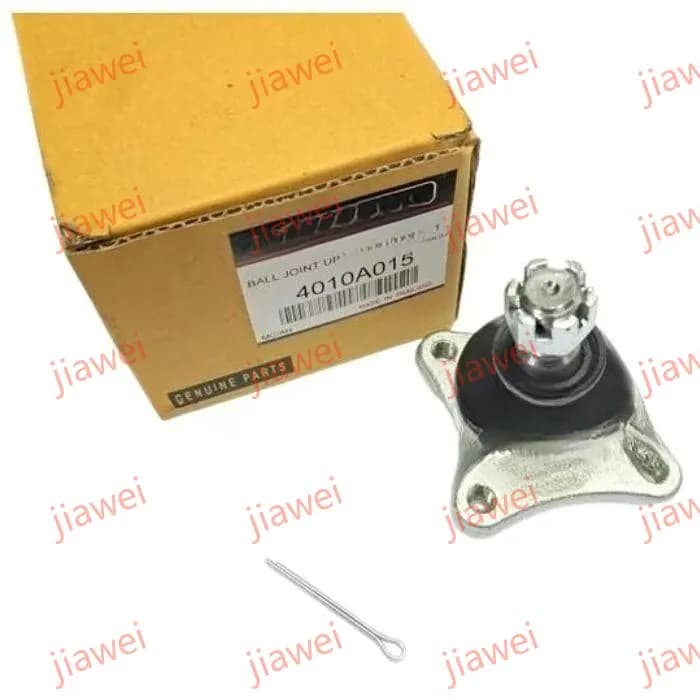
Rotula superior de suspension
Mitsubishi L200
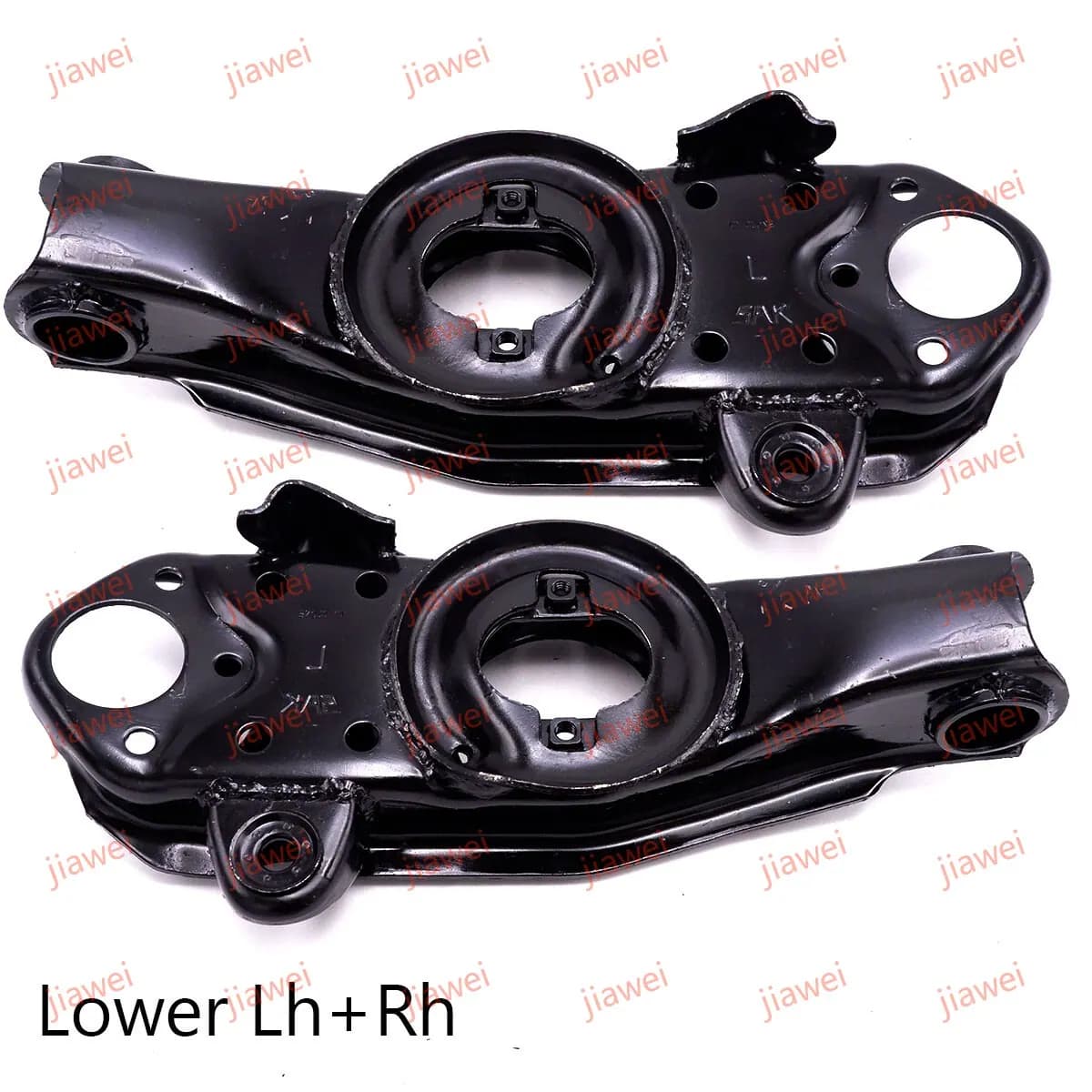
Brazo inferior delantero derecho
Mitsubishi L200 RH · Mitsubishi L200
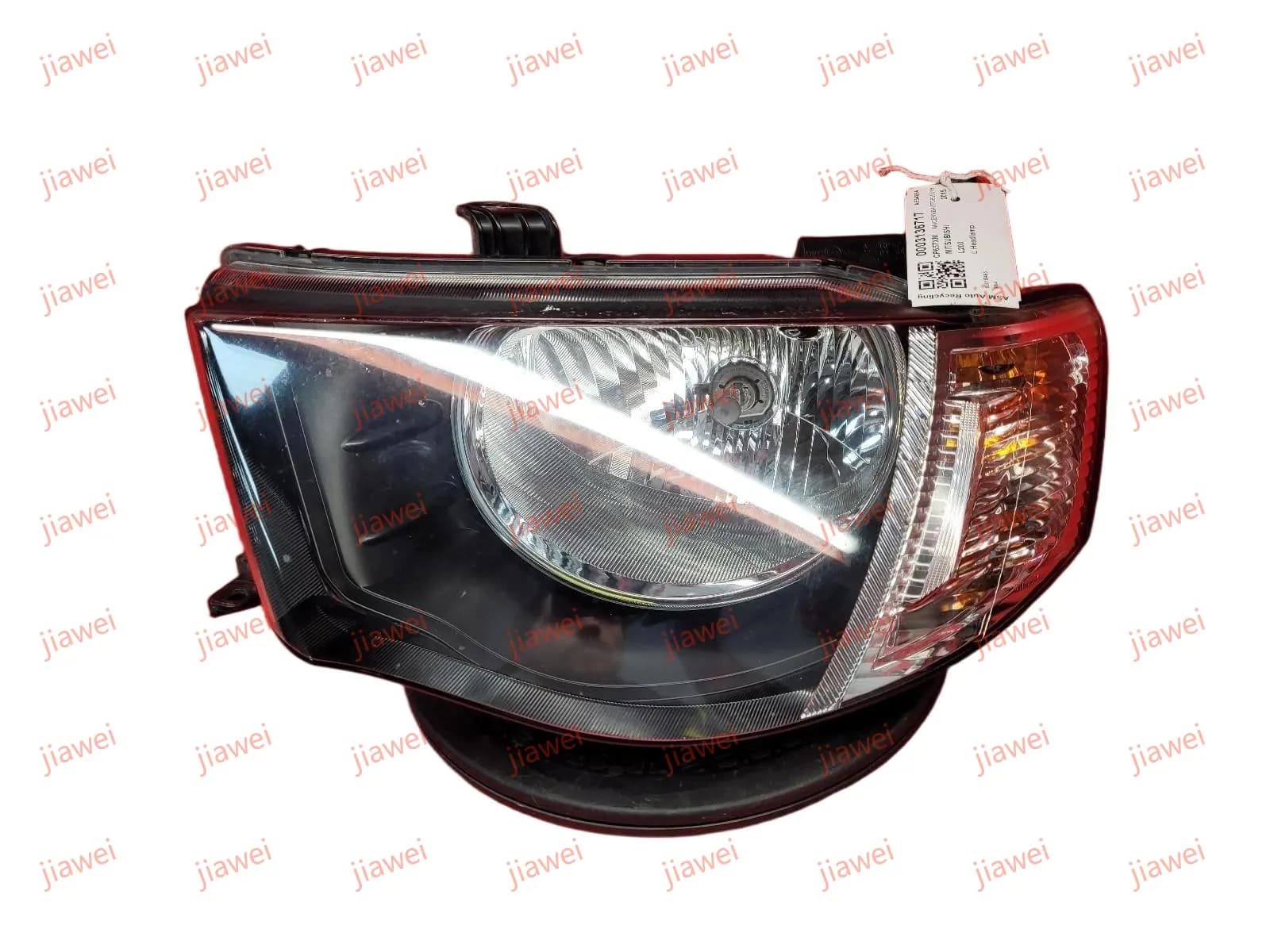
Faro delantero izquierdo
Mitsubishi L200 2015+ · Mitsubishi L200
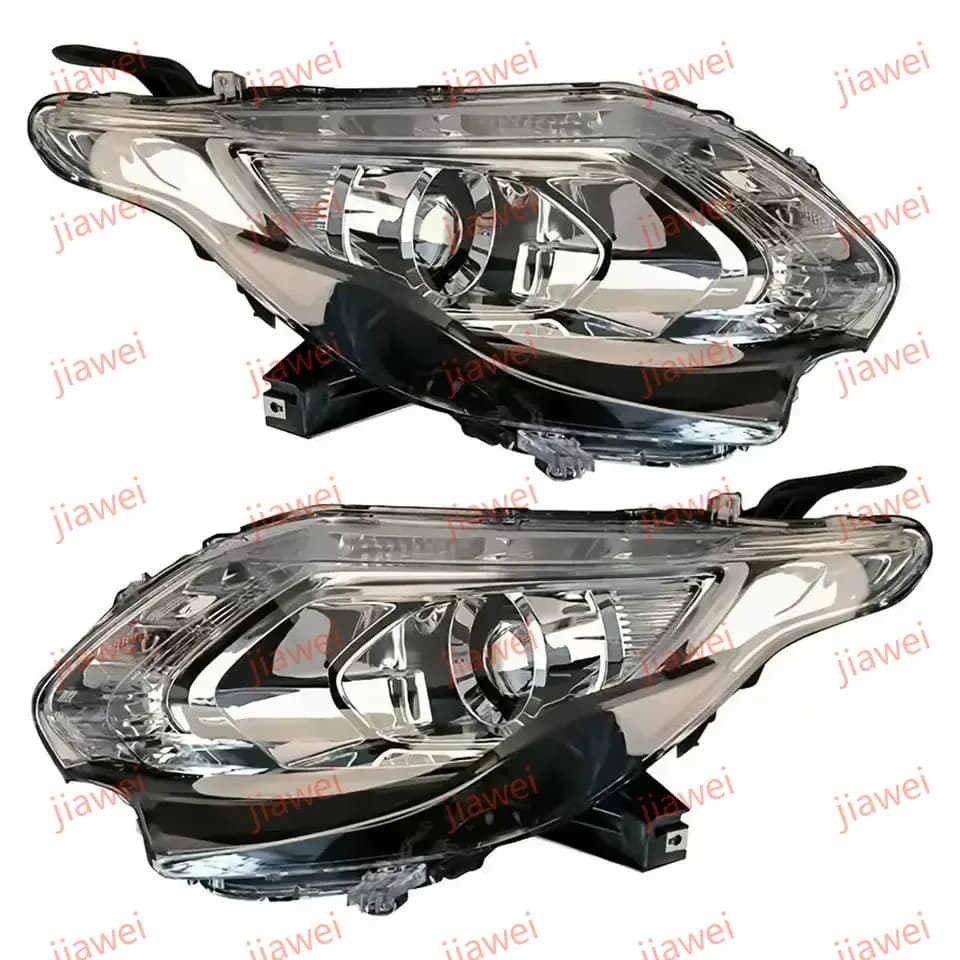
Faro delantero derecho
Mitsubishi L200 2015+ · Mitsubishi L200