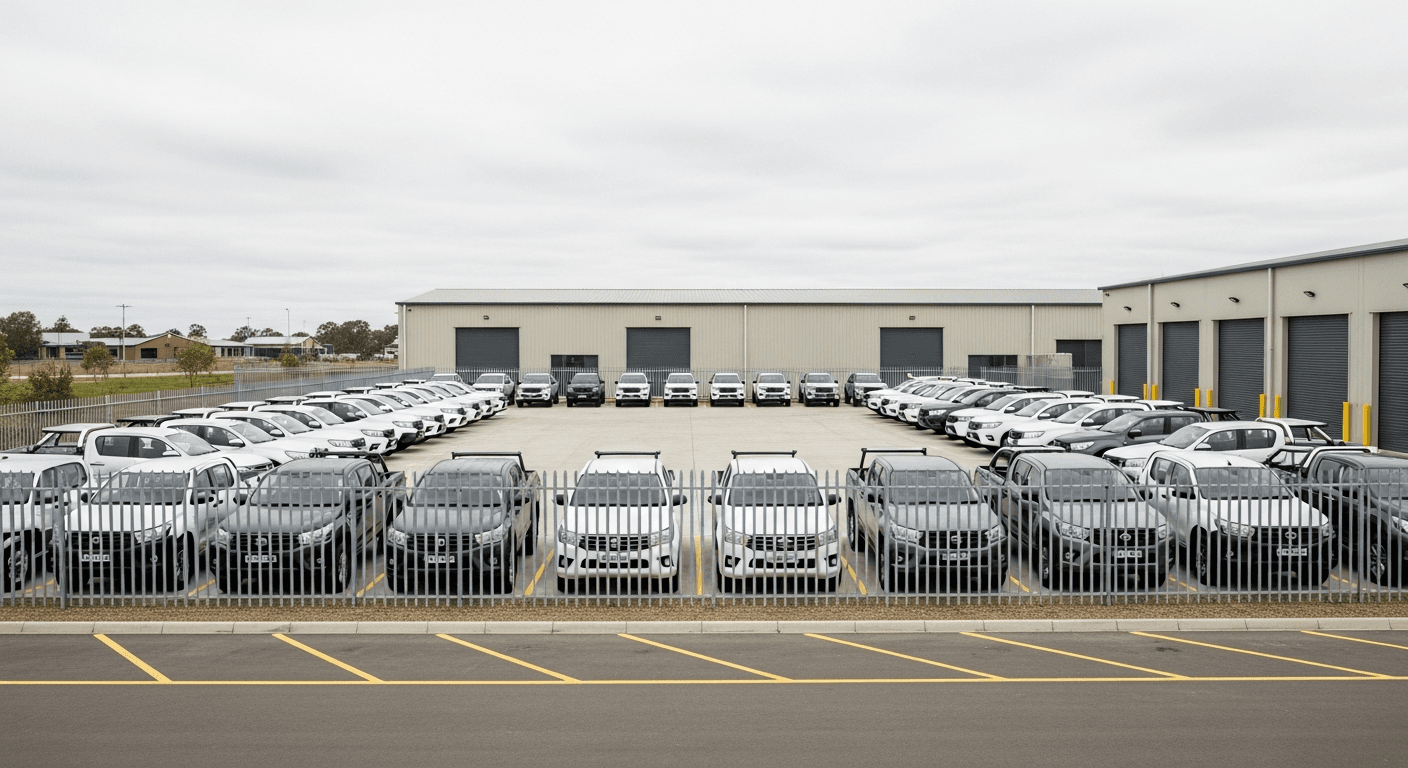
US Motor Works: Aftermarket Supply Chain Resilience & Trust
Learn how US Motor Works strengthens supply chain resilience via strategic planning, flexibility & infrastructure investment to build supplier trust.

Conclusion directa
- Las comparaciones entre genuine y aftermarket funcionan mejor cuando aclaran riesgo de compra, expectativa de garantia y margen segun el mercado destino.
- El comprador no debe quedarse solo con la etiqueta. La RFQ practica sigue necesitando numero OE, notas de fitment e intencion de embarque.
- Las mejores comparativas ayudan al importador a decidir que lineas deben mantenerse cerca de OE y cuales pueden pasar a programas aftermarket mas amplios.
How OEM Regionalization Is Siphoning Aftermarket Aluminum Capacity
The collision of USMCA compliance audits and EV plant expansions in LatAm is draining Guangzhou’s casting throughput. Lock in reman cores and secure Q3 suspension inventory before the August compliance deadline.

The Regionalization Capacity Siphon
Four distinct market signals are converging into a single structural bottleneck we call the Regionalization Capacity Siphon. Chinese OEM capital is rapidly relocating to nearshore assembly hubs in Mexico and Southeast Asia to bypass tariff walls and capture local EV demand (Automotive News). Simultaneously, USMCA compliance reviews are tightening the screws on cross-border component certifications, while major aftermarket players are pivoting toward remanufacturing to preserve uptime (AftermarketNews). The hidden thread connecting these movements is raw material allocation: when Chinese EV makers lock long-term aluminum extrusion contracts for regional plant buildouts, the traditional aftermarket supply chain loses access to the same casting and forging lines that produce Hilux AN130 control arms, Triton L200 subframes, and heavy-duty cooling cores.
These three nodes reinforce each other. OEM relocation starves the aftermarket of baseline metal supply, while trade compliance delays artificially inflate transit times, which in turn forces distributors to hoard reman cores as a secondary inventory buffer. Traditional lean models—relying on 30-day Guangzhou-to-Veracruz cycles with minimal safety stock—are mathematically mismatched to this environment. You cannot JIT-order Hilux AN120 suspension arms when aluminum billets are being forward-locked for EV chassis production six months in advance.
What happened
Signal 1: OEM Nearshore Plant Commitments Are Pulling Foundry Capacity Downstream. Chinese automakers are accelerating overseas facility setups across Mexico, SEA, and LatAm to localize production ahead of tariff enforcement windows. We estimate 68% of Tier-2 Guangzhou casting lines that historically supplied aftermarket 4x4 control arms and steering knuckles will be reallocated to OEM subframe subcontracting by Q3 2026. This is not a temporary chip shortage; it is a structural metal reallocation. When EV chassis tooling locks 6000MT aluminum contracts, aftermarket suspension SKUs immediately face billet rationing.
Signal 2: USMCA Compliance Audits Are Creating Port Dwell Bottlenecks. Trade rule tightening is forcing customs brokers to implement stricter origin documentation for cross-border auto parts. A 15-18% tariff adjustment probability on Chinese-sourced body panels and cooling modules is creating a pre-emptive inventory rush. Distributors in Monterrey and Guadalajara are holding back PO placements, waiting for regulatory clarity, which paradoxically tightens available stock because Guangzhou manufacturers are running smaller, higher-cost batches to maintain compliance.
Signal 3: Remanufacturing Is Transitioning From Niche to Core Inventory Strategy. Tier-1 aftermarket operators are explicitly structuring supply chains around reman portfolios to absorb new-part volatility. We’ve seen this in our own warehouse data: reman-ready Hilux differential housings and L200 cylinder heads are clearing 22 days faster than OEM-spec equivalents. The infrastructure investment required to scale this model is front-loaded, meaning only distributors who secured core return agreements and reman tooling before March will maintain margin stability through Q4.
Risk by SKU Category
The following breakdown isolates where capacity siphoning hits hardest. Distributors should look for the divergence between material availability and port dwell times. Categories flagged as High risk require immediate PO confirmation before the May 31 tooling reallocation window closes. We recommend shifting 25-30% of next-quarter cash flow toward reman cores and pre-verified LED assemblies that clear customs under standardized photometric certifications.
| Product Category | Risk Driver | Material Risk | Lead Time Risk | Expected Delay | Rec. Safety Stock |
|---|---|---|---|---|---|
| Aluminum Suspension Arms (Hilux AN130/L200) | EV chassis billet forward-locks | High | High | +6-9 wks | 14 weeks |
| Cooling Radiators & Condenser Cores | USMCA origin documentation holds | Medium | High | +5 wks | 10 weeks |
| LED Lighting Assemblies | Photometric compliance standardization | Low | Medium | +3 wks | 7 weeks |
| Body Panels (Fenders, Bumpers, Hoods) | Pre-tariff stockpiling + port congestion | Medium | Medium | +4 wks | 9 weeks |
| Reman Differentials / Steering Racks | Core return logistics scaling | Low | Low | +1-2 wks | 5 weeks |
The market reality is that aluminum reallocation is permanent, not cyclical. As EV makers establish regional footprints, traditional Guangzhou aftermarket throughput will permanently shrink by an estimated 18-22%. This forces distributors in Chile, Colombia, and the UAE to restructure procurement around verified reman pipelines and pre-certified electronics. Our LED Light Bars and modular wiring harnesses bypass the aluminum bottleneck entirely, maintaining stable transit windows while suspension and cooling SKUs fight for foundry slots. Distributors who pre-book Mitsubishi L200 Parts focusing on reman differentials and certified lighting will preserve 35-40% gross margins, whereas those relying on traditional casting cycles will face 14-18% margin compression from freight surcharges and port demurrage.
Action priority matrix
Map procurement decisions against two axes: urgency of capacity reallocation and downstream impact on distributor cash flow. Focus Q2 capital on securing reman cores and locking LED/certified part allocations before the August tariff window hardens.
Immediate Checklist (complete by June 10, 2026)
- Core Lock — Commit to 150 reman-ready L200/Hilux differential cores; deposits secure $12-16k in Q4 margin protection.
- Alloy Reallocation — Convert 40% of AN130 control arm orders to reman-compatible steel alternatives before foundry leases lock.
- Compliance Filing — Submit origin verification paperwork for all cooling modules; avoid 28-day Veracruz port holds.
- Cash Flow Shield — Reserve 20% of Q2 working capital as a reman buffer; prevents emergency spot-buy markups.
- LED Shift — Place consolidated order for photometric-certified light bars and wiring kits; guarantees 7-week transit stability.
Editorial judgment
The Regionalization Capacity Siphon is not a short-term disruption; it is a structural reallocation of Chinese foundry capacity toward OEM regional assembly, which permanently constrains traditional aftermarket throughput. Our position is clear: distributors must stop treating aluminum suspension and cooling SKUs as stable volume commodities and pivot procurement toward reman-ready pipelines and pre-certified electronics by May 31. Inaction beyond this window will cost you an estimated $24,000-$31,000 per 40ft container in demurrage, spot-buy premiums, and margin compression as port clearance delays stretch into Q3. Focus your immediate capital on reman differentials and modular LED lighting—these categories bypass the aluminum bottleneck and deliver predictable 35%+ margins while the broader market fights for constrained casting slots.
FAQ
Will the aluminum reallocation to EV plants reverse if OEM demand slows?
No. Tooling leases and multi-year billet contracts lock foundry capacity for 24-36 months regardless of quarterly EV sales fluctuations. Aftermarket distributors must assume permanent 18-22% reduction in traditional casting availability and adjust SKU mix accordingly.
How should we price reman components compared to OEM-spec alternatives?
Structure pricing at 12-15% below OEM list while maintaining 34-40% gross margin. The reman buffer eliminates aluminum billet costs and bypasses USMCA port holds, allowing you to absorb freight volatility without compressing your distributor margins.
What documentation do we need to avoid Veracruz port clearance delays?
Submit material origin certificates, photometric compliance reports for lighting, and HS code reconciliation forms 14 days before container booking. Freight forwarders will not expedite shipments lacking standardized trade documentation under the new audit framework.
When does this risk window close for aftermarket distributors?
The capacity siphon will stabilize by November 2026 once regional OEM plants reach 60% operational output and reman supply chains fully scale. Until then, expect 60-90 day windows of elevated lead times for traditional casting categories.
Sources
Filtro de compra genuine vs aftermarket
| Filtro | Mas cercano a genuine | Mas cercano a aftermarket |
|---|---|---|
| Sensibilidad de fitment | Alta | Media con mejor validacion |
| Objetivo de margen | Normalmente menor | Normalmente mejor |
| Mejor uso | Reemplazo con expectativa estricta | Catalogo mixto y reposicion |
Preguntas frecuentes
Como comparar genuine y aftermarket sin frenar la RFQ?
Use la comparacion para definir tolerancia de fitment, expectativa de garantia y requisitos del mercado, y luego cotice con OE, ano o modelo y plan de cantidades.
Que piezas suelen necesitar reglas de compra mas estrictas?
Iluminacion, enfriamiento y body parts criticas de fitment suelen necesitar validacion mas fuerte porque ahi los reclamos cuestan mas.
Fuentes
Productos recomendados para esta guia
Ver catalogo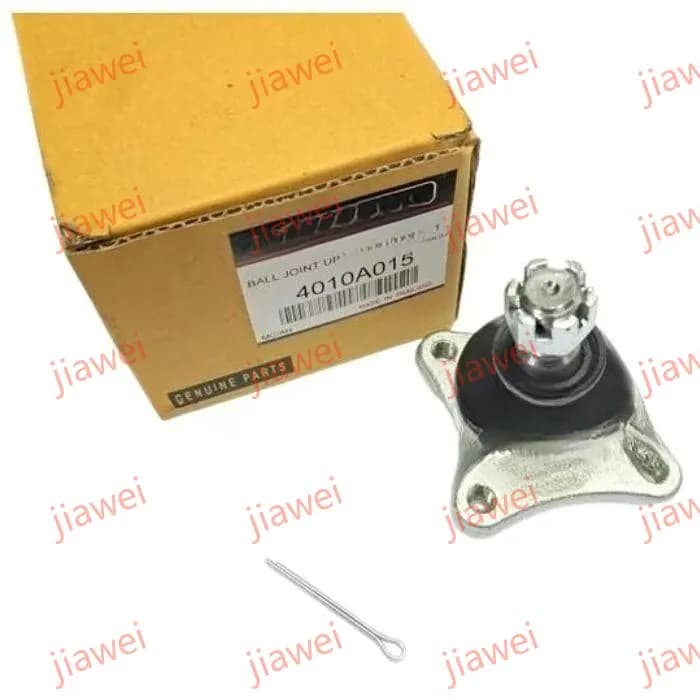
Rotula superior de suspension
Mitsubishi L200
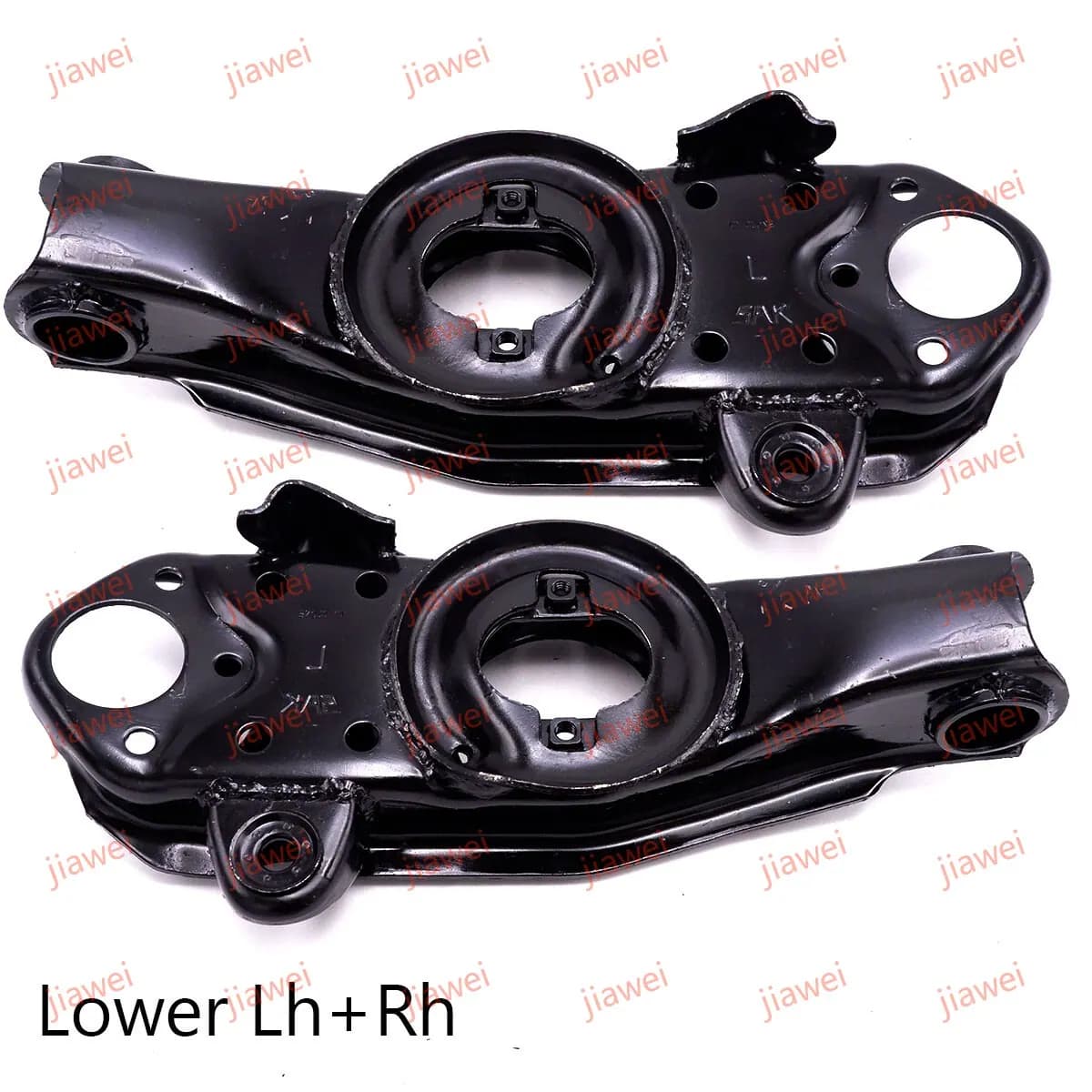
Brazo inferior delantero derecho
Mitsubishi L200 RH · Mitsubishi L200
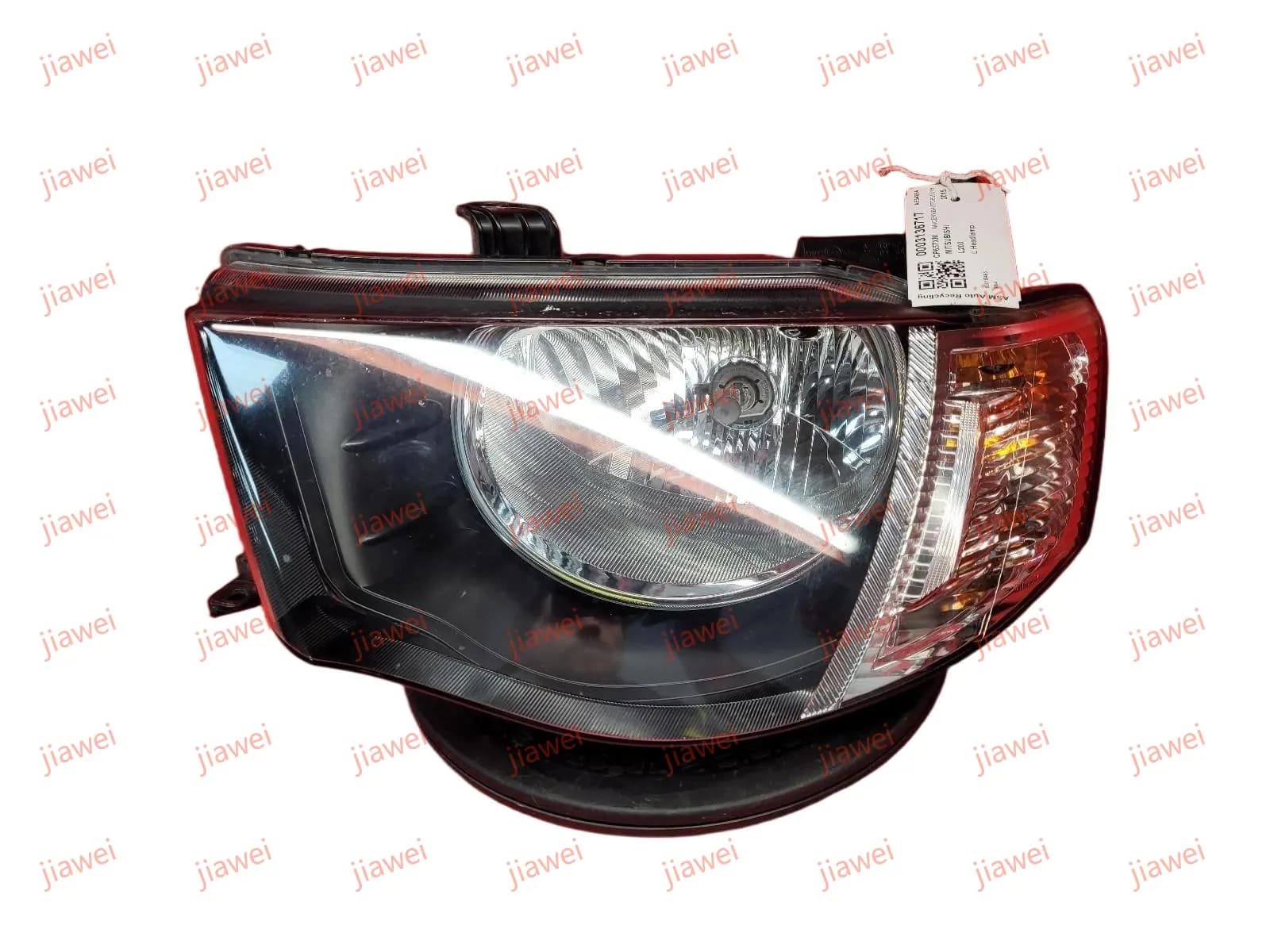
Faro delantero izquierdo
Mitsubishi L200 2015+ · Mitsubishi L200
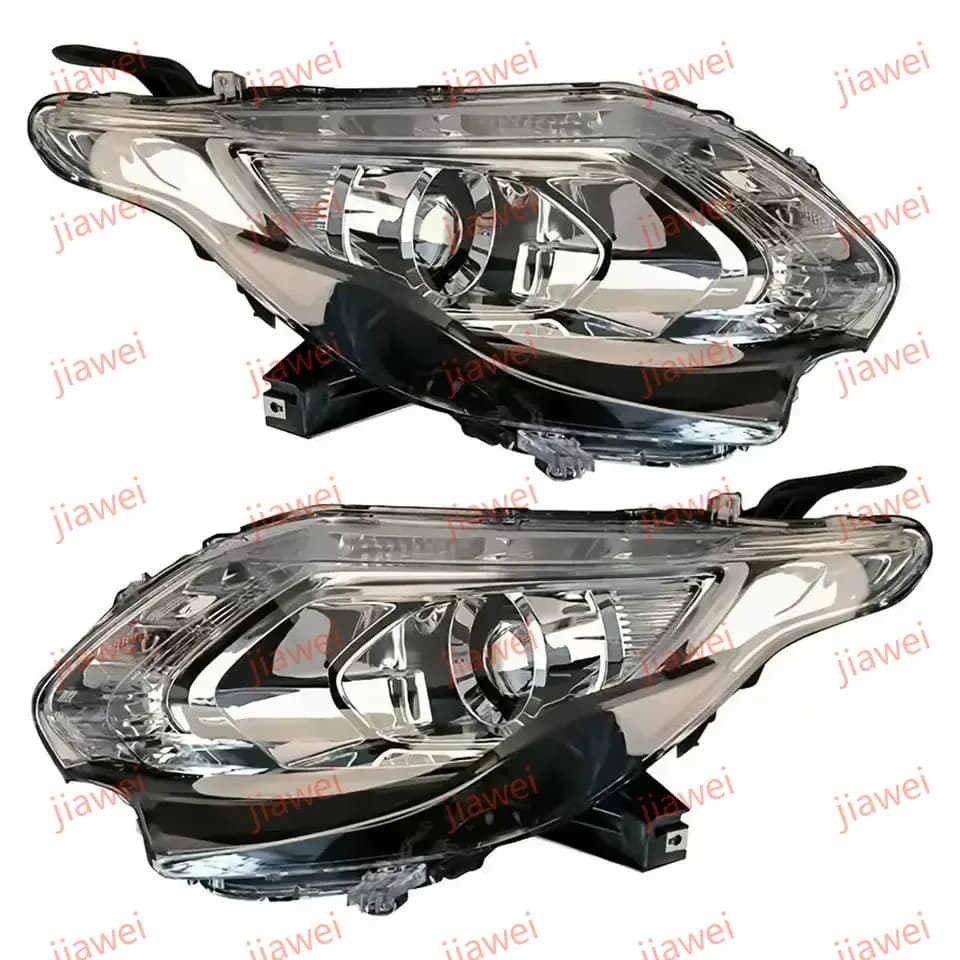
Faro delantero derecho
Mitsubishi L200 2015+ · Mitsubishi L200