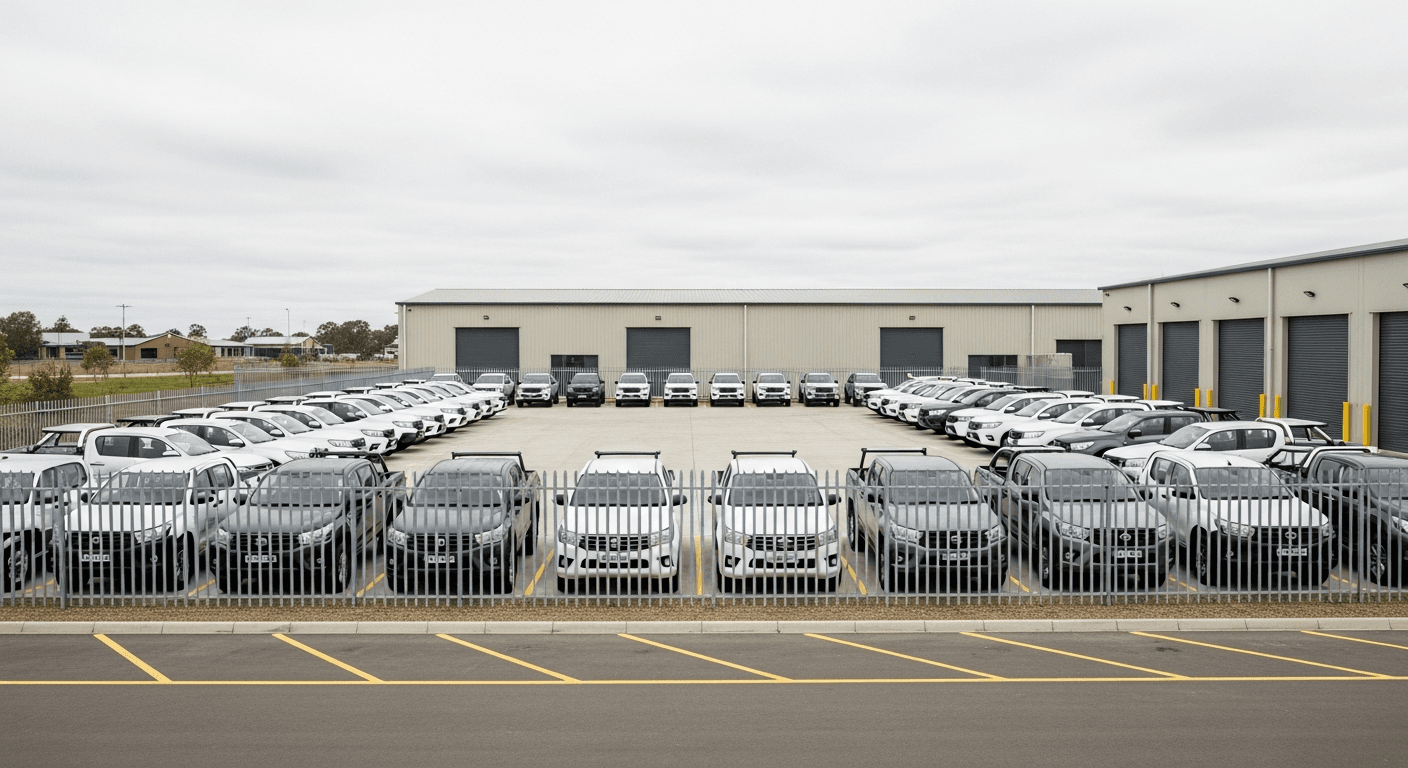
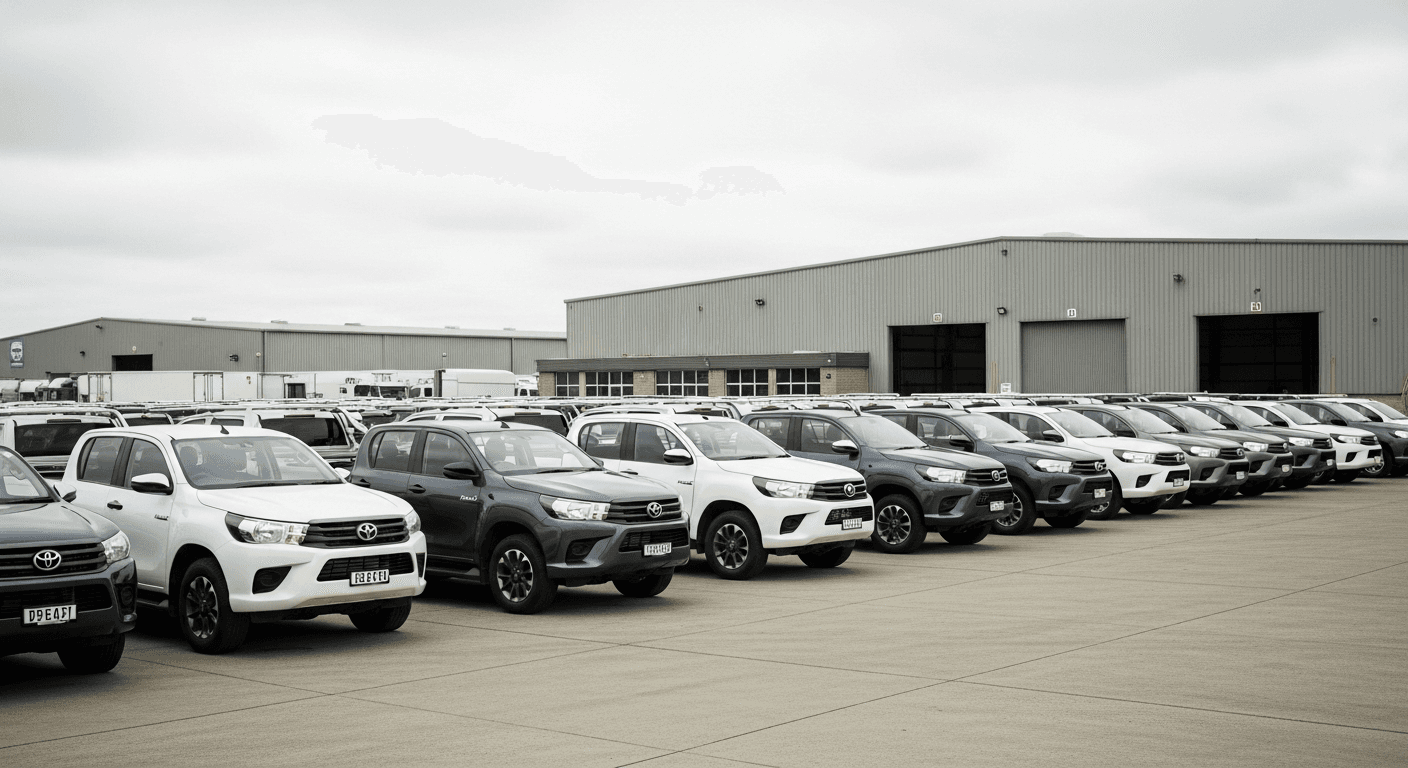
Metair Invests R837m to Expand Plant for New Toyota Hilux
Metair commits R837m capital for Toyota Hilux plant expansion. Strategic investment enhances automotive manufacturing supply capacity.
Conclusion directa
- Las guias de mantenimiento Hilux deben llevar al comprador desde sintomas repetidos hasta la familia exacta que debe cotizar despues.
- El flujo mas util es diagnostico primero, luego cruce OE y despues RFQ mixta por sistema y ano o version.
- Para flotas y talleres, este contenido funciona mejor cuando acorta el paso entre nota de servicio y pedido de reposicion.
Metair and BYD Signal Shifts in LatAm and SA Production
Major capacity expansions in South Africa and Brazil reshape aftermarket demand forecasts for 2026.
What happened
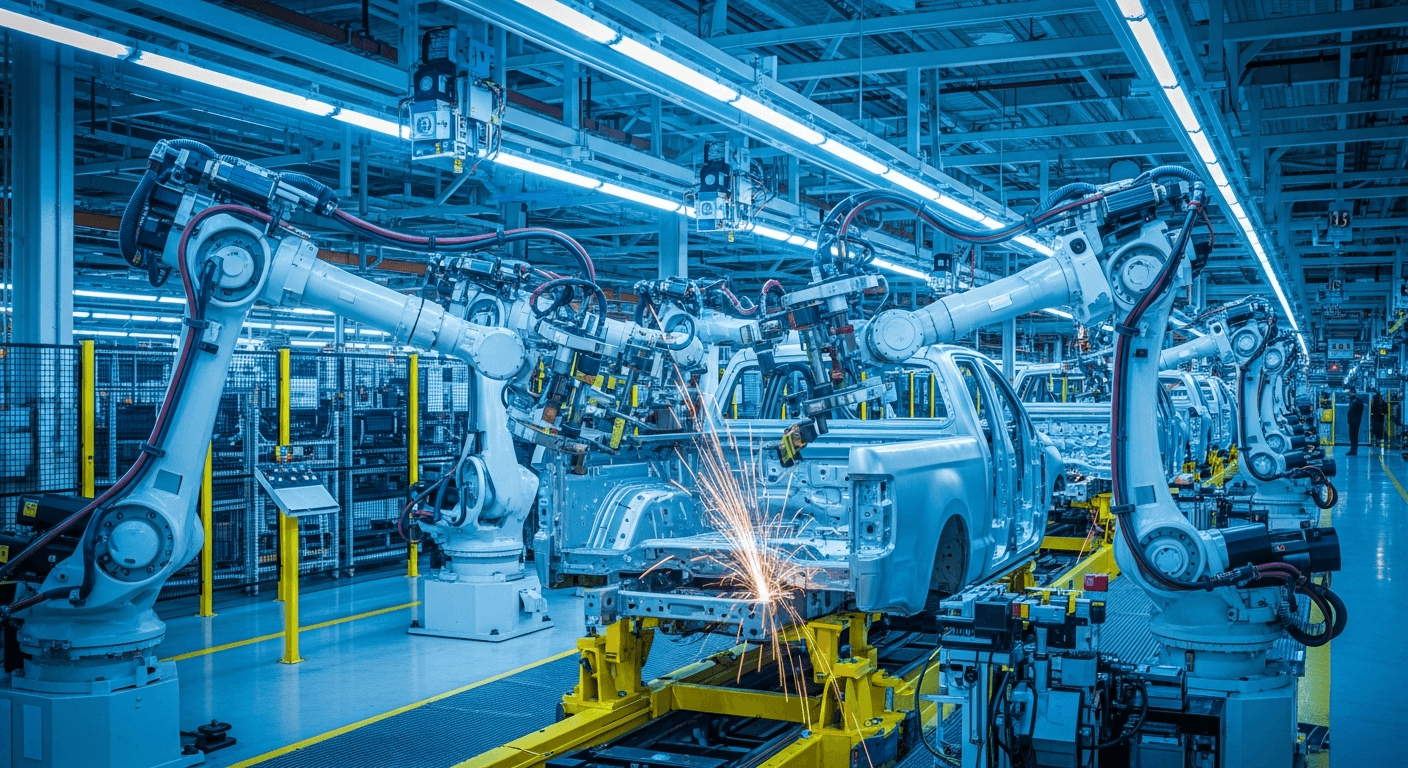
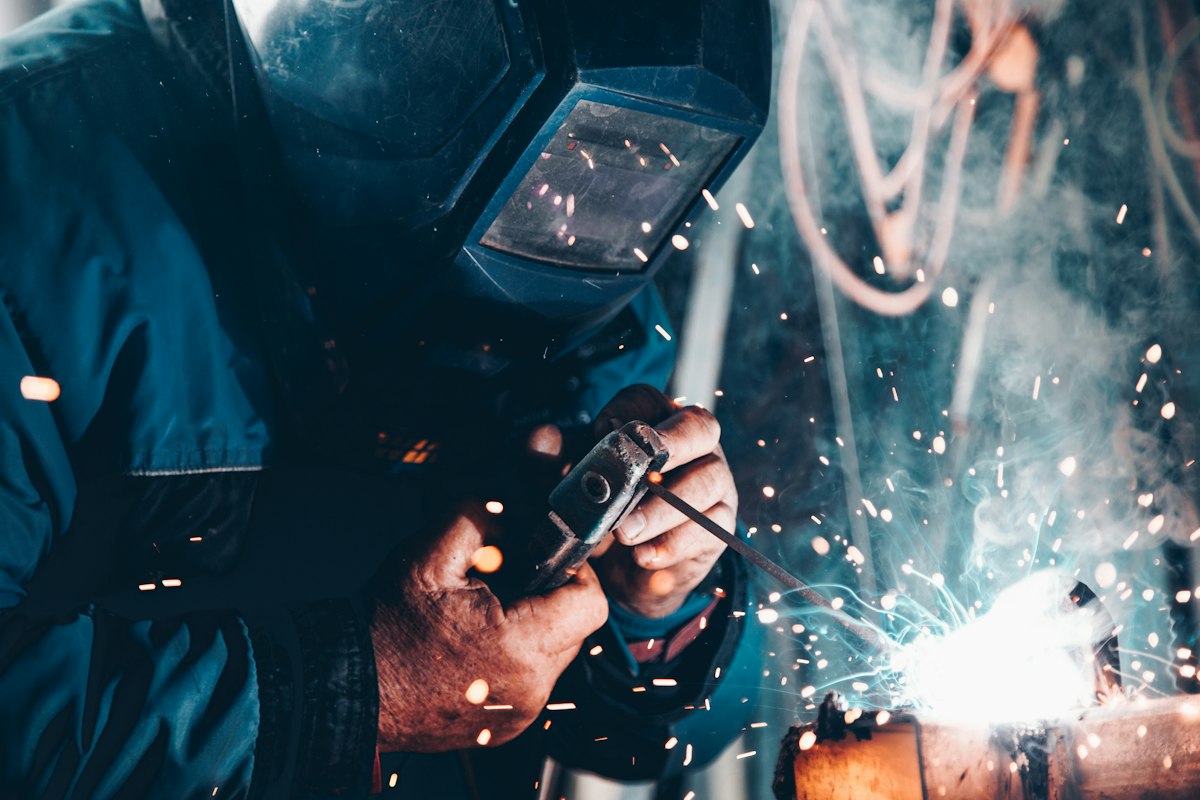
Two significant manufacturing announcements emerged this month from key automotive hubs, signaling divergent yet critical paths for the global 4x4 supply chain. On March 12, Metair Investments confirmed a capital injection of R837m to expand their South African plant specifically to accommodate tooling and component production for the new Toyota Hilux (Google News RSS Search). This move secures the local supply chain for Toyota's flagship pickup in a region that serves as a primary export node for the Middle East and Latin America.
Shortly after, on March 20, reports confirmed that BYD intends to construct a new Automotive Testing and Evaluation Centre in Brazil (Just Auto RSS). While Metair's investment reinforces internal combustion engine (ICE) dominance through the Hilux platform, BYD's infrastructure build-out focuses on validating new energy vehicles (NEVs) for the Latin American market. These events occurred within the same week, highlighting a transitional period where established ICE workhorses receive renewed lifecycle support while Chinese OEMs accelerate homologation processes for electrified alternatives.
There is no direct contradiction between these reports; rather, they illustrate a bifurcated market strategy. Manufacturers are doubling down on proven ICE platforms for commercial fleets while simultaneously preparing regulatory and technical groundwork for EV adoption in protectionist markets like Brazil. For aftermarket stakeholders, this means parallel demand streams will coexist for the foreseeable future.
Why it matters for 4x4 distributors
From our position in Guangzhou, we see these investments as validation for long-term stocking strategies in specific regions. The Metair expansion implies that the current generation Hilux will remain in production longer than initially projected. For distributors in the Middle East and Southeast Asia, this stabilizes demand for engine components, suspension kits, and body panels. We have seen similar patterns where OEM plant expansions correlate with a 5-7 year extension in parts availability windows.
Conversely, the BYD testing center in Brazil indicates accelerated market penetration for Chinese brands in Latin America. While this does not immediately threaten Hilux commercial dominance, it signals that distributors in Sao Paulo and Buenos Aires must begin cataloging EV-specific consumables. The testing centre reduces homologation time, meaning new models will hit the road faster. Our teams are already tracking cross-compatibility between BYD chassis components and existing Chinese 4x4 platforms to identify potential interchange opportunities.
For wholesalers serving multiple regions, this creates a inventory balancing act. Stocking too heavily on EV-specific parts for LatAm now could tie up capital, but ignoring the shift risks losing early-mover advantage. Meanwhile, the Hilux remains the cash cow. We recommend maintaining high turnover rates on fast-moving Hilux SKUs while allocating a smaller percentage of warehouse space to emerging EV diagnostic tools and cooling system components.
Market context
The aftermarket landscape in 2026 is defined by regional specialization. South Africa remains a critical manufacturing hub for right-hand drive markets, including parts of Southeast Asia and Africa. When a tier-1 supplier like Metair commits nearly R1 billion to a single model line, it reinforces the vehicle's status as a regional staple. Distributors should treat the Hilux not just as a current seller, but as a long-term asset. You can verify current availability on high-demand consumables through our Toyota Hilux Parts catalog, which reflects these extended production cycles.
In Latin America, protectionist policies often favor local assembly and testing, which explains BYD's move. This reduces import tariffs and speeds up time-to-market. However, the ICE aftermarket remains robust. Many fleets in rural Brazil and Chile will rely on diesel 4x4s for another decade. We expect the Mitsubishi L200 and Nissan Navara to follow similar localization trends to remain competitive. Ensuring your inventory covers both the legacy ICE models and incoming electrified options is crucial. For comprehensive coverage on the segment leader, review our updated Toyota Hilux Parts listings to align with the extended production timeline.
What distributors should do now
Distributor Action Checklist
- Audit Hilux SKUs — Review current stock levels for 2024-2026 Hilux models and increase safety stock on suspension arms and filters by 15%.
- Monitor Brazil Homologation — Track BYD's new model releases stemming from the testing centre to identify early aftermarket opportunities.
- Diversify Sourcing — Balance orders between South African-sourced OE equivalents and Chinese aftermarket alternatives to mitigate logistics risks.
- Update Catalogs — Ensure customer-facing systems reflect the extended lifecycle of the current Hilux generation to prevent premature discontinuation notices.
FAQ
Will the Metair investment affect parts pricing?
Usually, localized production stabilizes pricing by reducing logistics costs. However, initial tooling costs may keep OE prices firm for the first two quarters. Aftermarket alternatives should remain competitive.
Should we stock parts for BYD vehicles now?
Focus on consumables like brake pads and filters first. Wait for the testing centre to release specific model data before investing in complex electronic components or body panels.
Does this affect L200 or Triton demand?
Indirectly. As Hilux secures its supply chain, competitors like Mitsubishi may push harder on pricing in SEA and LatAm. Keep an eye on promotional offers from rival OEMs.
Sources
Preguntas frecuentes
Como convertir trabajos de mantenimiento Hilux en RFQ mas limpias?
Agrupe la solicitud por sistema, confirme ano o version y mercado, y luego cotice por OE o por set de reemplazo en lugar de una lista vaga de sintomas.
Que sistemas suelen agruparse en RFQ por servicio de Hilux?
Iluminacion, enfriamiento, suspension y body parts del frente suelen ir juntos porque comparten linea de vehiculo y tiempo de embarque.
Fuentes
Productos recomendados para esta guia
Ver catalogo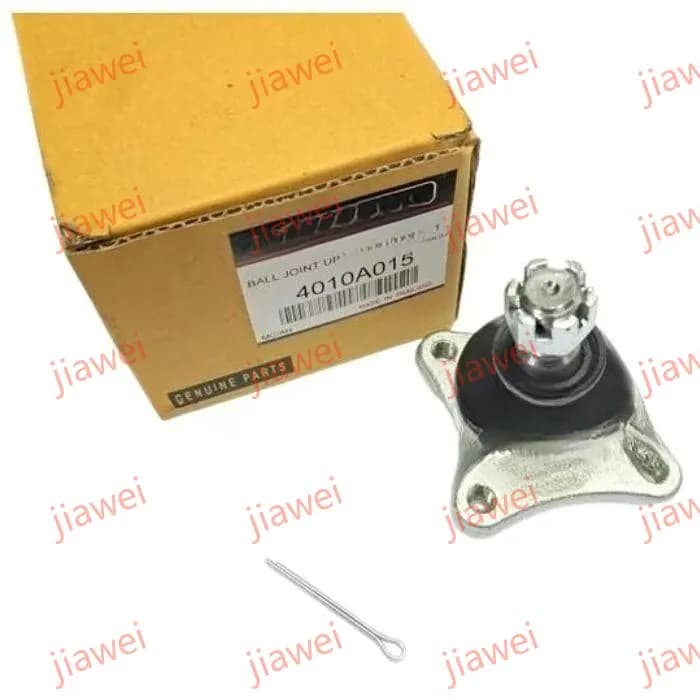
Rotula superior de suspension
Mitsubishi L200
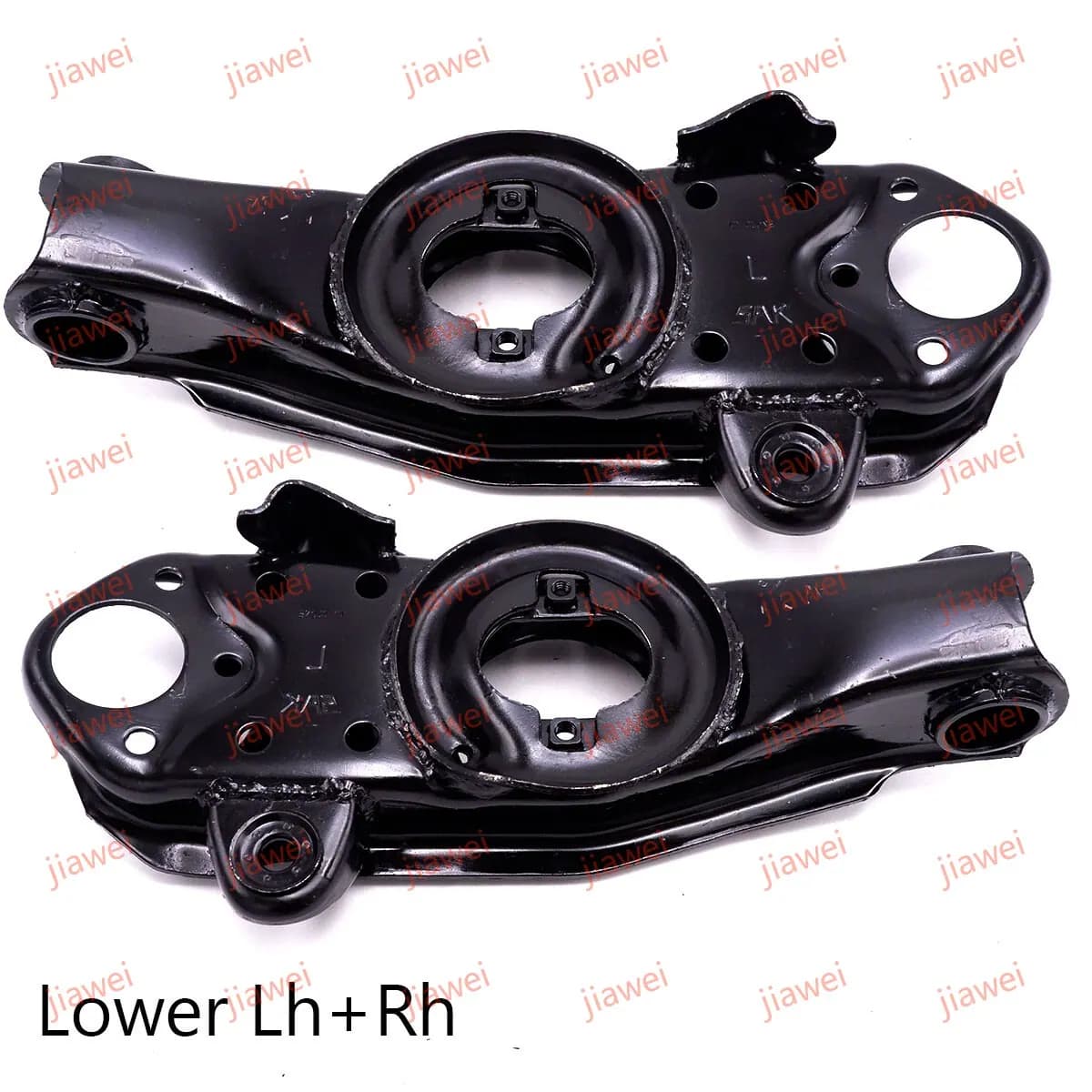
Brazo inferior delantero derecho
Mitsubishi L200 RH · Mitsubishi L200
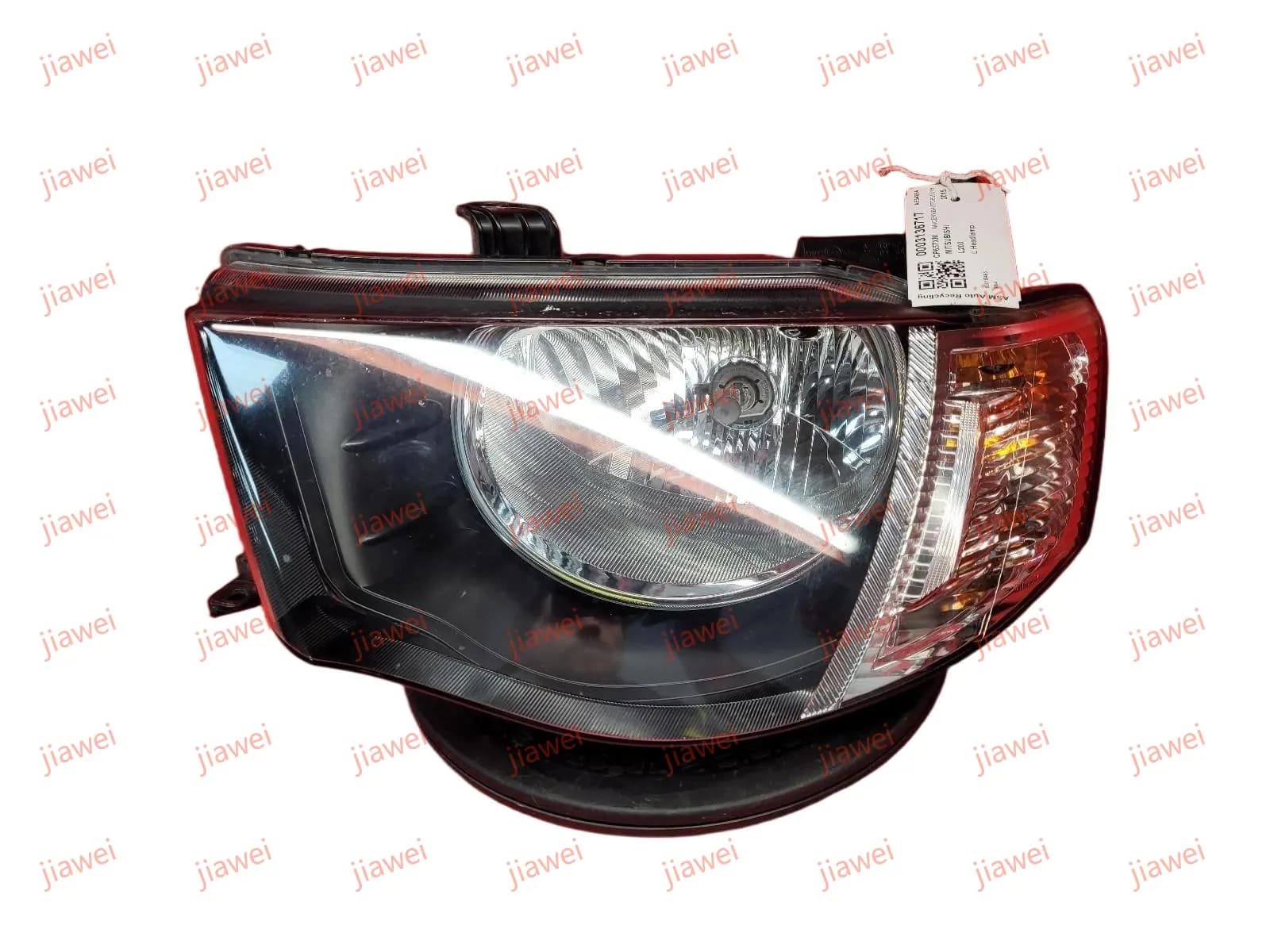
Faro delantero izquierdo
Mitsubishi L200 2015+ · Mitsubishi L200
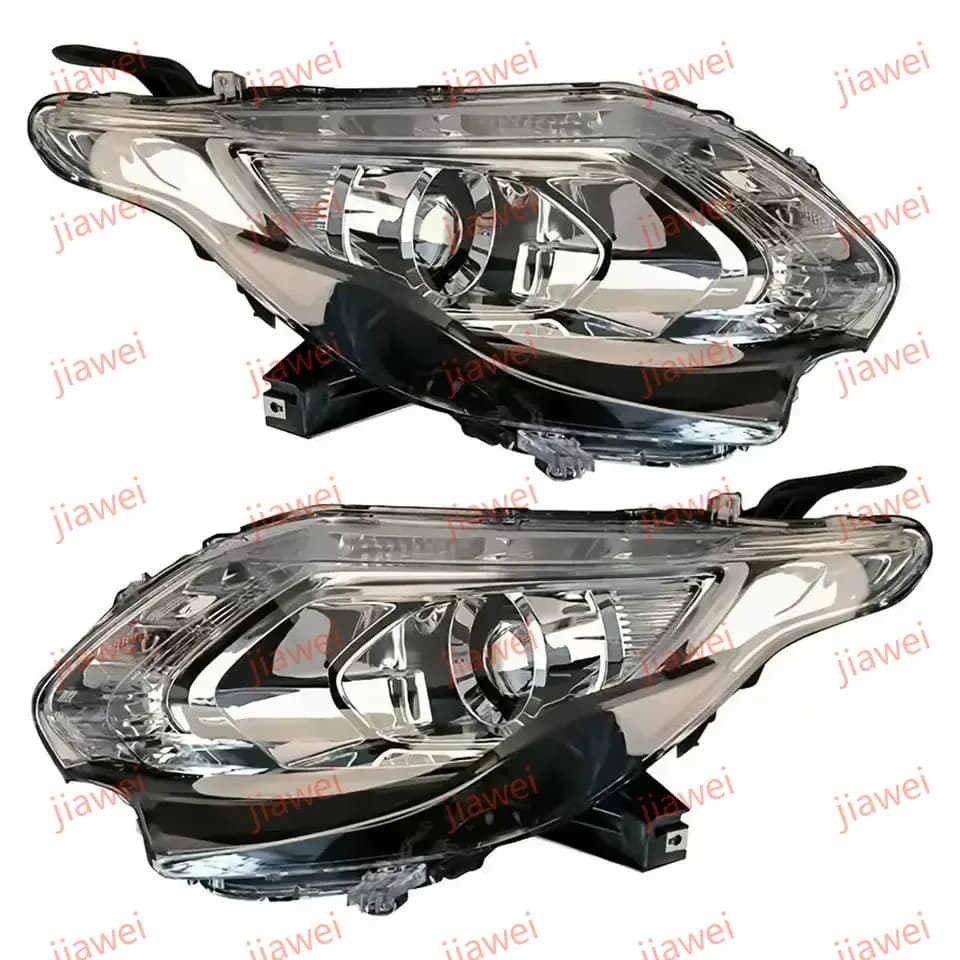
Faro delantero derecho
Mitsubishi L200 2015+ · Mitsubishi L200