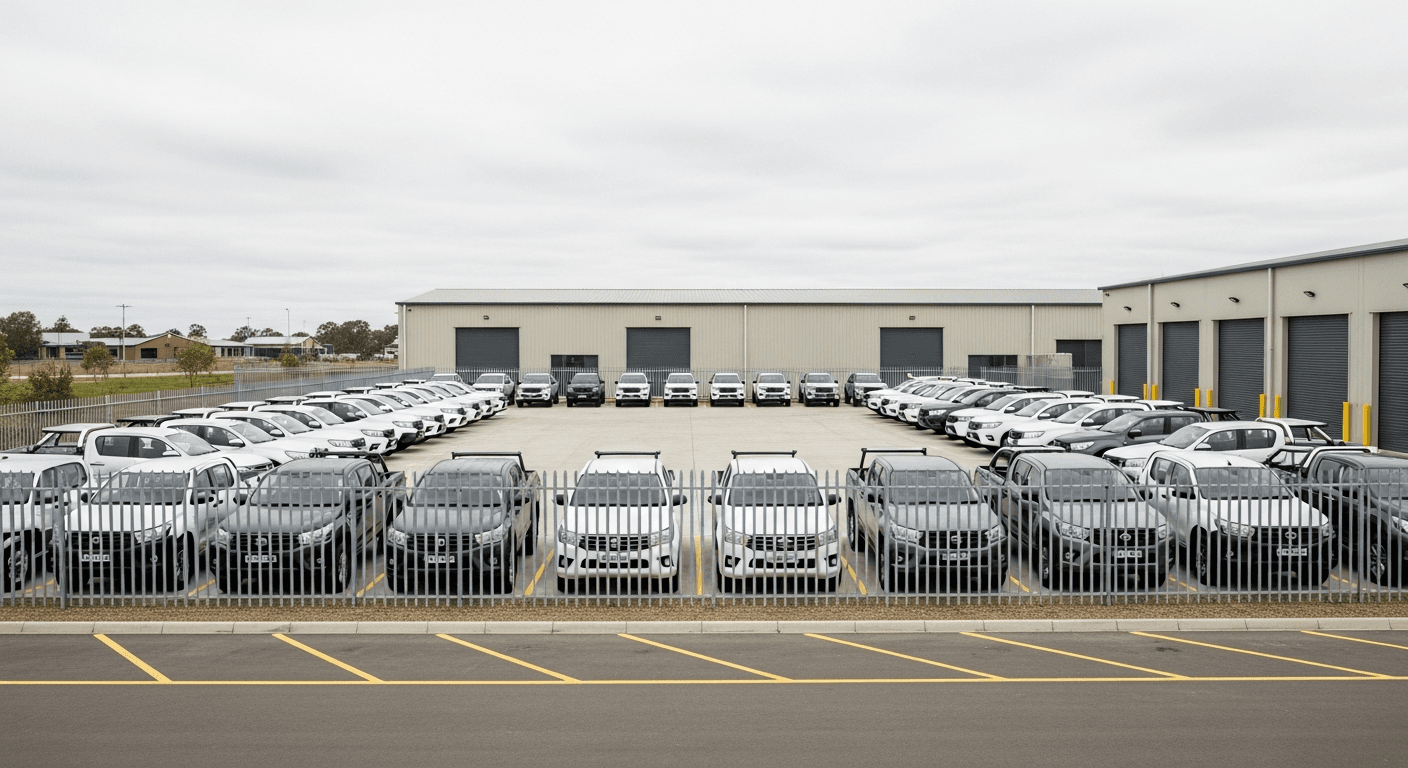
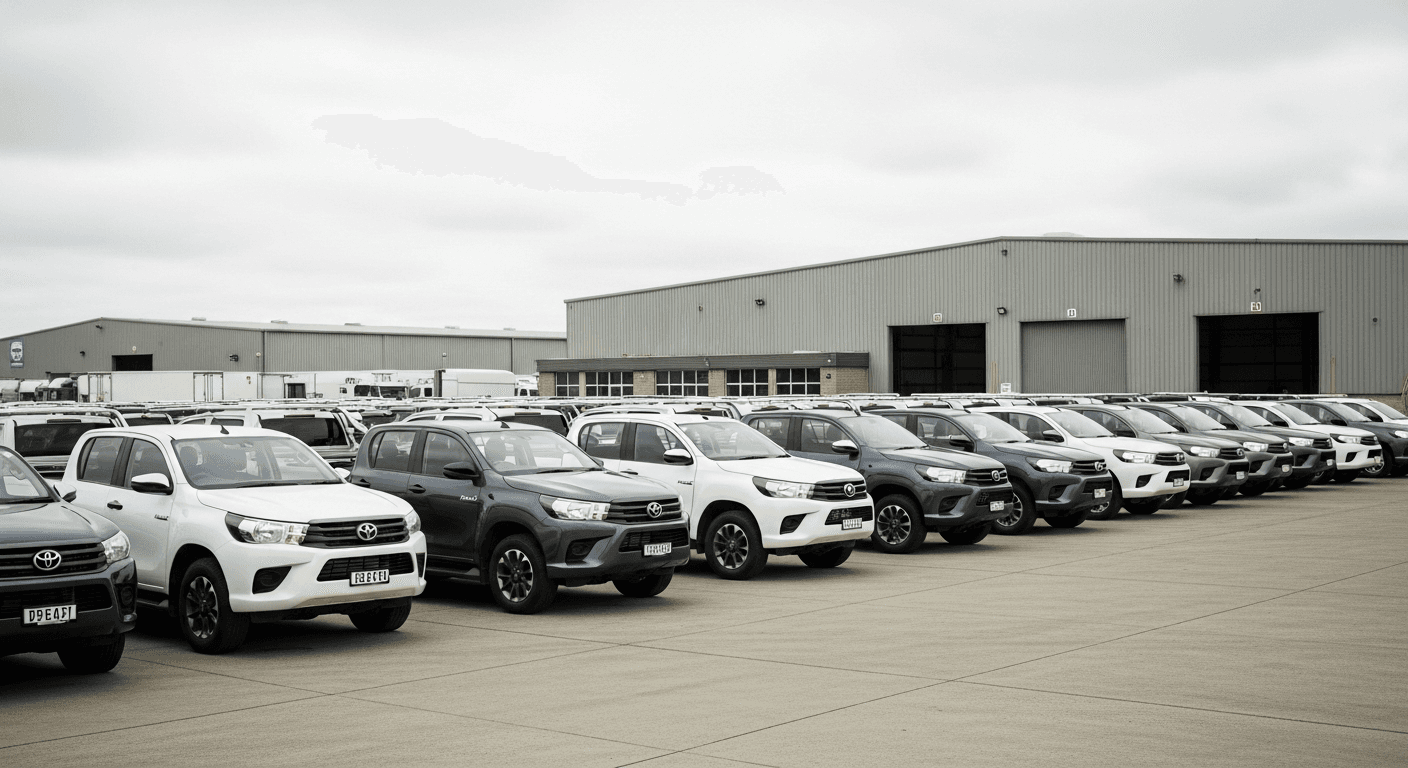
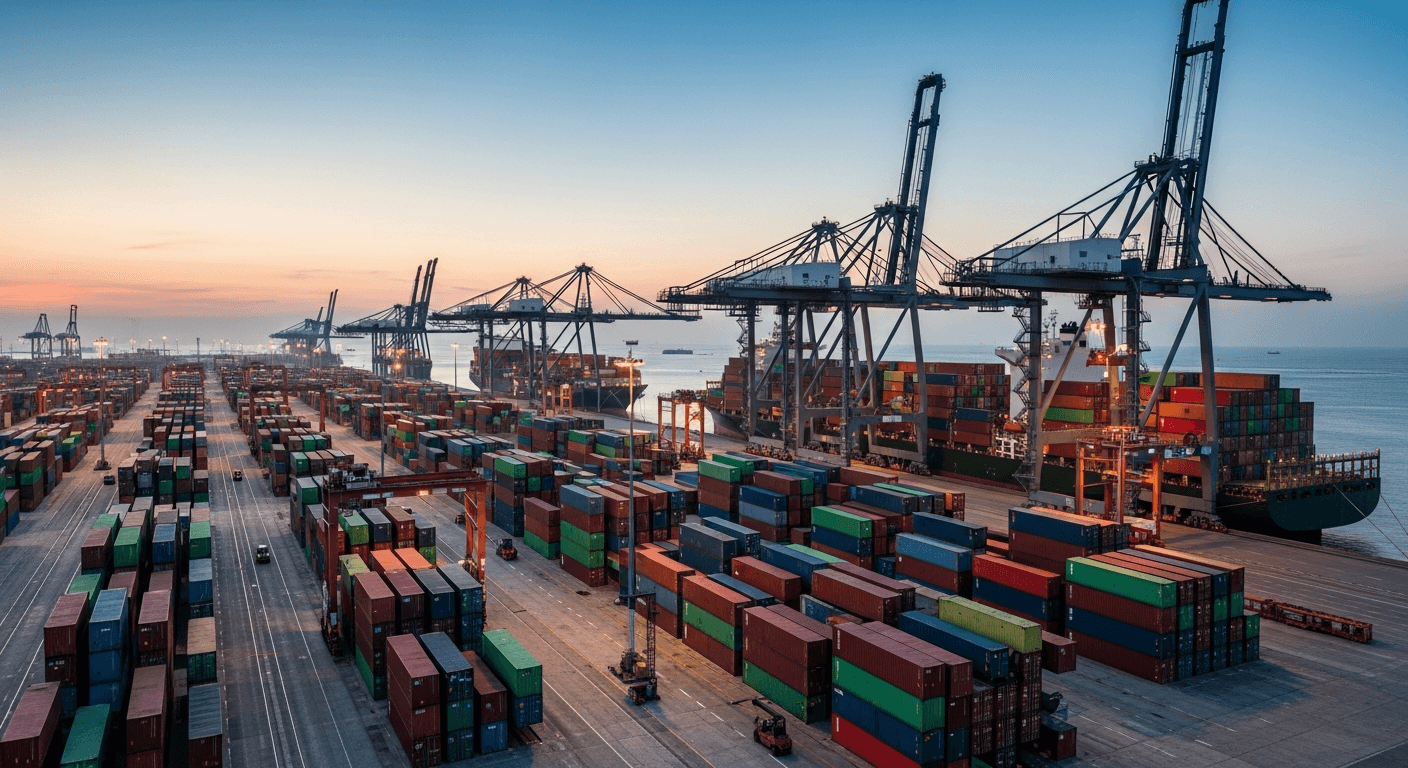
Iran War Disrupts Japan Auto Supply Chain; Toyota, Nissan Trim
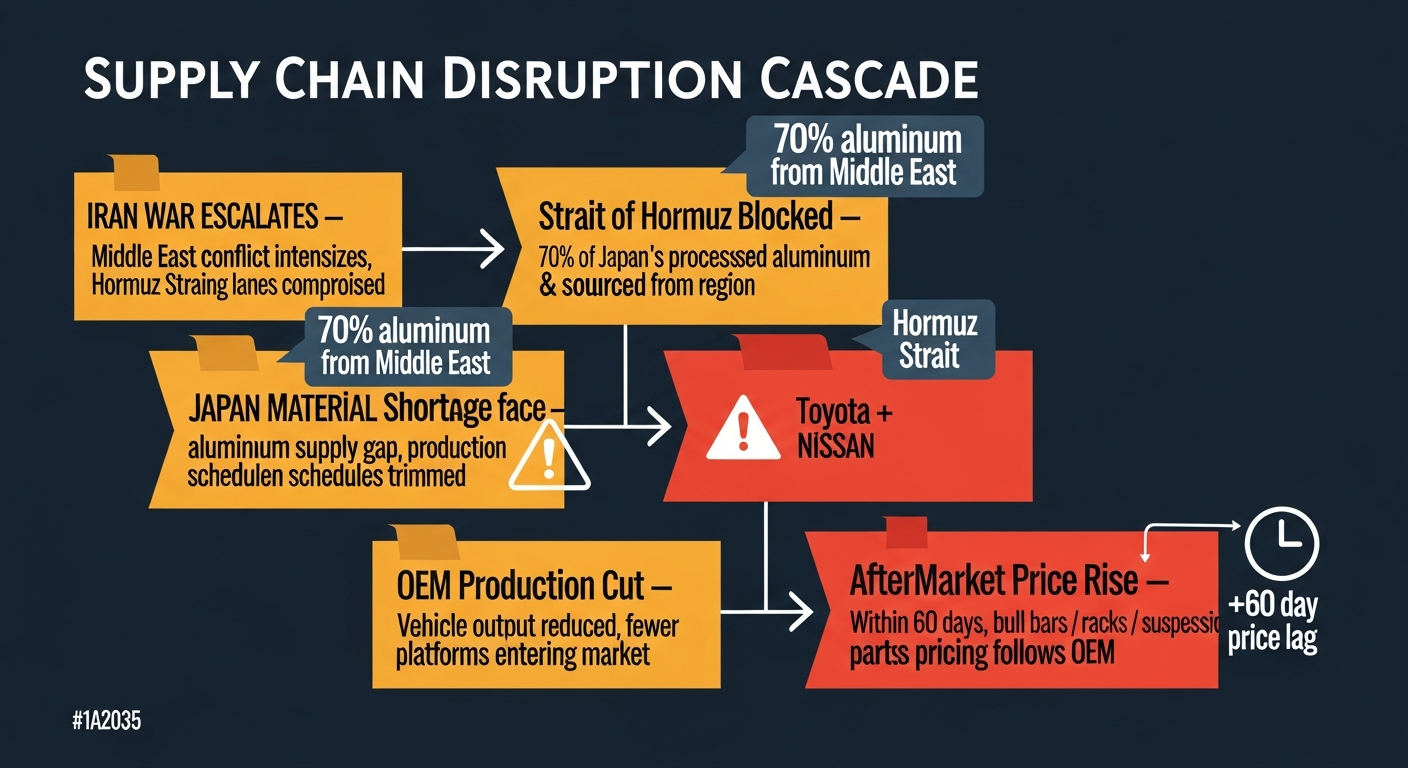
Japanese automakers source 70% of aluminum, naphtha from Middle East. Iran conflict disrupts Hormuz logistics, forcing Toyota, Nissan to trim output.
Direct takeaway
- This guide explains market news with practical sourcing context for importers, distributors, and workshops.
- Use it to decide what to validate before quoting, not just to read a generic overview.
- If you already have OE numbers or a target part list, the next step is turning the guide into a cleaner RFQ.
Supply Chain Friction Impacts 4x4 Parts Availability
Geopolitical tension and trade policy shifts are creating inventory bottlenecks for aftermarket distributors in emerging markets.
What happened
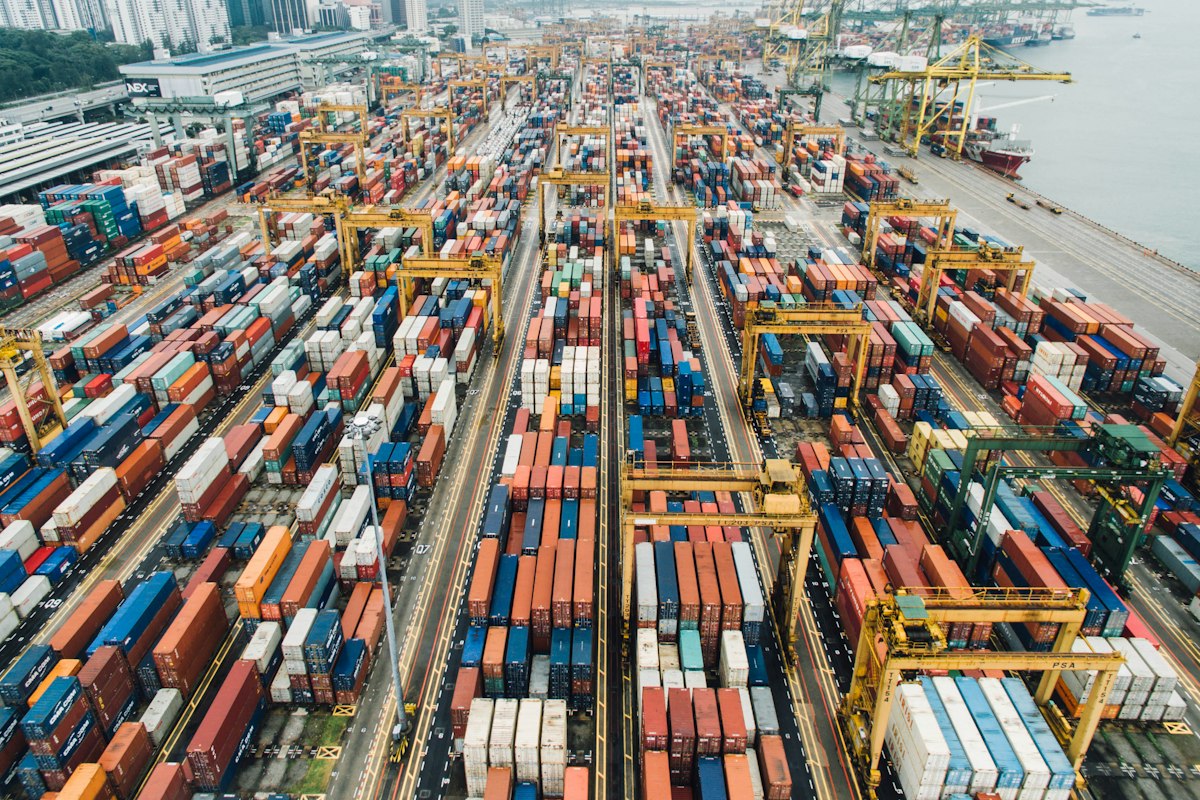
Multiple supply chain disruptions converged this week, creating a complex environment for automotive manufacturing and logistics. Escalating conflict in Iran has directly impacted Japanese automakers, who source 70 percent of their processed aluminum and naphtha from the Middle East (Automotive News RSS). Logistics through the Strait of Hormuz are compromised, forcing Toyota and Nissan to trim production schedules immediately. This material shortage contrasts with North American dynamics, where Toyota suppliers are actively seeking tariff relief through the USMCA review process to maintain trilateral agreement stability (Wards Auto RSS).
Meanwhile, Mexico's auto parts sector expresses confidence it will withstand US trade policy instability, hoping for growth in 2026 despite unresolved tariff discussions (Wards Auto RSS). In logistics, manufacturers are renting more storage trailers to manage inventory surges caused by nearshoring and cross-border freight flows (FreightWaves RSS). On the manufacturing front, Ford's new unicasting assembly process aims to reduce crash repair costs, though this technology remains distinct from current body-on-frame 4x4 production methods (Automotive News RSS).
Why it matters for 4x4 distributors
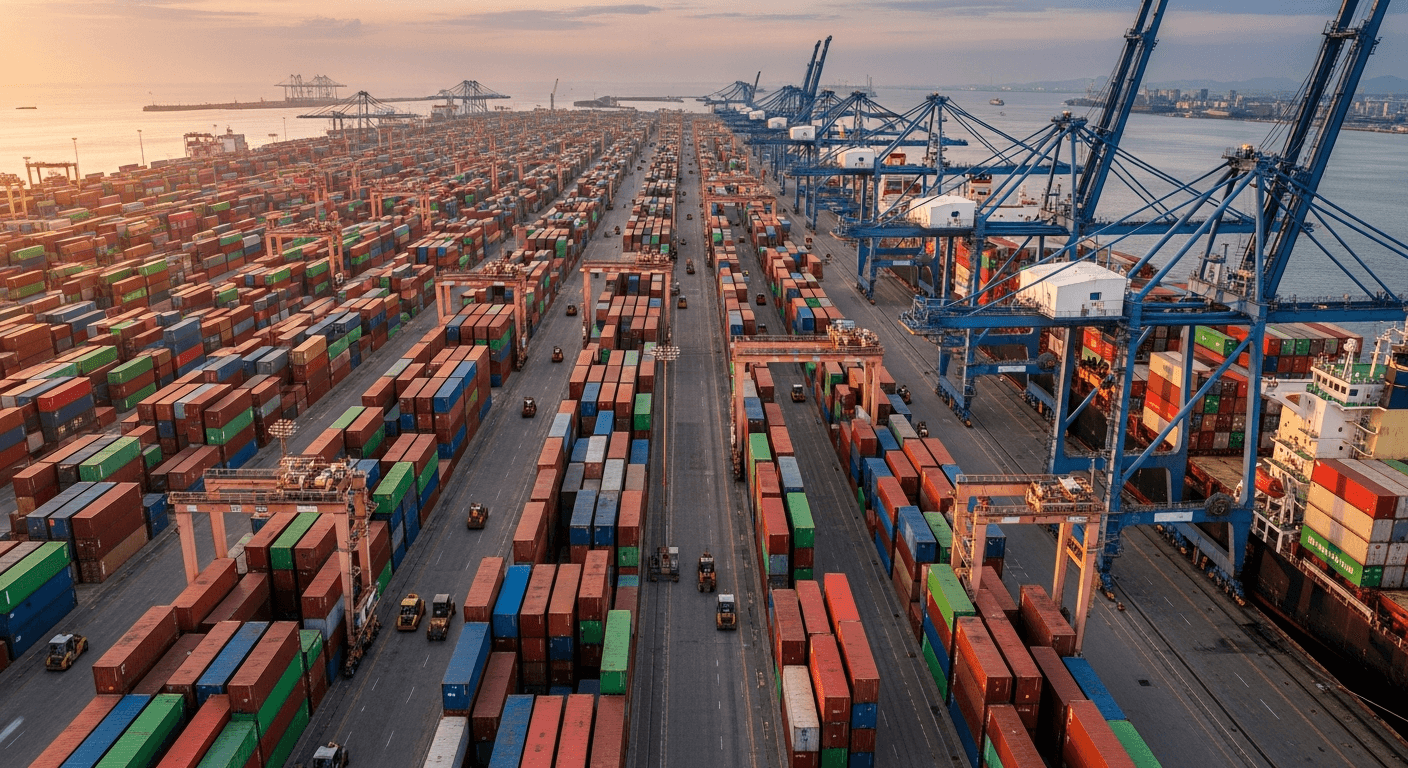
For our partners in Latin America, the Middle East, and Southeast Asia, these shifts signal higher costs for aluminum-intensive aftermarket components. In our experience, when OEM production trims due to raw material shortages, aftermarket pricing for bull bars, roof racks, and side steps follows within 60 days. The Iran conflict is particularly sensitive for our Middle East distributors, where shipping lanes through the Hormuz Strait are critical for inbound containers from Guangzhou. Delays here compound the existing congestion seen in North American storage yards, creating a ripple effect that slows global vessel turnover.
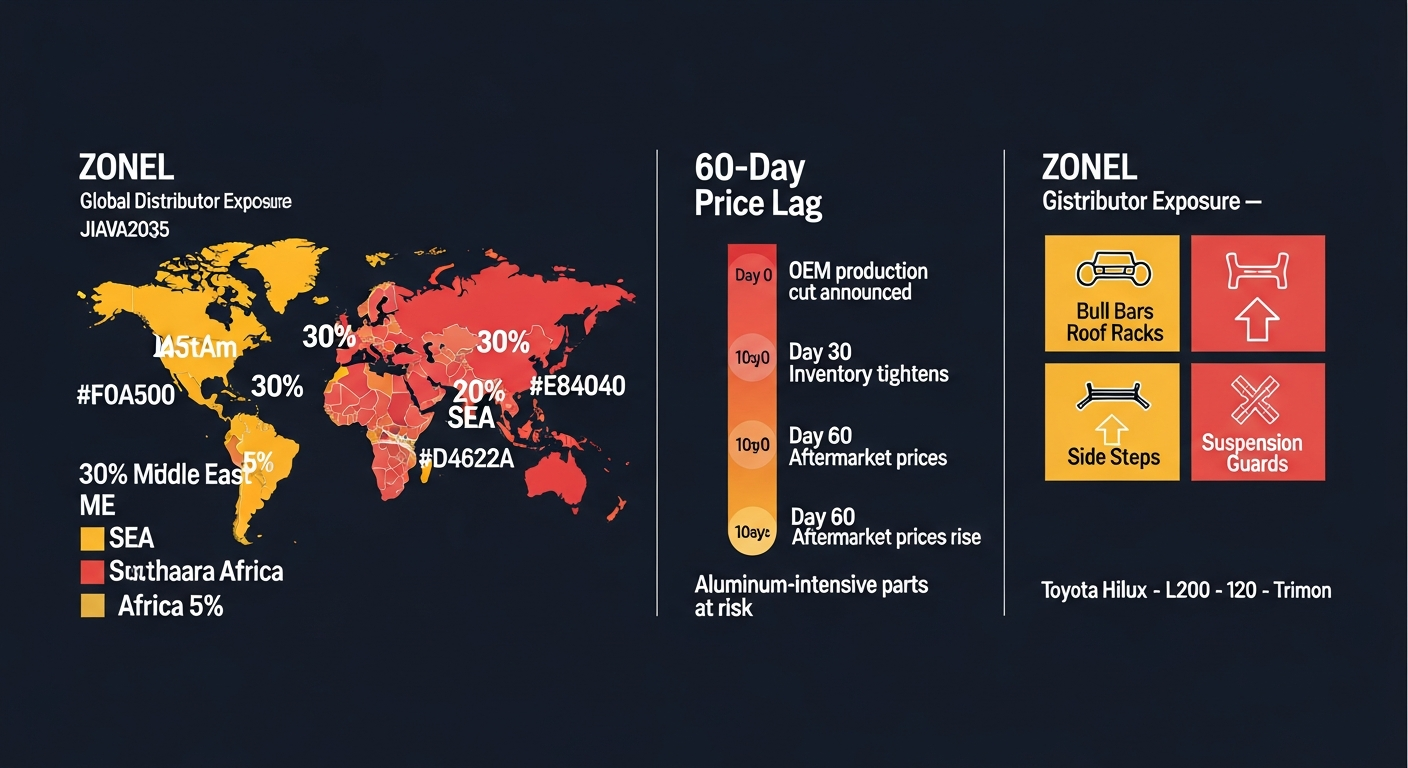
We also see a divergence in market sentiment that affects ordering strategies. While Mexico expects growth, the push for tariff relief suggests underlying vulnerability in the North American supply chain. For distributors in LatAm relying on transshipment through US ports, this instability adds risk. Furthermore, while Ford's repairable unicasting is positive for consumer costs, it does not apply to the rugged body-on-frame platforms like the Hilux, L200, or Triton that dominate our wholesale catalog. Our clients must prepare for sustained demand on traditional steel and aluminum protection parts, as older vehicles remain in service longer when new production slows.
Market context
Inventory buffering is becoming the standard response to these logistics reshapes. We are seeing distributors increase safety stock on high-turnover suspension components and differential guards to mitigate shipping delays. The rise in trailer storage demand indicates that manufacturers are holding goods longer before final delivery, which ties up capital and reduces fluidity in the supply chain. For Guangzhou-based exporters, this means port congestion may increase as containers dwell longer awaiting consolidation or customs clearance related to new tariff classifications.
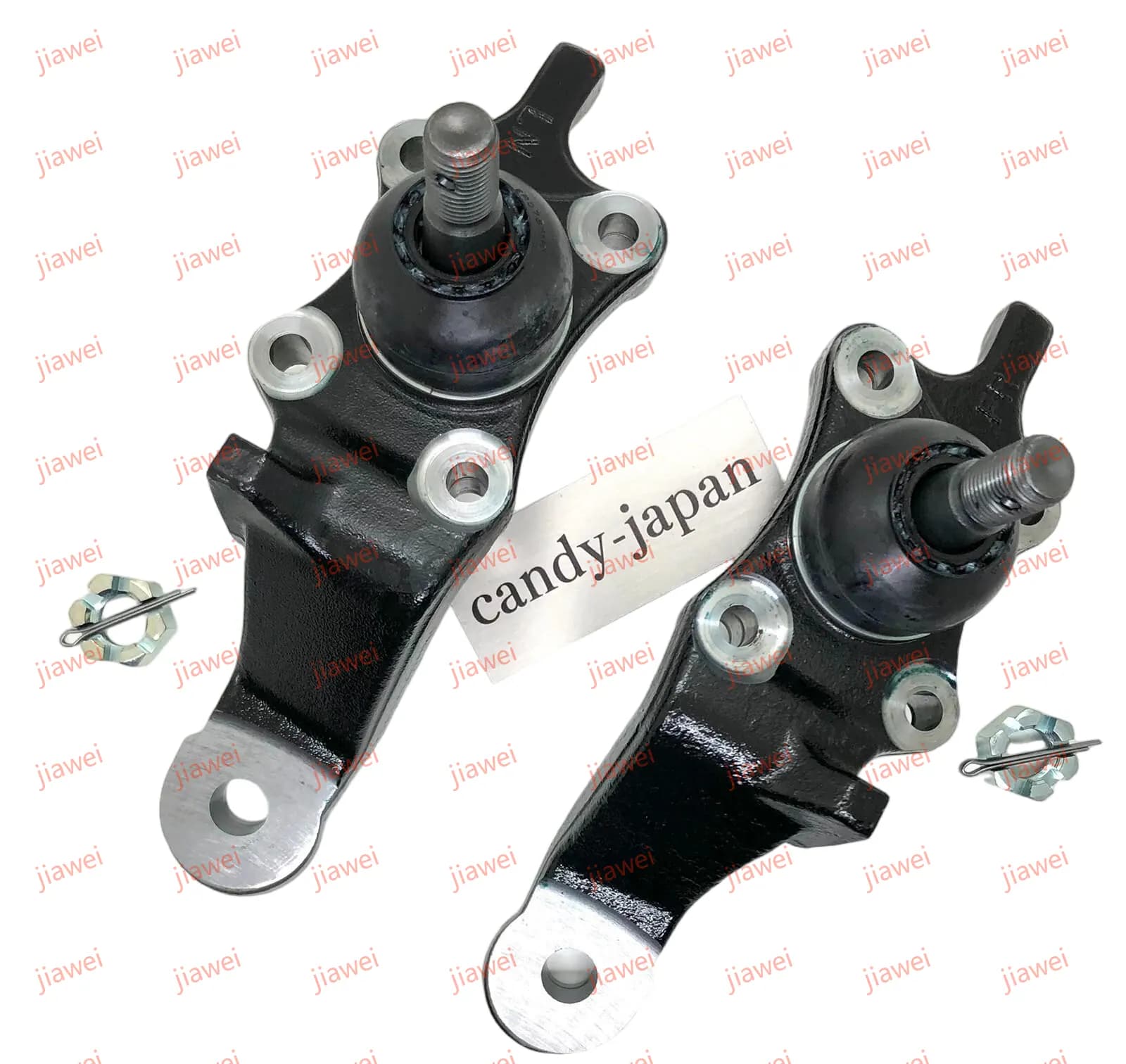
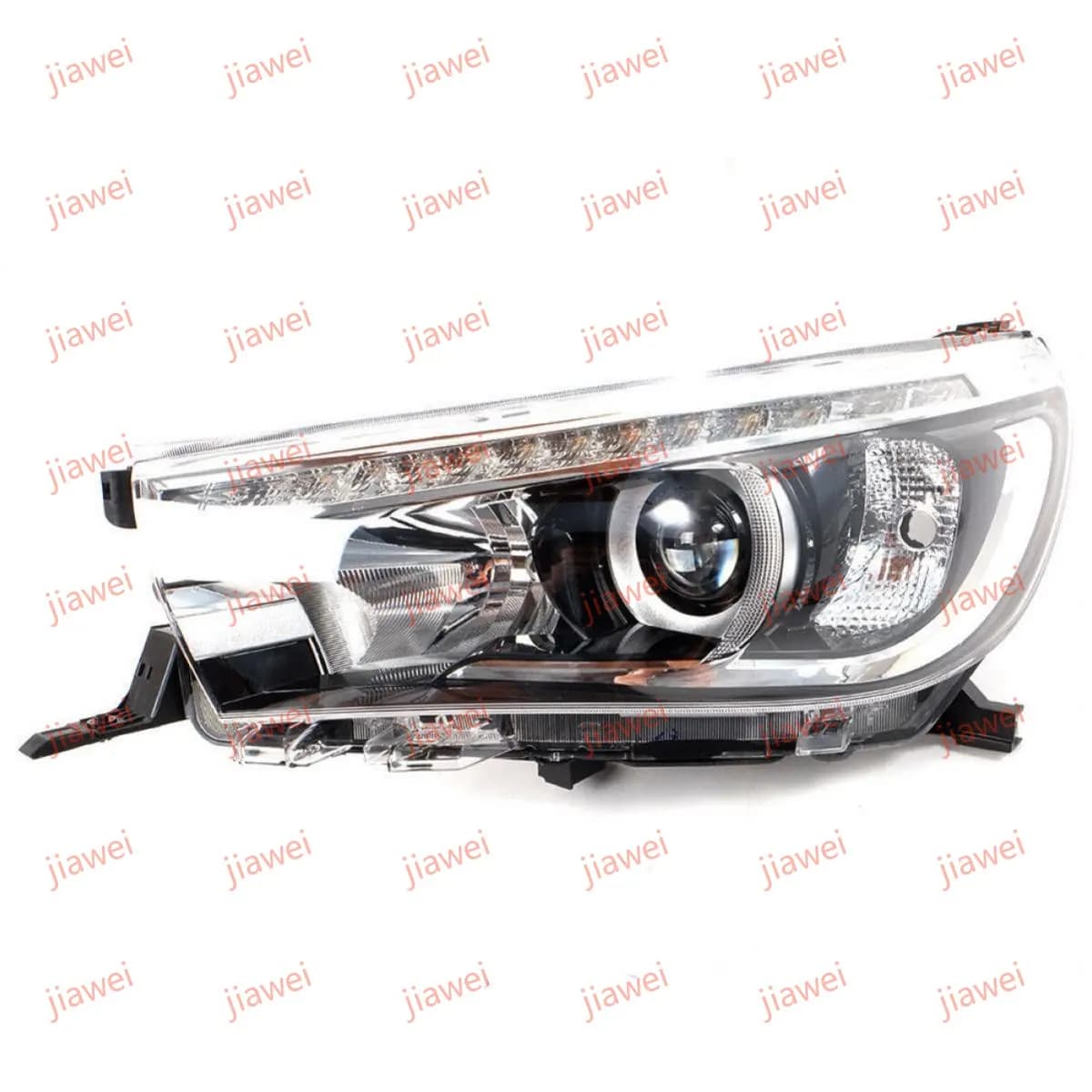
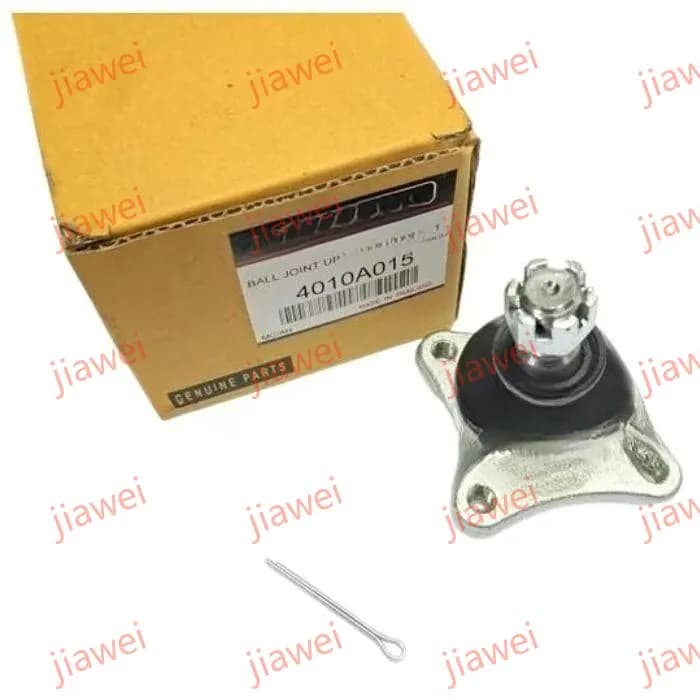
Distributors should prioritize securing stock for high-volume platforms before material costs rise further. Specifically, demand for Toyota Hilux Parts remains robust across SEA and LatAm regions, driven by the vehicle's commercial utility. As new vehicle sales face headwinds from aluminum shortages, the aftermarket for existing fleets becomes more critical. Securing inventory for Toyota Hilux Parts now ensures continuity for service centers that cannot afford downtime waiting for restocks amid global logistics friction.
What distributors should do now
Distributor Action Checklist
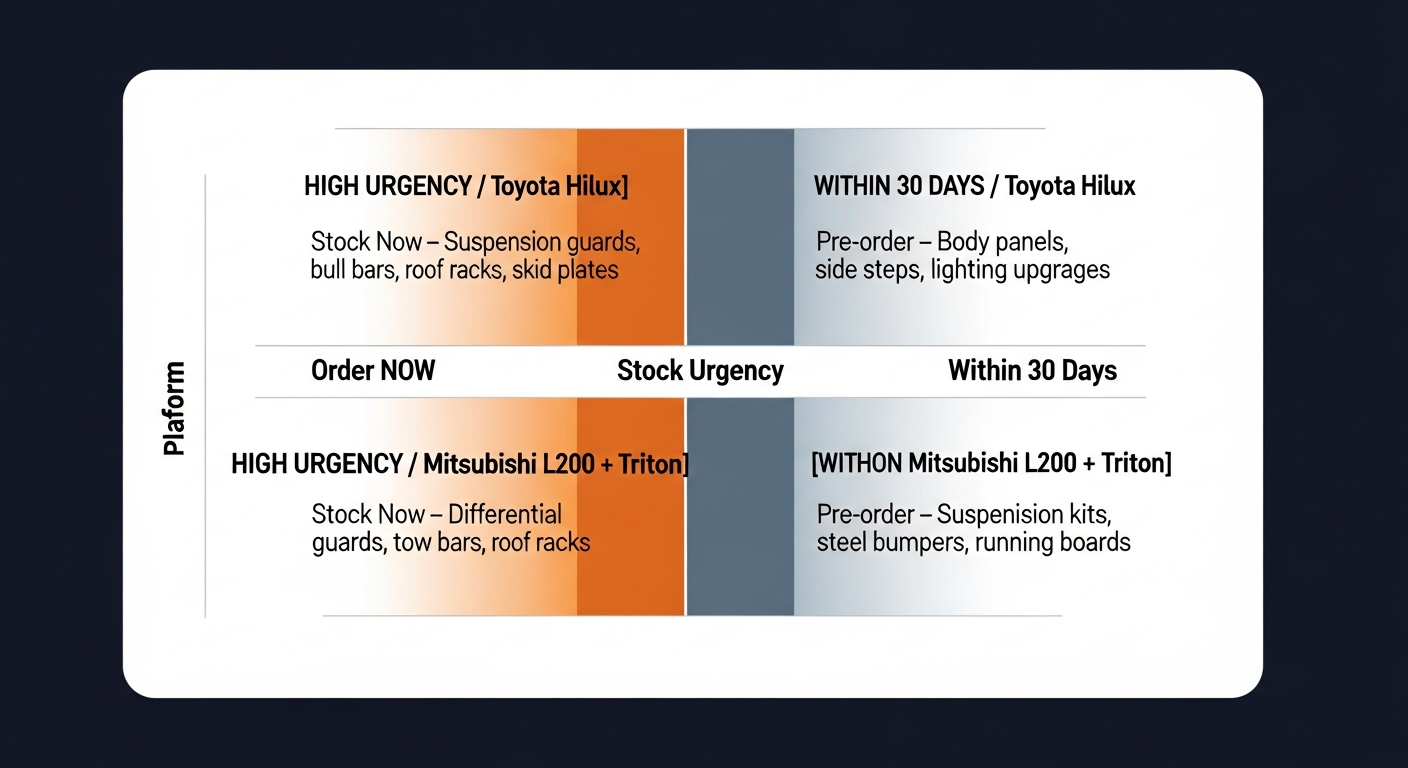
- Secure aluminum stock â Increase orders for bull bars and side steps immediately before Middle East shortages impact pricing.
- Extend reorder horizon â Add 3-4 weeks buffer on SEA-sourced SKUs given current port congestion and storage trailer bottlenecks.
- Monitor USMCA talks â Track tariff relief outcomes to anticipate shifts in North American transshipment costs for LatAm-bound cargo.
- Focus on legacy platforms â Prioritize inventory for body-on-frame models like the L200 and Triton as new OEM production slows.
FAQ
Will aluminum parts prices increase in Q2 2026?
Yes, given the 70 percent reliance on Middle East processing and current logistics disruptions, we anticipate a 10-15 percent price adjustment on aluminum accessories within 60 days.
How does the Iran conflict affect shipments to Latin America?
While LatAm is not directly in the conflict zone, global vessel routing adjustments and insurance premium hikes in the Middle East affect overall shipping capacity and rates worldwide.
Should we shift focus from OEM-style parts to universal fitments?
No, specific OE fitment parts for models like the Hilux retain higher resale value and demand during production slowdowns compared to universal alternatives.
Sources
FAQ
How do I turn this guide into a cleaner RFQ?
Send OE number, target model, quantity, and any side or market notes so the team can confirm fitment before quoting.
Is this guide meant for distributors and workshops?
Yes. The content is written for B2B buyers who need fewer fitment mistakes and cleaner purchasing decisions.